What a Conveyor Belt Idler Does on the Line
A conveyor belt idler is the rotating support that carries the belt and its load along the length of a conveyor. In a quarry, cement plant or power station coal yard, these rollers keep the belt tracking smoothly between the head and tail ends. The idler roller itself is a simple assembly, but its condition affects belt life, energy draw and spillage. When a roller seizes, the belt rubs, the motor works harder and the risk of a hot spot rises. That is why maintenance teams treat the idler as a wear part with a defined inspection cycle rather than a fit-and-forget item.
How the Roller Is Built
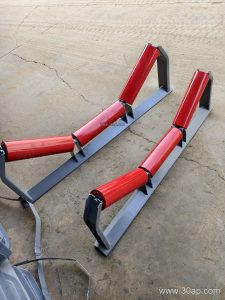
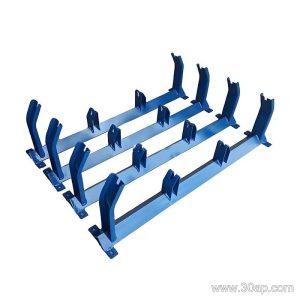
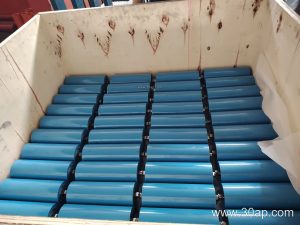
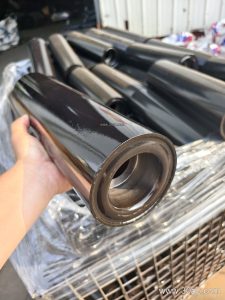
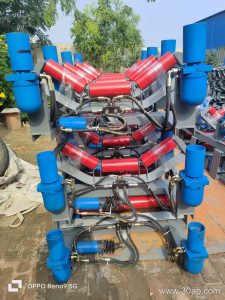
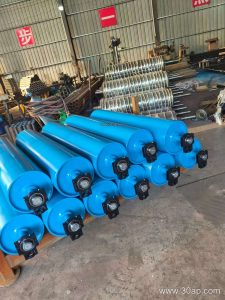
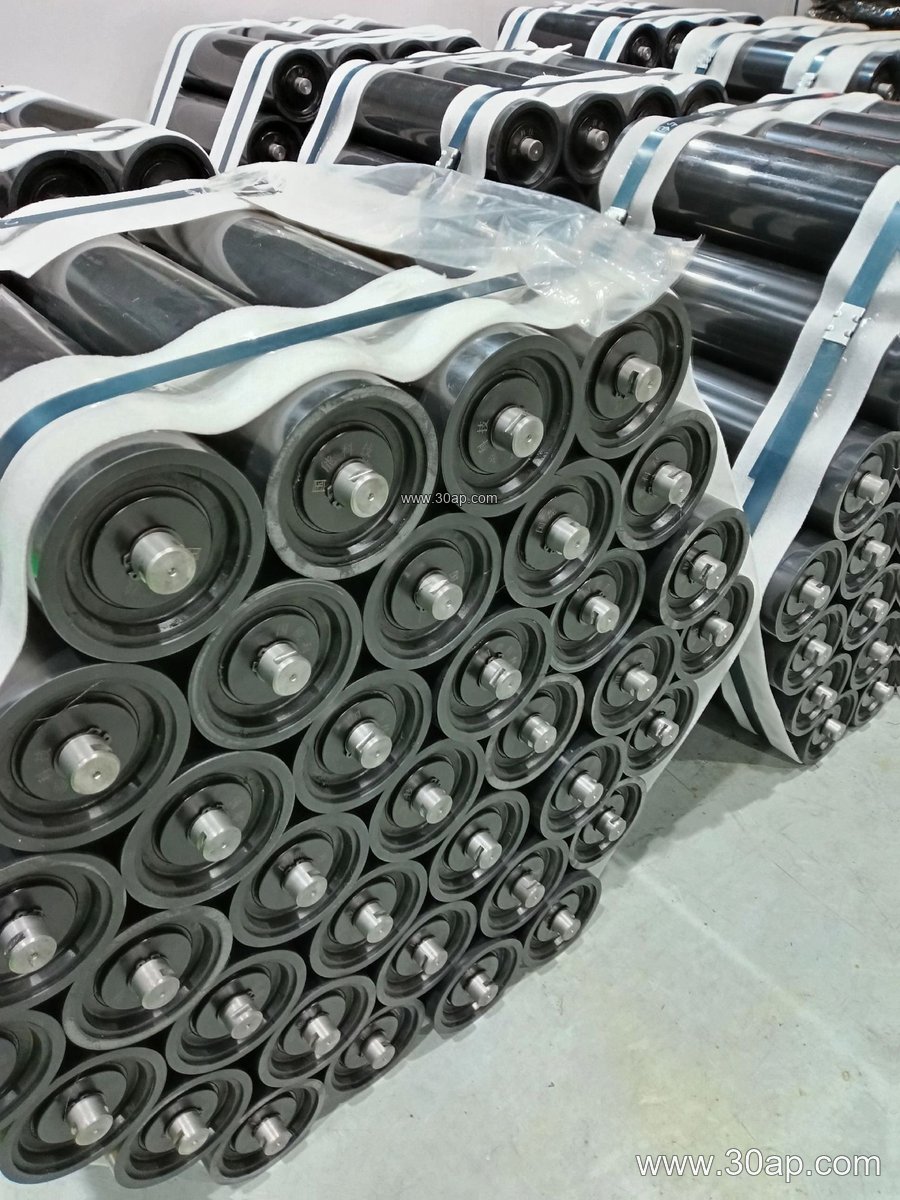
A typical idler roller has a steel tube shell, a shaft, bearing housings and a sealing arrangement. The shell may be plain steel, nylon-coated, ceramic-lined or fitted with rubber rings for impact zones. Bearings such as 6204, 6205, 6305, 6306, 6308 and 6310 are common, but the bearing size is chosen with the shaft and load, not by belt width alone. Seals matter in dusty conditions: a good labyrinth or contact seal keeps fines out of the bearing cavity. The idler roller is mounted in a conveyor bracket or frame, and the whole set forms the troughing or return run.
Common Idler Types and Where They Sit
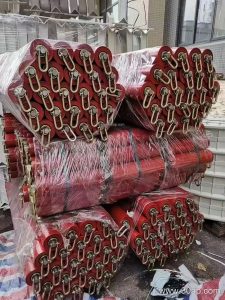
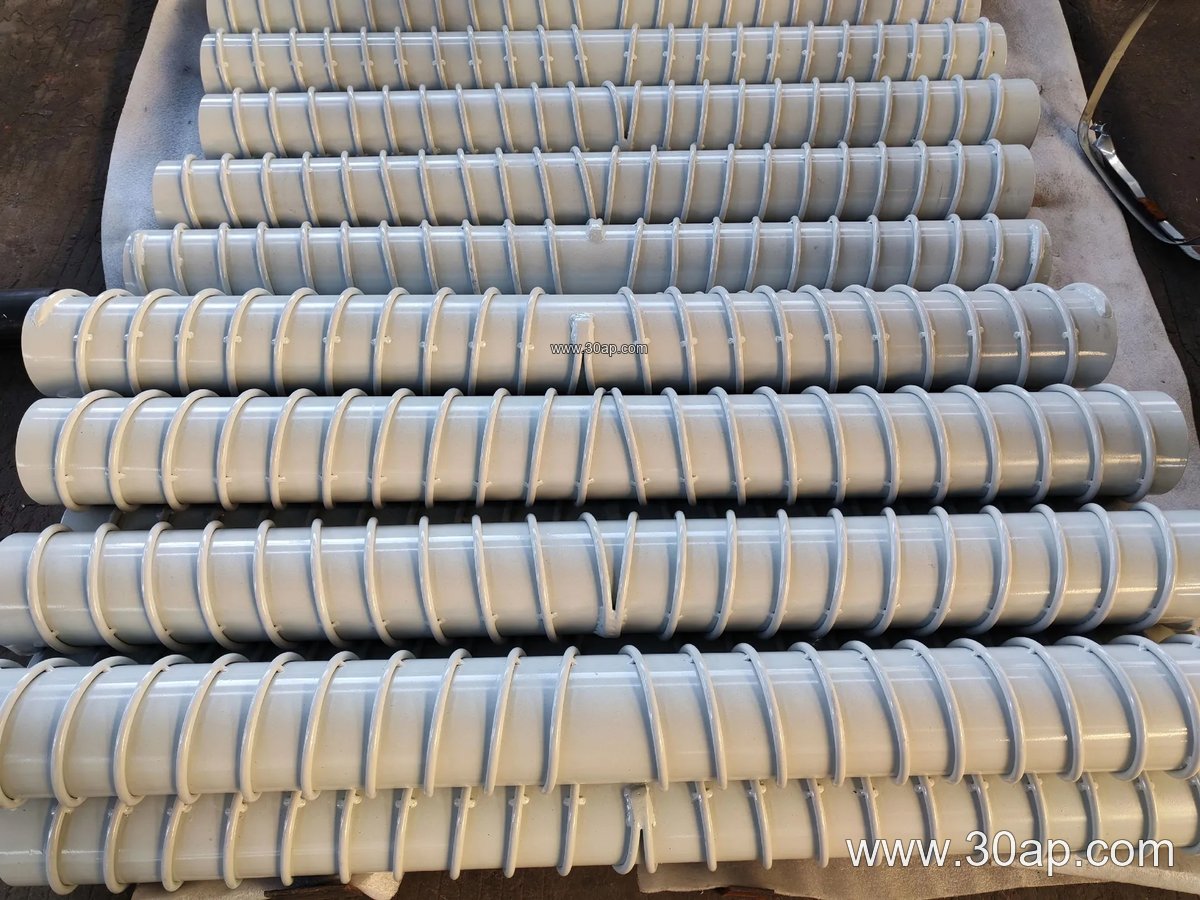
Troughing idlers carry the loaded strand. A three-roll troughing set is the usual choice for bulk material, with side rollers inclined at 20, 30, 35 or 45 degrees. Transition idlers help the belt change from flat to troughed without stressing the edges. Return idlers support the empty strand; a flat return roller or a V-return roller is common. Impact idlers with rubber rings sit under the loading point to absorb lump energy. Self-aligning idlers, including friction and tapered types, correct minor misalignment. Spiral rollers can help shed sticky material. Each type has a place, and mixing them up can cause tracking problems.
Matching Roller Diameter, Belt Width and Roll Length
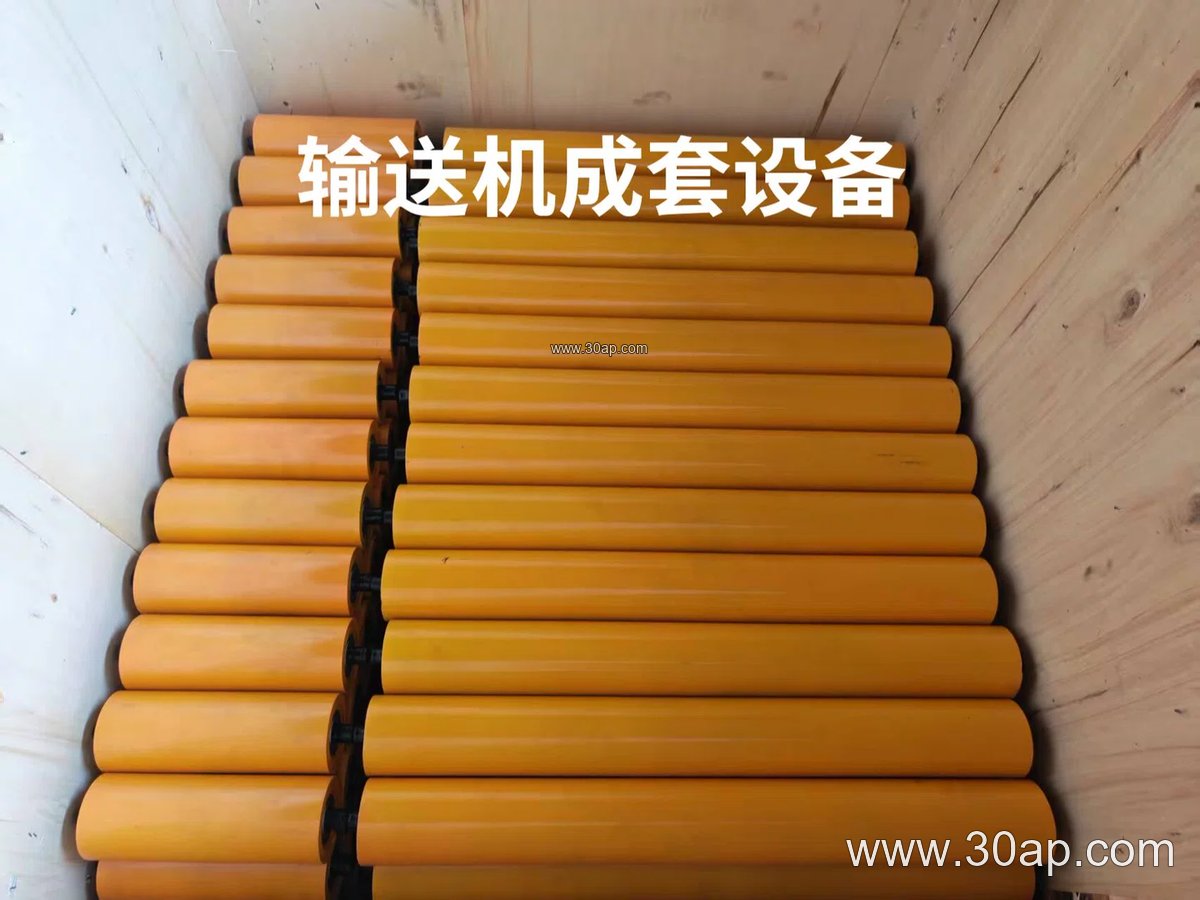
Roller diameter and belt width are linked by the conveyor design, not by a single rule. Common diameters include 63, 76, 89, 102, 108, 127, 133, 159, 178, 194 and 219 mm. Belt widths run from B400 up to B2400 in many bulk systems. Roll length changes with belt width, trough angle and the number of rolls in the set. For a three-roll troughing set, a B800 belt often uses a roll length near 315 mm, while a B1200 belt may use about 465 mm. These are examples only; side rollers and centre rollers can differ, and the final length is set by the conveyor designer.
| Belt width (example) | Common roll length, three-roll set | Typical trough angle |
|---|---|---|
| B500 | about 200 mm | 20–35 degrees |
| B650 | about 250 mm | 20–35 degrees |
| B800 | about 315 mm | 30–35 degrees |
| B1000 | about 380 mm | 30–35 degrees |
| B1200 | about 465 mm | 30–35 degrees |
| B1400 | about 530 mm | 30–35 degrees |
Do not assume a fixed shaft diameter from belt width. Shaft size follows load, span and bearing selection. Also, one belt width does not lock you to one pulley diameter; the conveyor pulley at the drive or tail is a separate design decision.
Where These Rollers Work Best
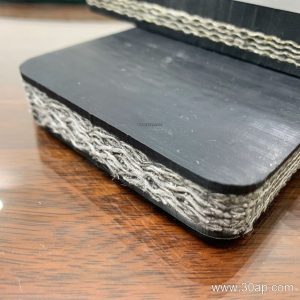
In a limestone quarry, troughing idlers handle abrasive rock on the main haulage conveyor. In a coal-fired power plant, return rollers and impact rollers keep the coal stream stable through transfer points. Cement plants use sealed rollers in dusty clinker and raw meal lines. Sand and gravel operations often choose rubber-ring impact idlers under crusher discharge. In each case, the roller must suit the belt: a heavy-duty mining conveyor belt with steel cord reinforcement may need larger diameter rollers and robust frames, while a fabric core belt on a shorter run may use lighter sets.
Buyer Checklist Before Ordering
- Confirm the belt width, trough angle and roll length from the conveyor drawing.
- State the roller diameter and bearing size, or ask for a recommendation based on load and speed.
- Choose the shell surface: plain steel, nylon, ceramic or rubber rings for impact.
- Match the seal type to the environment: dusty, wet or wash-down.
- Check the bracket and frame interface so the idler drops in without modification.
- Ask for roller runout and balance data if the conveyor runs at higher speed.
For a reliable quote, describe the application and the belt. Mention whether the belt is a flame retardant conveyor belt for underground coal mining or an abrasion resistant conveyor belt for iron ore. That helps the supplier propose a roller that lasts. At conveyorcomponents.example, idler and roller data can be reviewed alongside belt and pulley details.
Installation and Maintenance Notes
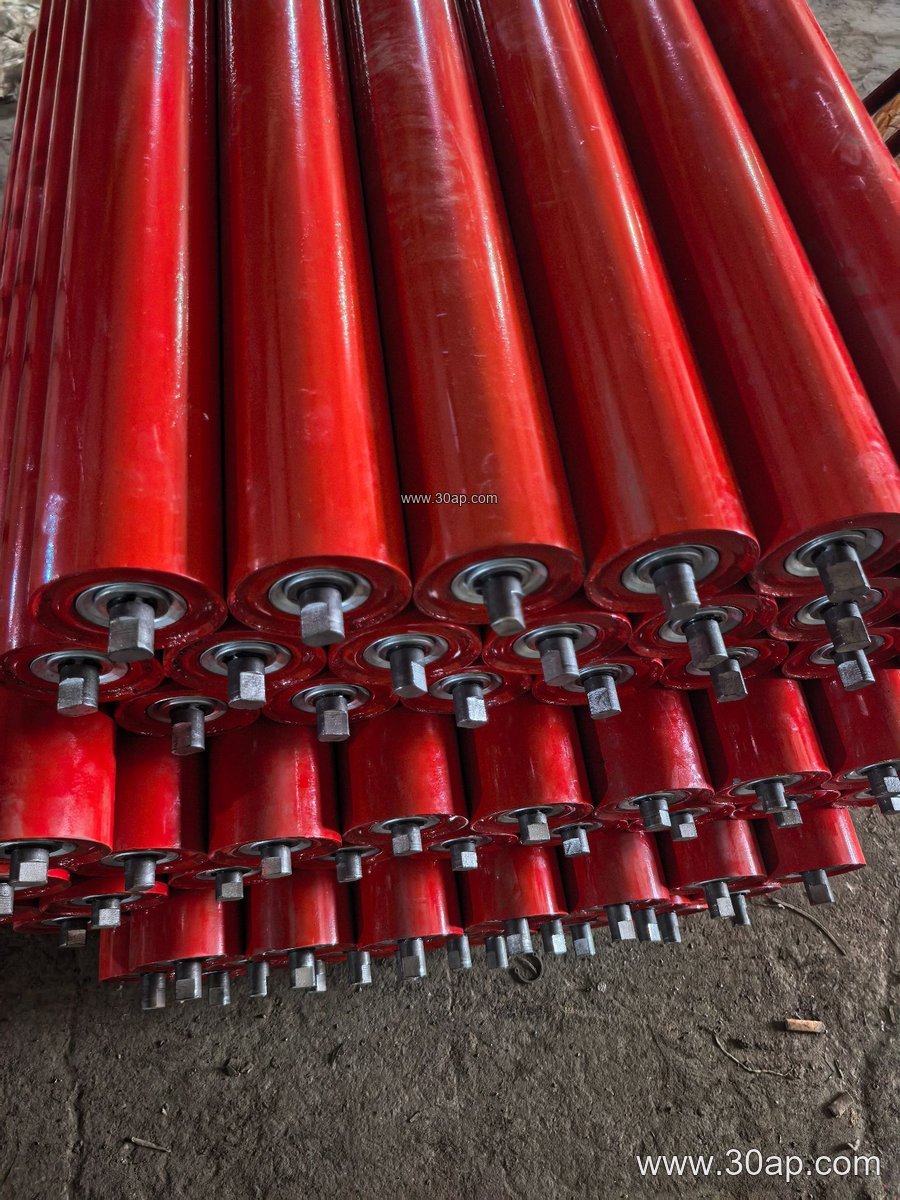
Align the brackets before tightening. A roller that sits crooked will train the belt to one side. Check that the roller turns freely by hand and that the seal is not damaged. During operation, listen for squealing and look for material build-up on the shell. Replace seized rollers promptly; a single locked idler can wear a belt through in a short time. Keep a small stock of common sizes on site, but do not treat any size as universal. The right spare is the one that matches the conveyor design.
For more on related components, see conveyor belt idler options at conveyorcomponents.example and review conveyor pulley and conveyor bracket interfaces before ordering.