What Is an NN100 Conveyor Belt
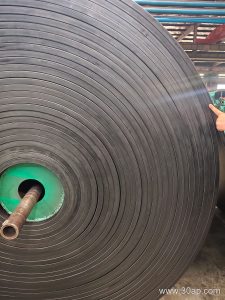
An NN100 conveyor belt is a fabric-core belt built with nylon (NN) warp and weft cords, rated for a breaking strength of 100 N/mm per ply. It sits at the entry level of the NN range, making it a practical choice for light to medium-duty conveying where cost and flexibility matter. Unlike a steel cord conveyor belt, which relies on steel wires for very high tension, the NN100 uses multiple plies of nylon fabric to carry the load. This construction gives the belt good troughability, impact resistance, and the ability to run on smaller pulleys. The NN100 is part of the broader family of fabric core conveyor belts, and it is often compared with EP conveyor belts, which use polyester warp and nylon weft. While EP belts offer lower elongation, NN belts are valued for their flexibility and resistance to fatigue.
Construction and Key Parameters
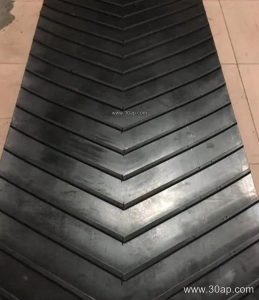
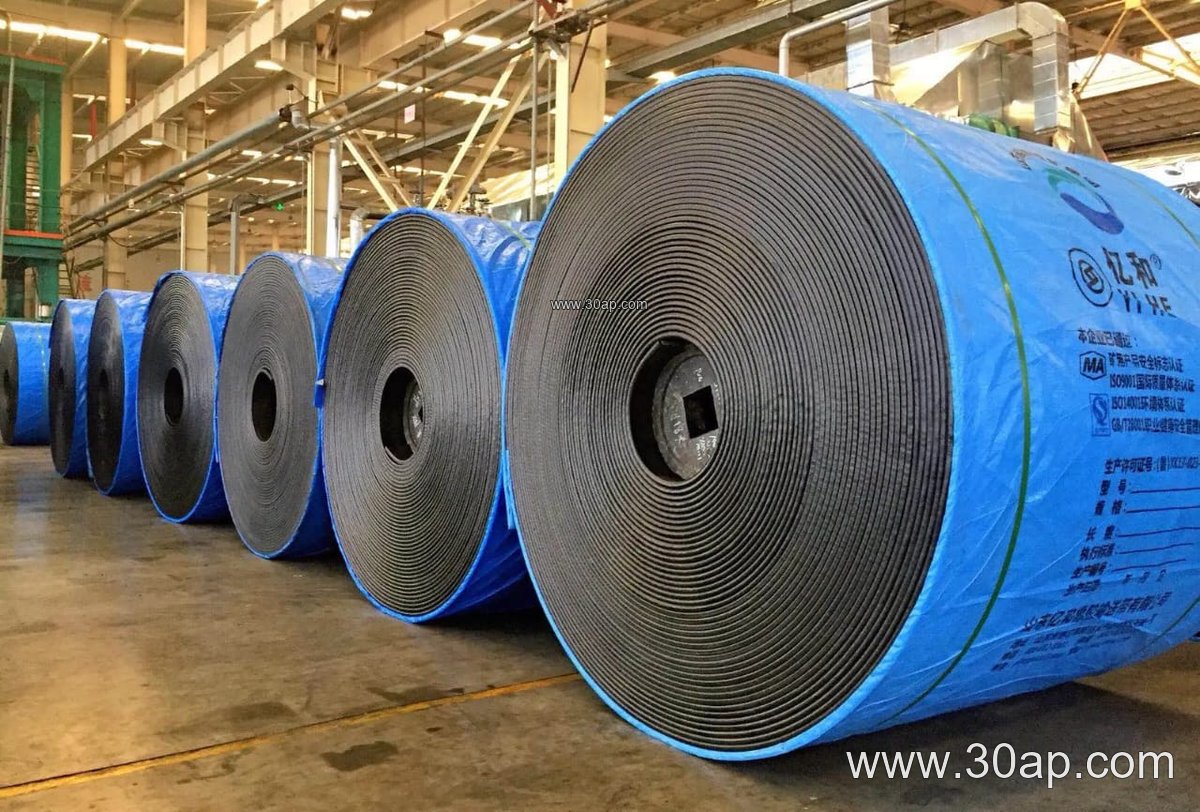
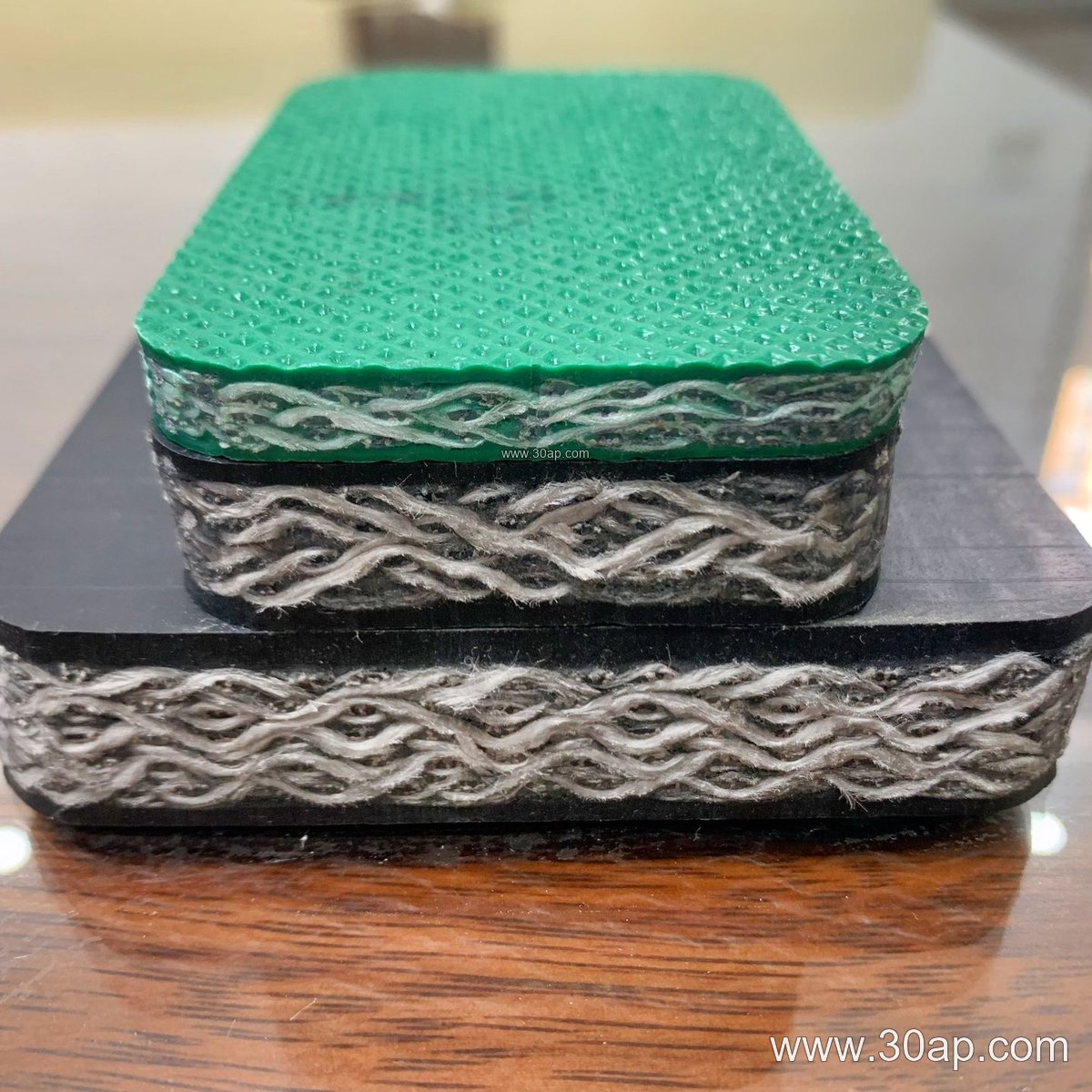
A typical NN100 conveyor belt consists of two to six plies of nylon fabric, bonded with rubber and protected by top and bottom cover compounds. The cover thickness is usually specified as a pair, such as 3+1.5 mm, 4+2 mm, or 5+2 mm, depending on the material being conveyed and the loading conditions. The rubber cover can be formulated for abrasion resistance, heat resistance, oil resistance, or flame retardancy. The belt width is selected to match the conveyor system, with common widths including 500 mm, 650 mm, 800 mm, 1000 mm, and 1200 mm. Larger widths like 1400 mm and 1600 mm are also available for high-capacity lines. The NN100 is often supplied as an endless conveyor belt for specific installations, or in open lengths for field splicing. Buyers should note that the rated strength of 100 N/mm per ply is a reference value; actual working tension depends on the number of plies, the splice efficiency, and the safety factor chosen by the conveyor designer.
Where NN100 Belts Are Used
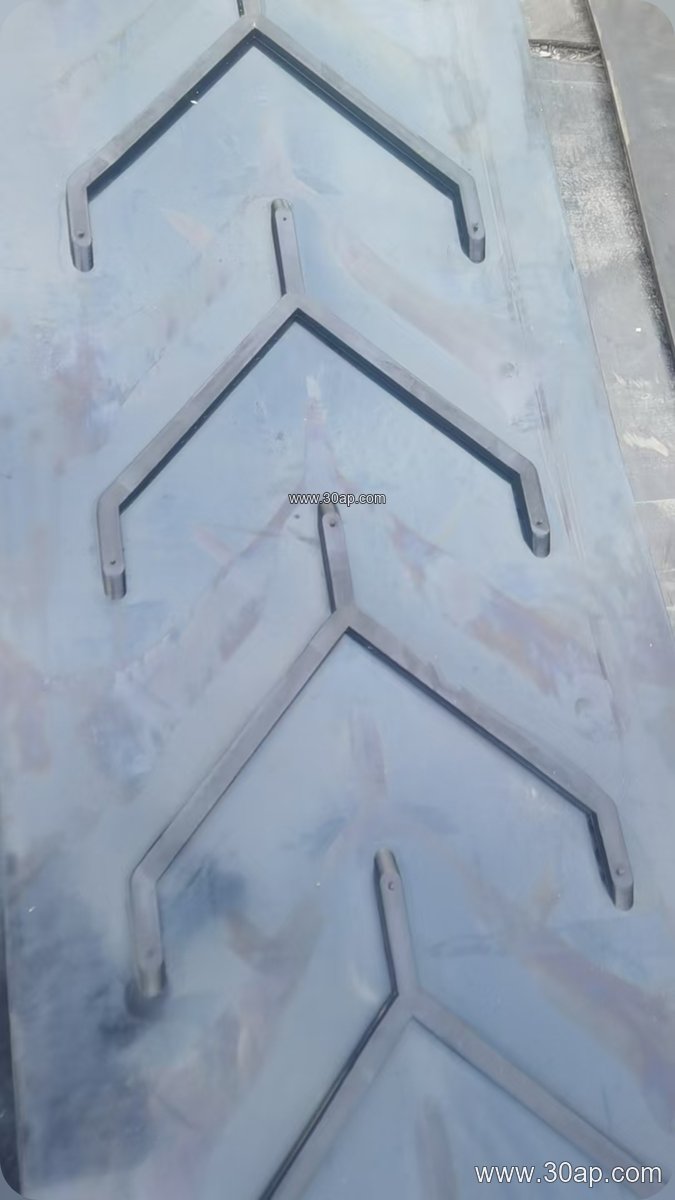
The NN100 conveyor belt is commonly found in industries such as mining, coal preparation, cement plants, power stations, and sand and gravel yards. In a quarry conveyor belt system, it can handle crushed stone and aggregate over moderate distances. In a cement plant, it may transport limestone, clinker, or additives. For coal mining conveyor belt applications, a flame retardant conveyor belt version of NN100 is often specified to meet underground safety requirements. The belt also appears in port conveyor lines, ship loading conveyors, and bulk material conveyor systems where the duty is not extremely heavy. It is less suited to very long, high-tension overland conveyors, where a high strength conveyor belt such as an NN200 or NN300, or a steel cord belt, would be more appropriate. Similarly, for hot materials like sinter or cement clinker, a heat resistant conveyor belt with special cover compound should be chosen rather than a standard NN100.
Selection and Maintenance Tips
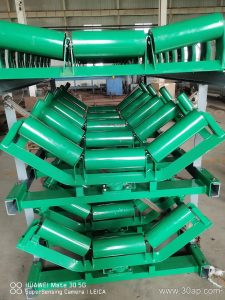
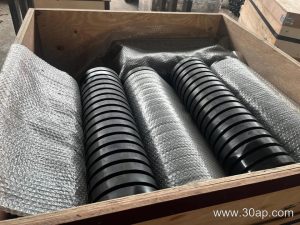
When selecting an NN100 conveyor belt, consider the material characteristics, lump size, loading impact, and environmental conditions. For abrasive materials like iron ore or copper ore, a high abrasion resistant conveyor belt cover is recommended. In cold climates, a cold resistant conveyor belt grade helps prevent cracking. For oily materials, an oil resistant conveyor belt compound protects the rubber from swelling. The pulley and idler roller arrangement also affects belt life: proper alignment of conveyor pulleys and free-turning idler rollers reduce edge wear and tracking problems. Conveyor brackets should be checked for corrosion and tightness. During operation, avoid over-tensioning the belt, as this can reduce splice life and cause ply separation. Regular inspection of the belt surface and edges helps detect early damage. The NN100 belt can be spliced using vulcanized or mechanical methods; the chosen method should match the belt construction and the required splice strength. For very wide belts, such as 1800 mm or 2000 mm, careful attention to carcass stiffness and pulley face width is necessary to maintain proper tracking.
Buyer Checklist
- Confirm the required belt width and number of plies based on the conveyor design.
- Specify cover thickness and rubber grade (abrasion, heat, oil, flame retardant) for the actual service conditions.
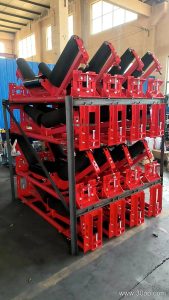
- Check compatibility with existing conveyor pulleys, idler rollers, and brackets.
- Decide between endless splicing and open-end supply, considering installation space.
- Ask for the manufacturer’s technical data sheet to verify the actual strength rating and cover properties.
An NN100 conveyor belt offers a balanced solution for many medium-duty conveying tasks. By matching the belt specification to the application and maintaining the conveyor components properly, operators can achieve dependable performance over the belt’s service life.