What a Mining Fire Resistant Conveyor Belt Is
A Mining Fire Resistant Conveyor Belt is a heavy-duty rubber belt engineered to resist ignition and limit flame spread in underground and surface mining operations. It is the same product often described as a fire resistant conveyor belt for mining duty, and it is usually specified alongside flame retardant properties and anti-static behavior rather than as a stand-alone feature. The belt carries coal, ore, rock, and other bulk materials while reducing the risk that a friction spark or overheated idler roller could start a sustained fire along the conveyor line.
How the Belt Is Built
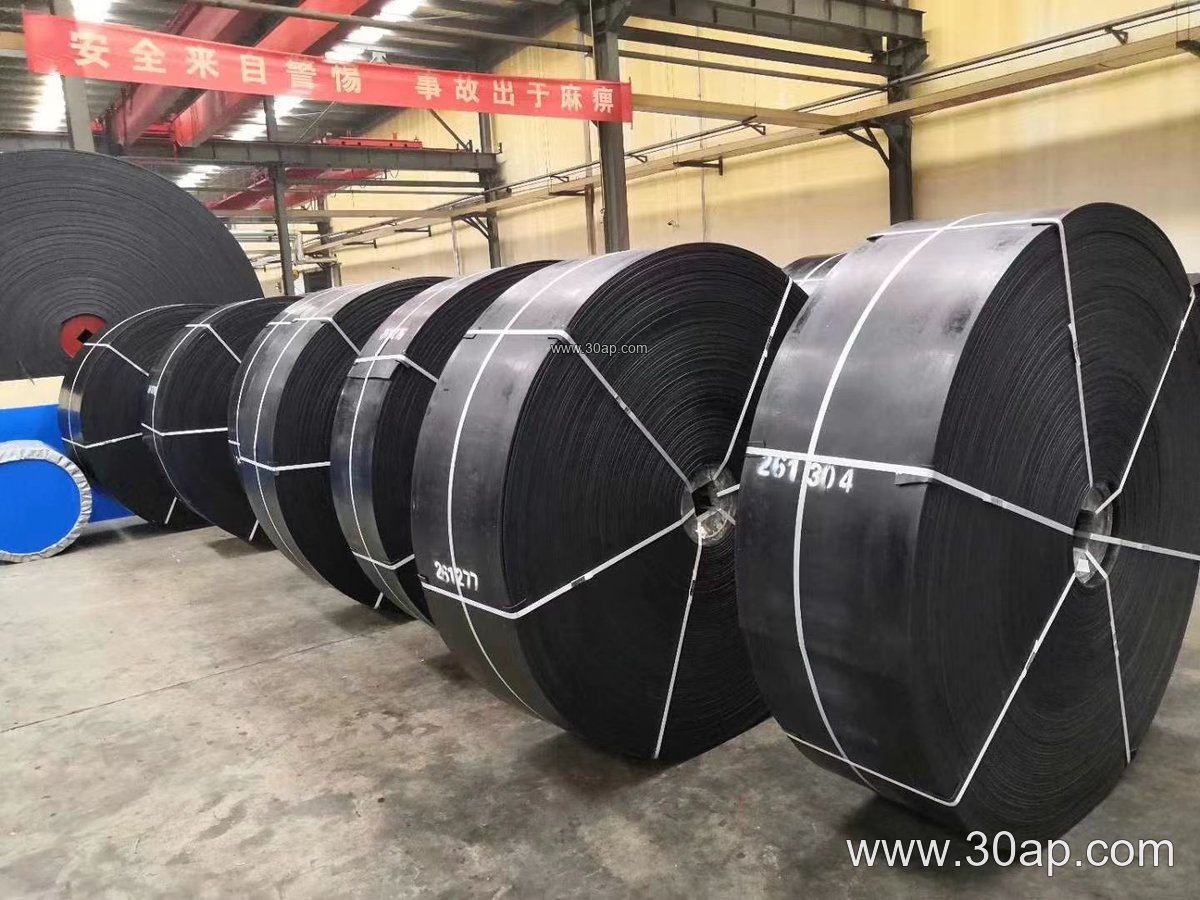
The construction combines a load-bearing carcass with rubber covers on both faces. The carcass may be fabric core, such as an EP Conveyor Belt or NN Conveyor Belt, or a Steel Cord Conveyor Belt for very long runs and high tension. Cover compounds are formulated with fire-retardant additives, and in underground coal service a PVG Conveyor Belt with a polyvinyl chloride cover is a common choice because it combines flame resistance with anti-static performance.
Typical construction details include:
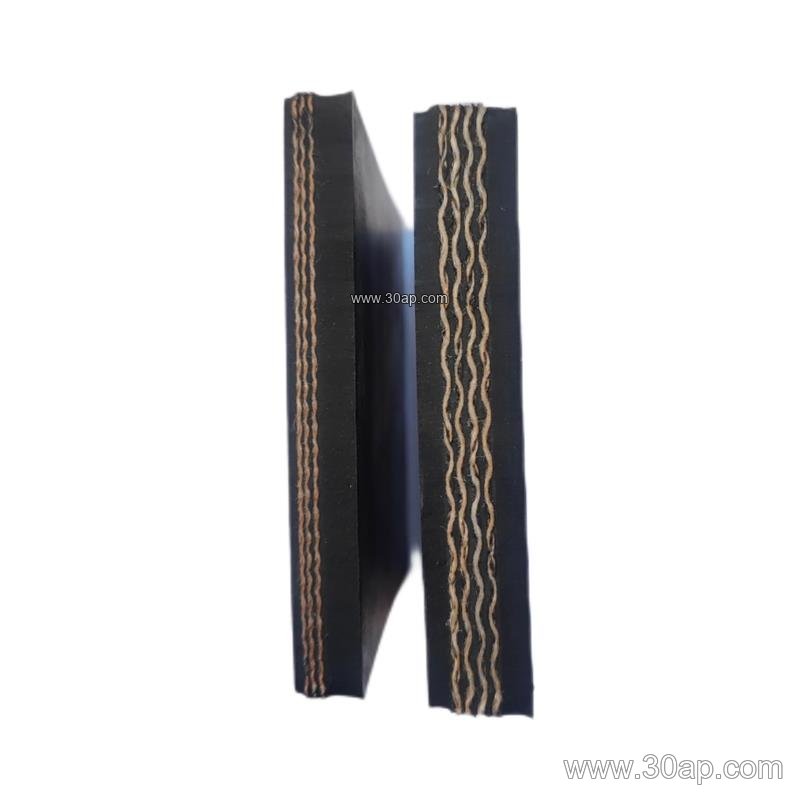
- Carcass: 2 to 6 fabric plies, or steel cord for high strength demand
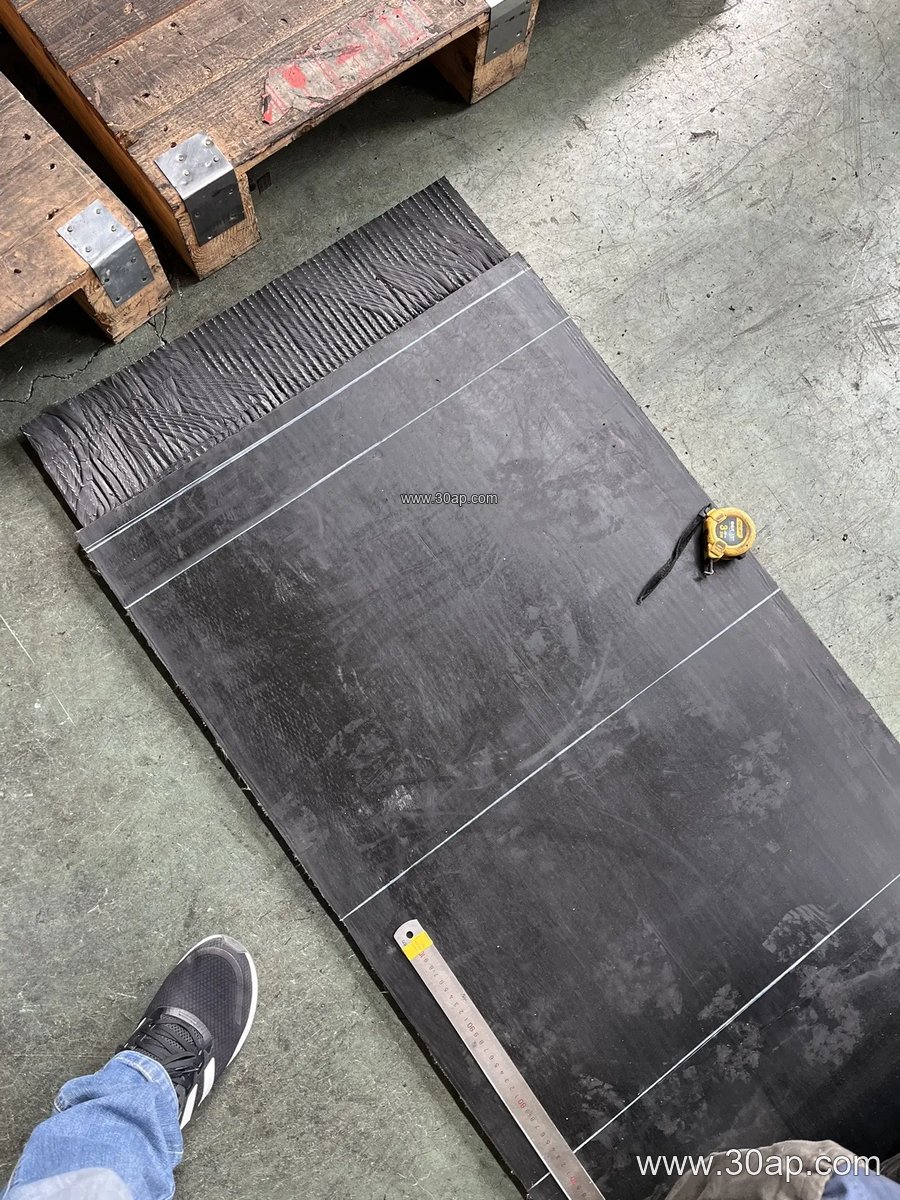
- Cover thickness: commonly 3+1.5, 4+2, 5+2, 6+2, or 8+3 mm, top and bottom
- Surface options: smooth, chevron, or corrugated sidewall forms where the application needs them
- Edge design: cut edge or molded edge depending on the manufacturer and belt type
Common Specifications
Strength grades and widths are selected from the conveyor design, not from a single fixed rule. The table below shows common reference values; actual supply depends on the manufacturer and the project specification.
| Parameter | Common Reference Range |
|---|---|
| Fabric strength grades | EP200, EP315, EP400, EP500, EP630, EP800, EP1000, EP1250, EP1600, EP2000 |
| Steel cord grades | ST1000, ST1250, ST1600, ST2000, ST2500, ST3150 |
| Belt width | B500, B650, B800, B1000, B1200, B1400, B1600, B1800, B2000 |
| Cover thickness | 3+1.5 mm up to 8+3 mm, by design |
| Carcass plies | 2 to 6 layers, typically |
Where It Is Used
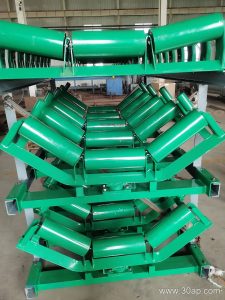
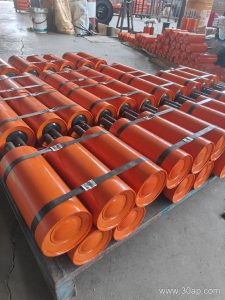
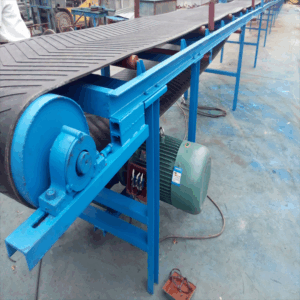
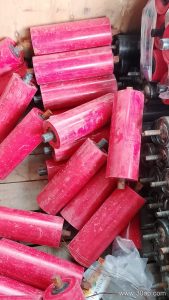
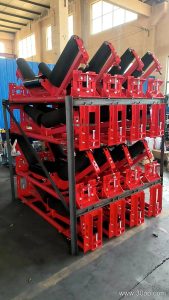
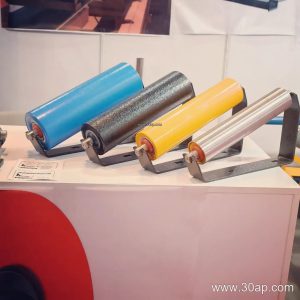
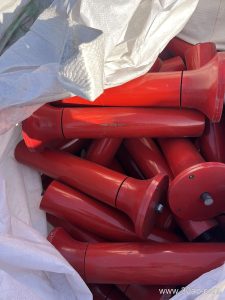
Fire resistance matters most in enclosed or poorly ventilated paths. Underground Coal Mining Conveyor Belt systems are the classic case, where the belt runs through drifts and transfer points with limited escape routes. The same belt family appears in coal preparation plants, cement plants, power plant coal yards, and quarry or aggregate operations where dust and friction are present. In a Coal Mining Conveyor Belt line, the belt works with conveyor pulleys, idler rollers, and conveyor brackets, and each component must be matched to the duty so that misalignment and rubbing do not undermine the belt’s safety margin.
Surface and long-haul installations may use a flame retardant conveyor belt with a fabric carcass, while high-tonnage iron ore or copper ore lines often favor a high strength conveyor belt with steel cord reinforcement. Where material is wet or sticky, a Chevron Conveyor Belt or Corrugated Sidewall Conveyor Belt can improve load retention on inclines, but these are separate design choices and not substitutes for fire resistance.
What Buyers Should Check
Purchasing decisions should start with the conveyor duty and the site’s safety requirements. Useful checks include:
- Confirm the required fire and anti-static performance with the site safety authority before ordering
- Match belt strength and width to the actual tension, tonnage, and pulley arrangement
- Verify cover thickness against abrasion and impact conditions at the loading point
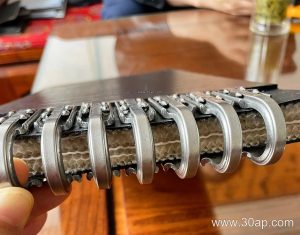
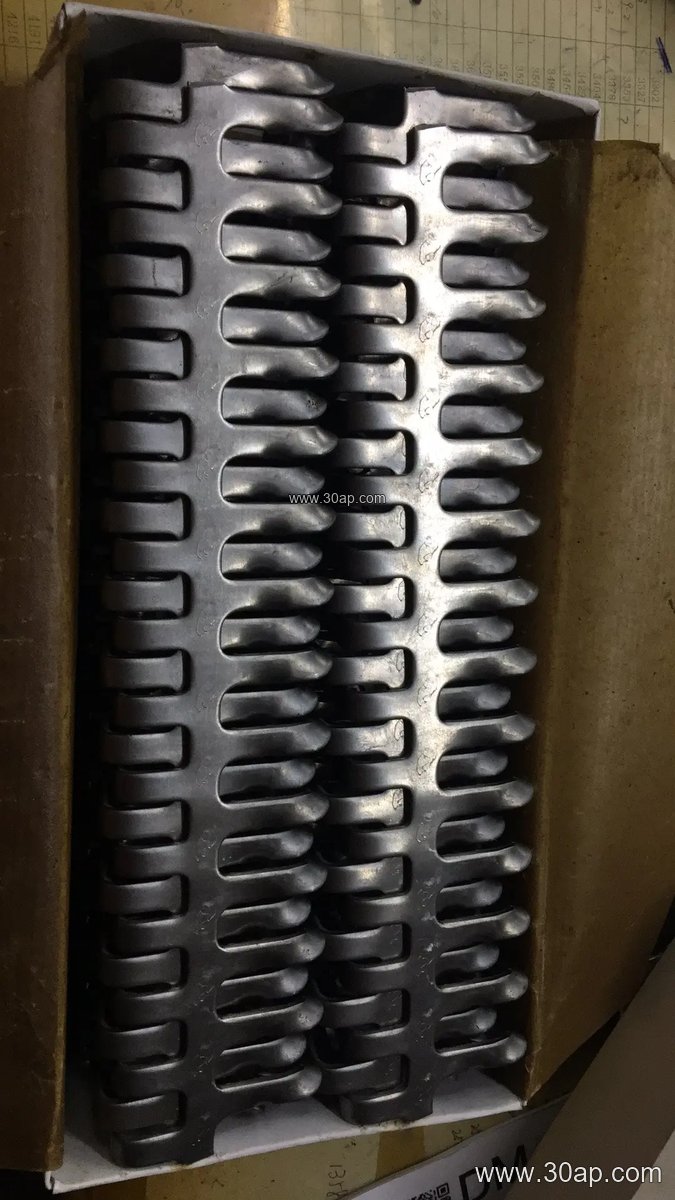
- Check splice method and whether an Endless Conveyor Belt is needed for the application
- Confirm compatibility with existing conveyor pulleys, idler rollers, and brackets
Maintenance also affects fire safety. Seized idler rollers, badly tracked belts, and worn skirts create heat and sparks. Regular inspection of the belt surface, edges, and splice areas, together with cleaning of spillage around the tail and bend pulleys, keeps a Mining Fire Resistant Conveyor Belt working as intended. For operators comparing options, a general abrasion resistant conveyor belt may handle wear well but will not replace fire-rated construction where the hazard exists.
Well-matched belts and components support safer conveying in mines, coal plants, cement works, power stations, and aggregate yards alike.