What a Conveyor Bracket Quotation Covers
A conveyor bracket quotation is a priced breakdown of the steel supports that hold idler rollers in position along a belt conveyor. When a quarry, coal preparation plant, cement works, or power station coal yard plans a new line or a refurbishment, the bracket package is often quoted separately from the belt and the pulleys. A clear quotation should state the bracket type, the belt width it suits, the trough angle, the roller diameter, the material and finish, and the quantity per conveyor.
Because brackets are made to match the frame, a buyer should treat each quotation line as a designed item rather than a catalogue part. The same B1000 frame may use different brackets at the loading point and along the carrying run.
How These Supports Are Built
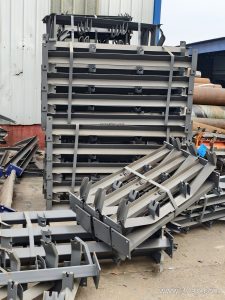
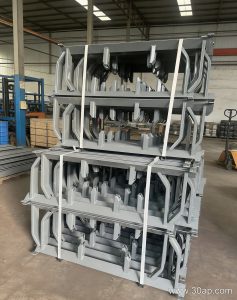
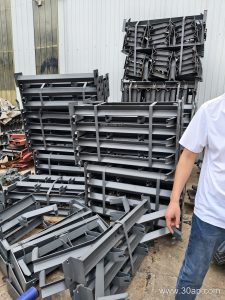
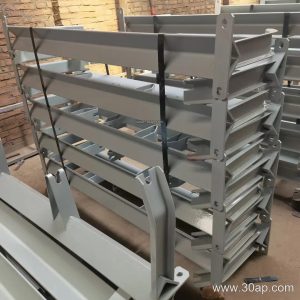
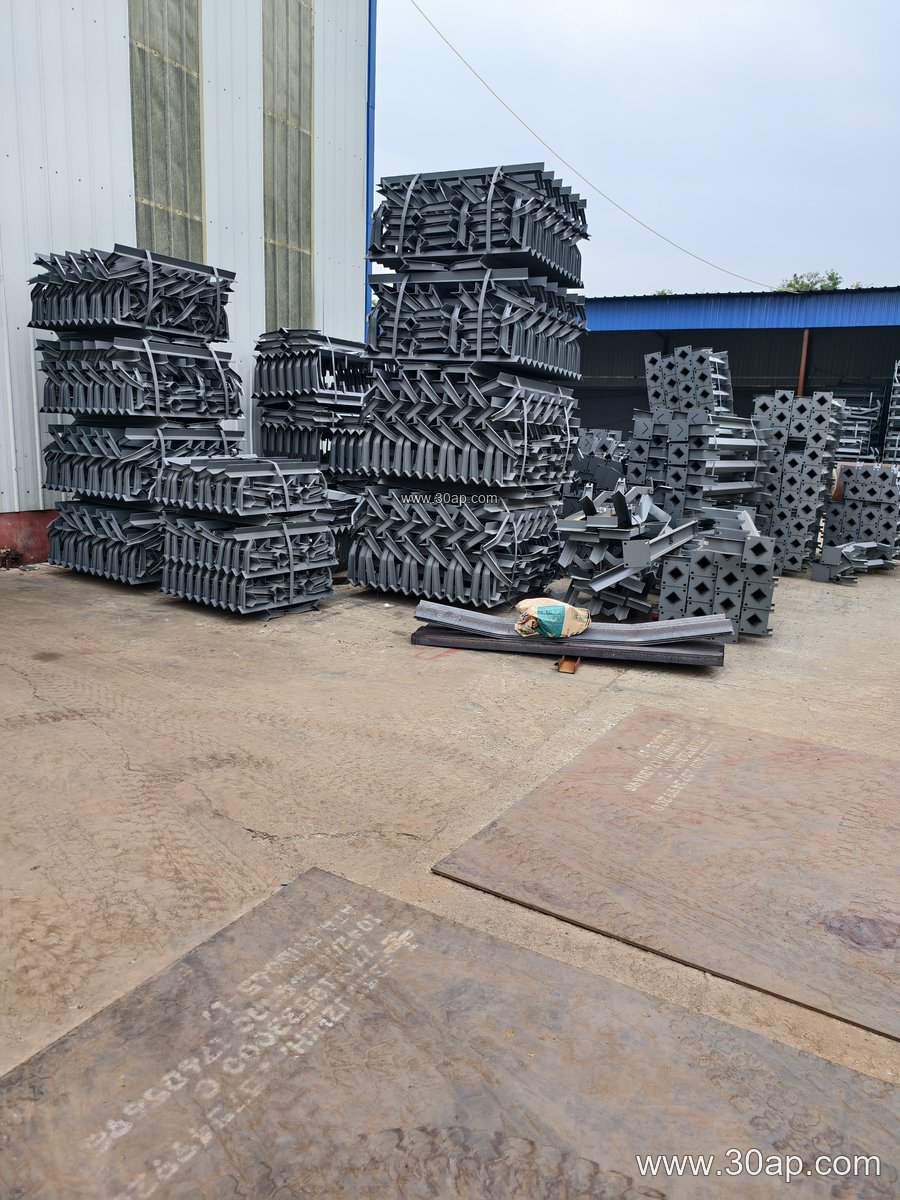
Most brackets are fabricated from angle steel, channel steel, or folded steel plate. The fabrication route affects both strength and price: folded plate generally gives a cleaner profile, while channel sections are common where stiffness matters. A quotation should identify the section used, the welding standard applied, and the surface treatment, whether painted, galvanized, or left bare for site coating.
Mounting hole spacing and crossbeam length change with belt width and trough angle, so they are normally confirmed against the drawing rather than assumed. A supplier who lists a single hole pitch for every width has probably not checked the design.
Main Bracket Types and Where They Sit
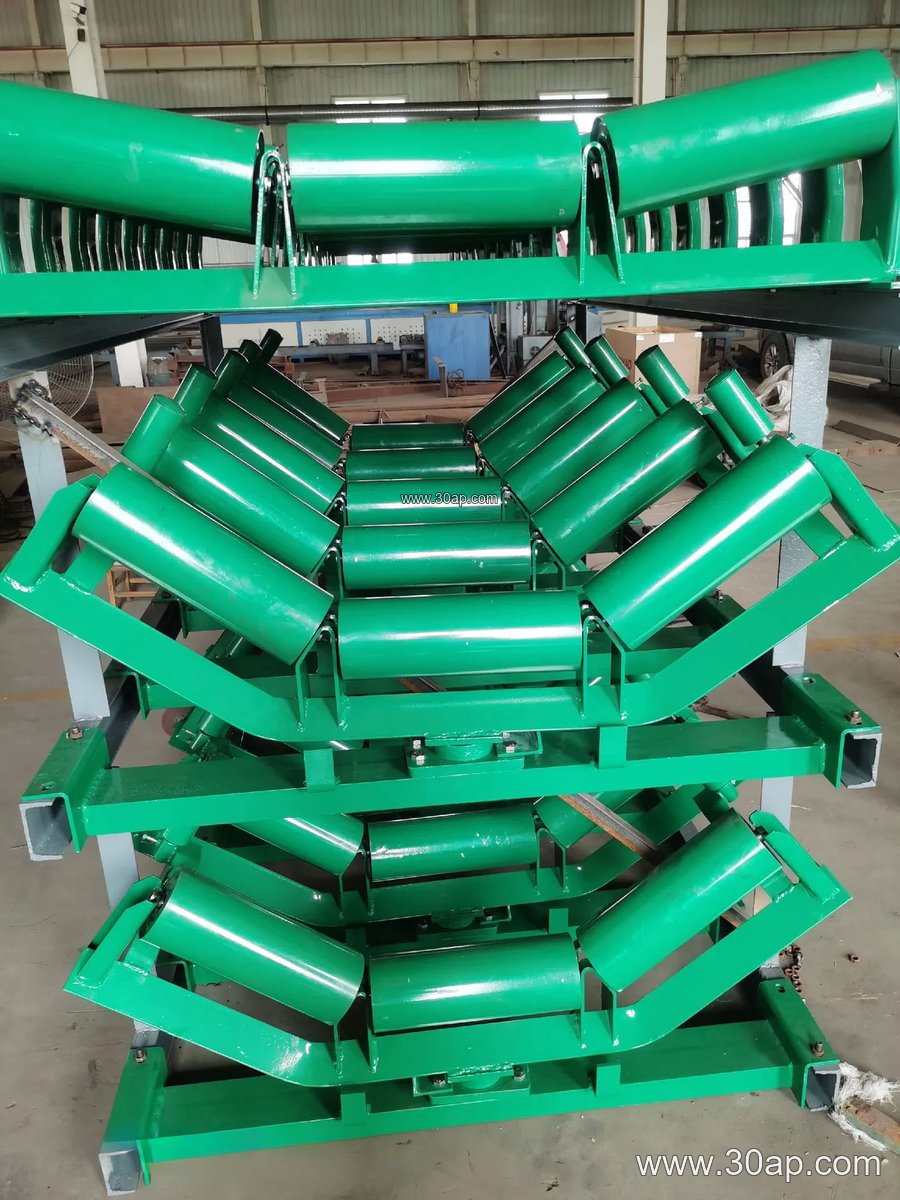
- Trough bracket (carrying side): sets the three-roller trough profile along the main run.
- Transition bracket: fitted near the head and tail to ease the belt from flat to troughed.
- Return bracket and V-return bracket: support the empty strand.
- Impact bracket: placed under the loading chute to absorb drop energy.
- Self-aligning bracket: corrects minor belt wander on long runs.
- Adjustable bracket: allows the trough angle to be changed on site.
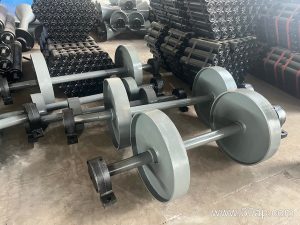
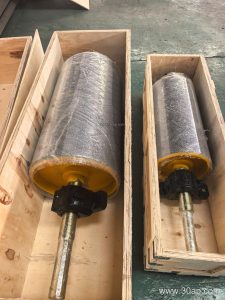
Drive, tail, and bend pulleys are separate assemblies and are not covered by a bracket quotation. If a project also needs pulley refurbishment, that belongs on a different line of the enquiry.
Matching Belt Width, Trough Angle and Roller Diameter
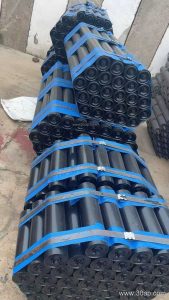
These three values are linked but not fixed to one another. Common combinations include B800 with a 35 degree trough and Ø108 rollers, B1200 with 45 degree troughs and Ø133 rollers, and B650 with 30 degrees and Ø89 rollers. Wider frames such as B1600 or B1800 usually carry larger rollers, yet the final choice depends on load, belt speed, and the conveyor design.
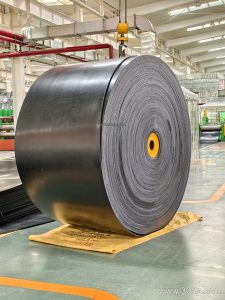
Adjustable brackets usually cover 20, 30, 35, and 45 degree settings, and forward-leaning types are commonly set at about 1.5 to 2 degrees. Belt construction matters too: a heavy-duty mining conveyor belt or a steel cord conveyor belt on an ore line will transfer different loads into the brackets than a lighter fabric core belt.
| Belt width | Typical trough angle | Common roller diameter |
|---|---|---|
| B500 / B650 | 20–30 degrees | Ø89 |
| B800 / B1000 | 30–35 degrees | Ø108 |
| B1200 / B1400 | 35–45 degrees | Ø133 |
| B1600 / B1800 | 35–45 degrees | Ø159 / Ø194 |
Values above are reference ranges only. Confirm every combination against the conveyor drawing before ordering.
Where the Brackets Are Used
In a limestone quarry or sand and gravel line, trough and impact brackets carry abrasive aggregate under the crusher feed. In a coal handling plant, flame retardant conveyor belt runs on brackets that must suit dusty, potentially explosive atmospheres. Cement plants and power station coal yards often combine adjustable brackets with self-aligning units on long inclined runs. The same family of parts appears in fertilizer plants and grain silos, where cleanliness and corrosion resistance may outweigh heavy-load capacity.
What to Check Before Accepting a Quotation
- Bracket type listed per position, not just a total weight.
- Belt width, trough angle, and roller diameter stated for each line.
- Steel section and surface treatment named.
- Drawing reference and hole spacing confirmed.
- Quantities split by conveyor and by carrying or return side.
- Spare and transition brackets priced separately.
A quotation that omits these details usually leads to site modifications later. Ask for a marked-up layout showing where each bracket type is installed, and check that the roller supplier’s shaft ends match the bracket slots. For related hardware, see the roller and pulley pages on the site, such as conveyor pulley and idler roller, alongside the bracket schedule.