What a Mining Impact Idler Does
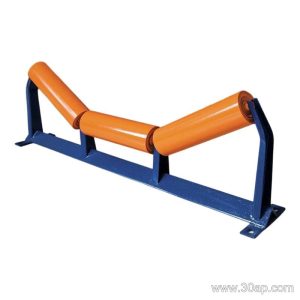
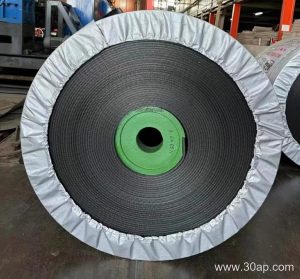
A mining impact idler is a heavy-duty roller assembly placed at the loading point of a belt conveyor, where coarse rock, ore, or aggregate drops onto the belt. Its job is to absorb the falling energy, protect the conveyor belt from cut-through and surface damage, and keep the belt line stable under repeated shock. In a quarry, an iron ore plant, or a crusher discharge, this impact roller often works alongside a rubber conveyor belt and standard carrying idlers, but its construction and placement are different from ordinary trough idlers.
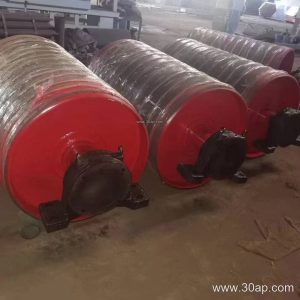
The product is also called an impact roller or buffer idler, and those equivalent terms refer to the same item. It should not be confused with a drive pulley, tail pulley, or bend pulley, which are conveyor pulleys at the ends or bends of the system. The impact idler sits in the carrying run, usually as part of a three-roll trough set, directly beneath the chute or transfer point.
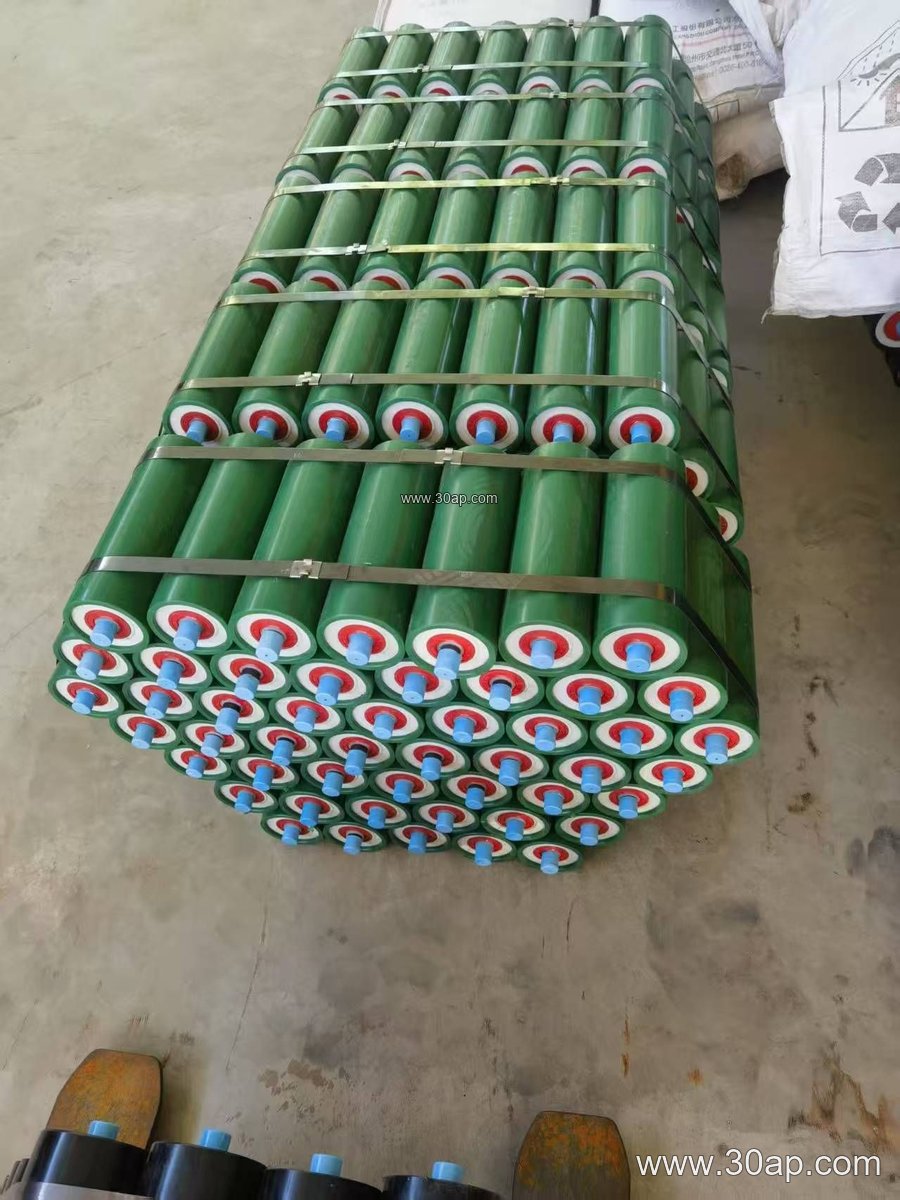
How the Idler Is Built
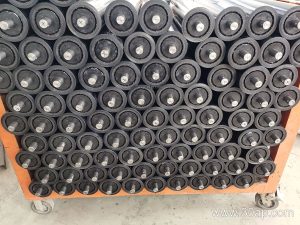
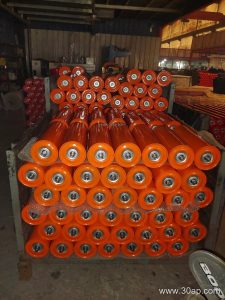
The frame follows a conventional idler roller pattern, but the roller shell and bearing arrangement are reinforced. Rubber rings or rubber discs are mounted on the steel shell to cushion the falling material; some designs use thick rubber tires, while others use a steel tube with a rubber covering. The shaft is supported by sealed bearings, commonly 6204, 6205, 6305, 6306, 6308, or 6310 depending on the load and roller diameter, and the seal package is chosen to keep out dust and fines. Roller diameters for impact service often range from Ø89 to Ø159, with larger diameters such as Ø178 or Ø219 used on wide, high-tonnage lines. The roller length follows belt width and trough form; for example, a three-roll trough set may use roughly 315 mm rolls on a B800 belt or 465 mm rolls on a B1200 belt, but these are common examples only and should be confirmed by the conveyor designer.
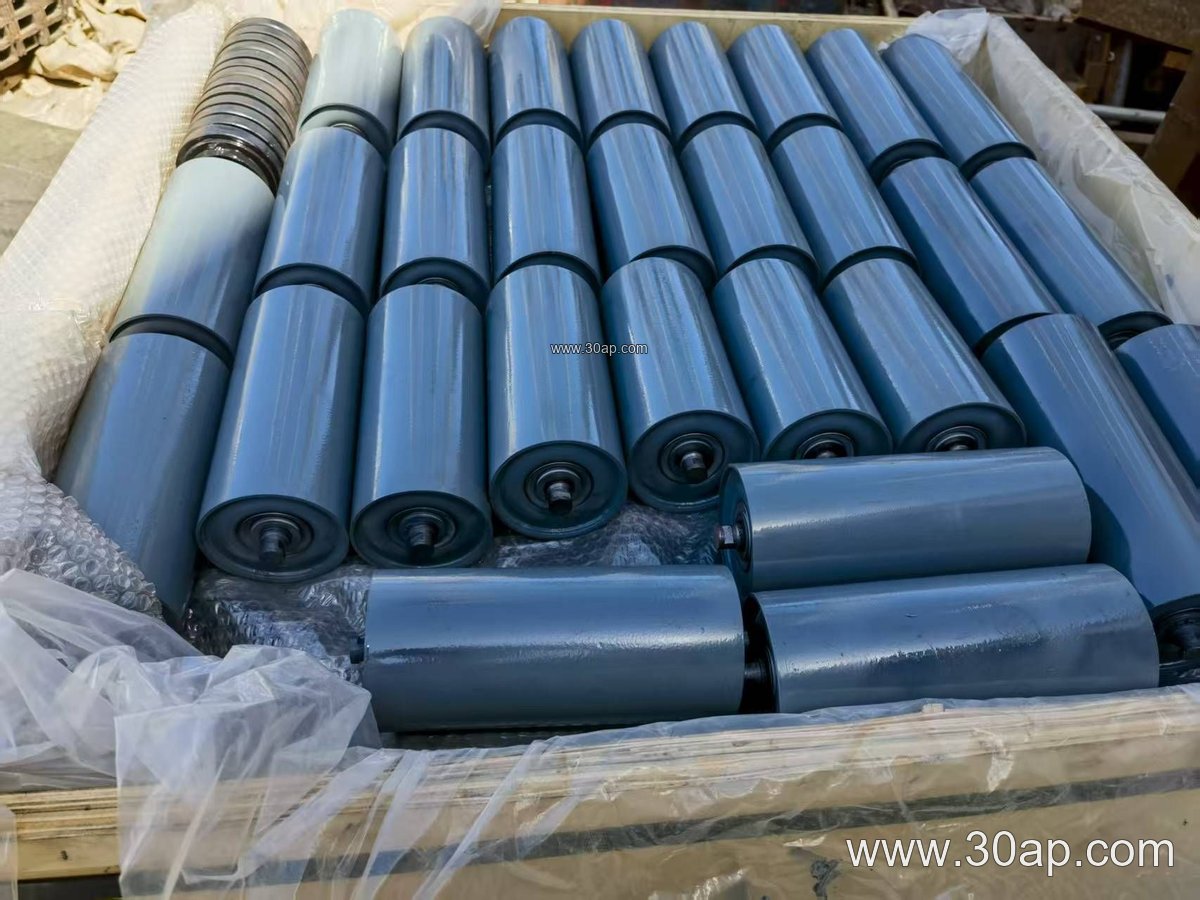
Common Reference Dimensions
| Item | Typical range or example |
|---|---|
| Roller diameter | Ø89, Ø108, Ø127, Ø133, Ø159, Ø178, Ø219 |
| Belt width | B500, B650, B800, B1000, B1200, B1400, B1600, B1800, B2000 |
| Trough angle | 20°, 30°, 35°, 45° |
| Roll set | single roll, two-roll, three-roll trough |
| Bearing | 6204, 6205, 6305, 6306, 6308, 6310 |
| Surface form | rubber ring, rubber disc, plain steel shell |
These values are reference data, not a fixed match. A B1000 belt may use different roller lengths and diameters depending on the trough angle, the idler frame, and the load. Do not assume that one belt width can only match one pulley diameter or one shaft size; the shaft is selected from the actual load and bearing series.
Where It Fits in the Conveyor
The most common location is the transfer point under a crusher, screen, or chute in a sand and gravel plant, a limestone quarry, or a coal preparation plant. The impact idler is installed in the first few idler positions after the loading point, sometimes with a transition idler before and after it to ease the belt into the trough. In a power plant coal handling system, the same roller protects the belt where coal drops from a feeder. In a cement plant, it handles clinker and raw material at the transfer tower. It is also used in port ship loading and tunnel spoil removal, where the belt receives a concentrated stream of heavy lumps.
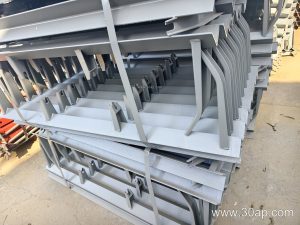
The idler works with the conveyor bracket and frame, and its height must match the adjacent carrying idlers so the belt does not step or pinch. A skirted conveyor belt or corrugated sidewall belt may need a different impact zone layout, but the impact idler remains the cushioning element under the load.
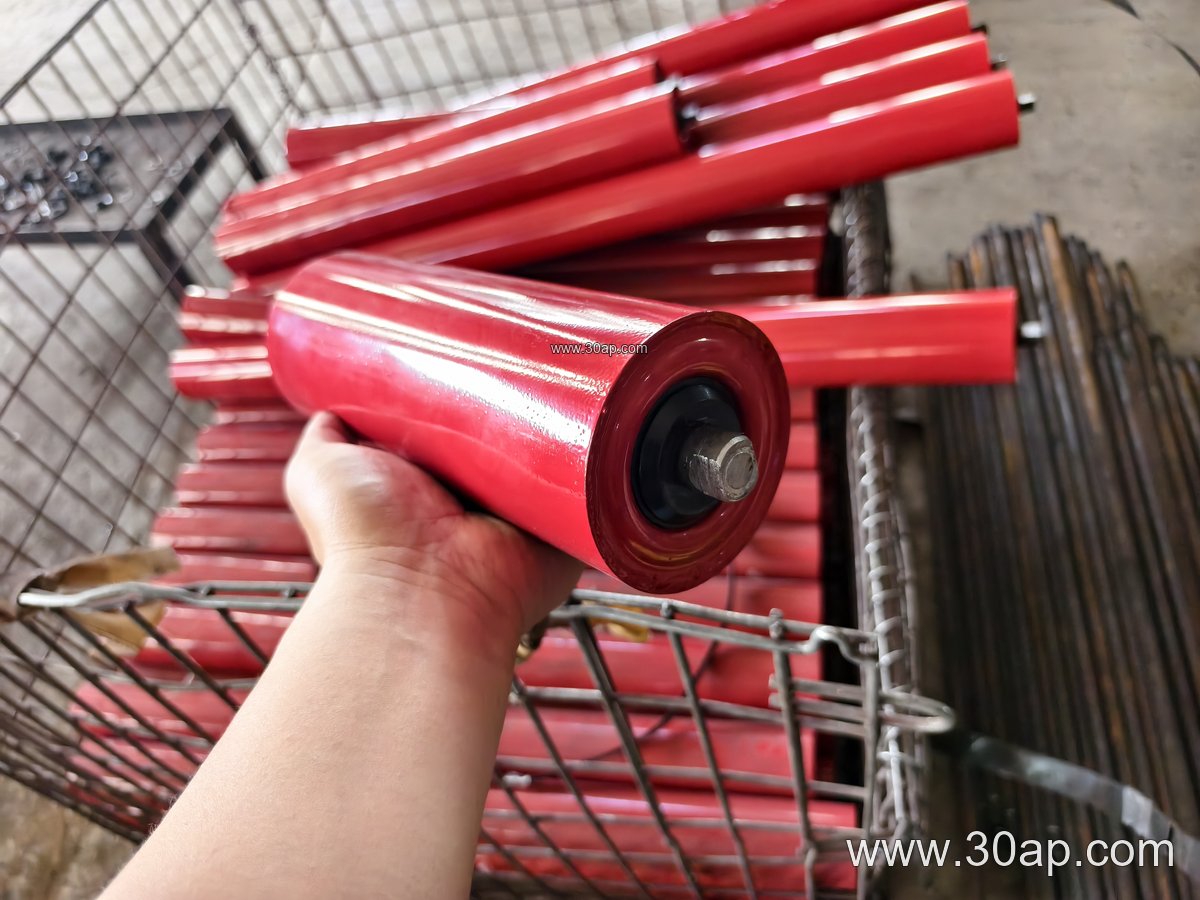
Selection and Maintenance Notes for Buyers
Buyers should provide the belt width, the trough angle, the lump size and drop height, the expected throughput, and the ambient conditions. For a coal mine, a flame retardant conveyor belt and anti-static properties may be required, and the impact idler should be selected with a compatible rubber compound. For an iron ore or copper ore line, abrasion resistant conveyor belt and high abrasion resistant roller covers are common. Heat resistant conveyor belt is relevant near sinter or clinker, while oil resistant conveyor belt is used where lubricants or oily material are present. In cold climates, a cold resistant conveyor belt may be paired with low-temperature bearing grease.
On the maintenance side, check the rubber rings for wear, cracking, or missing segments, and confirm that the roller turns freely. Seized bearings can flat-spot the belt and damage the conveyor pulley at the discharge end. Keep the impact zone clear of buildup, and replace worn rings before the steel shell is exposed. Spare idler rollers should match the original frame and shaft, not just the belt width. Finally, review the loading chute design; a well-centered stream reduces wear on the impact idler and extends the life of the mining conveyor belt.