What an Adjustable Conveyor Bracket Does
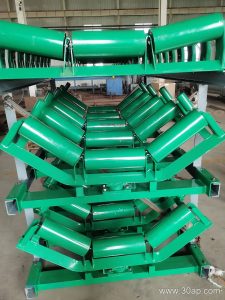
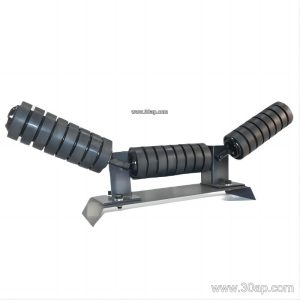
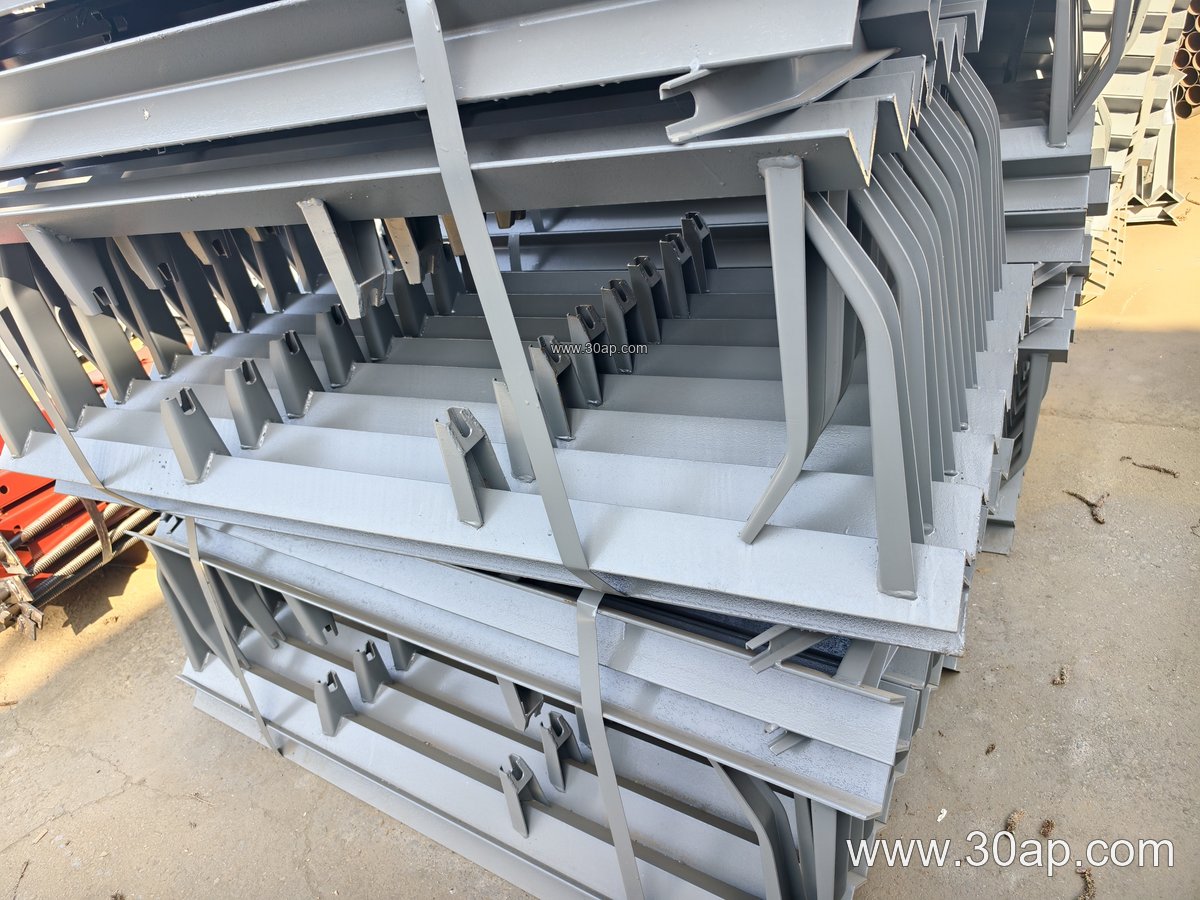
An adjustable conveyor bracket is the mounting component that holds idler rollers at a set position under the belt and lets maintenance teams change that position without replacing the frame. On a troughing station, the bracket carries the side rollers, and its slotted or pivoting design allows the trough angle to be set between common values such as 20, 30, 35 and 45 degrees. The same idea appears in training brackets, where a small rotation of the roller axis helps keep the belt centered.
In a quarry, a cement plant or a power plant coal yard, the bracket is a small part of a large system, but it decides how well the belt is supported. A correctly set bracket keeps the conveyor belt seated on the rollers, reduces edge wear and limits spillage at transfer points.
Construction and Mounting
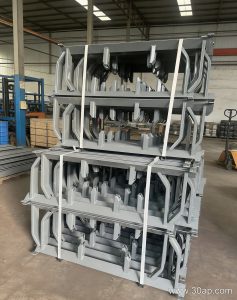
Most adjustable brackets are fabricated from angle steel, channel steel or folded steel plate, then drilled or slotted so the roller shaft can be repositioned. The bracket usually bolts to the conveyor stringer or cross beam. Because mounting hole spacing and beam length change with belt width and trough angle, these dimensions are normally confirmed against the actual frame drawing rather than taken from a catalog.
- Slotted side plates for trough angle adjustment
- Pivot or hinge points for belt training brackets
- Bolted clamps that lock the setting after alignment
- Galvanized or painted finish for dusty, humid sites
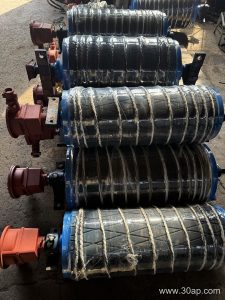
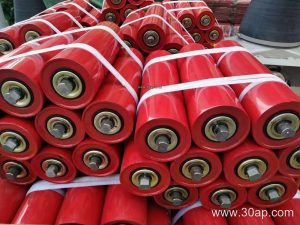
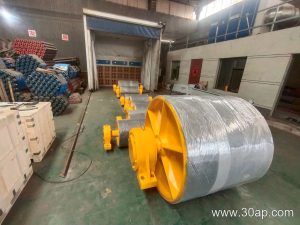
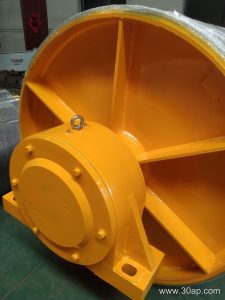
The bracket works together with the idler roller, the conveyor pulley at the head and tail, and the belt itself. A loose bracket shows up quickly as a wobbling roller or a wandering belt.
Where It Fits in the Conveyor Line
Troughing brackets sit on the carrying side, while return brackets support the belt on its way back. Transition brackets near the head pulley gradually change the belt from troughed to flat. Impact brackets with rubber rings are used under crusher discharge, and V-return brackets help center the belt on the return run. Each position has its own loading pattern, so the bracket type should match the duty.
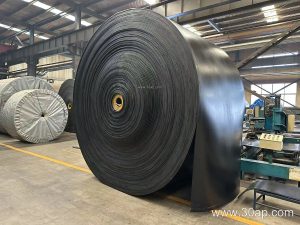
In a limestone mine or a sand and gravel line, a heavy-duty conveyor belt moving coarse rock needs stable brackets and well-seated rollers. In a coal washing plant, flame retardant conveyor belt and anti-static conveyor belt are common, and the brackets must tolerate fine wet dust. Food and fertilizer plants may use a food grade conveyor belt or an oil resistant conveyor belt, where easy cleaning around the brackets matters.
Matching Bracket, Belt Width and Roller Diameter
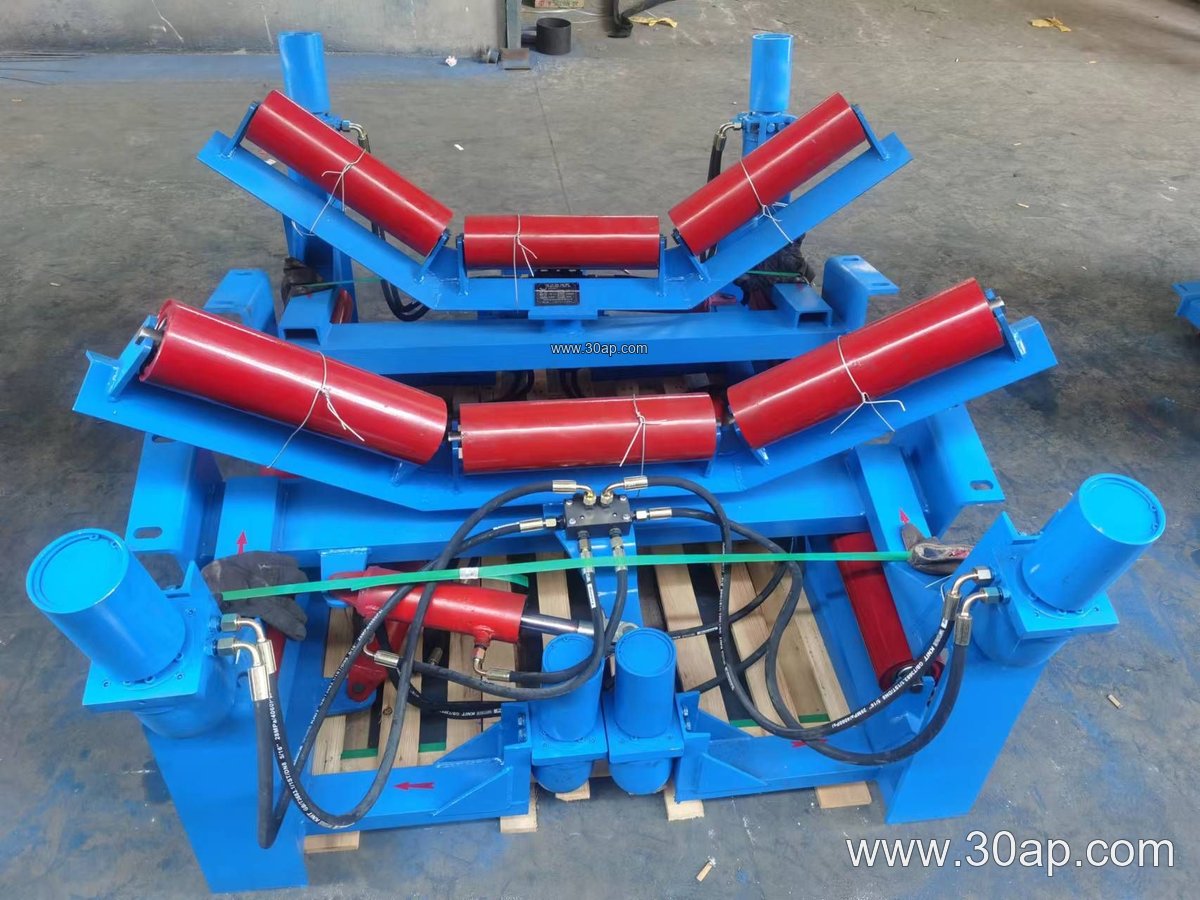
Belt width and roller diameter are related but not locked together. A B800 frame may run with Ø89 or Ø108 rollers depending on load and speed, and a B1200 conveyor might use Ø133 or Ø159. The bracket must be ordered for the actual combination, not for the belt width alone. The table below shows typical reference combinations; final values follow the conveyor design.
| Belt width | Typical trough angle | Common roller diameter | Bracket note |
|---|---|---|---|
| B500 | 20–30 degrees | Ø89 | Light duty, short centers |
| B650 | 30 degrees | Ø89–Ø108 | General bulk handling |
| B800 | 30–35 degrees | Ø108 | Common in aggregate plants |
| B1000 | 35 degrees | Ø108–Ø133 | Medium duty |
| B1200 | 35–45 degrees | Ø133 | Mining and port conveyors |
| B1400 | 35–45 degrees | Ø133–Ø159 | High tonnage lines |
| B1600 | 35–45 degrees | Ø159 | Heavy-duty mining conveyor belt |
| B1800 | 35–45 degrees | Ø159–Ø194 | Large transfer stations |
| B2000 | 35–45 degrees | Ø194 | Ore and overburden |
Forward tilt of about 1.5 to 2 degrees is often built into training brackets to encourage self-centering. This is a design choice, not a universal rule.
Buyer Checklist
Before ordering, confirm the belt width, the required trough angle range, the roller diameter and the shaft end type. Ask whether the bracket is for the carrying side, the return side or a transition zone. Check the mounting hole pattern against the existing stringer, and confirm the material and finish for the site conditions. For a steel cord conveyor belt or a high strength conveyor belt running at high tension, bracket rigidity matters more than on a light fabric core conveyor belt line.
Spare brackets are cheap insurance. Keeping a few sets on hand at a crusher station or a ship loading conveyor reduces downtime when a roller seizes. For related components such as the conveyor pulley, idler roller and conveyor bracket assemblies, match the bracket to the frame rather than forcing a fit.