What a Conveyor Equipment Idler Does
A conveyor equipment idler is the rotating roller assembly that supports the conveyor belt along its carrying and return runs. It is not a drive component; the pulley at the head end pulls the belt, while the idlers merely carry it, keep it shaped, and reduce friction between the belt and the frame. In a quarry, a cement plant, or a power plant coal yard, dozens to hundreds of idlers sit under one belt, so their condition directly affects power draw, belt life, and spillage.
The idler is a simple product in principle: a roller shell, a shaft, bearings, and a sealing arrangement. In practice, small differences in shell thickness, bearing fit, and seal quality decide whether the roller runs for years or seizes within months.
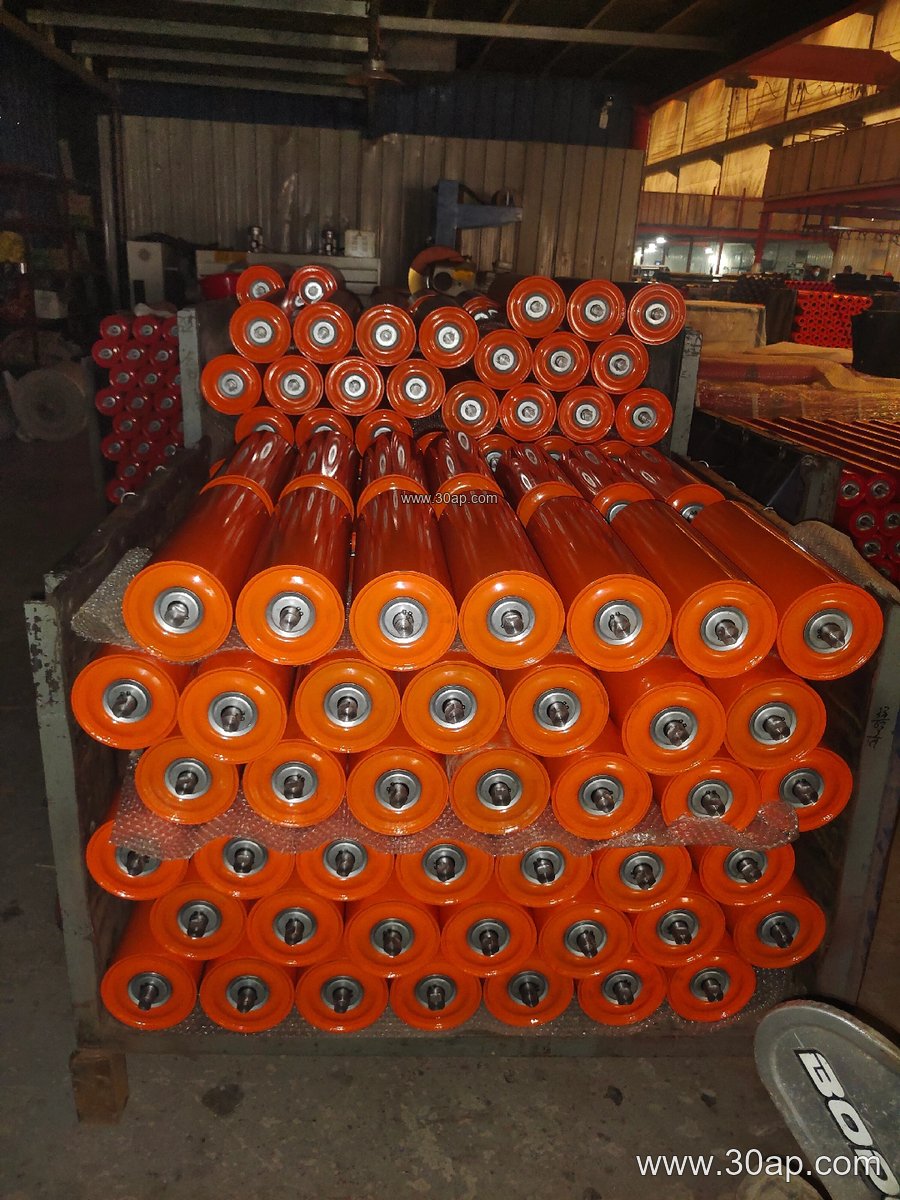
How an Idler Roller Is Built
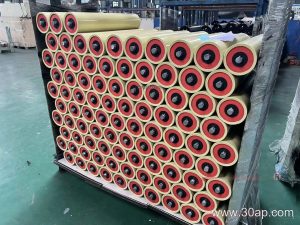
Most units use a steel tube shell with machined bearing housings at each end. The shaft is fixed to the conveyor bracket, and the shell rotates around it on deep-groove ball bearings. Common bearing sizes include 6204, 6205, 6305, 6306, 6308, and 6310; the correct bearing depends on load and roller diameter, never on belt width alone.
Roller diameters are usually chosen from a standard range such as Ø63, Ø76, Ø89, Ø102, Ø108, Ø127, Ø133, Ø159, Ø178, Ø194, and Ø219 mm. Larger diameters suit higher belt speeds and heavier loads, while smaller rollers keep the belt close to the frame in tight transfer points.
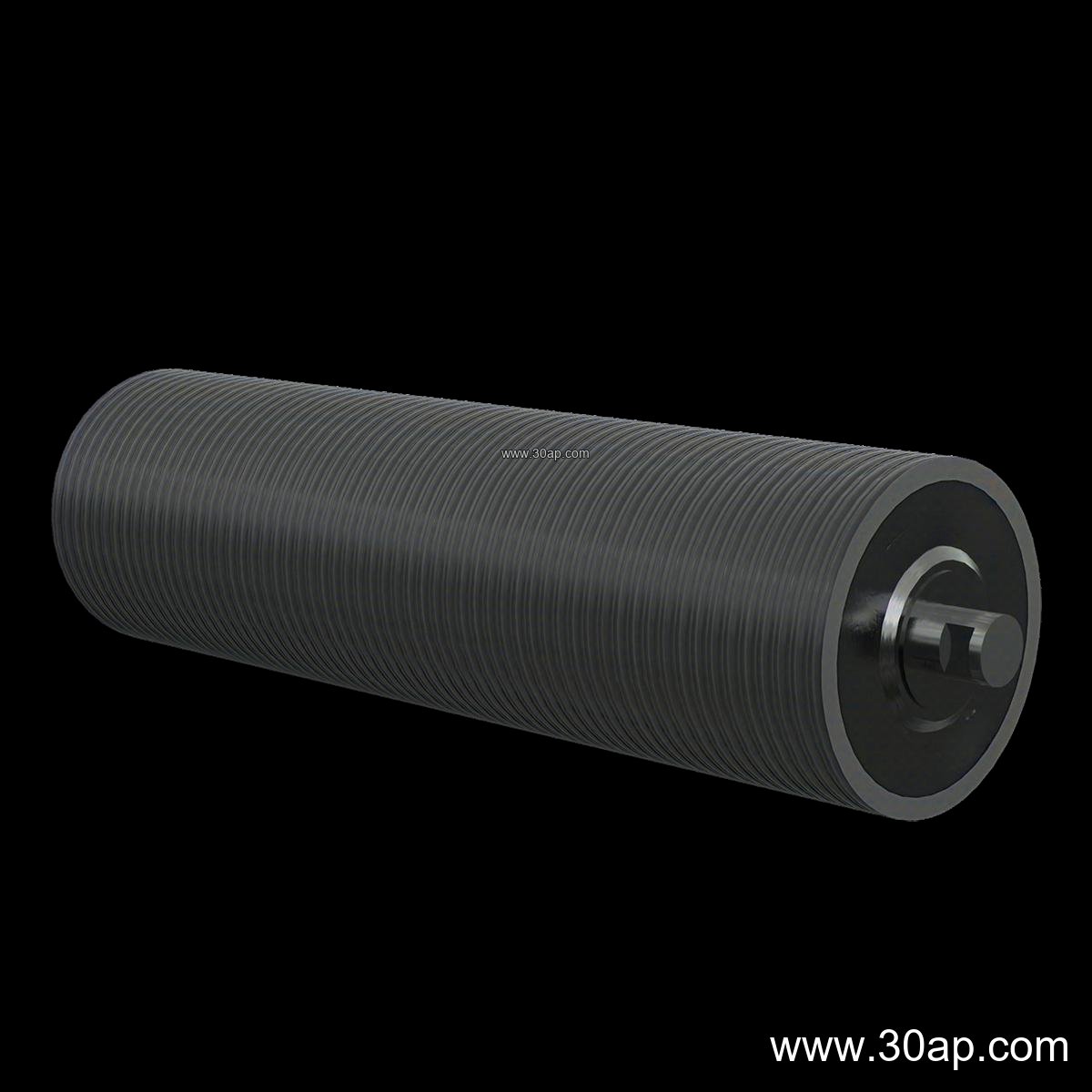
Surface options change with duty. Steel shells are the default. Rubber rings are added at loading points to absorb impact. Nylon and ceramic covers are used where sticky material builds up or wear is aggressive. Sealing is the quiet hero: a good labyrinth seal keeps dust out of the bearing in stone crushing and aggregate lines.
Common Idler Types and Where They Sit
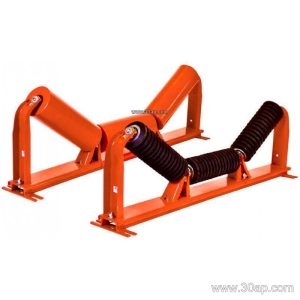
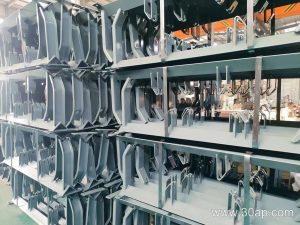
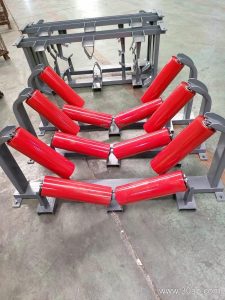
The carrying side normally uses three-roll troughing sets at a trough angle of 20, 30, 35, or 45 degrees. A single-roll or two-roll arrangement appears on narrow belts and special transfers. On the return side, flat return rollers or V-shaped return sets support the empty belt.
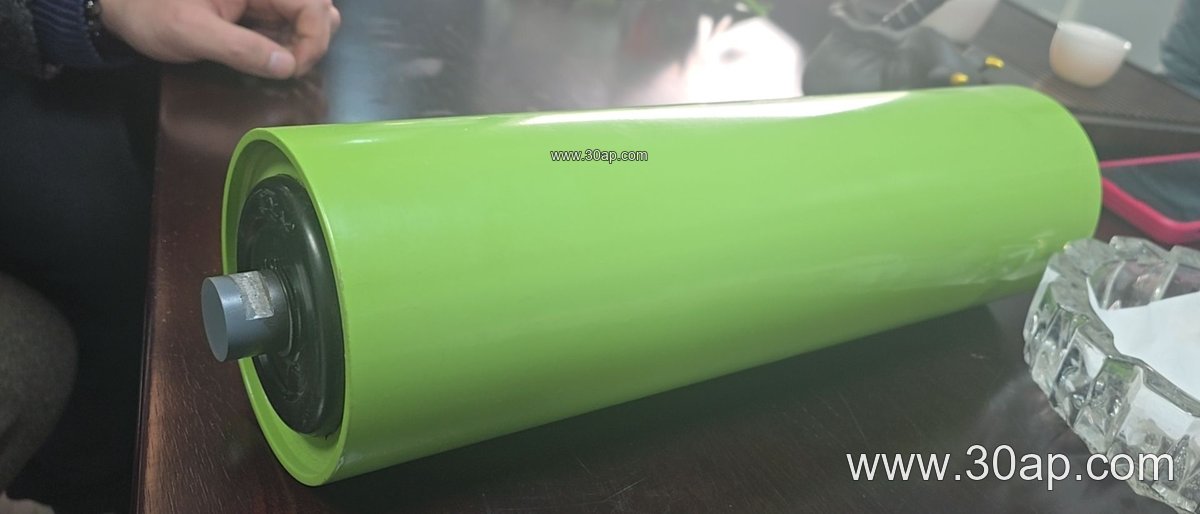
- Troughing idler — the main carrying support, usually in three-roll form.
- Impact idler — rubber-ring version placed under the loading chute.
- Transition idler — bridges the change from flat to troughed profile near pulleys.
- Self-aligning idler — friction or tapered design that corrects belt drift.
- Spiral idler — helps shed sticky material on the return run.
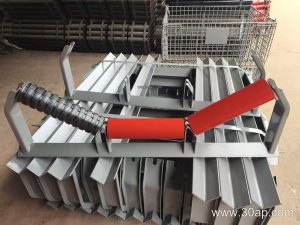
- Comb idler — used where fines need to fall through rather than build up.
Roller length follows belt width, trough angle, and roll configuration. Common three-roll examples are about 200 mm for B500, 250 mm for B650, 315 mm for B800, 380 mm for B1000, 465 mm for B1200, 530 mm for B1400, 600 mm for B1600, 670 mm for B1800, and 750 mm for B2000. Side rolls and center rolls can differ, so these are references, not fixed matches.
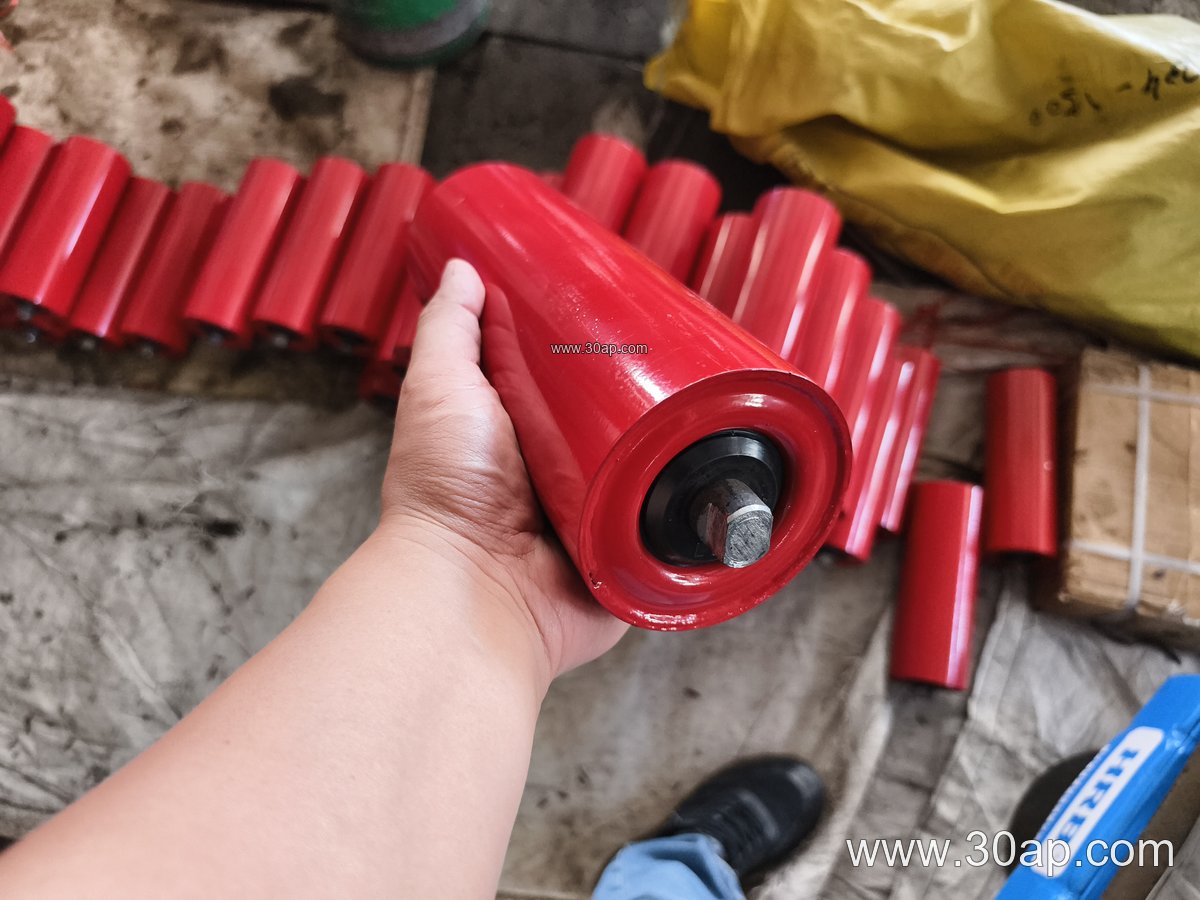
Matching Idlers to the Conveyor and Belt
The belt and the idler work as a pair. A heavy-duty mining conveyor belt carrying ore at high speed needs larger rollers and robust bearings, while a lighter aggregate conveyor belt may run well on Ø89 or Ø102 mm units. Trough angle affects material containment: 35 degrees is common in bulk handling, 45 degrees helps on high-capacity lines, and 20 degrees suits wider, flatter belts.
Belt construction matters too. A steel cord conveyor belt is stiff and tolerates wider idler spacing, while a fabric core conveyor belt, including EP conveyor belt and NN conveyor belt grades, may need closer support to avoid sag. Heat resistant conveyor belt and flame retardant conveyor belt used in underground coal mining conveyor belt systems usually come with matching idler specifications for the same environment.
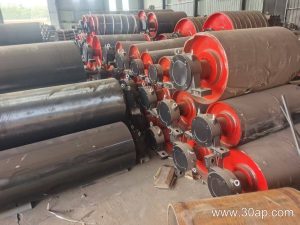
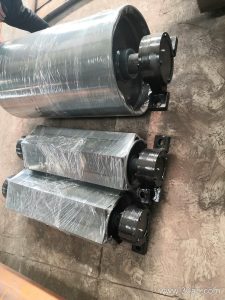
Spacing is set by belt sag limits, not by a single rule. Transition zones near the conveyor pulley need shorter spacing and sometimes transition idlers to avoid edge stress.
Buyer Checklist
- Confirm belt width, trough angle, and roll configuration before ordering.
- Match roller diameter to load and speed, and check shaft and bearing fit.
- Ask about seal type and shell wall thickness, especially for dusty sites.
- Use impact idlers under chutes and self-aligning idlers on long runs.
- Keep a spare set of the most-used sizes to reduce downtime.
For buyers sourcing through a conveyor equipment idler supplier, the practical test is simple: a roller that turns freely by hand, seals properly, and fits the bracket without shimming will usually serve well. Details such as bearing size, tube thickness, and surface form are worth confirming in writing before the order ships.