What the NN300 Conveyor Belt Is
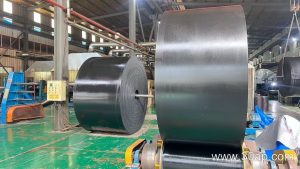
The NN300 conveyor belt is a nylon fabric core belt with a nominal tensile strength of 300 N/mm. In the NN series, the double N stands for nylon warp and nylon weft, giving the carcass high strength and good fatigue resistance. This belt sits in the middle of the NN range, above NN200 and below NN400, and is often chosen for main haulage lines where a balance between strength and flexibility matters. It is a fabric core conveyor belt rather than a steel cord design, so it handles smaller pulley diameters more easily and resists repeated flexing on long routes.
Construction and Materials
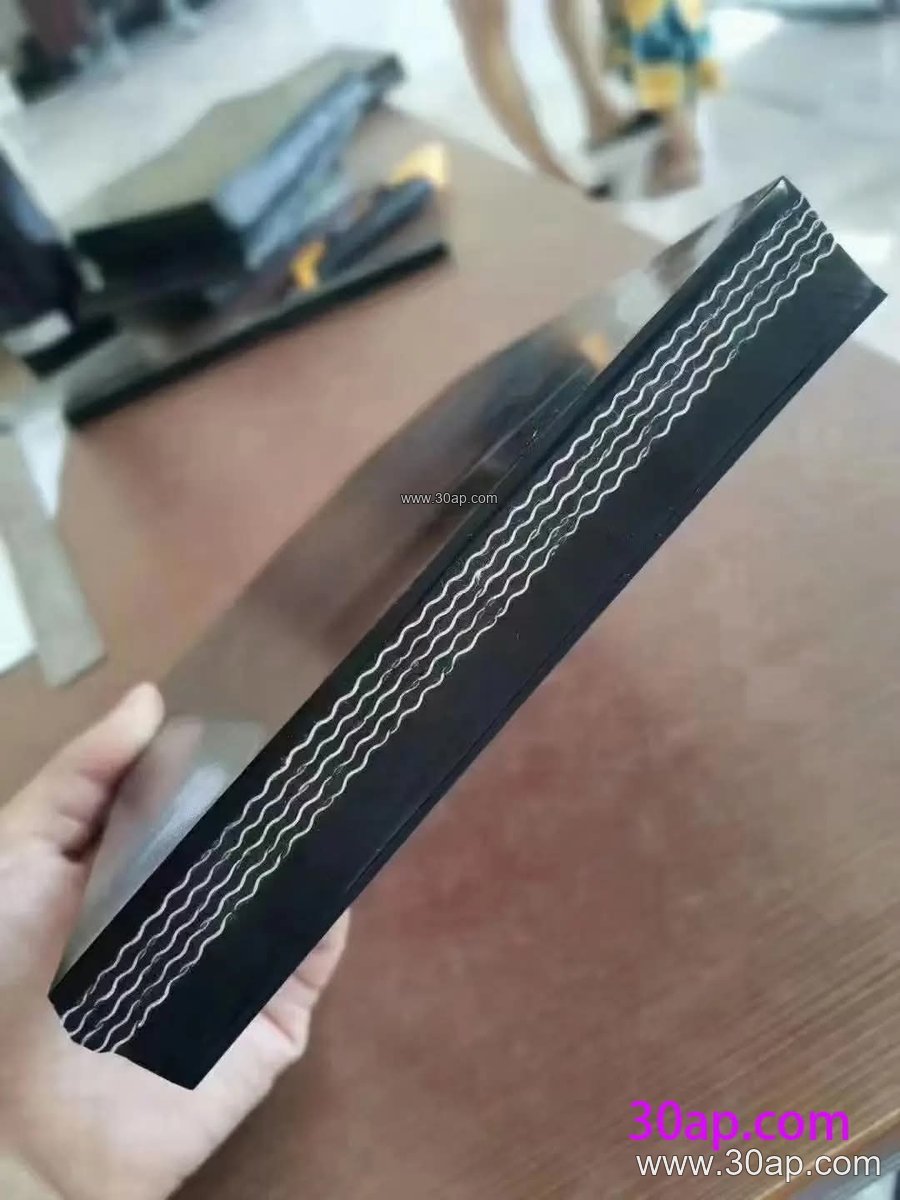
A typical NN300 belt uses multiple plies of nylon fabric embedded in rubber. The cover rubber protects the carcass from abrasion, impact and moisture, while the skim rubber between plies keeps the layers bonded. Buyers can specify cover grades for different duties, such as abrasion resistant, heat resistant, oil resistant or flame retardant, depending on the site. The belt is usually produced with cut edges or moulded edges, and the number of plies is selected by the manufacturer according to the required strength and load. Common cover thickness combinations include 4+2 mm, 5+2 mm and 6+2 mm, though the final construction is confirmed by design.
Where It Fits in a Conveyor System
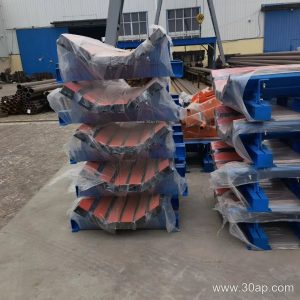
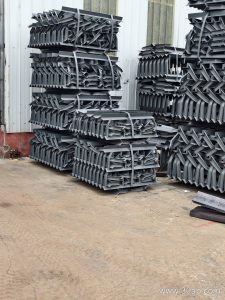
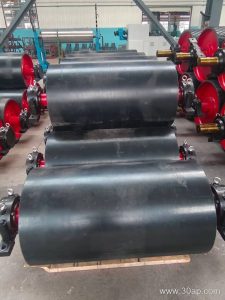
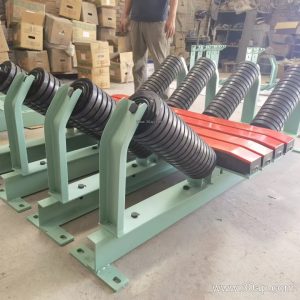
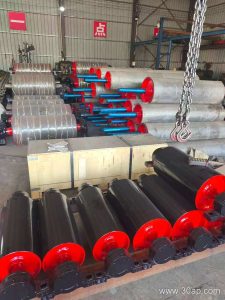
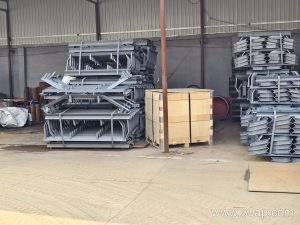
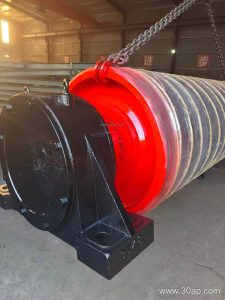
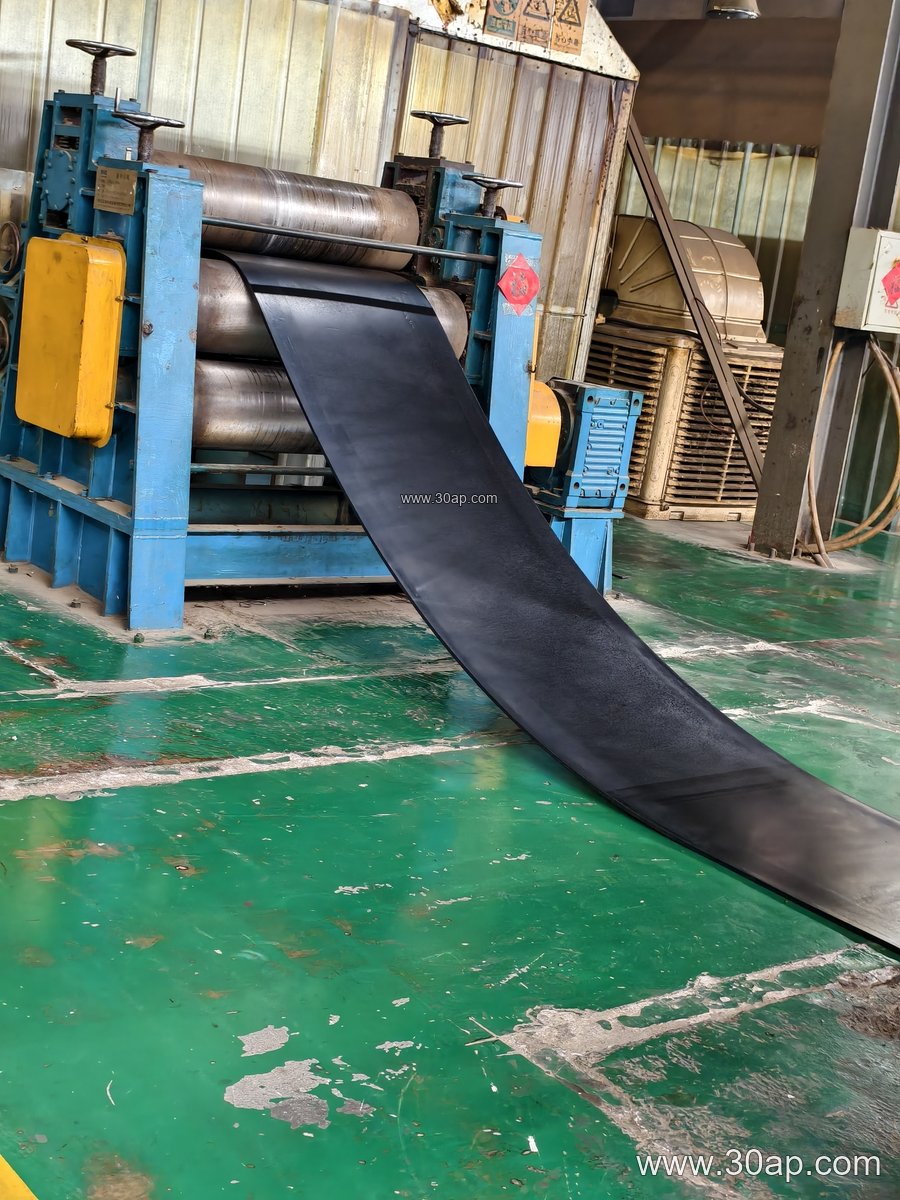
The belt runs over drive pulleys, tail pulleys and bend pulleys, and is supported by idler rollers and conveyor brackets along the route. The drive pulley transmits motion, the tail pulley returns the belt, and bend pulleys guide the path around curves or inclines. Because the NN300 is flexible, it can work with relatively small pulleys without over-stressing the carcass. It is common in mining, coal preparation, cement plants, power stations, quarries and sand and gravel yards, where it carries crushed rock, clinker, coal, ore and other bulk materials. In dusty or wet conditions, a rubber conveyor belt with adequate cover quality helps keep the system running.
Common Specifications
The table below lists typical reference values for NN300 belts. Actual values depend on the manufacturer and the application, so they should be treated as a starting point for discussion rather than a fixed supply promise.
| Property | Typical Reference |
|---|---|
| Belt type | NN300 (nylon fabric core) |
| Nominal strength | 300 N/mm |
| Width range | B500 to B2000 (e.g. 650 mm, 800 mm, 1000 mm, 1200 mm, 1400 mm) |
| Number of plies | Usually 2 to 6, depending on design |
| Cover thickness | Common 3+1.5 mm, 4+2 mm, 5+2 mm, 6+2 mm, 8+3 mm |
| Cover grades | Abrasion resistant, heat resistant, oil resistant, flame retardant, anti-static |
For comparison, an EP conveyor belt uses polyester warp and nylon weft and often has lower stretch, while a steel cord conveyor belt is used for very high tensions and long overland routes. The NN300 remains a practical choice for medium-duty and heavy-duty fabric core applications.
Selection and Use Notes
- Match the belt strength to the calculated tension, not just to the tonnage. A belt that is too weak for the drive will stretch and fail early.
- Check pulley diameters and idler spacing with the belt manufacturer. A flexible nylon carcass tolerates smaller pulleys, but the minimum diameter still depends on the number of plies and the cover.
- Choose the cover grade for the environment: heat resistant for clinker and sinter, oil resistant for recycled materials, flame retardant for underground coal mining, and abrasion resistant for sharp rock.
- Keep the belt aligned. Misaligned idler rollers and worn conveyor brackets can cause edge damage and shorten belt life.
- Store belts in a dry, shaded place and avoid sharp bends during installation.
For more information on NN conveyor belts, rubber conveyor belts, idler rollers and conveyor pulleys, contact the supplier with your duty conditions and conveyor layout. At chinabeltconveyor.com, we can help you review belt width, ply count and cover grade for your project. You can also find related equipment at idler-roller.com and conveyor-pulley.com.