What a Conveyor Bracket Assembly Does
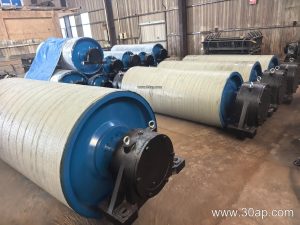
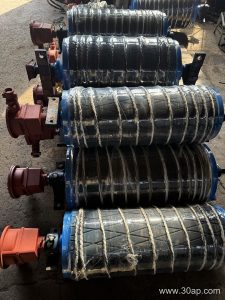
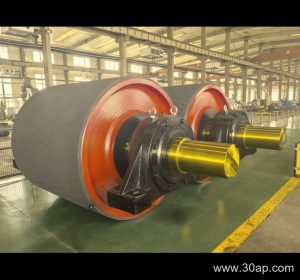
A conveyor bracket assembly is the structural interface that holds idler rollers in the correct position under and along the conveyor belt. It is not a single part but a welded or bolted frame that combines crossbeams, mounting plates, and angle adjustments into one installable unit. In a quarry or a coal handling plant, these assemblies keep the belt profile stable from the loading point to the discharge pulley. The assembly works together with the conveyor pulley, idler roller, and conveyor belt to maintain trough shape and alignment.
How the Assembly Is Built
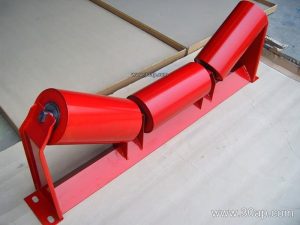
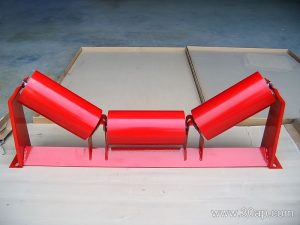
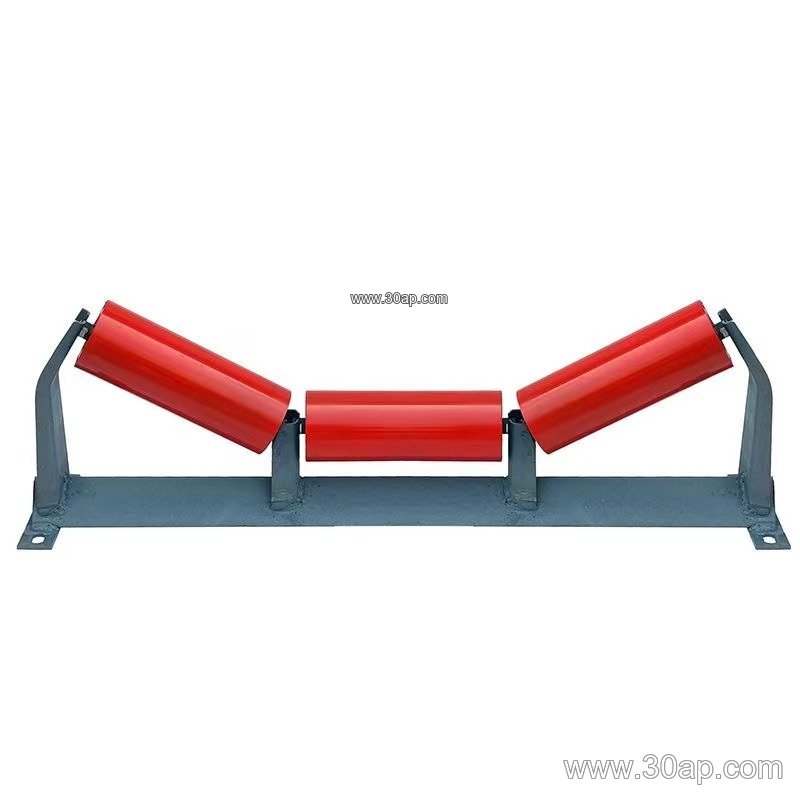
Most assemblies are fabricated from angle steel, channel steel, or folded steel plate. The frame is cut, drilled, and welded to match the belt width and trough angle required by the conveyor design. Mounting slots allow the idler roller to sit at the correct height and angle. Some designs include a pivoting base for self-aligning action, while others are fixed. The assembly may be supplied with or without rollers, depending on the project. Common surface treatments include painting or galvanizing, though the exact finish depends on the environment.
Common Types and Where They Fit
Different positions on the conveyor call for different bracket designs. The main types include:
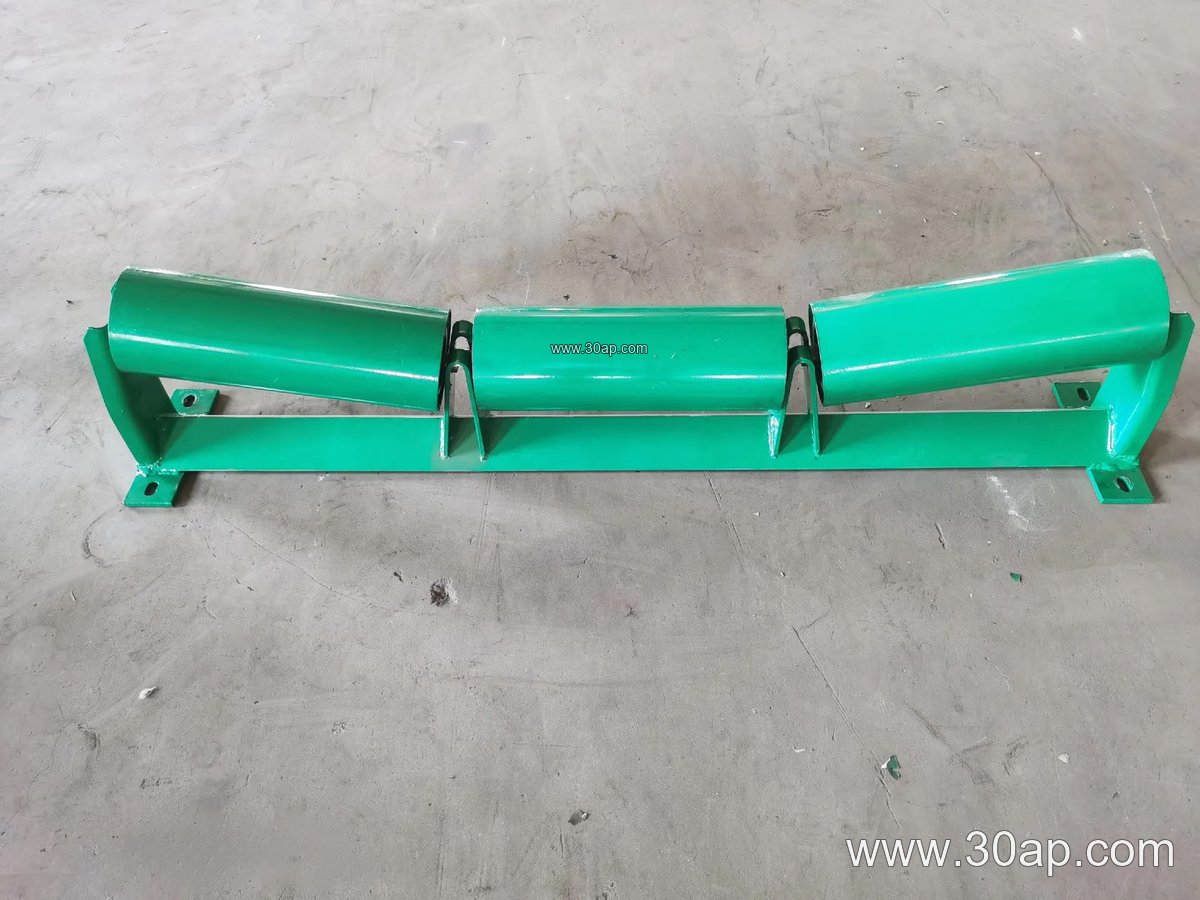
- Troughing bracket assembly – supports the carrying side and sets the trough angle, usually 20°, 30°, 35°, or 45°.
- Return bracket assembly – holds the return idler roller beneath the belt; V-type and flat types are common.
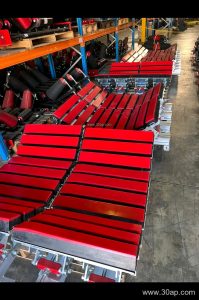
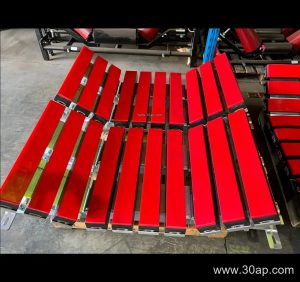
- Impact bracket assembly – positioned at transfer points to absorb loading shock, often used with impact idler rollers.
- Self-aligning bracket assembly – allows slight rotation to correct belt tracking.
- Transition bracket assembly – bridges the gap between the pulley and the first full troughing station.
Adjustable brackets let maintenance crews fine-tune the trough angle or roller position without replacing the whole frame. Fixed brackets are simpler and suit stable, well-aligned conveyor runs.
Typical Applications
These assemblies appear wherever bulk materials move on a belt. In a limestone mine, a heavy-duty bracket assembly supports the conveyor belt through the crushing circuit. In a coal-fired power plant, flame retardant conveyor belt runs over troughing brackets that must resist dust and vibration. Sand and gravel lines use bracket assemblies with impact rollers at the hopper discharge. The same components are found in cement plants, steel mills, and port loading systems. The bracket assembly itself is selected to match the belt width and the load, not the other way around.
Matching Bracket Assembly to Belt and Roller
Belt width and roller diameter are the first reference points. A B800 conveyor belt usually runs with a bracket assembly designed for that width, but the trough angle and roller diameter are separate decisions. Common roller diameters include Ø89, Ø108, Ø133, Ø159, and Ø194. A B1200 belt might use a 35° trough with Ø133 rollers, while a B650 line could use 30° and Ø89. These are examples, not fixed rules. The assembly’s mounting hole spacing and crossbeam length change with belt width and trough angle, so the bracket must be ordered to the conveyor’s actual design.
Reference Data for Bracket Selection
The table below lists common bracket types and typical dimensions. Values are for reference only and should be confirmed against the conveyor design.
| Bracket Type | Common Belt Width | Trough Angle | Typical Roller Diameter |
|---|---|---|---|
| Troughing bracket assembly | B500–B2200 | 20°, 30°, 35°, 45° | Ø89–Ø194 |
| Return bracket assembly | B500–B2000 | Flat or V-return | Ø89–Ø159 |
| Impact bracket assembly | B650–B1800 | 20°–45° | Ø108–Ø194 |
| Self-aligning bracket assembly | B500–B1600 | 20°–35° | Ø89–Ø159 |
| Transition bracket assembly | B800–B2000 | 20°–45° | Ø108–Ø194 |
For high-abrasion duty, such as an iron ore conveyor belt, the bracket assembly should be robust enough to hold the roller firmly under continuous load. In cold climates, a cold resistant conveyor belt may be used, but the bracket steel and finish also need to suit the temperature.
Buyer Checklist
Before ordering a conveyor bracket assembly, confirm the belt width, trough angle, roller diameter, and mounting dimensions. Ask whether the assembly is fixed or adjustable. Check the material and surface treatment against the site conditions. For a coal mining conveyor belt system, verify that components support the required fire safety plan. The goal is a bracket assembly that fits the conveyor frame, holds the idler roller securely, and keeps the belt running true. For more information on related components, visit our site at www.example.com/conveyor-bracket-assembly.