What Is a Plastic Idler
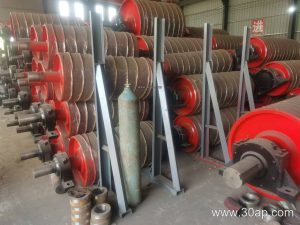
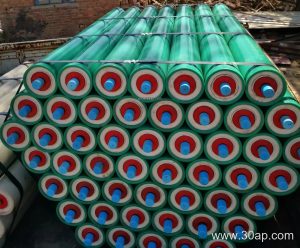
A plastic idler is a conveyor idler roller whose shell and often end caps are made from engineering plastics rather than steel. It performs the same basic job as any idler roller: it supports the conveyor belt and the material load while allowing the belt to move with low resistance. In aggregate, cement, and power plant conveyors, plastic idlers are chosen where weight, corrosion resistance, and belt protection matter more than raw mechanical strength. They are not a replacement for drive pulleys or tail pulleys; those are conveyor pulleys that transmit power or change belt direction, and the two product families serve different roles.
Because the body is non-metallic, a plastic idler is lighter than a comparable steel roller and will not rust in wet or mildly corrosive service. This can make installation easier and reduce the load on the conveyor bracket and frame. At the same time, plastic idlers have lower load capacity than heavy-duty steel rollers, so they are usually applied on lighter-duty sections or where the belt itself is not heavily loaded.
How a Plastic Idler Is Built
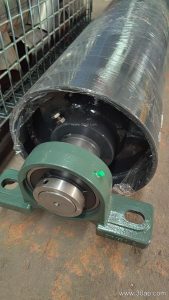
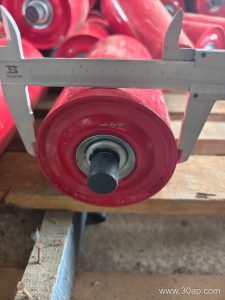
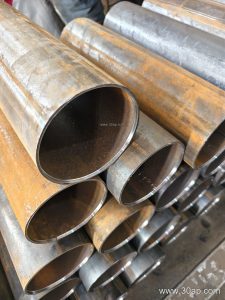
The typical construction includes a plastic tube or shell, bearing housings at each end, and a shaft that mounts into the conveyor bracket. Seals keep dust and water away from the bearings, and the bearing size is selected according to the load and speed rather than the belt width alone. Common bearing numbers in idler service include 6204, 6205, 6305, and 6306, but no single bearing is tied to one roller diameter. The roller diameter and wall thickness are chosen from the load case, and the idler length follows the belt width, trough angle, and idler arrangement.
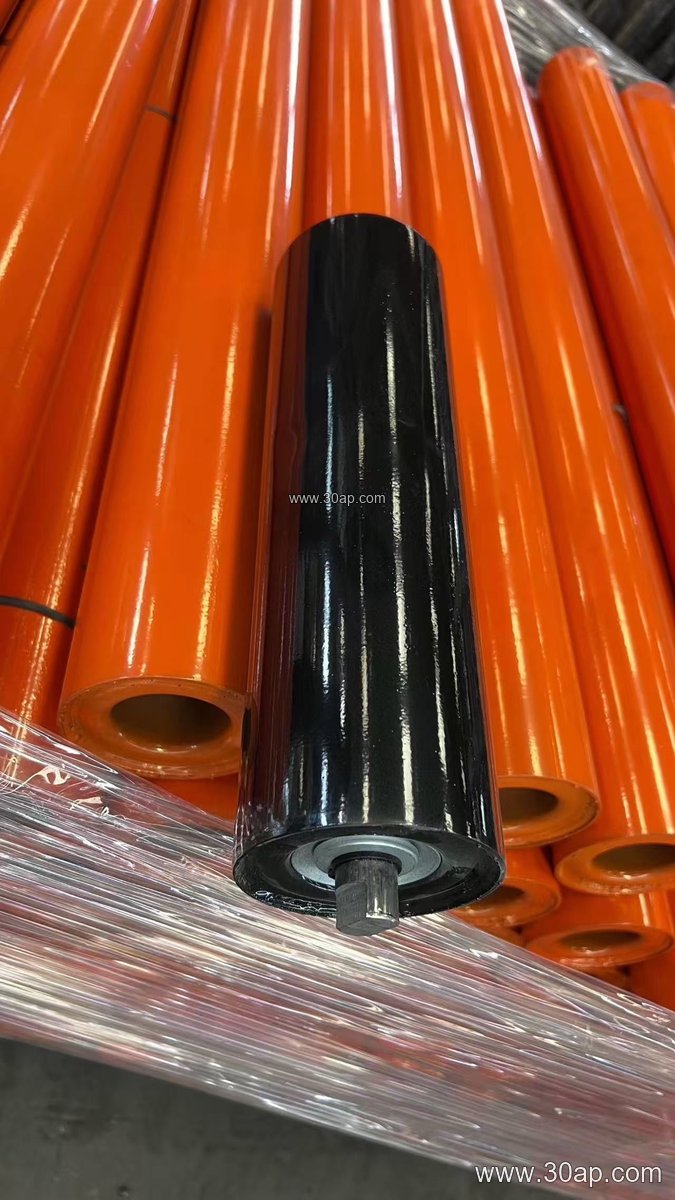
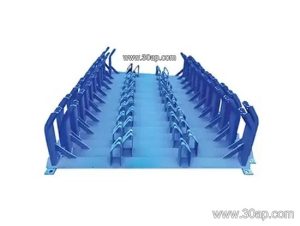
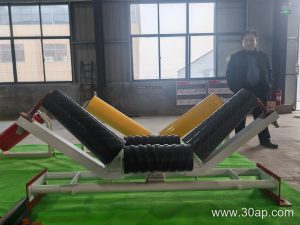
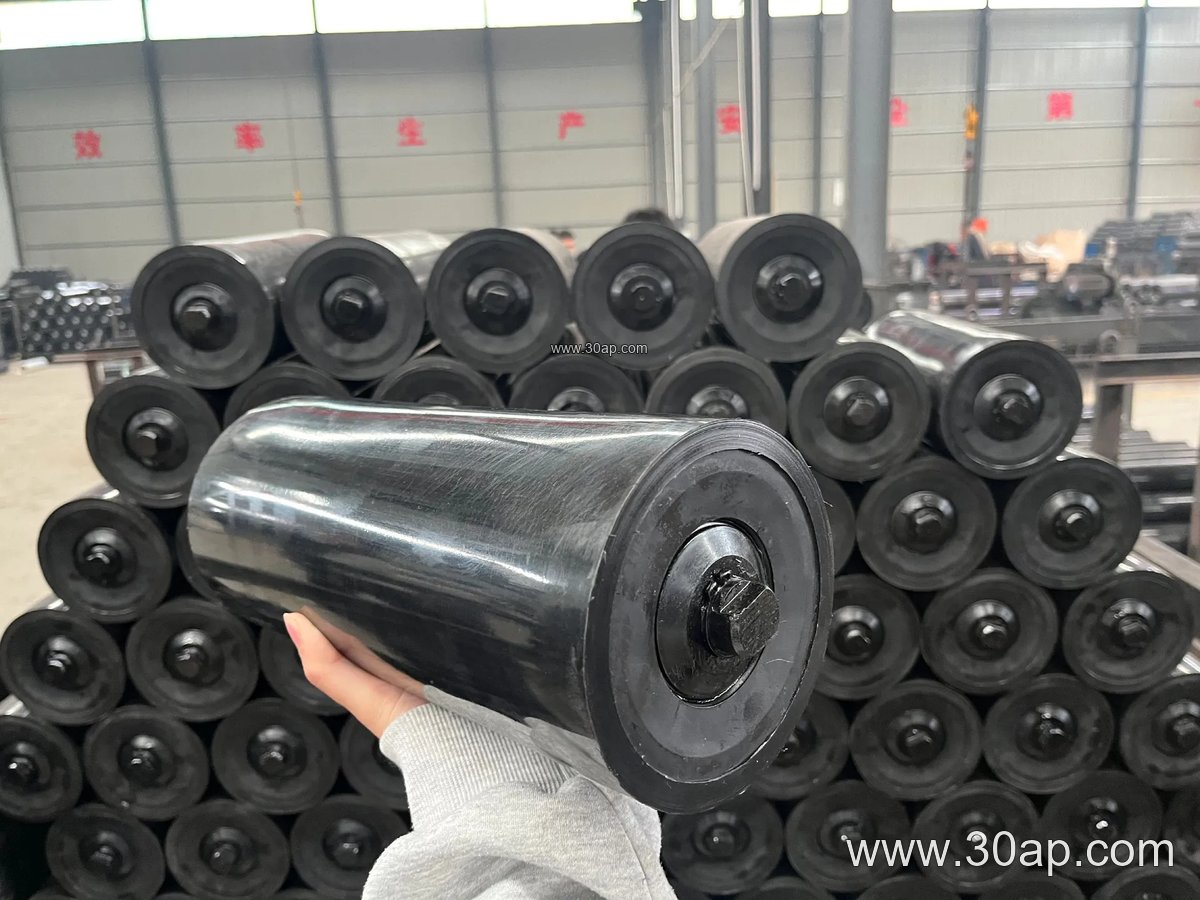
Plastic idlers can be supplied in troughing sets, return sets, and impact versions. A three-roll troughing set is common on the carrying side, while a single flat roll is often used on the return side. The shell may be smooth or have a formed surface, and the end caps are usually sealed to protect the bearing from fine dust found in quarry, coal handling, and cement plant environments. For reference, common roller diameters include Ø63, Ø76, Ø89, Ø102, Ø108, Ø127, and Ø133 mm; larger diameters such as Ø159 and Ø178 mm appear in heavier applications. These values are reference data, not a fixed selection table.
Where Plastic Idlers Fit in a Conveyor
Plastic idlers are often found on the carrying side of belt conveyors handling bulk materials such as sand, gravel, clinker, and fertilizer. In a limestone quarry or a sand and aggregate line, they support the belt between the head and tail and help keep the belt tracking. In a cement plant, they may be used on lighter auxiliary conveyors rather than the main high-tonnage lines. In a power plant coal handling system, plastic idlers can be considered where corrosion from washdown or humid conditions is a concern, but the designer must confirm the load rating.
They are also used on return-side runs to support the empty belt. Here the lower weight of the plastic roller can reduce the effort needed during maintenance. However, plastic idlers should not be confused with bend pulleys or take-up pulleys, which are conveyor pulleys that change belt direction or maintain tension. A plastic idler simply supports the belt; it does not drive it. The conveyor belt itself may be a rubber conveyor belt, an EP conveyor belt, or a fabric core conveyor belt, and the idler selection should match the belt width and load, not the belt brand.
Selection Points for Buyers
Buyers should start with the belt width and the idler arrangement. Standard belt widths include B400, B500, B650, B800, B1000, B1200, B1400, B1600, B1800, B2000, B2200, and B2400. The idler length is not fixed by belt width alone; for a three-roll troughing set, common roll lengths are roughly 200 mm for B500, 250 mm for B650, 315 mm for B800, 380 mm for B1000, 465 mm for B1200, 530 mm for B1400, 600 mm for B1600, 670 mm for B1800, and 750 mm for B2000. Side rolls and center rolls can differ, so these are examples only.
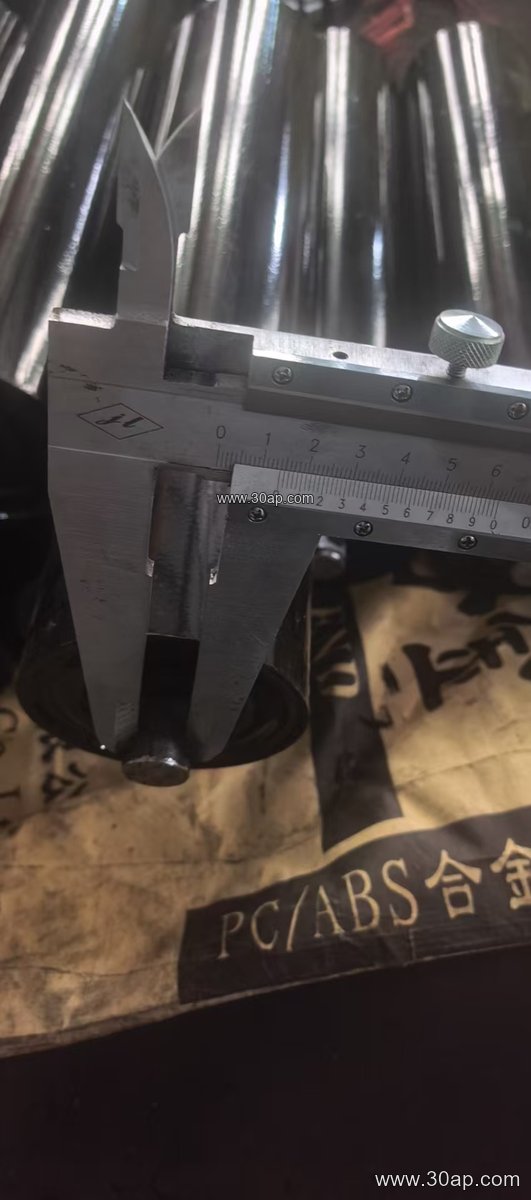
Trough angle affects material containment. Common trough angles are 20, 30, 35, and 45 degrees. A deeper trough holds more material but increases belt flexing and idler load. For training or self-aligning behavior, a small forward tilt of about 1.5 to 2 degrees is sometimes used on troughing idlers. Buyers should also confirm the shaft diameter from the bracket and bearing housing, not from the belt width. The conveyor bracket must match the shaft end and the mounting pitch.
- Check the load per idler and the belt speed against the plastic idler rating.
- Confirm the roller diameter and bearing size with the supplier, using 6204, 6205, 6305, or 6306 only as common references.
- Match the idler length to the belt width and trough angle, not to a single fixed number.
- For dusty or wet service, specify sealed bearings and a suitable shell material.
- Do not use a plastic idler as a substitute for a drive pulley, tail pulley, or bend pulley.
Maintenance and Application Notes
Plastic idlers are generally maintenance-friendly because they are light and resistant to corrosion. Still, they should be inspected for shell wear, bearing noise, and seal damage. In a crusher conveyor or a quarry conveyor, impact idlers may be needed at the loading point to absorb shock; a standard plastic idler is not an impact idler unless it is designed for that duty. For high-abrasion service, an abrasion resistant conveyor belt may be used together with suitable idlers, but the idler material and bearing protection remain the deciding factors.
Plastic idlers are not intended for every conveyor. On heavy-duty mining conveyor belts, steel cord conveyor belt lines, or high-tension applications, steel idlers are usually more appropriate. The buyer should treat plastic idlers as a focused solution for light to medium duty, corrosive, or weight-sensitive positions. For more information on idler rollers, conveyor pulleys, and conveyor brackets, visit www.beltconveyorparts.com and review the idler roller range before finalizing the conveyor design.