What an EP100 Conveyor Belt Is
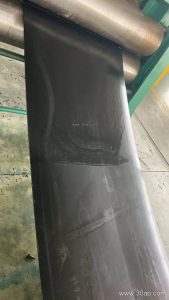
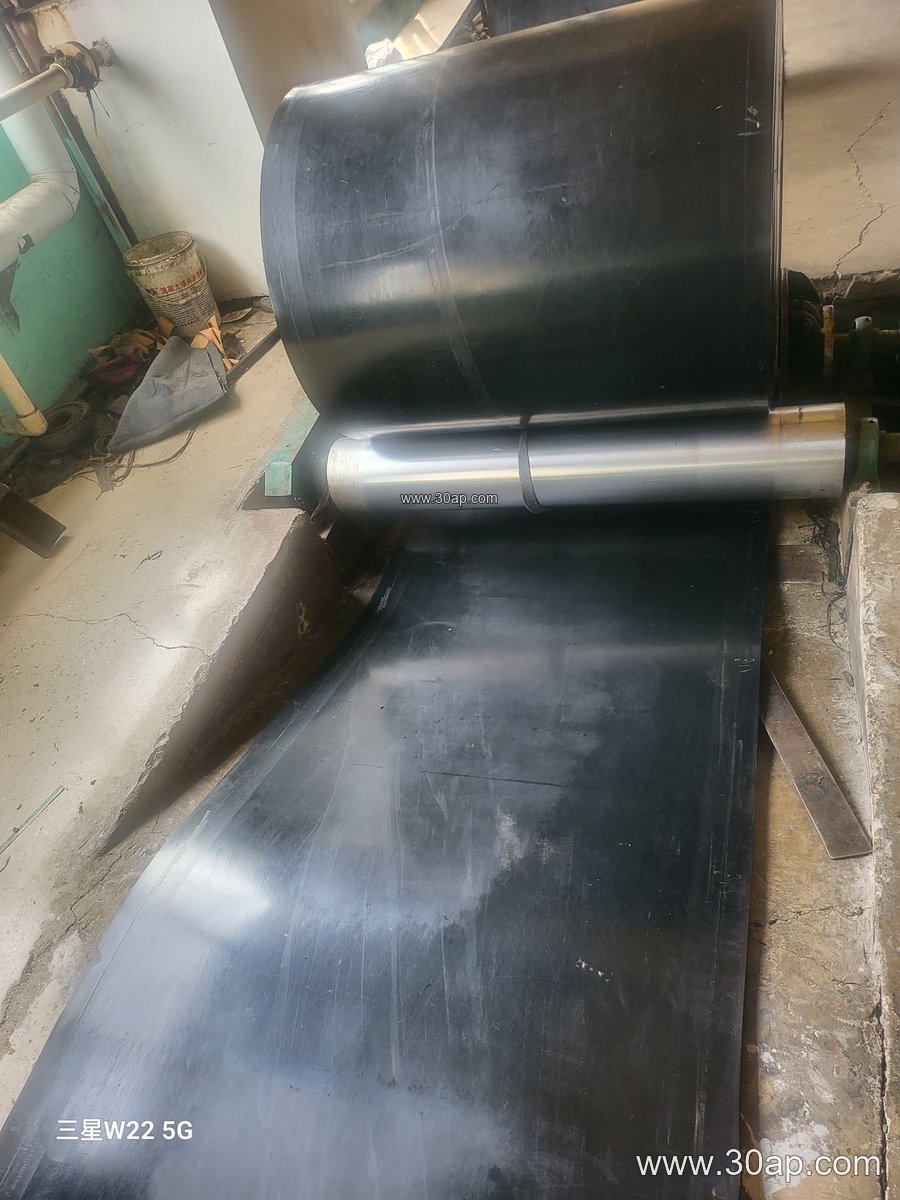
An EP100 Conveyor Belt is a fabric-core rubber belt built around polyester and nylon (EP) plies. The “100” refers to the nominal tensile strength class, commonly expressed as 100 N/mm per ply, which places it at the lighter end of the EP range. It is a practical choice for medium-duty conveying where loads are steady and the route is not extremely demanding. Buyers often see it listed as an EP rubber conveyor belt or an EP fabric core conveyor belt, and those names describe the same product.
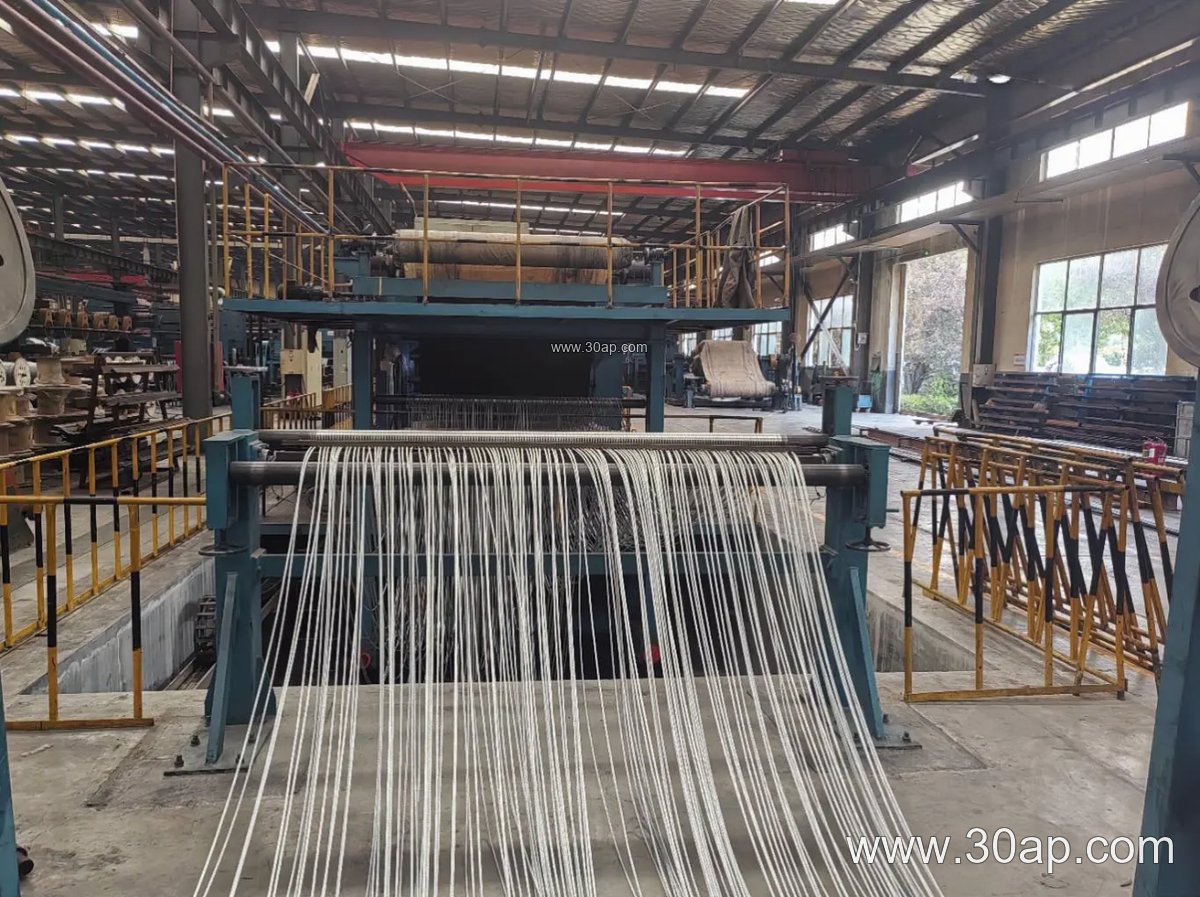
The EP carcass differs from an NN conveyor belt, which uses nylon warp and weft. EP fabric combines polyester warp with nylon weft, which usually gives good longitudinal strength with lower stretch than an all-nylon carcass. For very heavy lifts or long overland routes, a steel cord conveyor belt may be considered instead, but that is a different construction and not a substitute for the EP100 class.
Construction and Cover Options
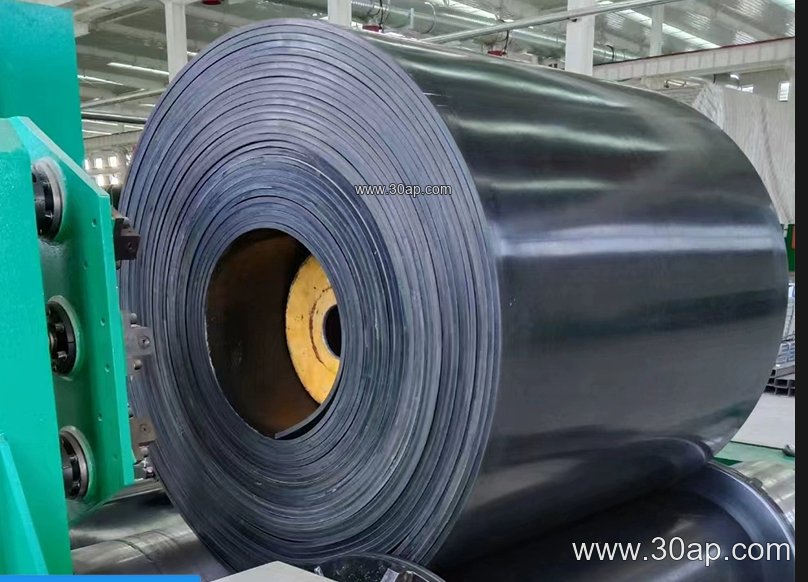
A typical EP100 belt has 2 to 4 fabric plies, with 3 plies common for general service. The rubber covers protect the carcass and grip the material. Cover thickness is usually written as top plus bottom, for example 4+2 mm or 5+2 mm, with 3+1.5 mm seen on lighter duties. The right cover depends on the material being carried, not on the belt width alone.
- Abrasion resistant cover for sand, gravel and crushed stone
- Heat resistant cover for clinker, ash and warm process material
- Oil resistant cover for oily scrap or treated bulk goods
- Flame retardant and anti-static covers for coal handling and enclosed galleries
- Cold resistant cover for outdoor yards in freezing conditions
Surface forms can also be specified. A chevron conveyor belt uses raised profiles to stop material rolling back on inclines, while a corrugated sidewall belt adds cleats and sidewalls for steep inclines. These are separate designs; the base EP100 carcass may still be used inside them.
Where It Fits in a Plant
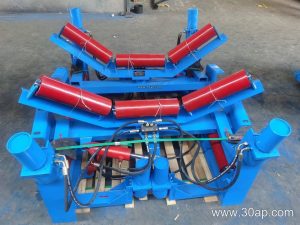
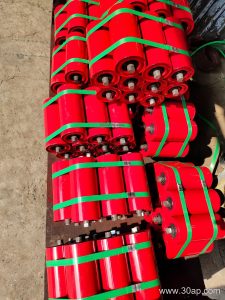
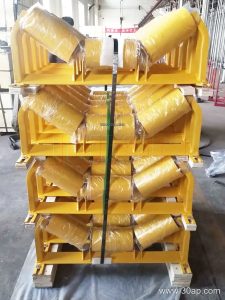
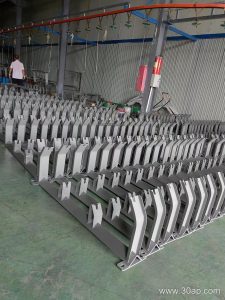
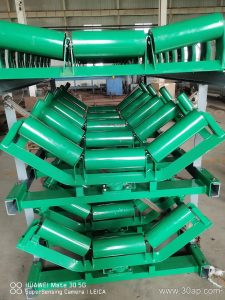
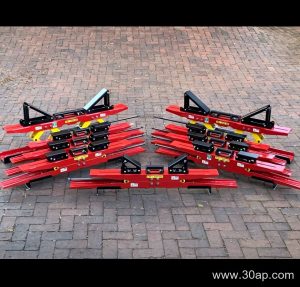
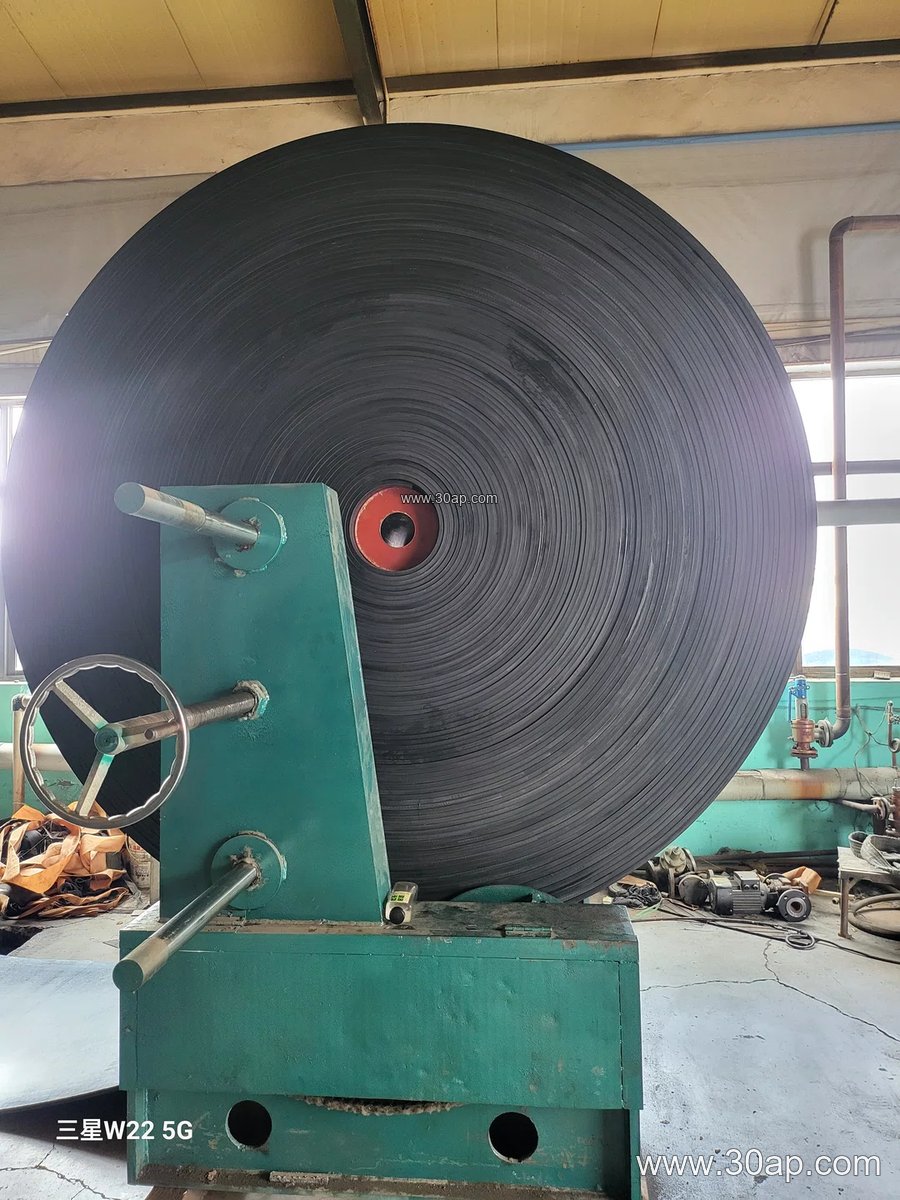
The EP100 class suits many bulk material conveyor belt duties in cement plants, power plants, quarries, sand and gravel yards, and light mining conveyors. It is often found on transfer conveyors, stockpile feeds and screening lines. A quarry conveyor belt or aggregate conveyor belt running at moderate tonnage is a natural application. In a coal mining conveyor belt system, flame retardant grades are usually requested, and the belt may run alongside idler rollers, conveyor pulleys and conveyor brackets that are selected separately.
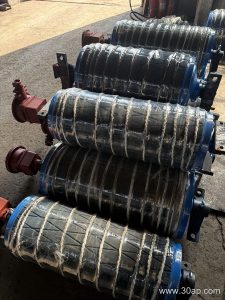
It is less suited to very long, high-tension routes or to primary crusher discharge where lump size and impact are severe. In those positions a heavier EP class, a high abrasion resistant conveyor belt, or an impact resistant belt may be more appropriate. The drive pulley, tail pulley and bend pulley each do a different job, and the belt tension and pulley diameters should be matched by the conveyor designer rather than assumed from belt width.
Common Reference Sizes
The figures below are typical reference values, not fixed supply promises. Actual specifications are set by the belt manufacturer and the conveyor design.
| Parameter | Common reference values |
|---|---|
| Strength class | EP100 (lighter classes such as EP200 and EP315 also exist in the EP family) |
| Number of plies | 2 to 4 plies, often 3 |
| Belt width | B500, B650, B800, B1000, B1200 mm |
| Cover thickness | 3+1.5, 4+2, 5+2 mm |
| Surface form | Smooth, chevron, corrugated sidewall |
Width and strength are independent choices. A 650mm conveyor belt and a 1000mm conveyor belt can both be made in the EP100 class, and the pulley sizes are decided by the conveyor engineer. No single belt width requires one particular pulley diameter.
Buyer Checklist
- Confirm the material, lump size, temperature and whether oil or chemicals are present.
- State the required strength class and ply count, not just the width.
- Ask for the cover grade and thickness in top plus bottom form.
- Check whether flame retardant or anti-static properties are needed for the site.
- Review the splice method and whether an endless conveyor belt is preferred.
- Match belt tension to the drive, tail and bend pulleys through the conveyor design.
An EP100 conveyor belt is a workhorse choice for medium-duty conveying when the carcass, cover and surface form are matched to the job. Buyers who compare the EP fabric core option with NN and steel cord constructions, and who confirm cover grade and ply count, usually get a belt that runs reliably in cement, power, quarry and mining service.