What a Conveyor Idler Bracket Does on the Line
A conveyor idler bracket is the support component that holds the idler roller in position along the carrying or return run of a belt conveyor. In everyday plant language it is also called a conveyor bracket, idler frame or roller support frame. Its job sounds simple, yet it directly governs whether the belt sits at the intended trough angle, whether the rollers stay square to the belt path, and how easily the whole assembly can be serviced during a shutdown.
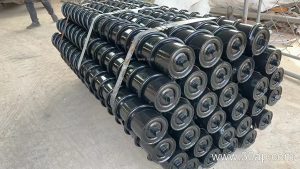
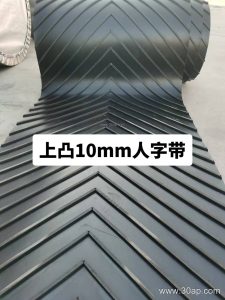
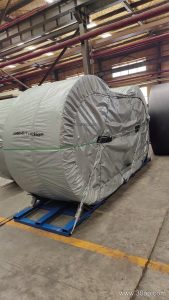
The bracket works together with the conveyor belt, the idler roller and, at the ends of the line, the conveyor pulley. A well-aligned bracket keeps the belt tracking steadily, while a distorted or loose one shows up quickly as edge wear, spillage or uneven roller loading. For more background on matching frames with belts and rollers, see beltconveyorsystem.com conveyor idler bracket.
How the Bracket Is Built
Most brackets are fabricated from angle steel, channel steel or folded steel plate, then drilled or punched for the idler shaft and bolted to the conveyor stringer. The fabrication method matters because the bracket must resist vibration, dust and occasional impact without losing its geometry.
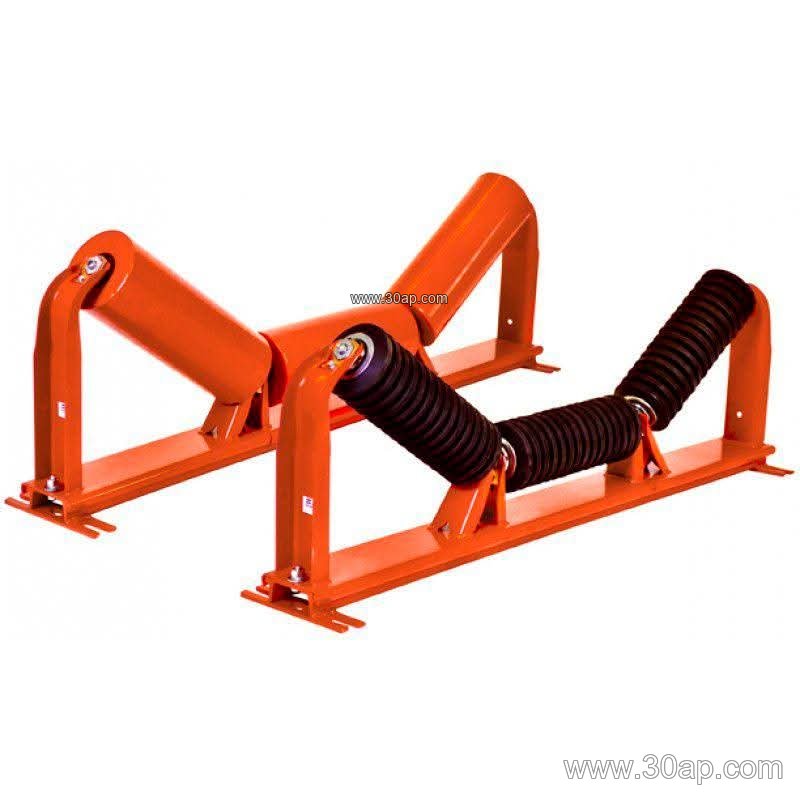
- Angle steel brackets are light and economical, common on medium-duty lines.
- Channel steel brackets offer greater stiffness and suit wider belts and heavier loads.
- Folded plate brackets give a cleaner profile and can be formed to hold a specific trough angle.
Mounting hole spacing and crossbeam length are not fixed numbers; they change with belt width and trough angle, so they are always confirmed against the conveyor design drawing rather than assumed.
Common Bracket Types and Where They Sit
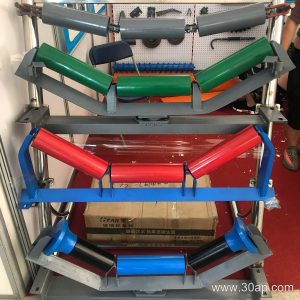
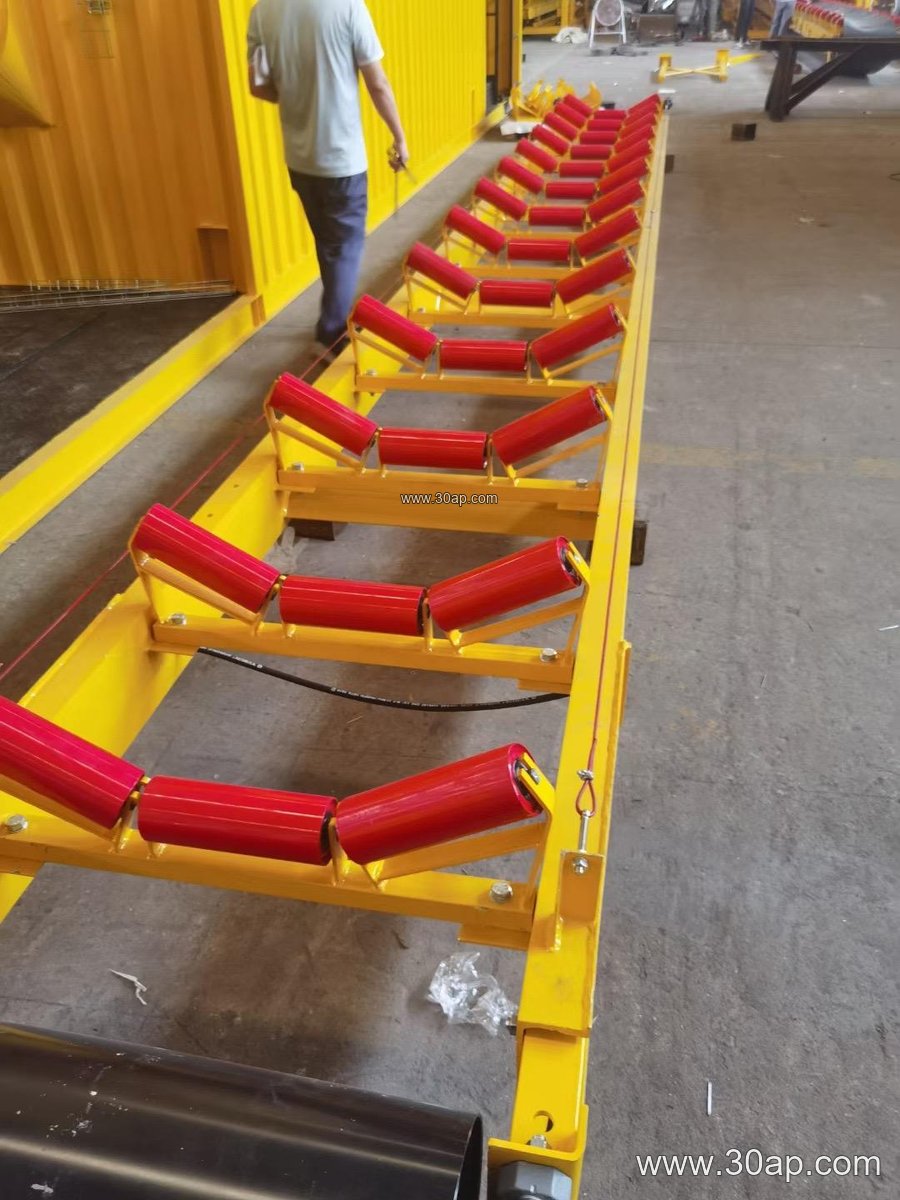
The bracket family covers carrying and return positions. Troughing brackets, also called upper trough brackets, hold the three-roller set at the carrying side. Transition brackets ease the belt from flat to troughed near the pulleys. Return brackets support the belt on the lower run, with V-return and flat-return versions available. Impact brackets sit under loading points, self-aligning brackets help correct mistracking, and suspended or adjustable brackets allow field fine-tuning.
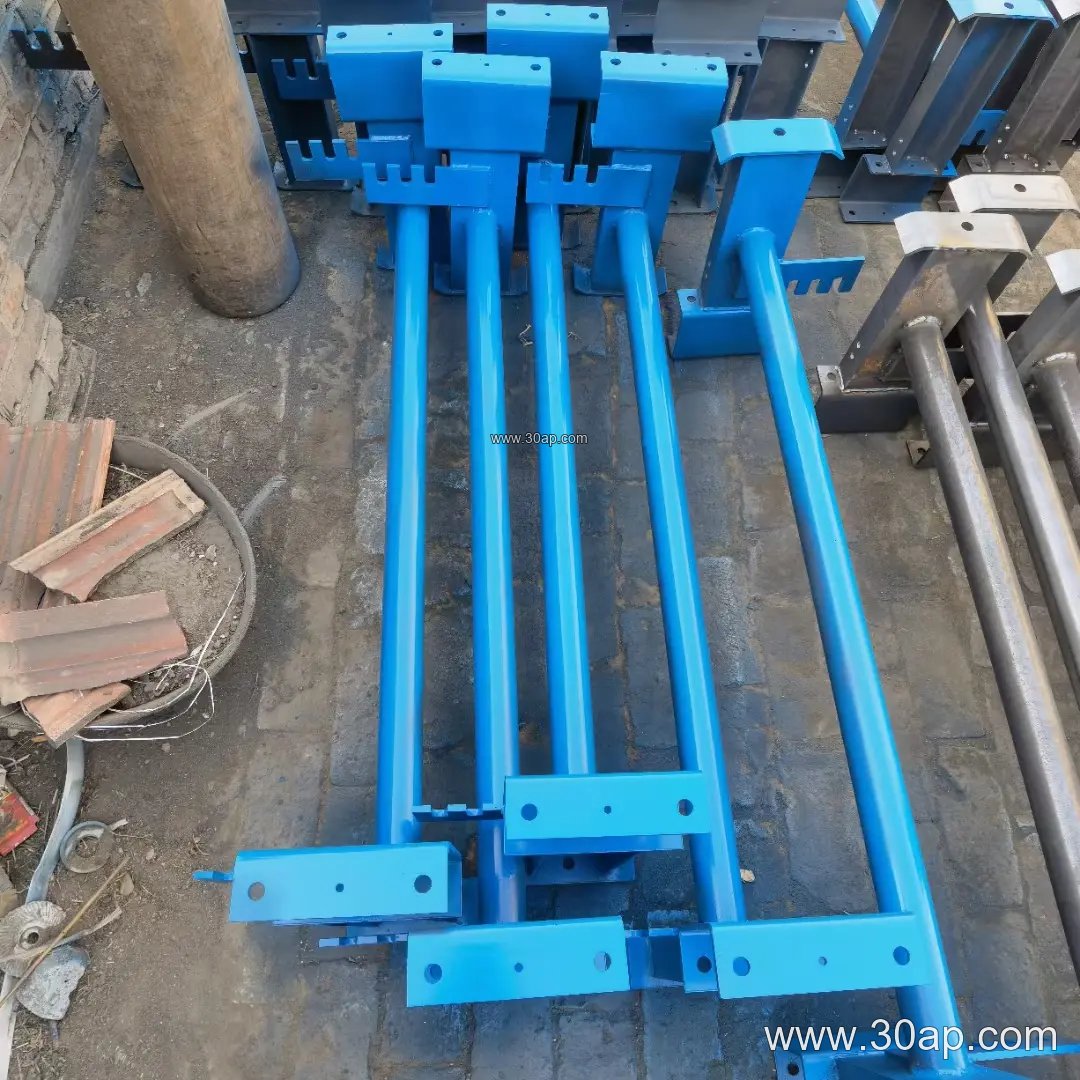
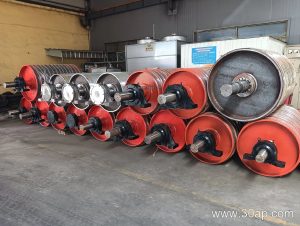
These are different components from the drive pulley, tail pulley or bend pulley, and they are not interchangeable with them. A bracket positions rollers; a pulley drives or redirects the belt.
Typical Duty Areas
Brackets appear wherever bulk material moves on a belt. In a limestone quarry or sand and gravel line, troughing brackets carry abrasive stone under constant load. In a coal washing plant or power station coal yard, flame retardant and anti-static belt grades are common, and the brackets must tolerate dust and moisture. Cement plants, steel sintering lines and port ship-loading systems each bring their own wear pattern, so bracket material and coating are usually chosen to match the site rather than copied from another plant.
Matching Belt Width, Trough Angle and Roller Diameter
Belt width, trough angle and roller diameter are selected together, not in isolation. A given belt width can work with more than one trough angle or roller diameter depending on capacity, material and transition length. The table below shows common reference combinations only.
| Belt Width | Trough Angle | Roller Diameter | Typical Bracket Use |
|---|---|---|---|
| B500 | 20° / 30° | Ø89 | Light aggregate, small transfer lines |
| B650 | 30° / 35° | Ø89 / Ø108 | Sand and gravel, mixing plants |
| B800 | 30° / 35° / 45° | Ø108 / Ø133 | Quarry and cement conveying |
| B1000 | 35° / 45° | Ø108 / Ø133 / Ø159 | Coal yards, ore transfer |
| B1200 | 35° / 45° | Ø133 / Ø159 | Heavy bulk material lines |
| B1400 | 35° / 45° | Ø133 / Ø159 / Ø194 | Port and steel plant conveyors |
| B1600–B2000 | 35° / 45° | Ø159 / Ø194 | High-capacity mining duty |
Adjustable brackets can be set between the common trough angles, while forward-leaning designs are usually set at about 1.5° to 2° to assist tracking. For compatible roller and belt options, visit beltconveyorsystem.com conveyor idler roller.
What Buyers Should Check Before Ordering
- Confirm belt width, required trough angle and roller shaft diameter against the drawing.
- State mounting hole spacing and crossbeam length as design values, not standard figures.
- Choose material and surface treatment for the site: dusty coal yard, wet washing plant or abrasive quarry.
- Decide between fixed and adjustable brackets based on how often tracking needs correction.
- Check that bracket height suits the selected roller and that the belt grade, such as abrasion resistant or heat resistant, is compatible with the operating temperature.
During maintenance, recheck bolt torque and bracket alignment after roller replacement, since a small shift at the frame can change belt tracking over the whole run. Spare brackets kept on site shorten downtime in crushing and screening circuits, where a single seized roller can stop the line.
Final Notes
A conveyor idler bracket is a low-cost part with an outsized effect on belt life, energy use and maintenance hours. Selecting it by drawing rather than by habit, and pairing it correctly with the idler roller and conveyor belt, keeps the conveyor running straight in mines, quarries, cement works and power plants alike.