What a Conveyor Welded Pulley Is
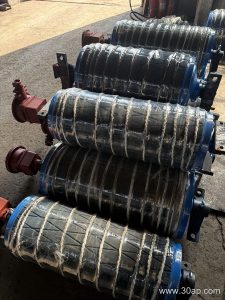
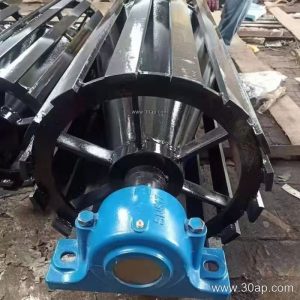
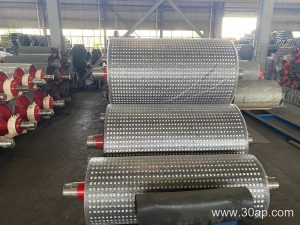
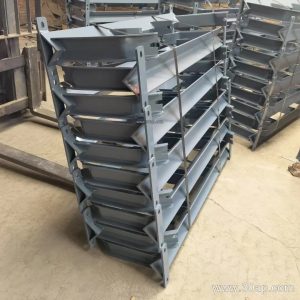
A conveyor welded pulley is a drum-shaped component built by welding steel end discs and a cylindrical shell to a central shaft. Unlike cast or bolted designs, the welded construction creates a rigid, continuous unit that handles high tension and heavy loads. This pulley serves as the drive, tail, bend, or tensioning point in a belt conveyor, transferring motion and supporting the conveyor belt along its route. In quarry, cement, and power plant circuits, you will often see this welded drum working alongside idler rollers and sturdy conveyor brackets to keep material moving.
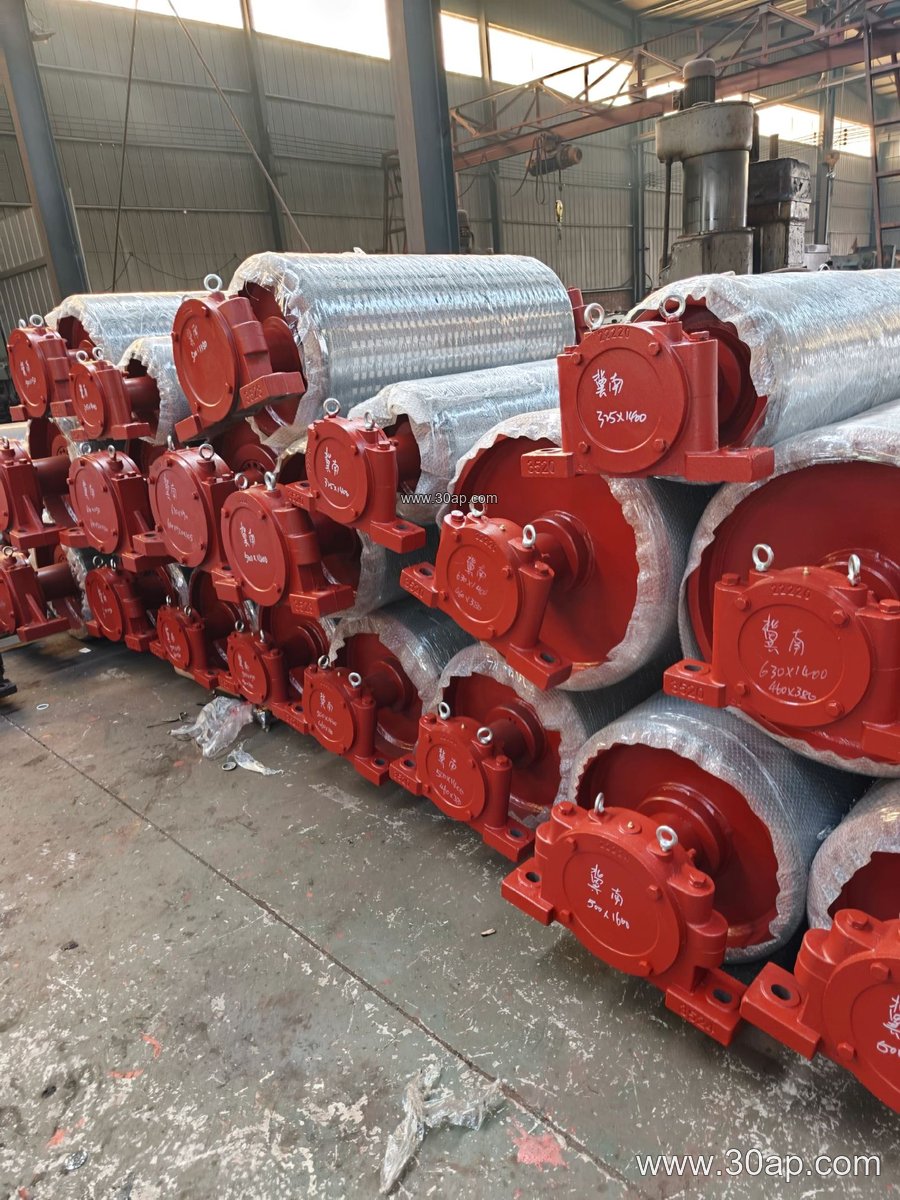
How It Is Built
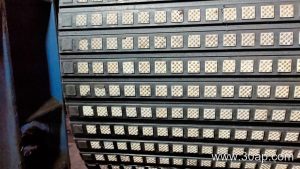
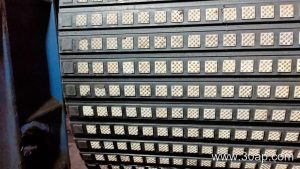
Production starts with cut steel plates for the shell and end discs. The shaft is machined to fit bearings, then welded to the discs with precise alignment. The shell is rolled and welded longitudinally before being joined to the end assemblies. After welding, the pulley is stress-relieved and dynamically balanced to reduce vibration at speed. Surface options include plain finish, cast rubber, cold-bonded rubber, hot-vulcanized rubber, diamond grooving, herringbone pattern, or ceramic lagging. Lagging thickness commonly ranges from 8 mm to 20 mm depending on grip requirements.
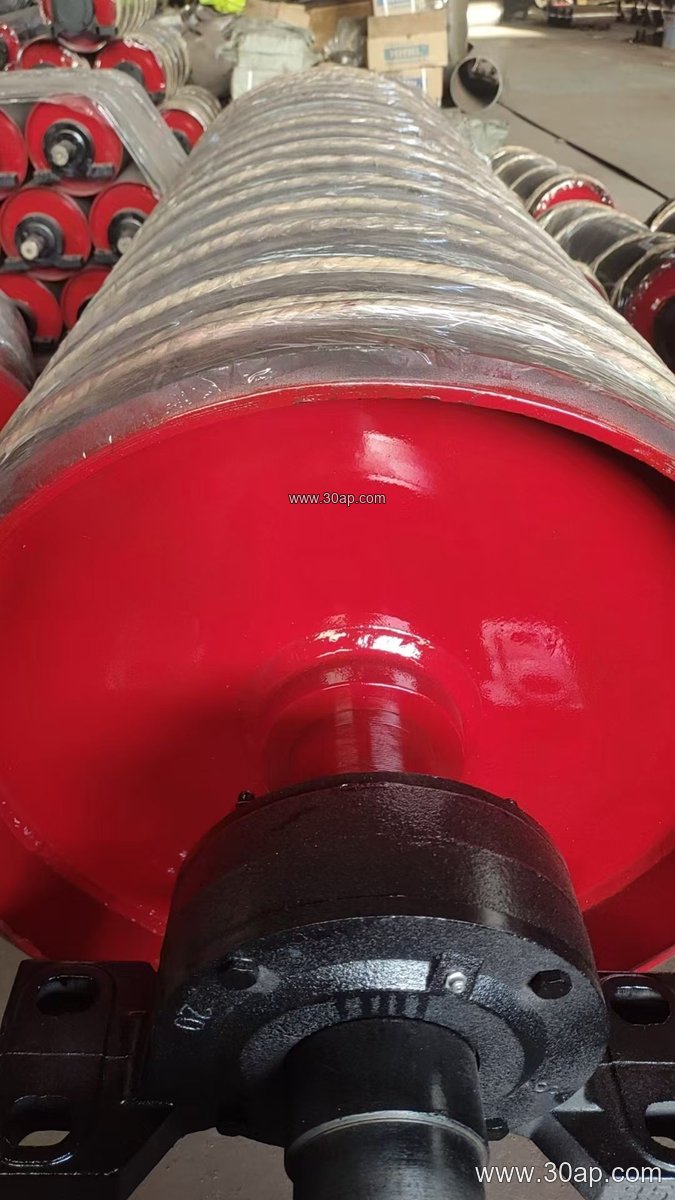
Where It Fits in the System
In a coal washing plant, a conveyor welded pulley at the head end drives a flame retardant conveyor belt carrying washed coal. At the tail, a smaller welded drum redirects the returning belt. Belt conveyors in a limestone quarry may use a bend pulley to change trajectory before a crusher, while a tension pulley maintains belt slack. You will find these pulleys working with rubber conveyor belt, EP conveyor belt, and steel cord conveyor belt in cement plants, iron ore terminals, and aggregate yards. The welded drum is not a substitute for a drive pulley or tail pulley; each position has its own load and wrap requirements.
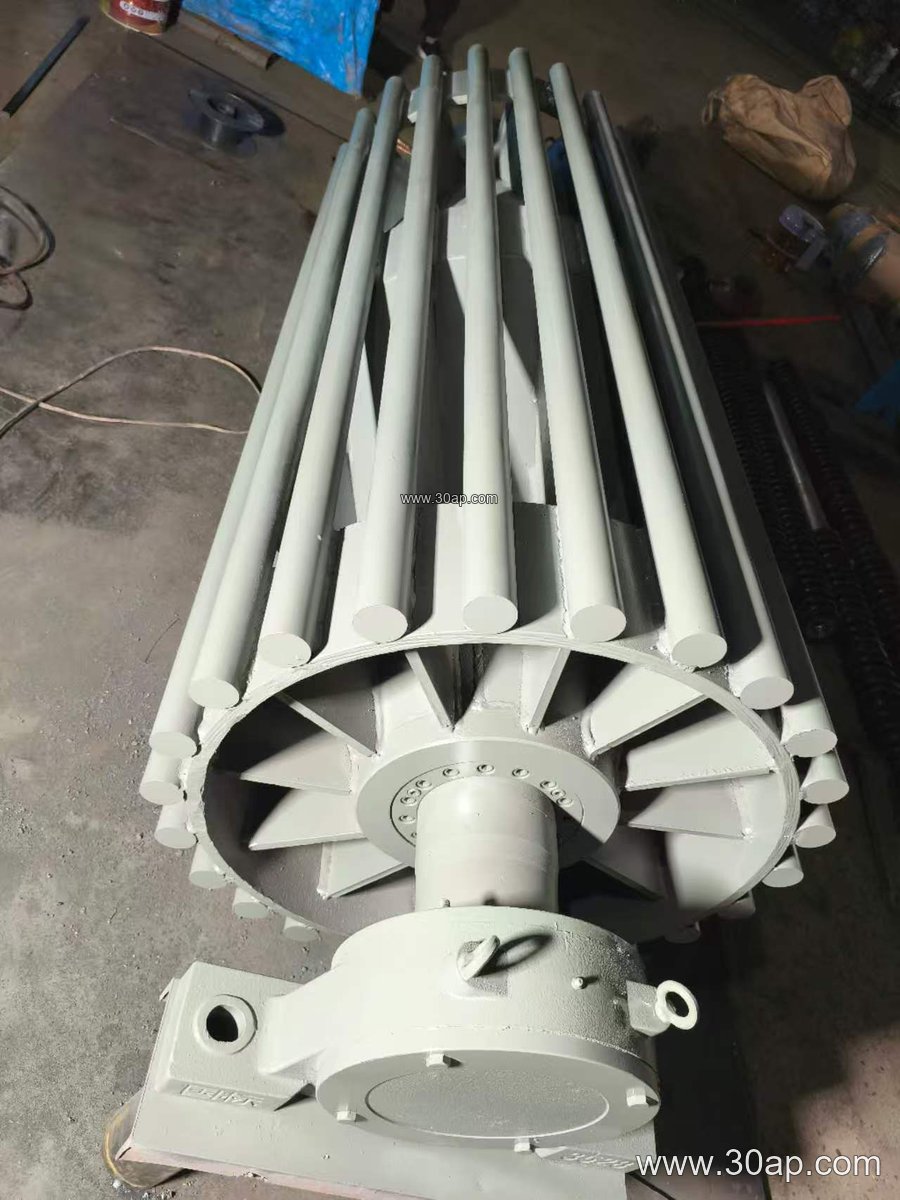
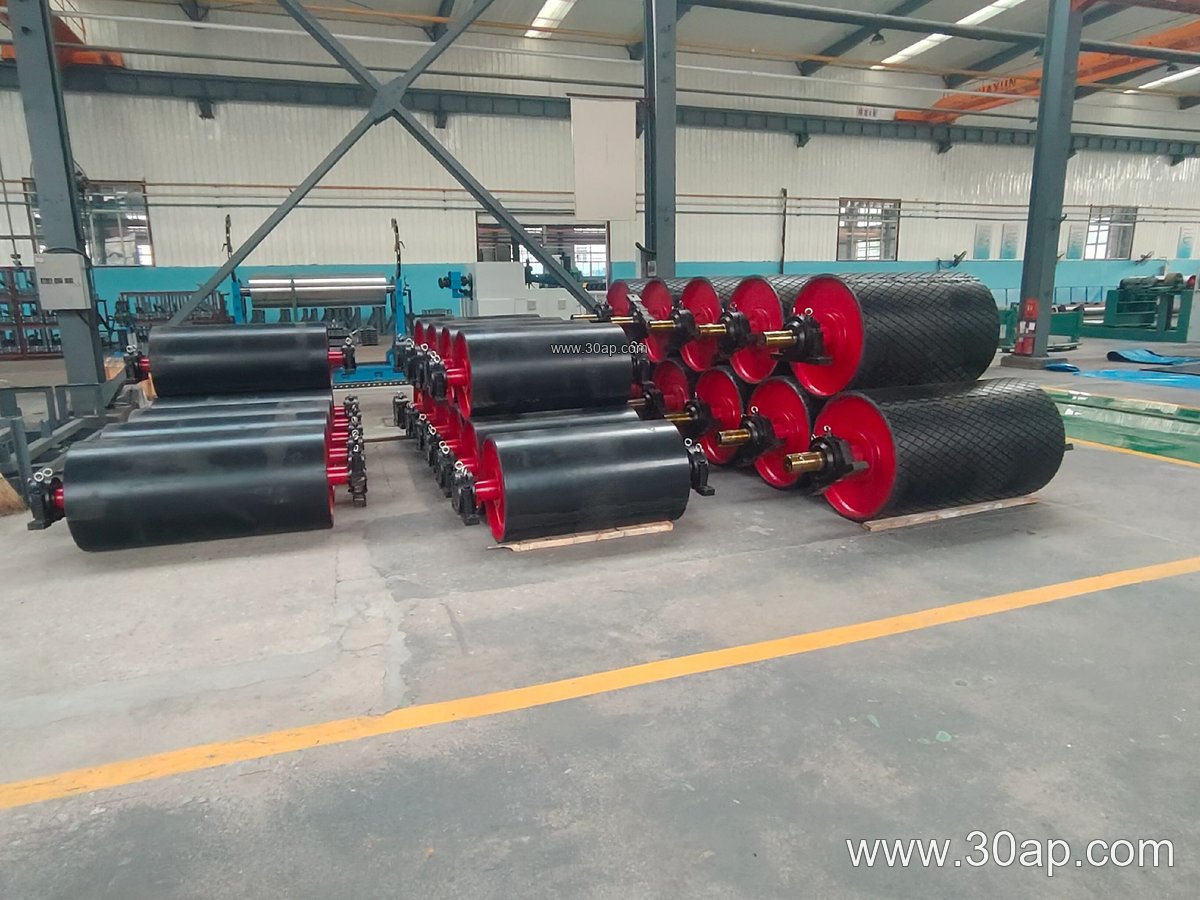
Key Dimensions and Surface Choices
Belt width and pulley diameter are selected together, but they are not locked in a one-to-one ratio. A B800 belt might run on a Ø500 pulley in one conveyor and a Ø630 pulley in another, depending on tension and belt stiffness. Common combinations include B800 × Ø500, B1200 × Ø1000, and B1400 × Ø800. The table below shows typical reference values, not fixed rules.
| Belt Width (B) | Typical Pulley Face Width | Common Diameter Range | Common Shaft Diameter Range |
|---|---|---|---|
| B400 | ~500 mm | Ø200–Ø315 | Ø50–Ø80 |
| B650 | ~750 mm | Ø250–Ø400 | Ø60–Ø100 |
| B800 | ~950 mm | Ø315–Ø500 | Ø70–Ø120 |
| B1000 | ~1150 mm | Ø400–Ø630 | Ø80–Ø140 |
| B1200 | ~1400 mm | Ø500–Ø800 | Ø90–Ø160 |
| B1400 | ~1600 mm | Ø630–Ø1000 | Ø100–Ø180 |
| B1600 | ~1800 mm | Ø800–Ø1250 | Ø120–Ø200 |
Shaft diameter is determined by torque and load, not by belt width alone. Always confirm the shaft size with the conveyor designer. Surface lagging choice depends on the material: diamond rubber for wet or muddy conditions, ceramic lagging for high abrasion, plain steel for light duty. A heat resistant conveyor belt in a cement kiln area may call for a plain or specially bonded surface to avoid trapped heat.
Buyer Checklist
- Confirm the pulley position: drive, tail, bend, or tension. Each has different wrap and load profiles.
- Check belt width and required face width; the pulley face should be wider than the belt.
- Match lagging type and thickness to the material and environment. For oil resistant conveyor belt service, choose a compatible lagging compound.
- Review shaft diameter, bearing size, and keyway dimensions against the conveyor bracket and bearing housing.
- Ask for dynamic balance reports and weld inspection records for high-speed or heavy-duty applications.
- Consider the belt type: a pipe conveyor belt or corrugated sidewall conveyor belt may need special pulley profiles.
Whether you are upgrading a quarry line or maintaining a power plant coal conveyor, the conveyor welded pulley is a long-life component that rewards careful specification. Work with your belt supplier and conveyor designer to match pulley dimensions, lagging, and shaft size to the actual duty. For related components such as idler roller, conveyor bracket, and rubber conveyor belt, keep the same load and environment data on hand so every part works together.