What an 800mm Drive Pulley Does
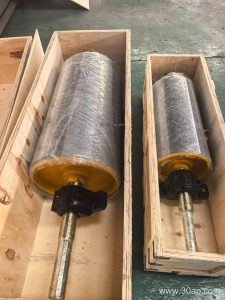
An 800mm drive pulley is the head-end drum that transmits motor torque into the conveyor belt and sets line speed. In an 800mm belt conveyor the drum face is usually wider than the belt itself, so the pulley is often described as an 800mm drive pulley even when the shell measures roughly 950 mm across. It sits at the discharge point, carries the full tension of the carrying side, and works together with the gearbox, coupling, conveyor bracket and take-up system.
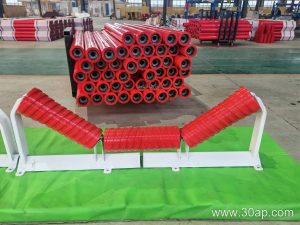
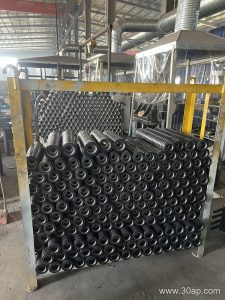
Because it drives rather than redirects, an 800mm drive pulley is not a tail pulley or a bend pulley. Those perform different duties further along the run and should not be substituted for the head drum. A common point of confusion is the word “pulley” itself, since a conveyor pulley, an idler roller and a snub drum all appear in the same frame but have separate roles.
Construction and Surface Options
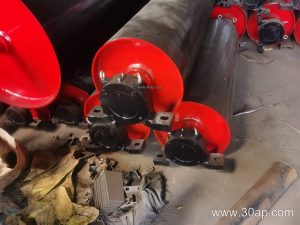
The drum is normally built from a rolled steel shell, welded end discs, and a shaft sized by torque and radial load. Shaft diameter is not derived from belt width alone; a builder calculates it from the drive duty and bearing arrangement. Common shaft sizes in this class include Ø100, Ø120, Ø140 and Ø160 mm, but the final value belongs to the design.
Lagging protects the shell and raises friction between drum and belt. For an 800mm drive pulley the usual forms are:
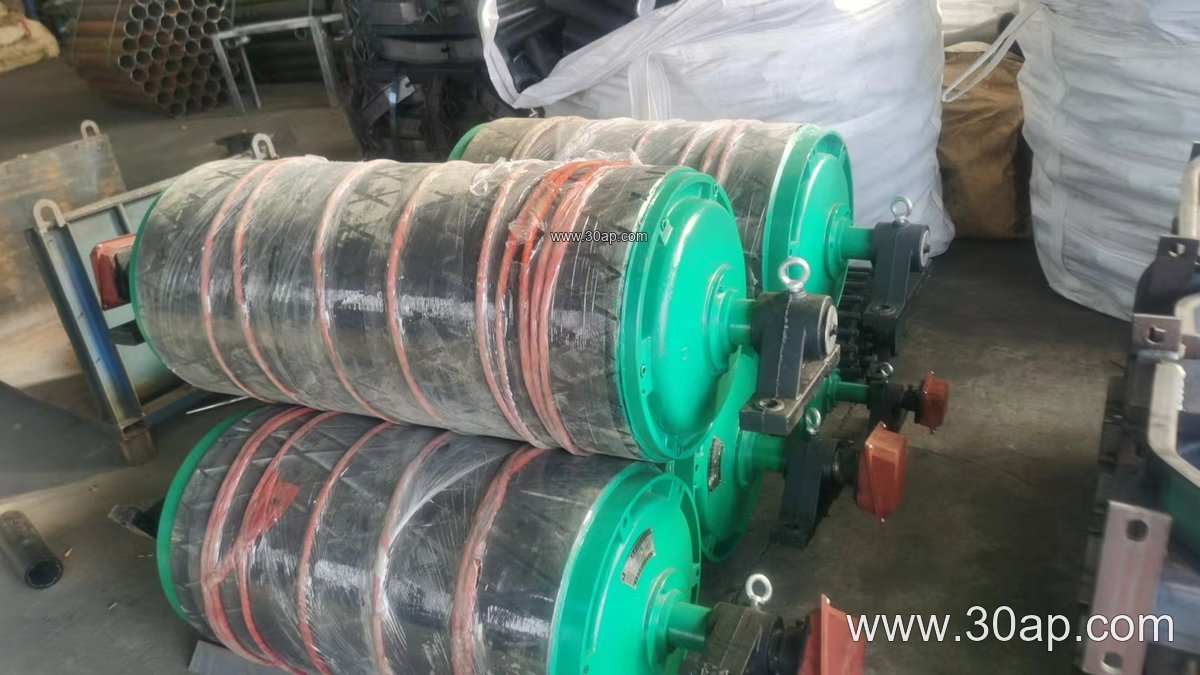
- Plain face for light duty or where slip is controlled by other means
- Cold-bonded rubber lagging in 8, 10 or 12 mm
- Hot-vulcanised rubber lagging in 10, 12, 15 or 20 mm
- Diamond pattern lagging for wet or dusty conditions
- Ceramic lagging for high-torque, abrasive service
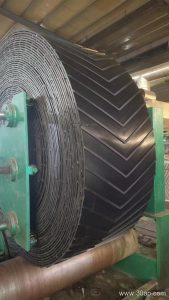
Surface choice should match the belt. A heavy-duty mining conveyor belt or a high abrasion resistant conveyor belt on a quarry line benefits from thicker lagging, while a heat resistant conveyor belt needs a compound that tolerates elevated temperature. In coal handling, a flame retardant conveyor belt is often paired with anti-static lagging and a grounded frame.
Typical Service Locations
You will find this drum in limestone quarries feeding a crusher, in coal preparation plants on the main haul, and in cement works moving clinker to storage. Power plant coal yards use it on incline conveyors, and aggregate lines rely on it where a fabric core conveyor belt such as an EP conveyor belt or NN conveyor belt carries crushed stone. In a sand and gravel pit, an abrasion resistant conveyor belt running over an 800mm drive pulley is a common arrangement.
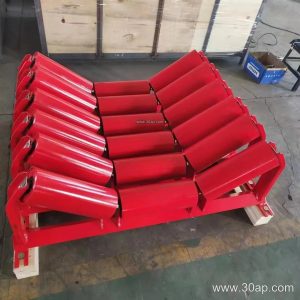
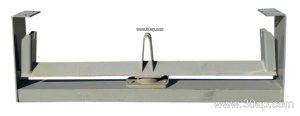
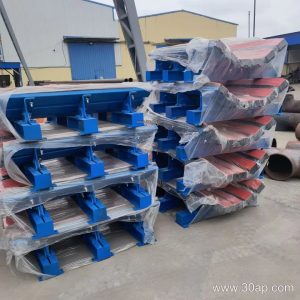
Where the belt must stay centred on a crowned or flat face, the pulley is aligned with the conveyor bracket and checked against the idler roller frames. A misaligned drum quickly damages both lagging and belt edge.
Reference Dimensions
The table below gives indicative combinations for planning. Values are typical, not fixed rules, and each project should confirm face width, diameter and shaft size against the actual drive calculation.
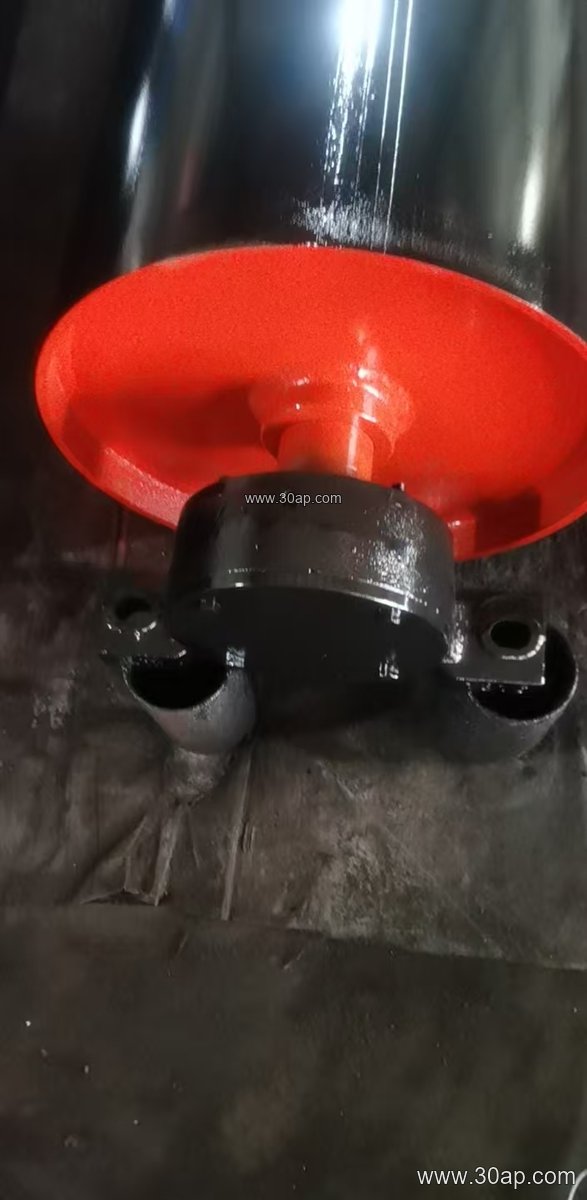
Pulley and Belt Reference
- Belt width B800: face width about 950 mm
- Belt width B650: face width about 750 mm
- Belt width B1000: face width about 1150 mm
- Drum diameters in this class: Ø500, Ø630, Ø800, Ø1000 mm
- Lagging thickness: 8, 10, 12, 15, 20 mm
- Shaft diameters: Ø80, Ø100, Ø120, Ø140, Ø160 mm
An 800mm drive pulley may be combined with a Ø500 mm drum on a short conveyor or a Ø1000 mm drum on a long, high-tension run. A B800 x Ø500 pairing is common on medium lines, while B1200 x Ø1000 appears where a wider belt and higher power demand a larger shell.
Buyer Checklist
Before ordering, confirm the belt type and width, the required torque, the take-up position and the environment. Ask whether the drum will run with a steel cord conveyor belt, a multi-ply fabric core conveyor belt, or a pipe conveyor belt, since each imposes different face and lagging requirements. Check that the shaft, bearing housing and conveyor bracket dimensions match the existing frame, and specify whether the lagging should be plain, diamond or ceramic.
Also review maintenance access. A drive pulley that cannot be reached for lagging inspection will cost more over its life than one designed with clearance. For harsh sites, consider a flame retardant conveyor belt and an oil resistant conveyor belt where hydrocarbons are present, and confirm that the pulley finish suits the belt cover rather than fighting it.
For related components such as conveyor pulleys, idler rollers and brackets, coordinate dimensions early so the 800mm drive pulley, belt and frame arrive as one working system rather than three separate parts.