What a Trough Idler Set Does on a Conveyor
A trough idler set is the group of rollers mounted on a frame under the carrying side of a conveyor belt, arranged so the belt forms a trough. That simple geometry keeps bulk material centered and reduces spillage as the belt travels from loading point to discharge. In a quarry or a sand and gravel line, the set is often the first component a maintenance team inspects after a belt tracking problem, because worn rollers and a bent frame show up quickly as edge wear or a wandering belt.
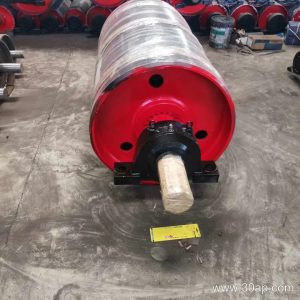
The same assembly is also called a carrying idler set or troughing idler set, and those terms describe the same product. It should not be confused with a bend pulley or a tail pulley, which are separate components in the conveyor drive and return arrangement.
How the Assembly Is Built
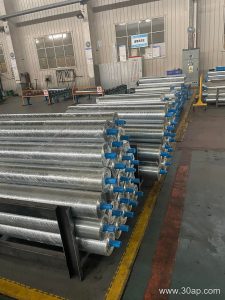
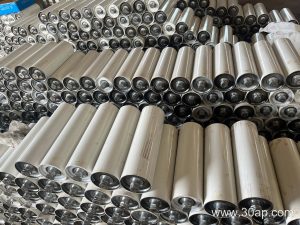
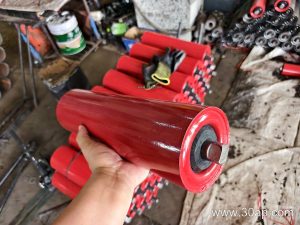
The set usually combines two or three idler rollers held in a steel frame or bracket. Each roller has a shell, a shaft, bearing housings and a sealing arrangement. The frame sets the trough angle, and the rollers sit at that angle so the belt cross-section opens like a shallow channel.
- Roller shell: commonly steel tube, with nylon, ceramic or rubber-covered options where wear or buildup is a concern.
- Bearing: sizes such as 6204, 6205, 6305, 6306 and 6308 are common in conveyor idlers; the right choice depends on load and speed, not on roller diameter alone.
- Seal: a labyrinth or similar arrangement keeps dust and water away from the bearing, which matters in cement plants and coal handling areas.
- Frame: the bracket or frame fixes the trough angle and the roller spacing along the conveyor.
A three-roller set is the most familiar form on wider belts, while a two-roller set can appear on narrower or lighter installations. The transition idler set near a loading point is a related but distinct arrangement, and it is used to ease the belt from a flat profile into the trough.
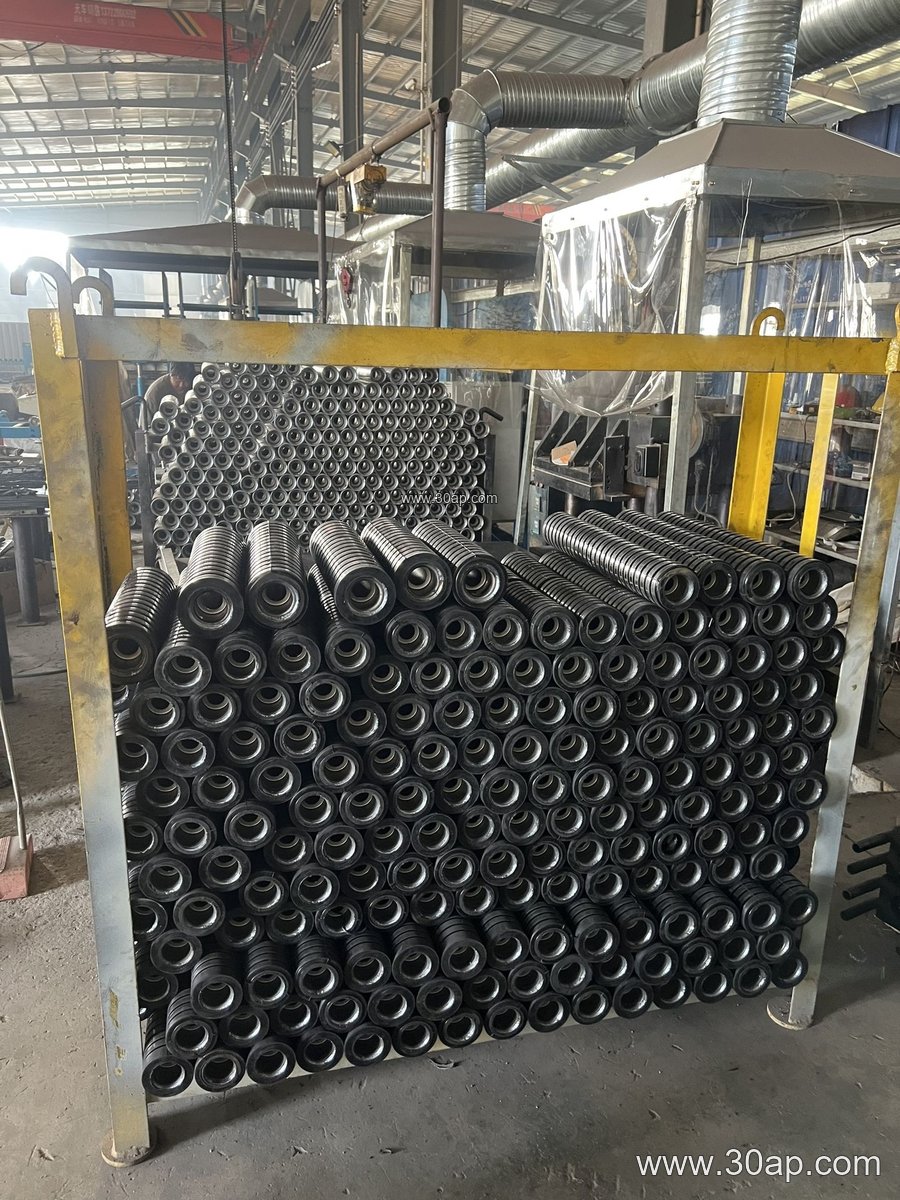
Trough Angle and Roller Dimensions
Trough angles of 20, 30, 35 and 45 degrees are common. A deeper angle tends to hold material more securely, but it also changes the belt path and the load on the rollers. The correct angle is a design decision, not a universal rule. Roller lengths vary with belt width, trough angle and the number of rollers in the set. On a three-roller troughing set, typical mid-roller lengths might be around 200 mm for B500, 250 mm for B650, 315 mm for B800, 380 mm for B1000, 465 mm for B1200, 530 mm for B1400 and 600 mm for B1600, but side rollers may differ and these values are examples rather than fixed pairings.
| Reference item | Common examples | Notes |
|---|---|---|
| Roller diameter | Ø63, Ø76, Ø89, Ø102, Ø108, Ø127, Ø133, Ø159, Ø178, Ø194, Ø219 | Selection depends on belt speed, load and frame design |
| Belt width | B400, B500, B650, B800, B1000, B1200, B1400, B1600, B1800, B2000 | Wider belts usually need larger or heavier sets |
| Trough angle | 20°, 30°, 35°, 45° | Set by the frame and the application |
| Roller surface | Steel, nylon, ceramic, rubber ring | Rubber rings help with impact and noise |
A set for an EP Conveyor Belt or a Steel Cord Conveyor Belt is not selected from belt width alone; belt tension, material density and loading conditions all matter. On a high-abrasion duty such as iron ore or copper ore, a ceramic or rubber-covered roller may last longer than a plain steel shell, but the final choice should follow the conveyor design.
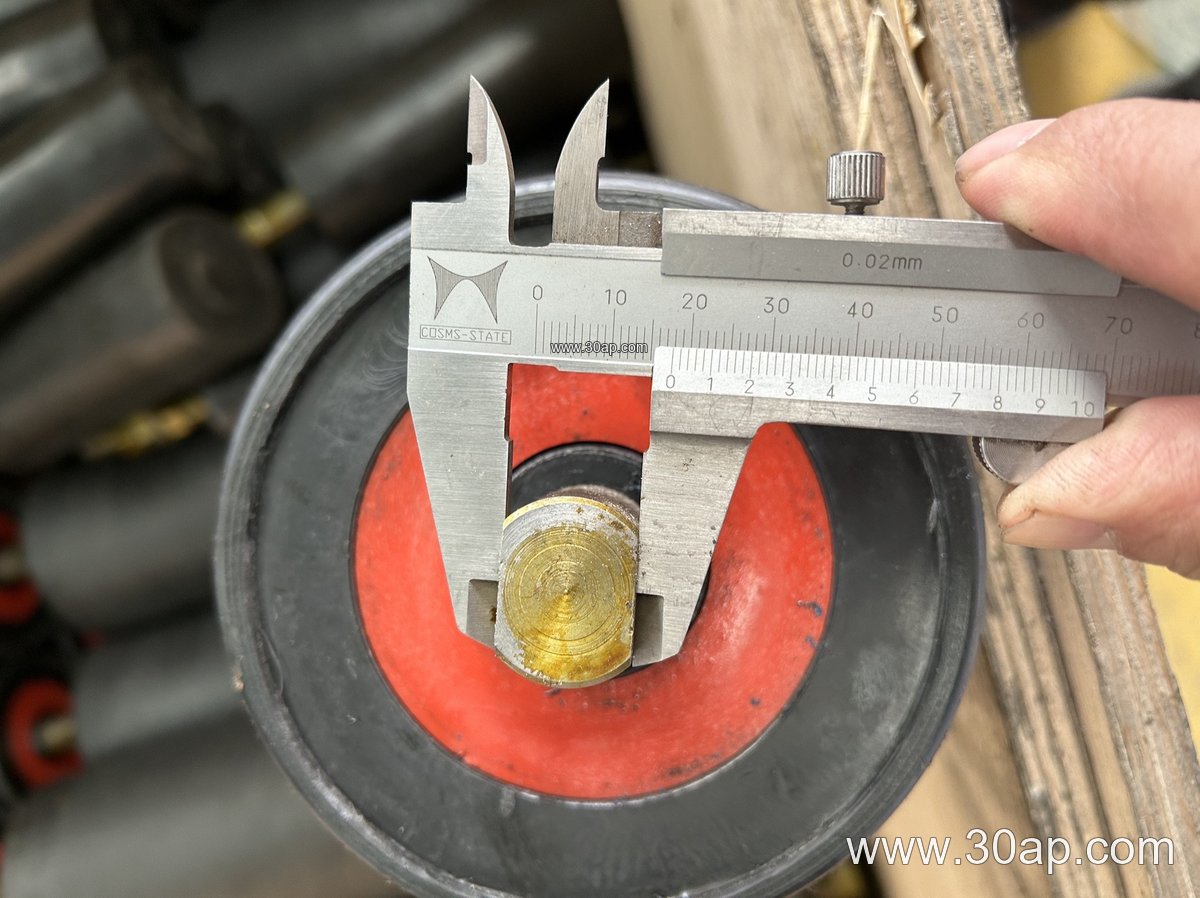
Where Trough Idler Sets Are Used
These sets appear wherever a belt carries bulk material. In a coal mining conveyor or an underground coal mining conveyor, flame retardant conveyor belt and anti-static conveyor belt are often specified, and the idler set must suit the same dusty, damp environment. In a cement plant, the rollers handle clinker, limestone and cement powder on belts that may be heat resistant or abrasion resistant. A power plant coal handling system, a port ship loading line and a crushing and screening plant all rely on troughing sets to keep the belt loaded and stable.
When the material is wet or sticky, a spiral roller or a rubber ring roller can reduce buildup. Where impact is severe at the loading chute, an impact idler set is sometimes used for comparison, but the troughing set remains the main carrying component along the run.
What Buyers Should Check
Before ordering, confirm the belt width, the trough angle, the number of rollers, the roller diameter and the frame mounting dimensions. Ask how the bearing is sealed and whether the roller shell is plain steel or covered. For a fabric core conveyor belt line, lighter rollers may be enough, while a heavy-duty mining conveyor belt with high tension may call for larger bearings and a stronger frame. Keep spare rollers on hand and check alignment regularly; a small tracking fault can wear a belt edge long before the idler itself fails.
For more on matching carrying idlers with conveyor belt, idler roller and conveyor pulley components, visit www.hnconveyorbelt.com to review compatible options.