What a Heat Resistant Conveyor Belt Does
A heat resistant conveyor belt is a rubber conveyor belt built to carry hot bulk materials without the cover compound breaking down too quickly. In cement plants, steel plants, power plants and sinter lines, material often leaves a kiln, cooler or furnace at temperatures that would soften or crack an ordinary rubber belt. The heat resistant conveyor belt uses a heat-stable cover compound, and usually a heat-tolerant carcass, to keep the belt running through those conditions.
It is not the same as a general-purpose rubber conveyor belt. The compound is formulated to resist hardening, cracking and cover loss under heat, while the fabric or steel cord carcass is selected so the belt keeps its strength. Buyers often call it a high temperature conveyor belt, and the two names describe the same product.
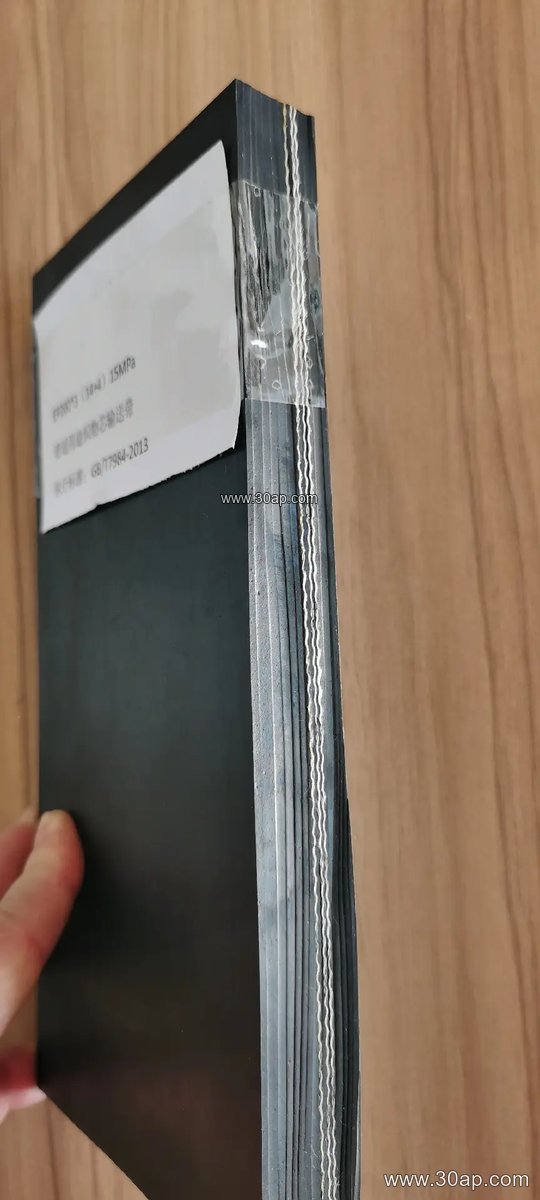
How the Belt Is Built
A typical construction has three parts. The top cover faces the hot material and carries most of the heat load. The carcass provides tensile strength, and the bottom cover protects the pulley side. Fabric-core versions use EP or NN plies, while heavier duties may use a steel cord conveyor belt carcass.
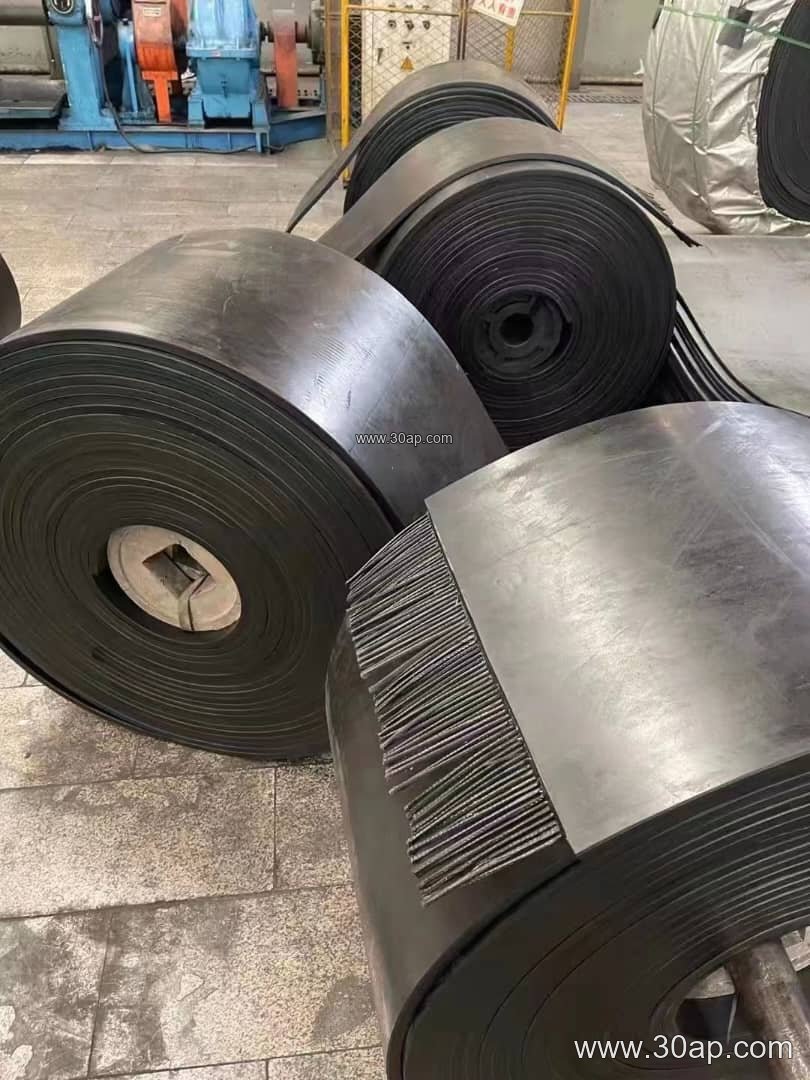
- Cover compound: heat-resistant rubber, usually with a defined cover thickness
- Carcass: multi-ply fabric core or steel cord, chosen for the required strength
- Edge construction: cut edge or moulded edge, depending on the application
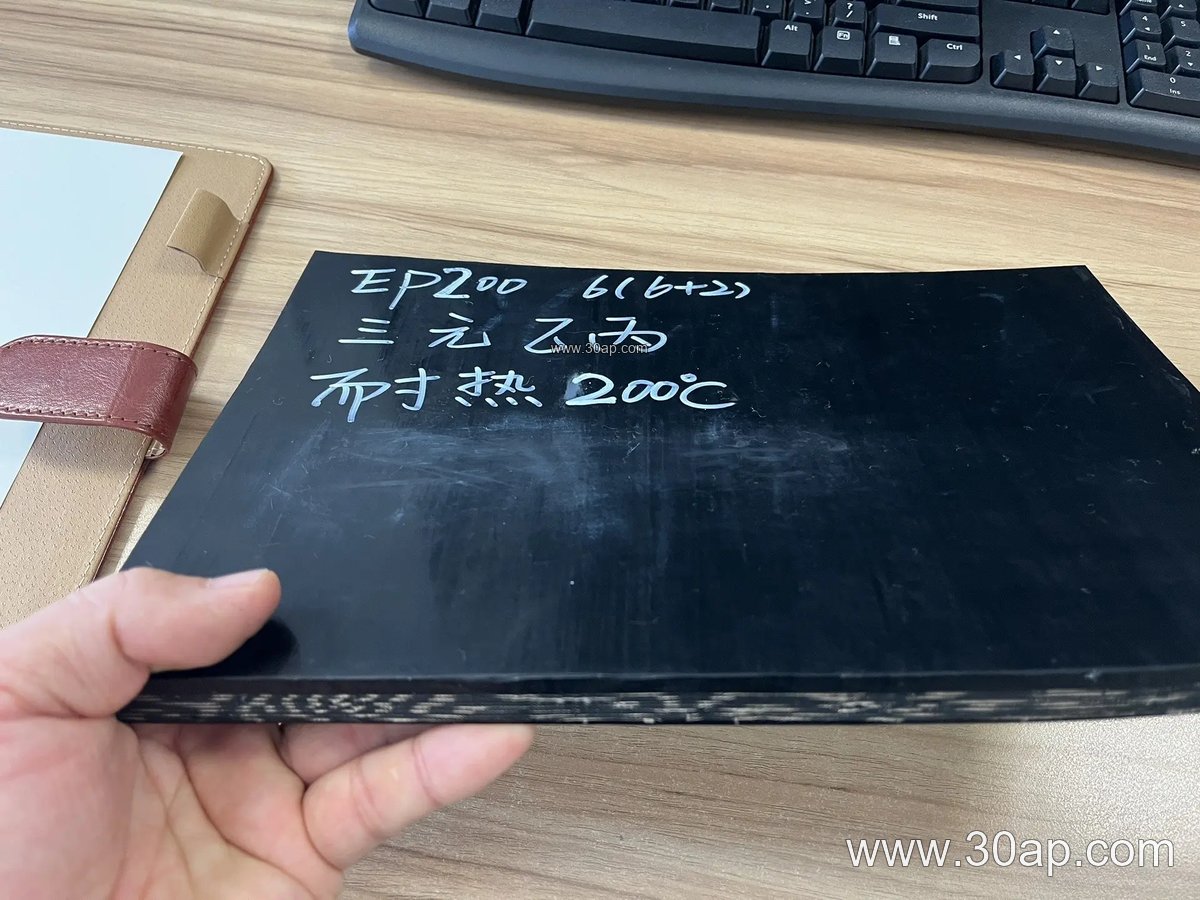
Common cover grades are quoted in millimetres, for example 4+2, 5+2, 6+2 or 8+3 mm. Carcass plies commonly run from 2 to 6 layers in fabric designs. These are reference values, and the final build should be confirmed with the belt manufacturer for the actual duty.
Where It Is Used
The main users are cement plants, steel plants, power plants, lime kilns, foundries and sinter plants. A cement conveyor belt may carry clinker; a power plant belt may handle ash or hot limestone; a steel plant belt may move sinter or coke. In mining, a heat resistant conveyor belt can appear on ore conveyor belt runs where processed material stays warm, though ordinary mining conveyor belt duties usually call for abrasion resistant or flame retardant grades instead.
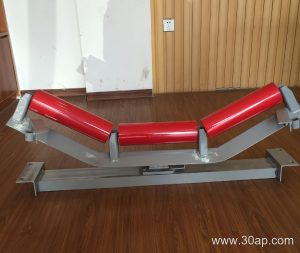
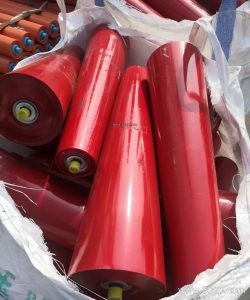
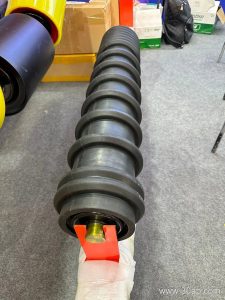
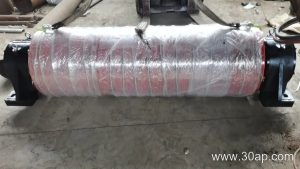
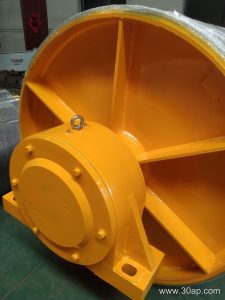
The belt works with conveyor pulleys, idler rollers and conveyor brackets as part of one system. Drive, tail and bend pulleys each have their own role, and the belt must suit the pulley diameters and trough angles in the existing frame. A conveyor pulley that is too small for a thick heat resistant belt can shorten belt life, so check the pulley and roller layout before ordering.
Types and Related Grades
Heat resistance is one property among several. A buyer may need a combined grade, such as heat resistant plus flame retardant for a coal or power application, or heat resistant plus abrasion resistant where the material is also sharp and abrasive. Other grades include oil resistant, cold resistant and anti-static constructions. For steep inclines, a chevron conveyor belt or corrugated sidewall belt may be used, but those are separate designs and not a replacement for a flat heat resistant belt.
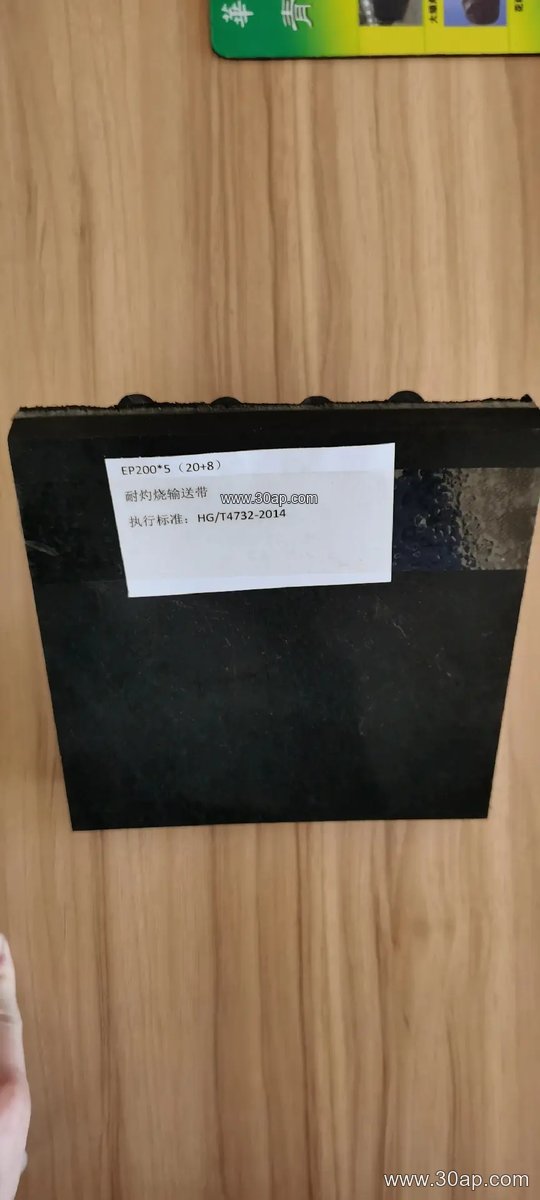
| Property | Typical reference |
|---|---|
| Strength grades (EP) | EP200, EP315, EP400, EP500, EP630, EP800, EP1000, EP1250, EP1600, EP2000 |
| Belt widths | B500, B650, B800, B1000, B1200, B1400, B1600, B1800, B2000 |
| Cover thickness | 3+1.5, 4+2, 5+2, 6+2, 8+3 mm |
| Carcass plies | 2 to 6 layers, fabric core |
These figures are common references, not fixed combinations. A wide belt does not dictate one pulley diameter, and a strength grade does not fix the cover thickness. The duty, material temperature and conveyor layout decide the final specification.
What to Check Before Buying
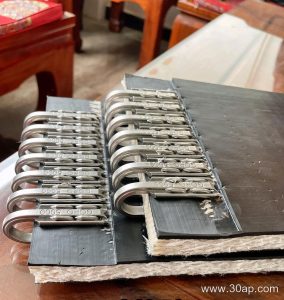
Start with the material temperature and whether it is continuous or peak. Then confirm the lump size, tonnage, trough angle and pulley diameters. Ask for the cover grade and carcass type in writing, and check that the splice method suits the belt. For hot material, a vulcanised splice is usually preferred over mechanical fasteners.
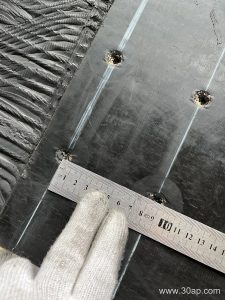
During operation, watch the belt surface for hardening, small cracks or edge separation. Keep idler rollers turning freely and check that no material builds up on the return side. A heat resistant conveyor belt lasts longer when the conveyor is aligned, the rollers are maintained and the belt is not overloaded beyond its design. For a full range of conveyor belt, idler roller and conveyor pulley options, match the belt grade to the real working temperature rather than to a catalogue headline.