What the Conveyor Idler Shaft Does
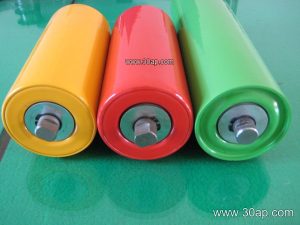
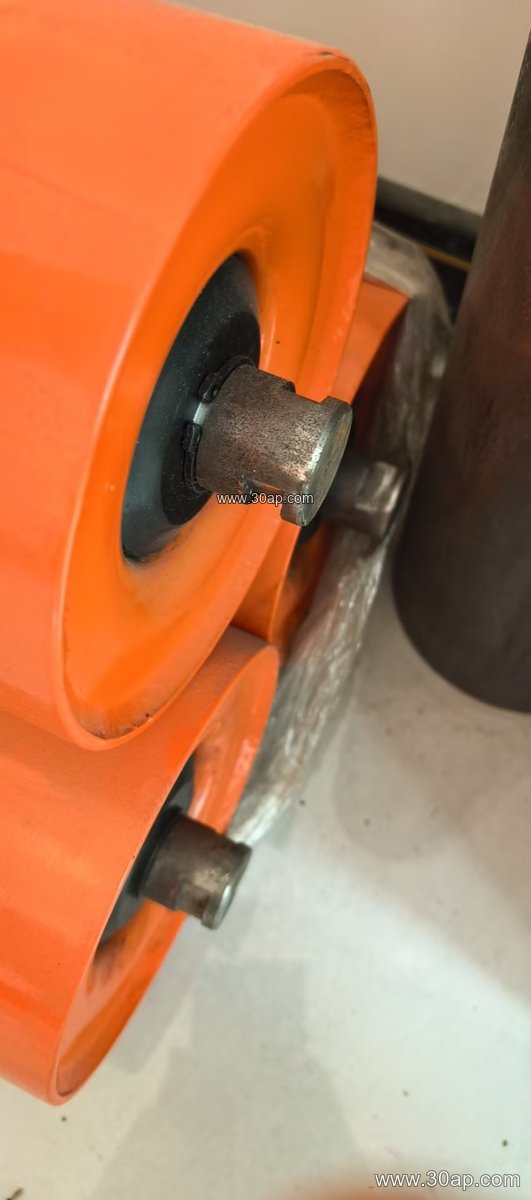
The conveyor idler shaft is the stationary axle inside every idler roller on a belt conveyor. While the roller shell and its bearings rotate under the moving belt, the shaft stays fixed and is clamped at both ends into the conveyor bracket or frame. In practice, this small steel component carries the entire vertical load of the belt and the material on it, transfers that load to the structure, and sets the position and alignment of the roller. A worn or undersized shaft shows up quickly as vibration, belt wander, or premature bearing failure, which is why buyers in quarry, cement, and power plant bulk handling pay close attention to it.
How an Idler Shaft Is Built
Most shafts are machined from round carbon steel bar, then turned down at the ends to create bearing seats and retaining grooves. The middle section may be left slightly larger to act as a shoulder that positions the bearing races, and the two ends are usually flattened or drilled for a locking pin, a through-bolt, or a clamp that grips the bracket. Common construction details include:
- Cold-drawn or hot-rolled round bar, often with a light anti-rust coating
- Machined bearing journals held to a close tolerance so the bearing fits without play
- End flats, cross holes, or threaded ends for fixing into the bracket
- Optional labyrinth or felt seals riding on the shaft shoulder to keep dust out
The shaft is a structural part, not a wear part, so its diameter and material grade are normally matched to the roller diameter, the belt width, and the load per idler station rather than chosen in isolation.
Where It Sits on the Conveyor
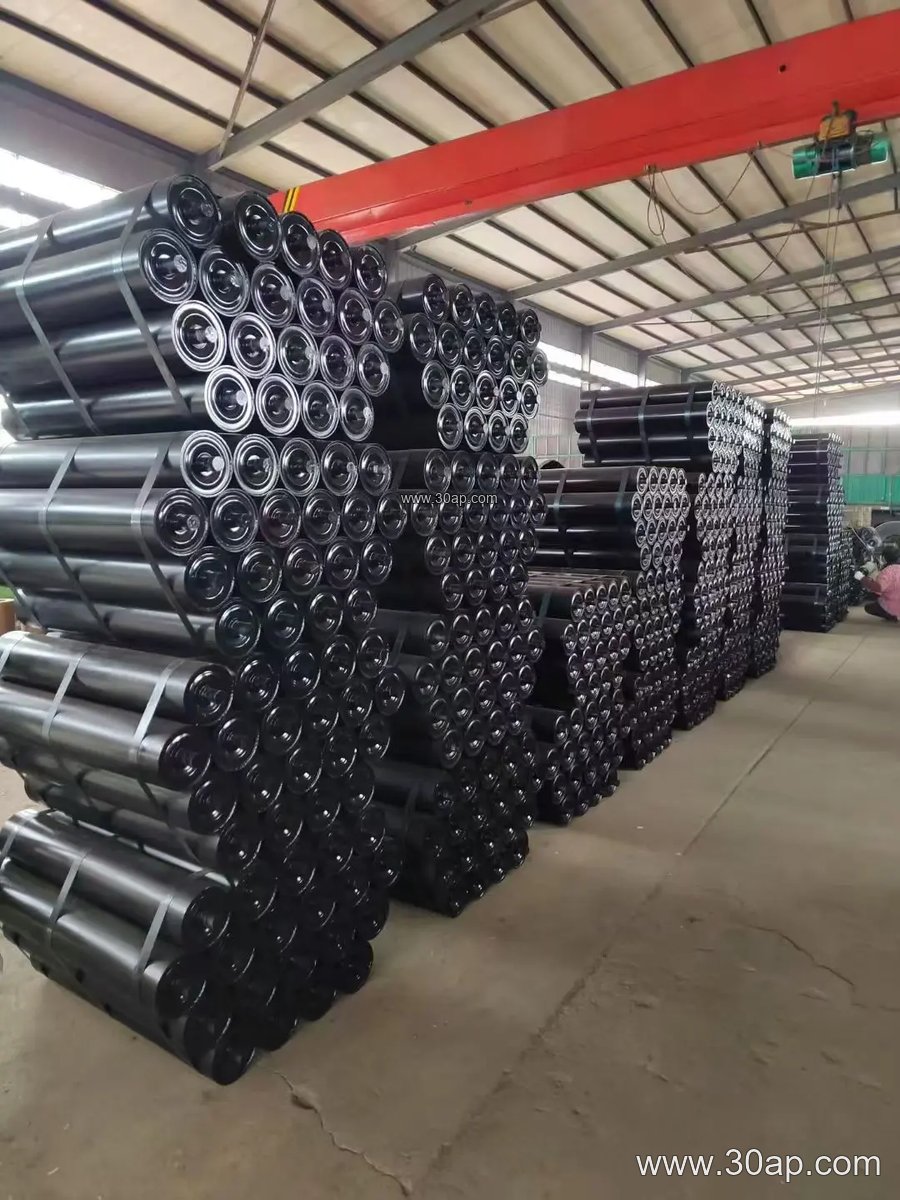
Every carrying idler and return idler uses one. A three-roll troughing set on a B1000 belt, for example, has three separate shafts, one per roller, each clamped into the same bracket. The same part appears in transition idlers near the pulley, in impact idlers under the loading point, and in self-aligning idlers that steer the belt back on track. In a coal mining conveyor or a limestone quarry line, hundreds of these shafts sit under a single flight, so small quality differences multiply across the whole run.
Shaft Diameter, Roller Diameter, and Belt Width
Buyers often ask whether a given belt width fixes the shaft size. It does not. The shaft diameter follows the roller diameter and the calculated load, and the roller diameter is chosen from belt speed, load, and the space available. The table below shows typical pairings seen in general design work; they are reference patterns, not mandatory combinations.
| Roller diameter (mm) | Typical shaft diameter (mm) | Common bearing | Typical belt width range |
|---|---|---|---|
| Ø63 – Ø76 | Ø15 – Ø20 | 6204 / 6205 | B400 – B650 |
| Ø89 – Ø108 | Ø20 – Ø25 | 6205 / 6305 | B500 – B1000 |
| Ø127 – Ø133 | Ø25 – Ø30 | 6305 / 6306 | B800 – B1400 |
| Ø159 – Ø178 | Ø30 – Ø40 | 6308 / 6310 | B1000 – B1800 |
| Ø194 – Ø219 | Ø40 – Ø50 | 6310 and above | B1400 – B2400 |
Roller length is a separate variable. On a three-roll troughing set, common roller lengths run from about 200 mm on B500 up to roughly 750 mm on B2000, and the side rollers can differ from the centre roller. The shaft length must match the roller shell plus the bearing housing and the bracket gap.
Matching the Shaft to the Rest of the System
A shaft that suits a light aggregate conveyor will not suit a heavy-duty mining conveyor carrying iron ore at high tonnage. When specifying, confirm the load per idler, the belt speed, the trough angle, and the sealing arrangement. A 35-degree troughing set loads the shaft differently from a 20-degree set, and impact idlers at a crusher discharge see shock loads that call for a larger journal. The belt itself matters too: a heavy steel cord conveyor belt or a thick abrasion resistant conveyor belt adds steady weight, while a chevron conveyor belt or corrugated sidewall conveyor belt can introduce extra lateral forces. For abrasive or wet conditions, seals running on the shaft shoulder should be checked as part of routine maintenance, since grit entering the bearing is the most common cause of seizure.
Buyer Checklist
- Confirm roller diameter, shaft diameter, and shaft length as a set, not separately
- Check the end fixing style against the existing conveyor bracket
- Ask for the bearing number and seal type, and verify they suit the dust and moisture level
- Confirm material grade and coating for the site environment, especially in coal mining conveyor or port applications
- Order spares by the full assembly reference so shafts, shells, and brackets stay compatible
For a full conveyor line, the shaft is one of the cheapest parts but one of the most frequently replaced, so consistent dimensions across a spare parts stock make maintenance faster and reduce downtime on the belt.