What a Mining Conveyor Pulley Does on the Line
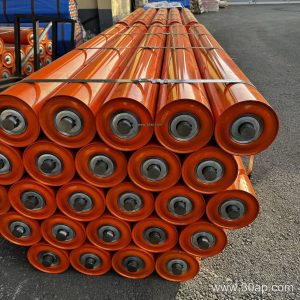
A mining conveyor pulley is the rotating drum that turns a conveyor belt, sets its path, and carries the tension of the whole system. On a quarry or ore line, this component is not a simple roller; it is a load-bearing assembly that must survive dust, grit, moisture, and continuous starts and stops. The drum is usually described by its role in the conveyor layout, and drive, tail, and bend pulleys each perform a different job. A drive pulley transmits torque from the gearbox to the belt, a tail pulley forms the return end, and a bend pulley changes belt direction without driving. These roles are not interchangeable, so a buyer should always name the position before discussing dimensions.
Construction and Surface Options
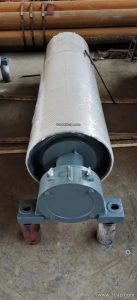
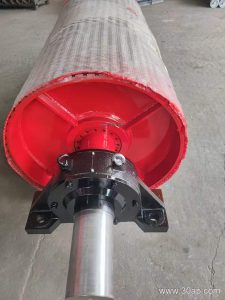
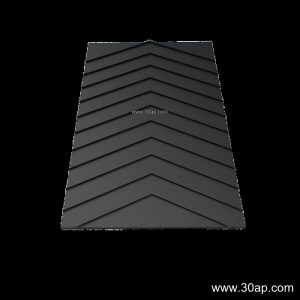
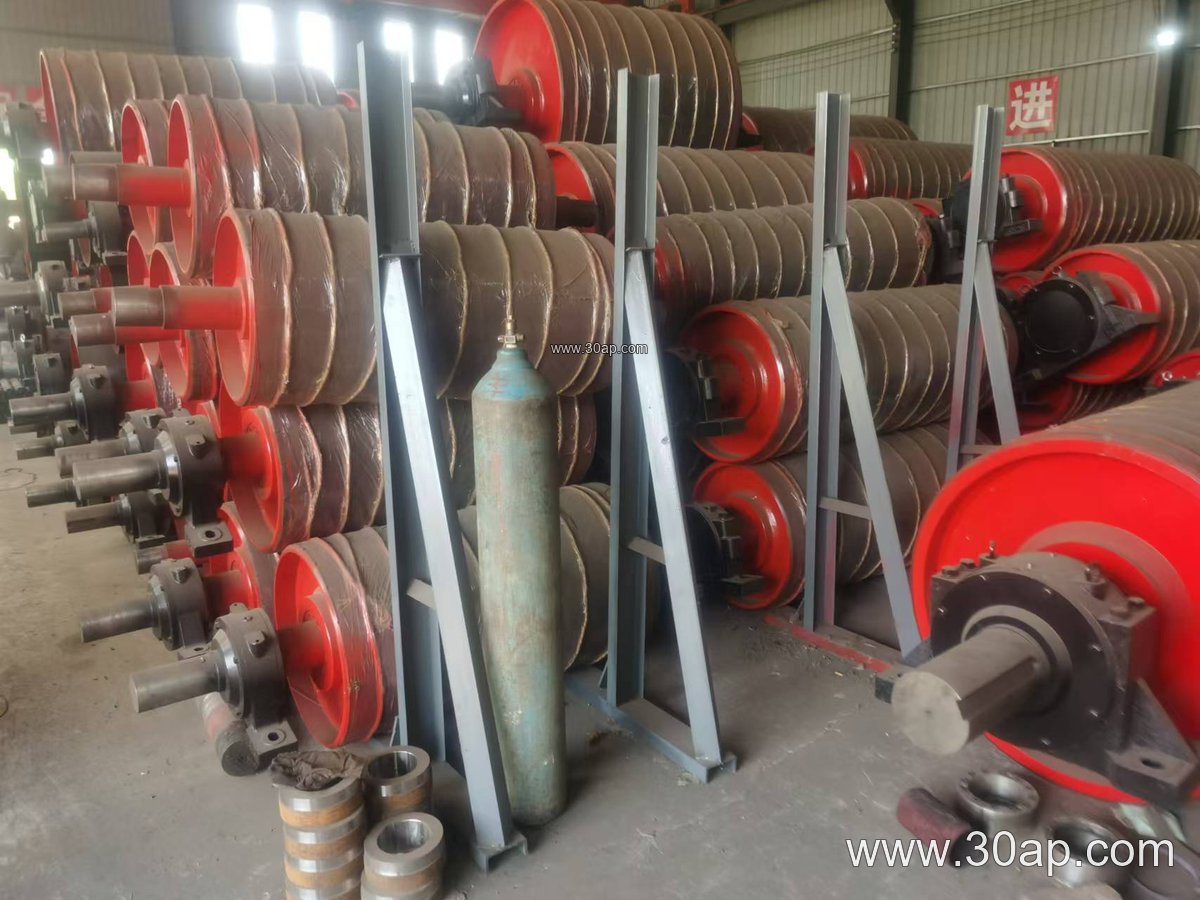
The basic structure is a steel shell with end discs, a shaft, bearing housings, and a lagging surface. Shell thickness and shaft diameter are sized by torque and radial load rather than belt width alone. Common shaft sizes include Ø80, Ø100, Ø120, Ø140, and Ø160, but the final value must come from the conveyor designer. Surface forms matter for grip and wear: plain, cast rubber, cold-bonded rubber, hot-vulcanized rubber, diamond lagging, herringbone lagging, ceramic lagging, and flat rubber sheet. Lagging thickness is often 8, 10, 12, 15, or 20 mm depending on the duty.
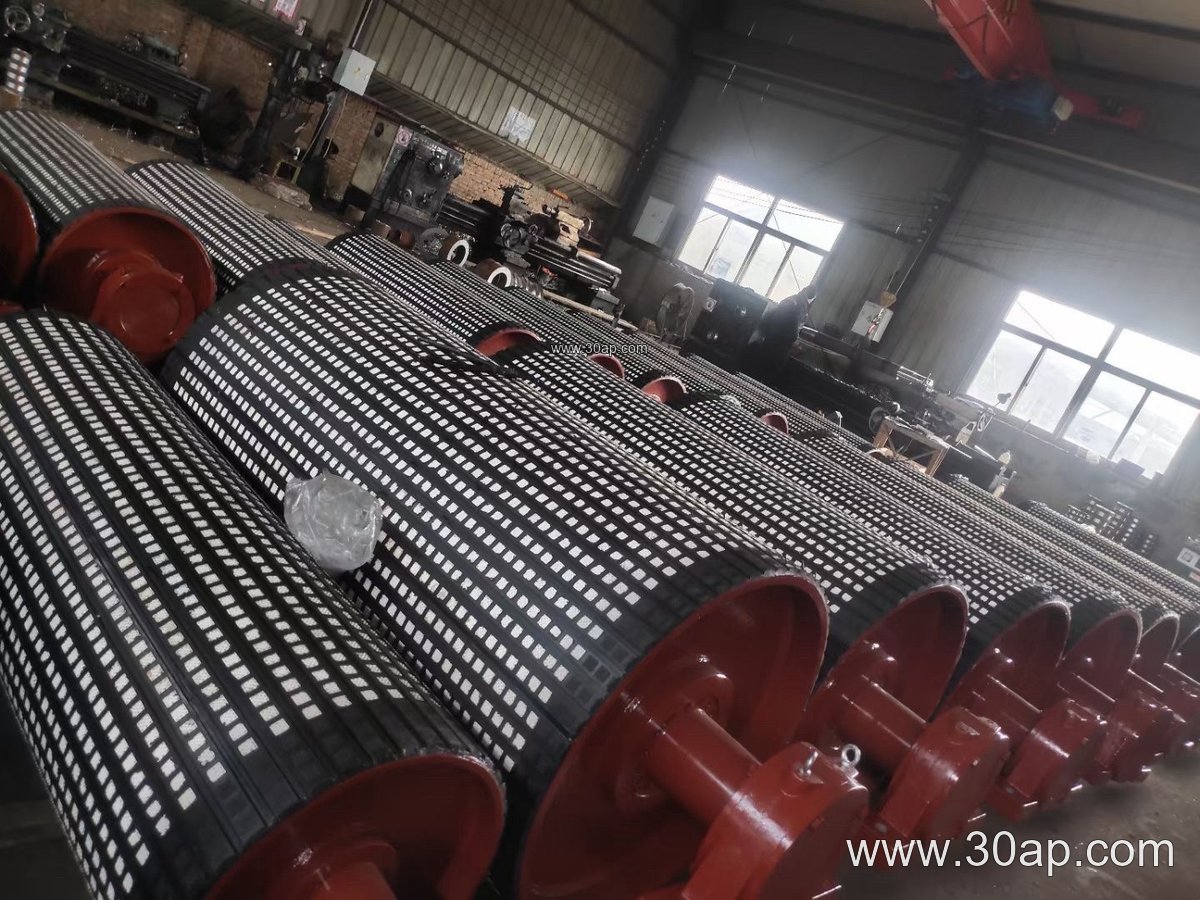
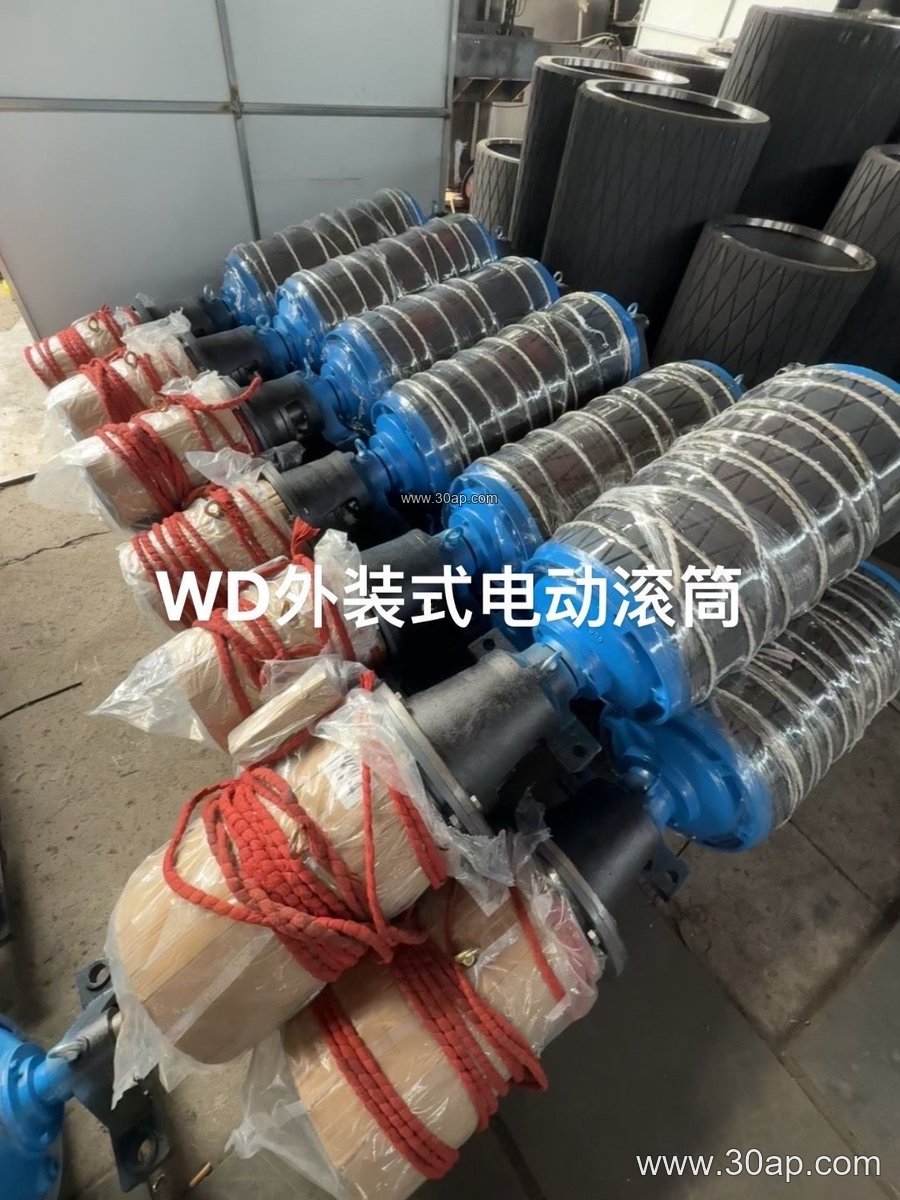
Shell width usually exceeds belt width so the belt is supported across its full face. For example, a B800 belt often pairs with a shell around 950 mm, and a B1200 belt with roughly 1400 mm. Typical combinations such as B800 × Ø500 or B1200 × Ø1000 appear in many layouts, but they are reference points, not fixed rules. A heavy-duty mining conveyor pulley on an iron ore or copper ore line may use a larger diameter to reduce belt stress and improve traction.
Where It Fits in Mining and Processing
These drums appear across the bulk material chain. In a coal washing plant, a flame retardant conveyor belt and anti-static conveyor belt are common, and the pulley lagging must resist fine coal dust. In a cement plant, heat resistant conveyor belt sections may follow the clinker cooler, while the pulley itself needs reliable bearings and a clean surface. Power plant coal handling, port bulk terminals, and aggregate crushing circuits all rely on a properly matched drum. On a quarry conveyor belt line, abrasive rock fines demand abrasion resistant lagging and a robust shaft. For long overland runs using steel cord conveyor belt or EP conveyor belt, the drive pulley is often the largest and most heavily loaded unit.
Matching the Drum to the Belt and the Duty
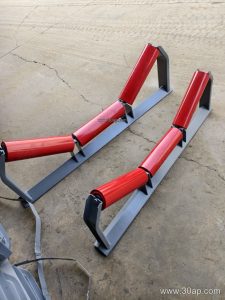
Selection starts with the belt, not the drum alone. A multi-ply fabric core conveyor belt, an NN conveyor belt, or a steel cord belt each has a different modulus and tracking behavior, which affects the diameter needed to avoid excessive bending stress. The pulley should be sized with the belt manufacturer’s recommended minimum diameter, then checked for torque, shaft deflection, and bearing life. A conveyor bracket and a set of conveyor idler roller frames must align with the pulley centerline so the belt trains correctly.
- Confirm the position: drive, tail, bend, take-up, or snub.
- State belt width, belt type, and belt tension range.
- Specify lagging pattern and thickness for the material handled.
- Provide shaft and bearing data from the conveyor design.
Maintenance and Buyer Checks
Inspect lagging wear, check bearing temperature, and verify that the belt does not wander across the face. A worn drive pulley loses grip and can cause slippage, while a damaged bend pulley may mistrack the belt. Keep spare lagging sheets and fasteners consistent with the original specification. Buyers should request a dimension drawing, material certificates for the shell and shaft, and a clear statement of the surface finish. For a mining conveyor pulley, the most useful specification is the one tied to the actual conveyor duty, not a generic size list.