What a Conveyor Idler Frame Actually Does
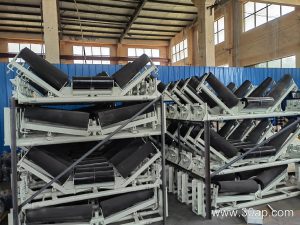
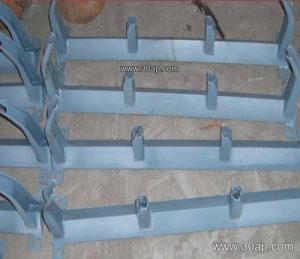
A conveyor idler frame is the steel structure that carries the idler rollers and fixes them at the correct angle under the belt. It is sometimes called an idler support frame or roller bracket assembly, and it sits between the stringers or the conveyor structure and the rotating parts. Without it, the troughing rollers would have no stable position, the belt would sag, and material would spill along the route.
The frame does not move. Its job is to hold position, spread load, and keep the trough profile consistent from the loading point to the discharge end. In a quarry or a coal handling line, a small misalignment at the frame shows up quickly as edge wear on the belt and uneven roller loading.
How the Frame Is Built
Most frames are fabricated from angle steel, channel steel, or bent steel plate. The material choice follows the duty: light aggregate lines often use angle sections, while heavy iron ore or cement plant conveyors tend to use channel or folded plate for greater stiffness.
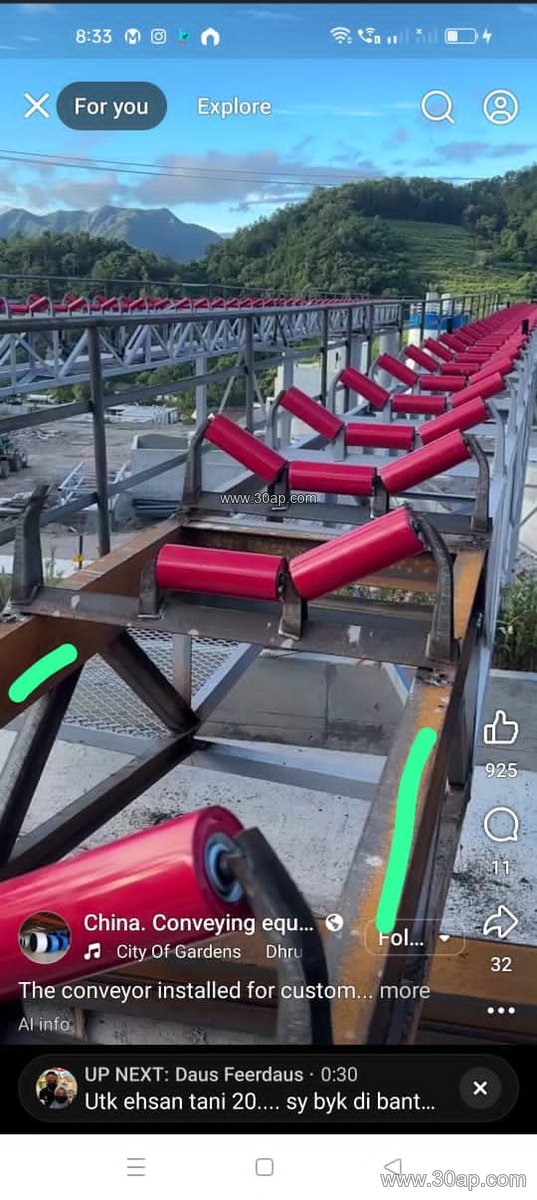
A typical assembly includes the cross beam, the end brackets that bolt to the conveyor structure, and the mounting slots or hooks that hold the idler roller shafts. The mounting hole spacing and beam length change with belt width and trough angle, so these are determined by design rather than fixed values.
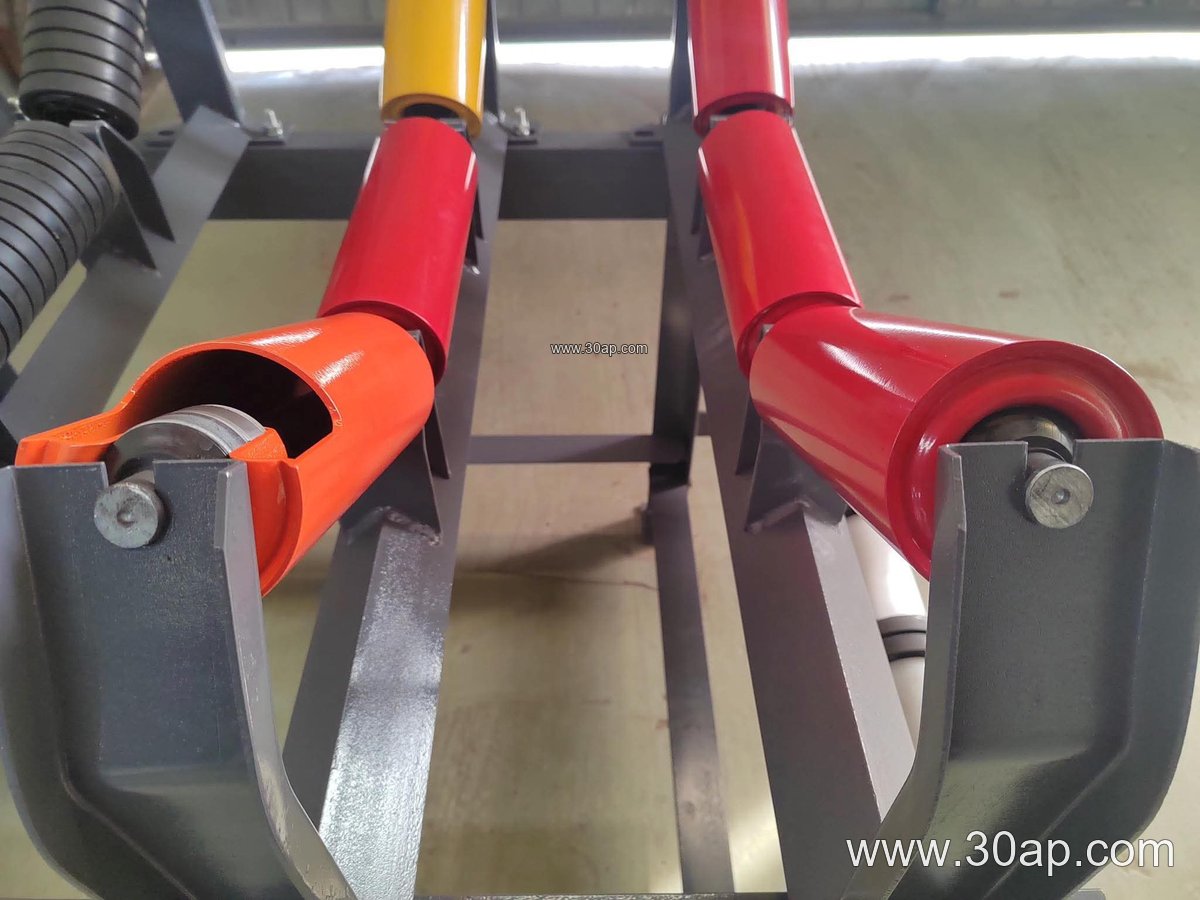
- Cross beam and end plates welded or bolted into one unit
- Roller seats set at the required trough angle
- Mounting holes matched to the conveyor stringer spacing
- Optional height adjustment for belt training
Common Frame Types and Where They Sit
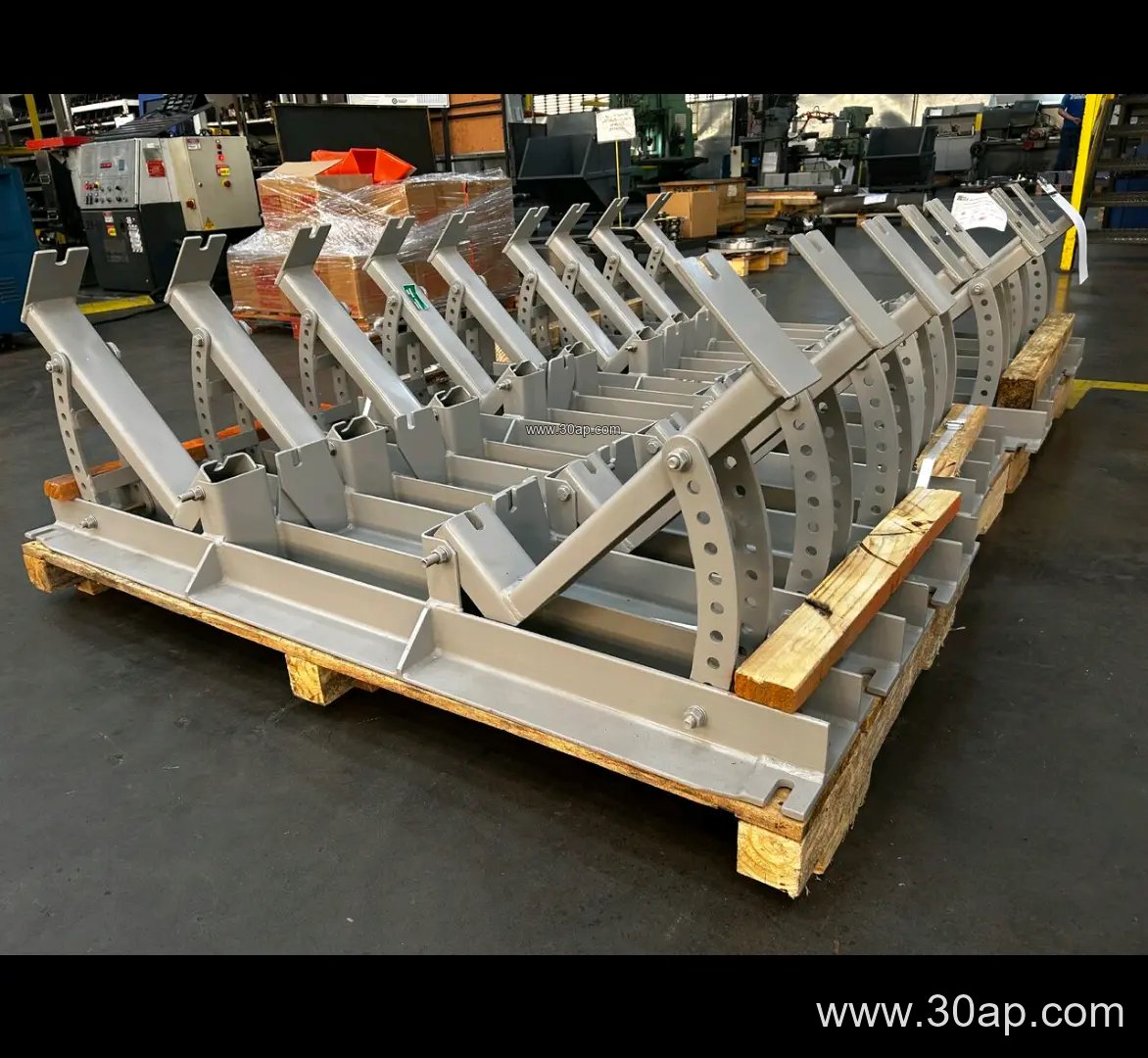
On the carrying side, troughing frames support three or more rollers in a trough shape. Transition frames are placed near the head and tail to ease the belt from flat to troughed. On the return side, flat return frames and V-return frames support the belt after discharge. Impact frames with resilient roller seats are used under crusher discharge and transfer chutes in stone crushing and aggregate plants.
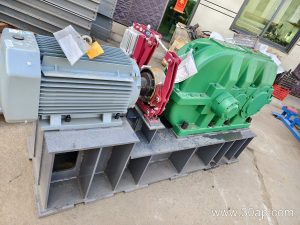
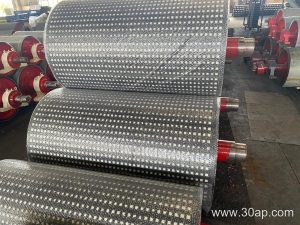
Self-aligning frames and forward-tilted frames are used where belt tracking is a concern. A forward tilt of about 1.5 to 2 degrees is common on training idlers, while self-aligning frames allow small lateral correction. These are different components from the drive pulley, tail pulley, or bend pulley, which transmit or redirect belt tension rather than support the belt.
Trough Angle, Belt Width, and Roller Diameter
The trough angle affects how much material the belt can carry and how the load is distributed across the idler rollers. Common angles are 20, 30, 35, and 45 degrees. Adjustable frames allow the angle to be changed between these values during commissioning or when the material changes.
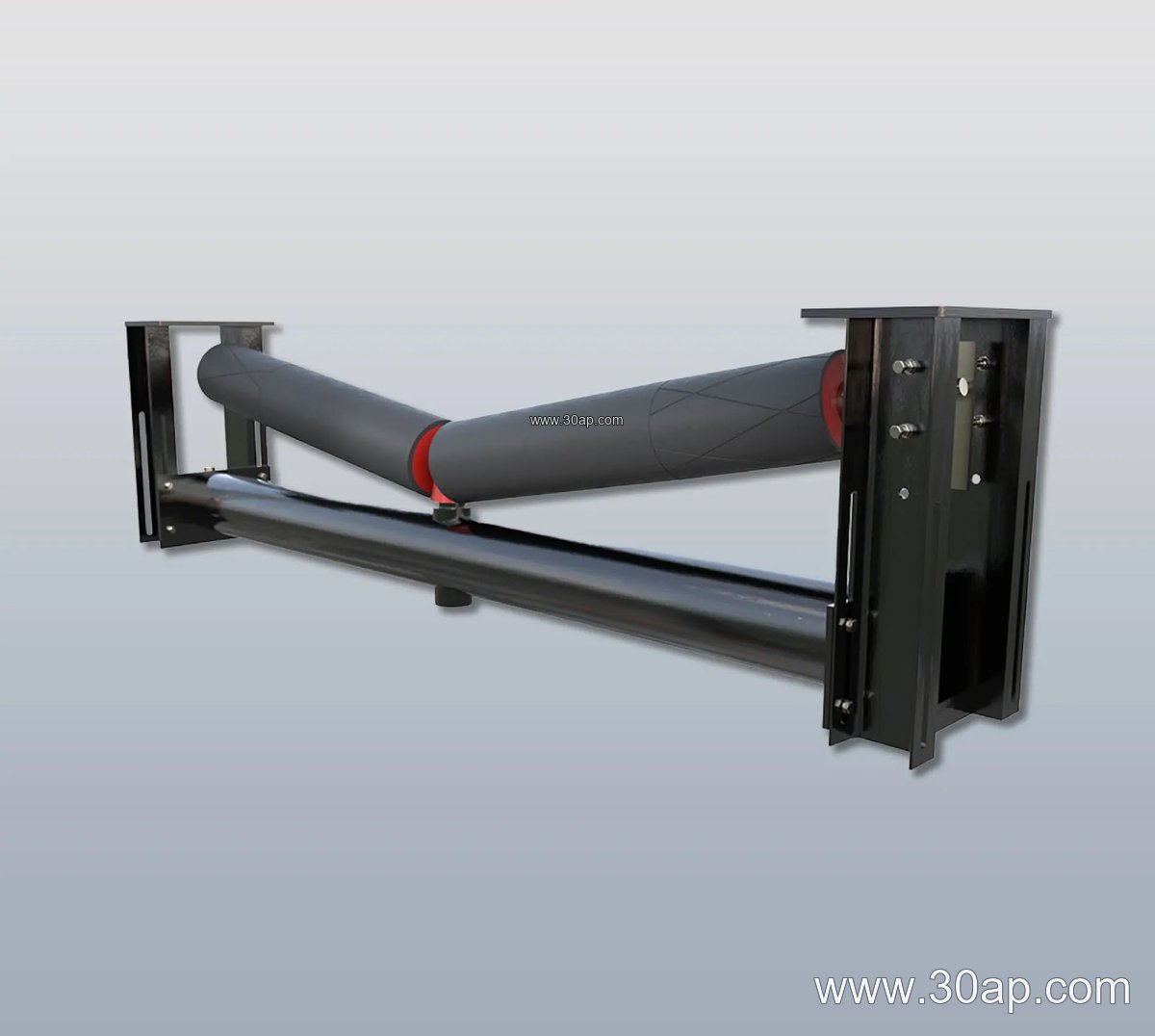
Roller diameter is selected with belt speed, load, and belt width in mind. Typical diameters include Ø89, Ø108, Ø133, Ø159, and Ø194. A given belt width can be paired with more than one roller diameter and more than one trough angle, so the combination should come from the conveyor design rather than a single rule.
| Belt width | Common trough angle | Typical roller diameter |
|---|---|---|
| B650 | 30 degrees | Ø89 |
| B800 | 35 degrees | Ø108 |
| B1000 | 35 degrees | Ø108 to Ø133 |
| B1200 | 45 degrees | Ø133 |
| B1400 | 35 to 45 degrees | Ø133 to Ø159 |
| B1600 to B2000 | 35 to 45 degrees | Ø159 to Ø194 |
These are reference combinations, not mandatory matches. The final choice depends on belt tension, material density, and the conveyor profile.
Where These Frames Are Used
You will find idler frames in almost every bulk handling line. In a limestone quarry, they carry heavy run-of-mine rock on a Mining Conveyor Belt. In a power plant coal yard, flame retardant and anti-static belting runs over frames that must resist dust and occasional heat. In a cement plant, clinker lines and raw meal conveyors use frames that tolerate abrasive fines.
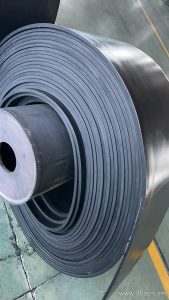
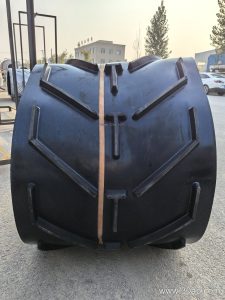
The frame also matters when the belt itself is specialist. A Chevron Conveyor Belt or a Corrugated Sidewall Conveyor Belt may need modified roller seating or additional clearance, and a Pipe Conveyor Belt uses a completely different support arrangement. On a steel plant or sinter line, Heat Resistant Conveyor Belt and abrasion resistant grades run on frames built for continuous heavy duty.
What Buyers Should Check Before Ordering
- Belt width and the actual stringer spacing on the existing conveyor
- Required trough angle and whether adjustment is needed
- Roller diameter and shaft end type used by the idler roller
- Material and finish, especially for wet, corrosive, or dusty sites
- Whether the frame is fixed or adjustable, and whether it is a carrying, return, impact, or training position
Frames are often ordered together with the conveyor bracket and roller sets, so confirming the interface dimensions early avoids site rework. For more on matching frames with belting and rollers, see belt.xxjxl.com and idler.xxjxl.com.
Installation and Maintenance Notes
Alignment is the first check after installation. Frames should sit square to the belt centerline, with consistent height along the run. Loose bolts at the conveyor bracket are a common cause of frame movement and belt mistracking. During routine inspection, look for bent beams, worn roller seats, and corrosion at welded joints. Replacing a damaged frame before it distorts the trough profile protects the belt and reduces spillage.