What a Comb Return Idler Does
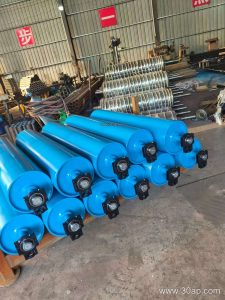
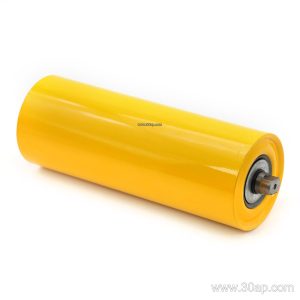
A comb return idler is a return-side idler roller with a series of rubber or polyurethane discs arranged like comb teeth along its shaft. It sits under the conveyor belt on the return run, supporting the belt and scraping off carried-back material before it reaches the tail pulley. In quarry, coal mining, and cement plant circuits, this comb return idler helps keep the belt path cleaner and reduces buildup on the return side.
Unlike a plain flat return idler, the comb return idler uses its disc profile to break the contact between the belt and the roller surface. This is useful when sticky fines, dust, or moisture cling to the belt after discharge. The comb return idler is not a substitute for a bend pulley or a tail pulley; it is a distinct return-side component that works with the conveyor bracket and frame.
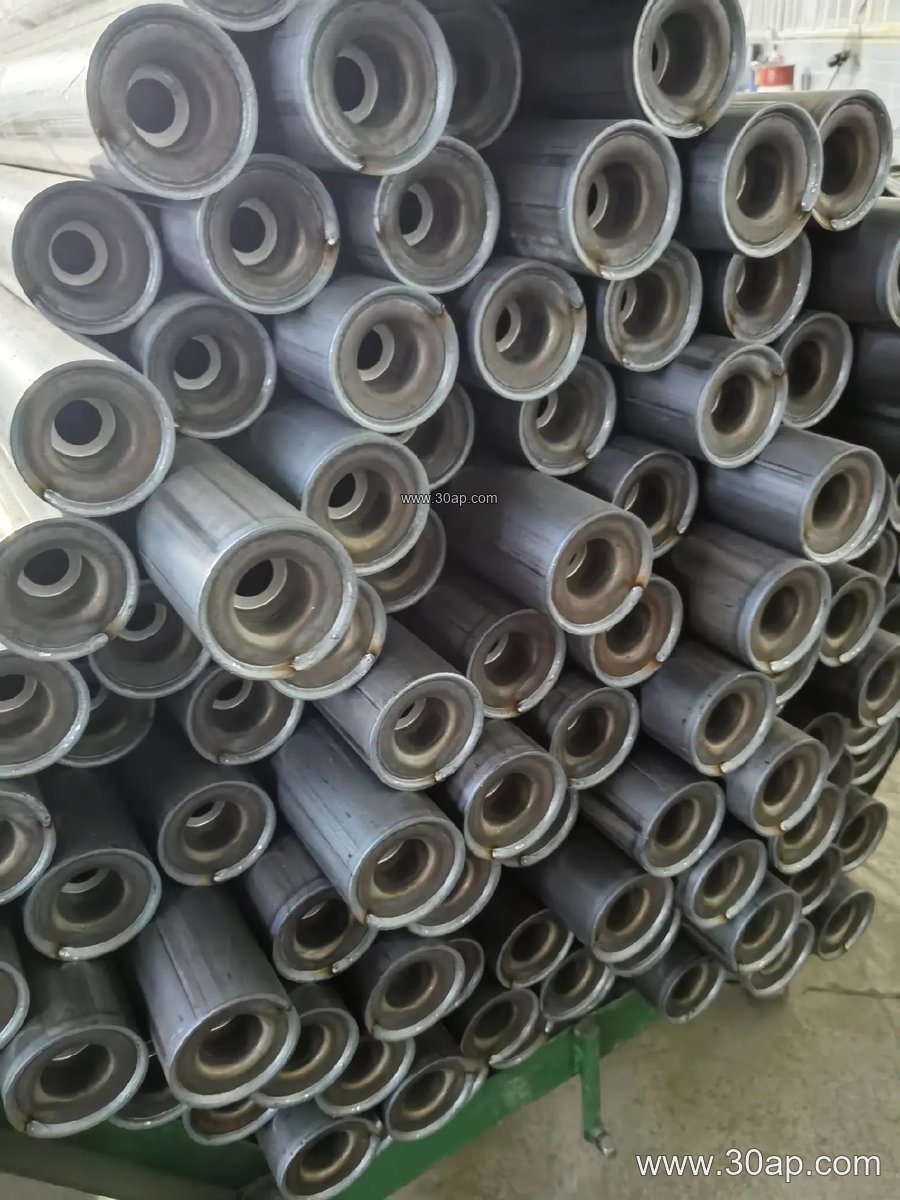
Construction and Surface Details
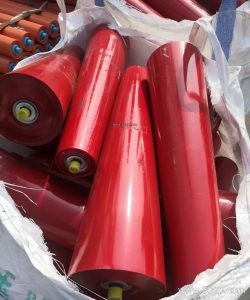
The body typically consists of a steel shaft, bearing housings, and a set of resilient discs. Common roller diameters for return idlers include Ø89, Ø102, Ø108, Ø127, and Ø133 mm, with larger sizes such as Ø159 or Ø178 mm used on heavier conveyors. The disc material is often rubber or a wear-resistant polymer, selected for the material being conveyed. Bearing sizes such as 6204, 6205, 6305, 6306, and 6308 are common, but the bearing choice should follow the load and speed calculation, not just the roller diameter.
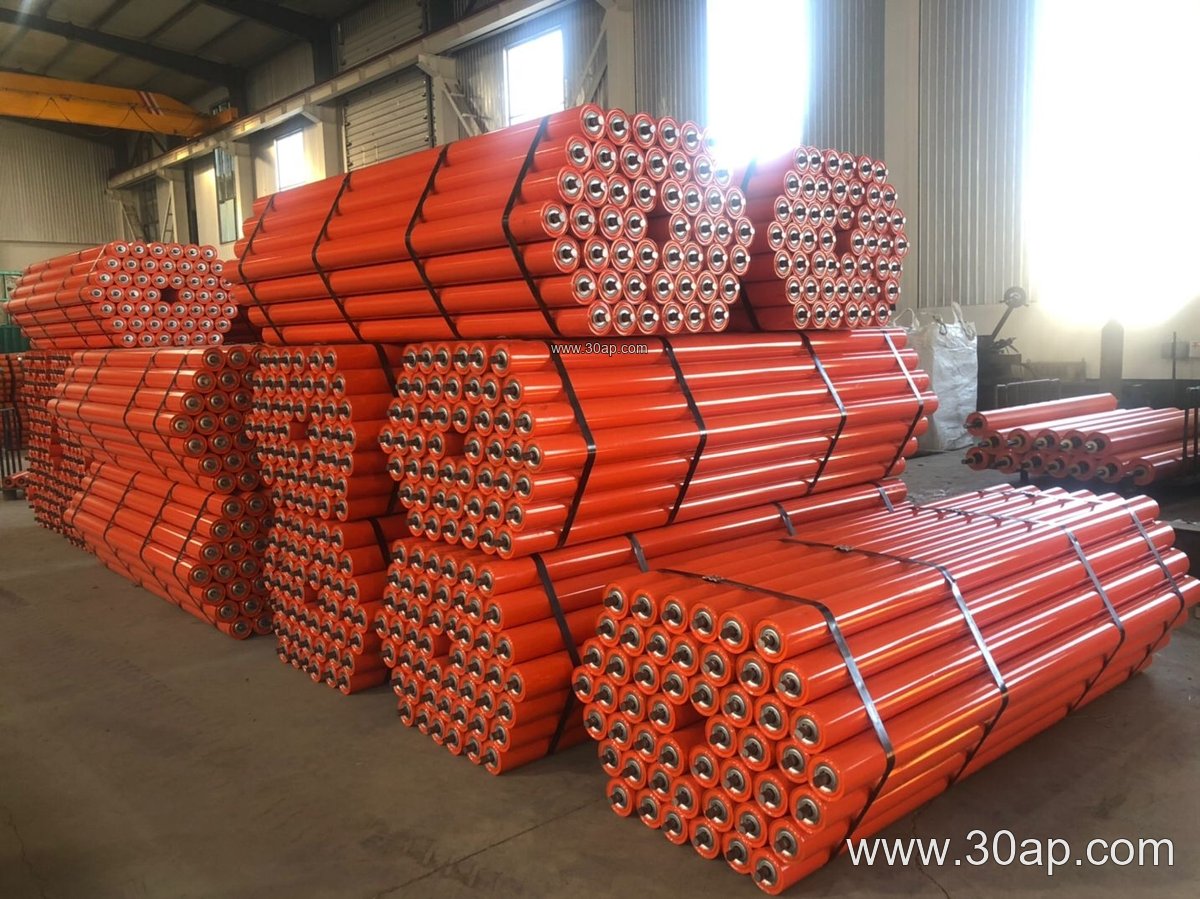
Typical roll lengths vary with belt width and frame design. For reference, a B800 conveyor often uses a return roll around 315 mm long, while a B1000 may use about 380 mm and a B1200 about 465 mm. These are common examples, not fixed rules; the actual comb return idler length is determined by the conveyor bracket spacing and the belt width. The disc spacing and hardness also matter: too soft and the cleaning action weakens, too hard and the belt may wear faster.
Where It Fits on the Conveyor
The comb return idler is usually installed on the return run, after the discharge point and before the tail pulley. In a coal mining conveyor or a power plant coal handling line, it can be placed at intervals where carryback is noticeable. In a sand and gravel plant, it helps control fines that would otherwise drop onto the ground or build up on the return idler roller. For a heavy-duty mining conveyor belt carrying abrasive ore, the comb return idler should be matched with an abrasion resistant conveyor belt and a robust frame.
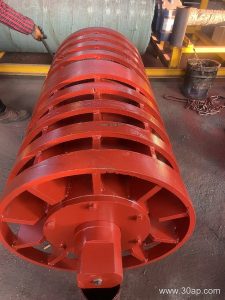
It is often used together with a V-type return idler or a flat return idler, but each has a different role. The comb return idler focuses on cleaning and support, while a training idler on the return side corrects belt misalignment. A conveyor pulley at the drive or tail end remains a separate item and is not interchangeable with any return idler.
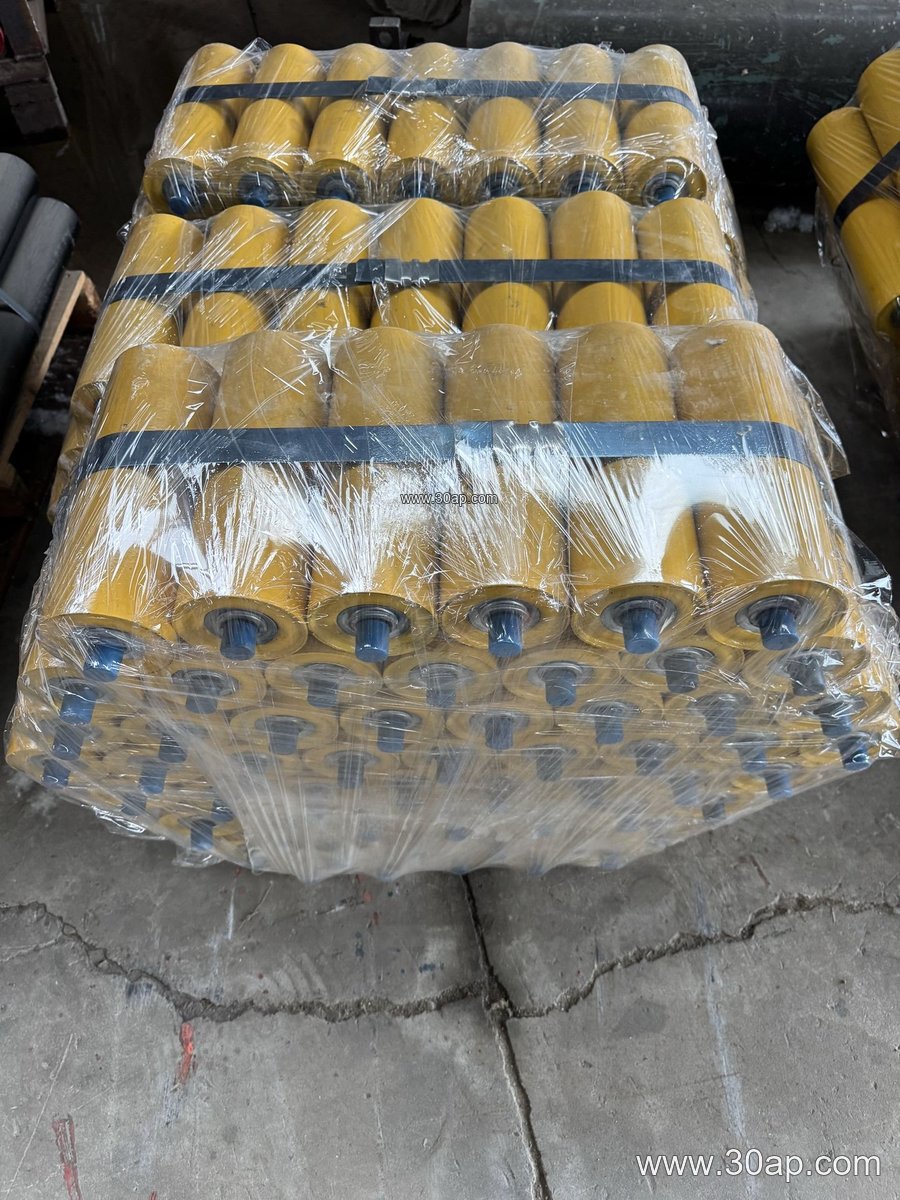
Selection Points for Buyers
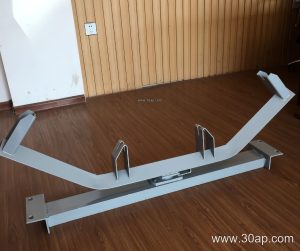
Begin with the belt width and the return frame dimensions. A comb return idler for a 650mm conveyor belt will not fit a 1200mm wide conveyor belt without the correct shaft and bracket length. Check the belt speed, the material stickiness, and the ambient conditions. In a cement plant or a limestone quarry, dust and moisture are common; in a steel plant or sinter plant, heat may be present, so the disc compound should be discussed with the supplier.
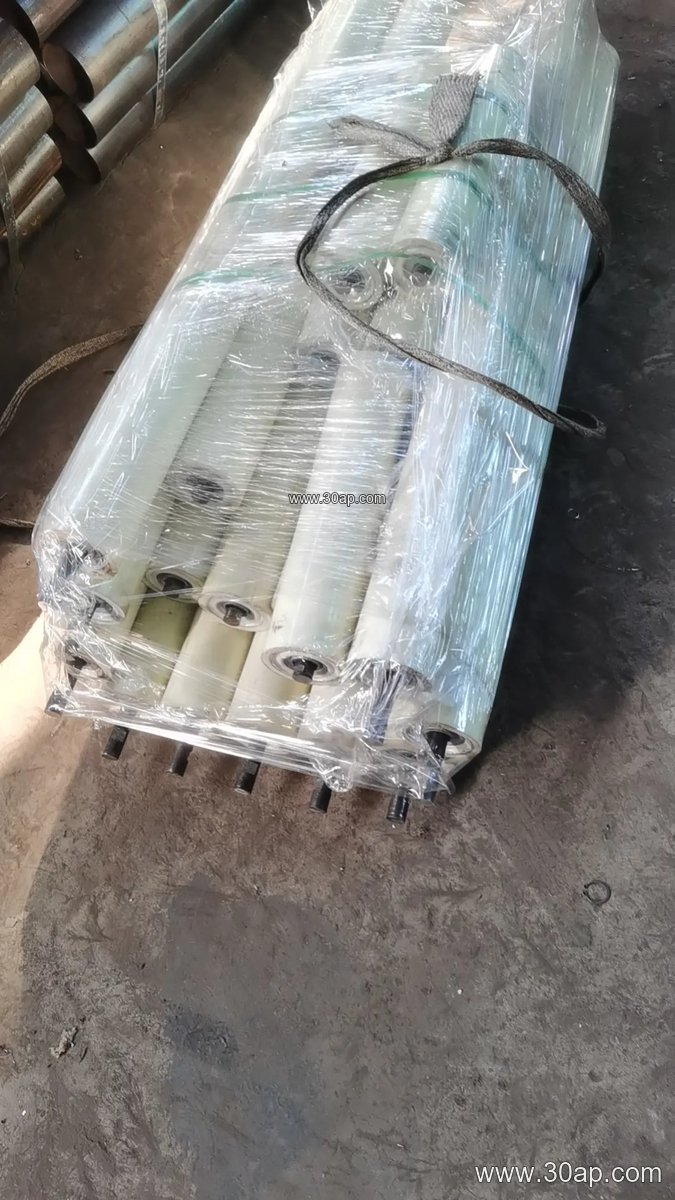
Ask for the shaft diameter, bearing type, disc hardness, and the recommended installation spacing. Do not assume a fixed shaft diameter from belt width alone. The comb return idler should be ordered with the correct conveyor bracket or mounting plate. For conveyors using an EP conveyor belt or a steel cord conveyor belt, confirm that the return idler load rating matches the belt tension and the material load. A fabric core conveyor belt may need a different spacing than a heavy steel cord belt.
Maintenance and Common Mistakes
Inspect the comb return idler for worn discs, seized bearings, and material wrapping around the shaft. A worn disc reduces cleaning efficiency and may allow carryback to reach the tail pulley. Check that the idler rotates freely and that the bracket bolts remain tight. In a quarry conveyor or a crusher conveyor, impact and dust are constant, so the comb return idler should be part of a routine inspection route.
One common mistake is using a comb return idler where a training idler is needed; the comb type does not correct belt misalignment. Another is choosing a disc material that is too hard for a thin belt. For flame retardant conveyor belt systems in underground coal mining, confirm that the comb return idler components are compatible with the fire resistant conveyor belt and the local safety requirements. The comb return idler is a practical accessory, but it works best when selected with the whole conveyor system in mind.