What a Cold Resistant Conveyor Belt Is
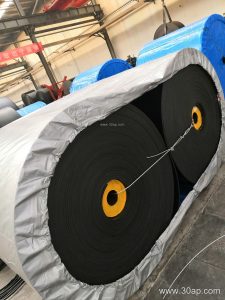
A Cold Resistant Conveyor Belt is a rubber conveyor belt engineered to stay flexible and crack-free when it operates in low ambient temperatures. Standard rubber compounds stiffen as the thermometer drops, which makes the belt hard to trough, harder to start, and prone to surface cracking at the pulleys. A cold resistant belt uses a specially compounded cover and core bonding system so the carcass and covers keep enough elasticity for reliable running in cold climates, cold stores, and winter operations at mines, ports, and processing plants.
The product is also described as a low temperature conveyor belt or cold climate conveyor belt. These are equivalent names for the same item, not different product families.
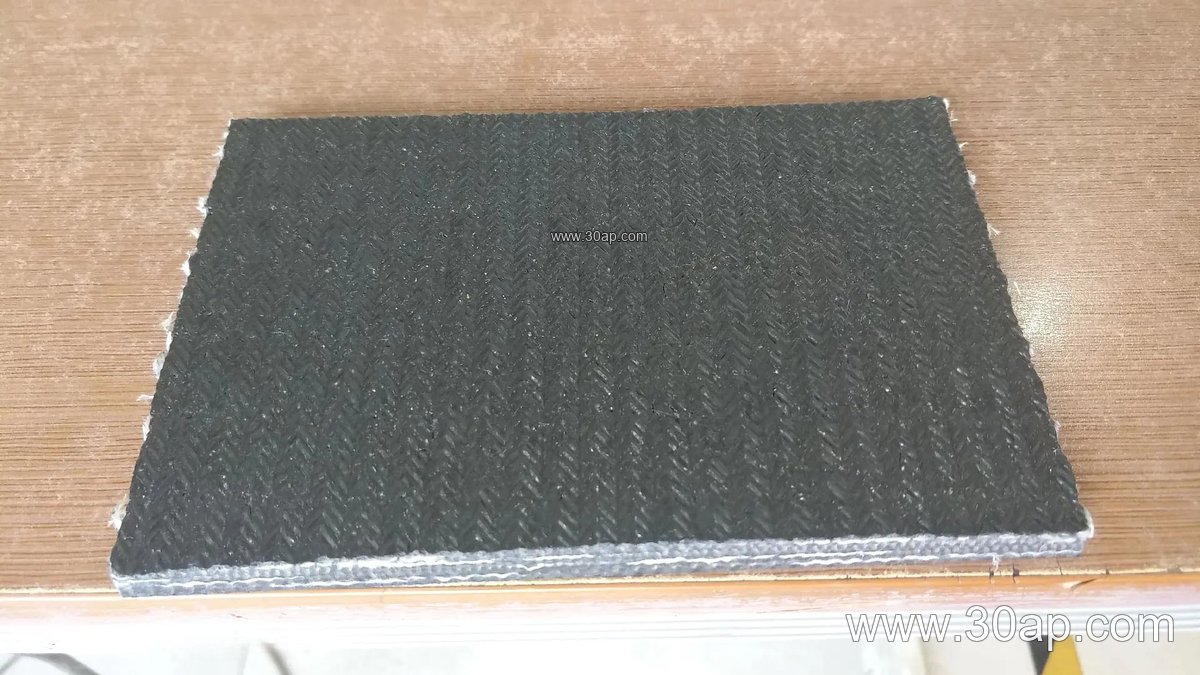
How the Belt Is Built
Construction follows the usual layered approach, with the compound and the carcass selected for cold service.
- Carcass: a Fabric Core Conveyor Belt is common, typically EP or NN fabric plies. Heavier duties may call for a Steel Cord Conveyor Belt where tensile strength and low stretch matter.
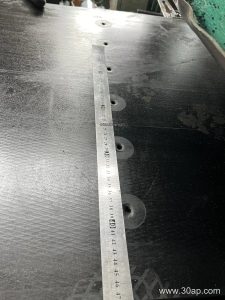
- Cover rubber: a low temperature rubber compound that resists hardening and surface cracking, usually supplied in top and bottom cover thicknesses such as 3+1.5 mm, 4+2 mm, 5+2 mm, 6+2 mm, or 8+3 mm.
- Ply count: usually 2 to 6 fabric plies, depending on the duty.
- Joints: vulcanized splices are preferred in cold duty because mechanical fasteners can loosen as the belt flexes and contracts.
Strength grades follow the fabric or steel cord family. For an EP carcass, common grades include EP200, EP315, EP400, EP500, EP630, EP800, EP1000, EP1250, EP1600, and EP2000. For a steel cord carcass, ST grades such as ST1000 to ST3150 are used according to the design tension. These are reference values; actual selection is confirmed against the conveyor design.
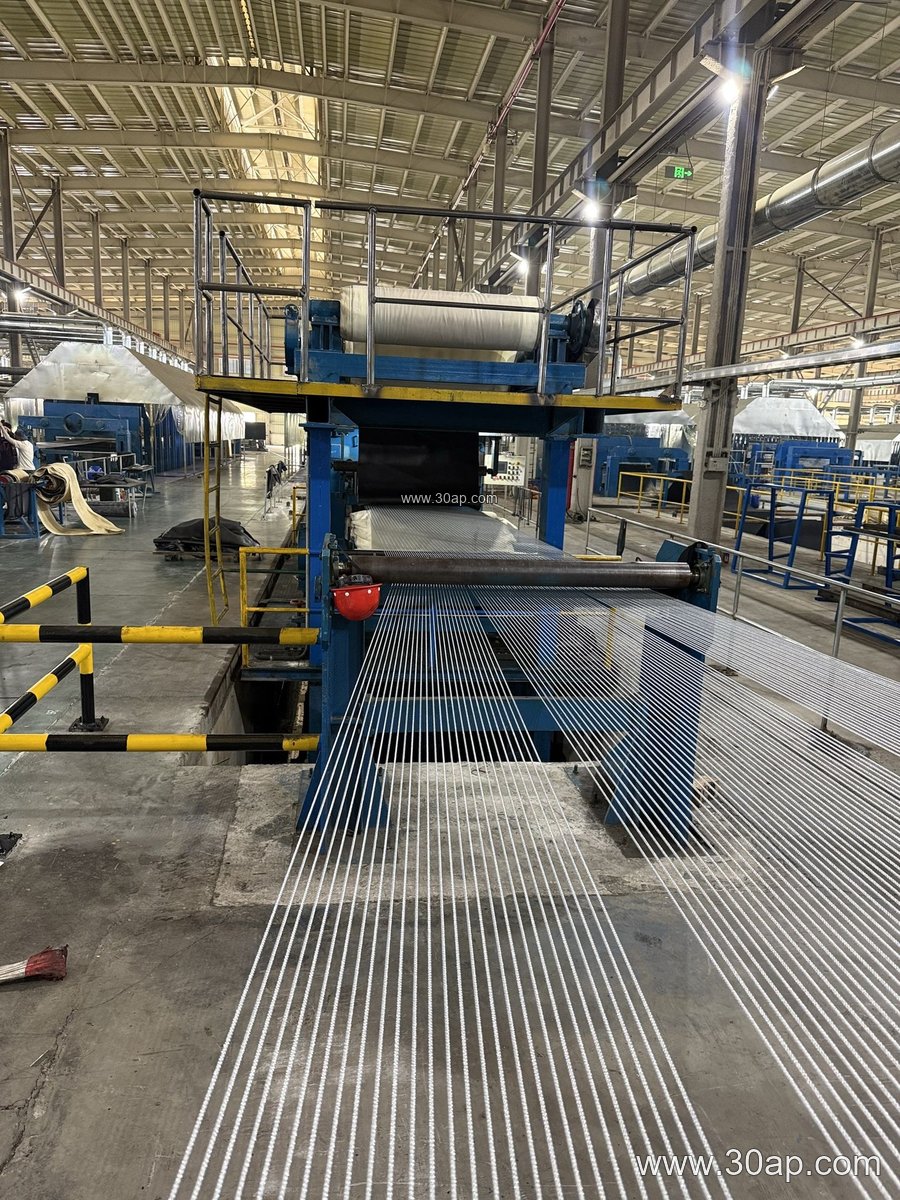
Where Cold Duty Belts Are Used
Cold resistant belts turn up wherever material must move in sub-zero or near-freezing conditions:
- Open pit and Underground Mining Conveyor Belt systems in northern regions, including Iron Ore Conveyor Belt and Copper Ore Conveyor Belt lines.
- Coal Mining Conveyor Belt and Coal Mining operations where winter startup loads are heavy.
- Port Conveyor Belt and Ship Loading Conveyor Belt installations in cold coastal climates.
- Cement Plant Conveyor Belt and Aggregate Conveyor Belt lines that run through the cold season.
- Power Plant Conveyor Belt coal handling and cold store or freezer-room conveying.
- Quarry Conveyor Belt and Crusher Conveyor Belt circuits in mountain or high-latitude sites.
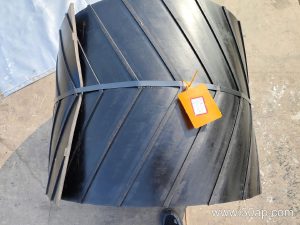
A cold resistant belt is often specified together with an Abrasion Resistant Conveyor Belt cover where frozen, sharp material is handled. In coal service, a Flame Retardant Conveyor Belt or Fire Resistant Conveyor Belt grade may also be required. For wet, sticky, or inclined cold duty, a Chevron Conveyor Belt or Corrugated Sidewall Conveyor Belt pattern can help hold the load.
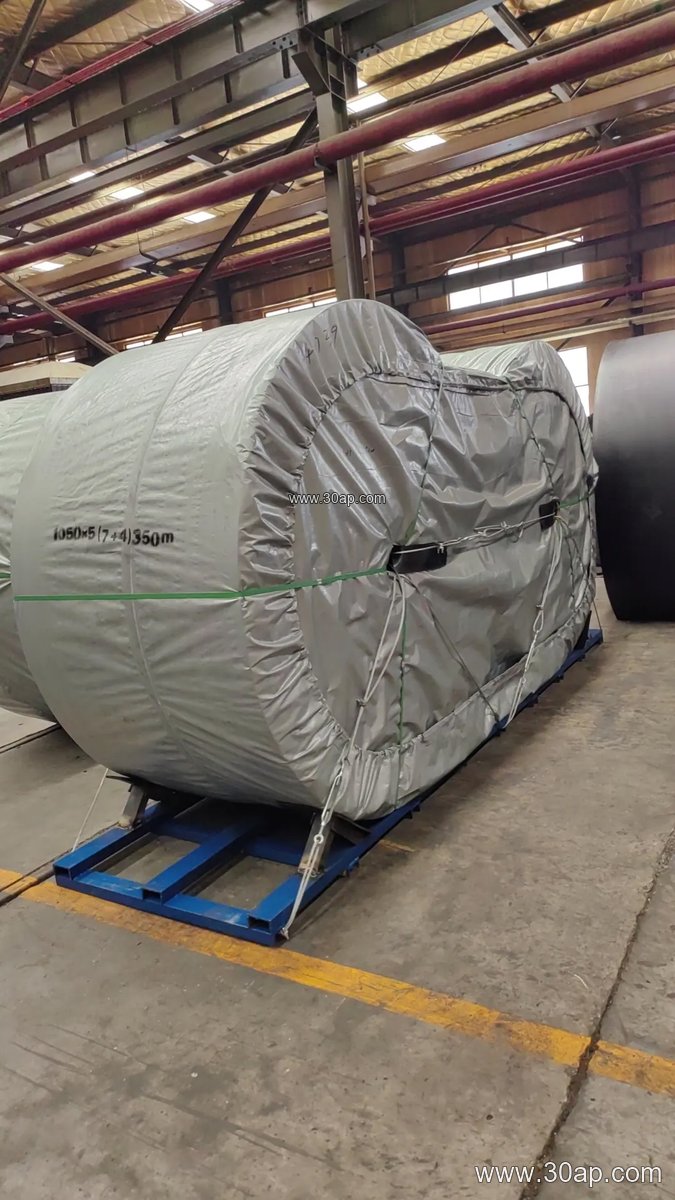
Specification Reference
The table below shows common reference ranges. Final values are set by the conveyor design and the manufacturer.
| Parameter | Common Reference |
|---|---|
| Belt type | EP / NN fabric core or steel cord |
| Strength grade | EP200 to EP2000; ST1000 to ST3150 |
| Belt width | B500, B650, B800, B1000, B1200, B1400, B1600, B1800, B2000 |
| Cover thickness | 3+1.5, 4+2, 5+2, 6+2, 8+3 mm |
| Fabric plies | 2 to 6 |
Width and pulley size are matched by the conveyor designer, not by a fixed rule. A wider belt does not automatically dictate one specific pulley diameter, and shaft size is calculated from the load case.
Buyer Checklist
- Confirm the minimum operating temperature and whether startup is under load. The belt compound must suit both.
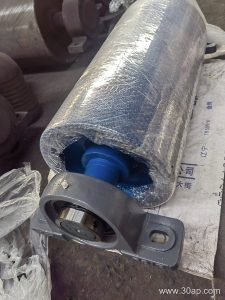
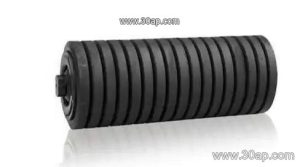
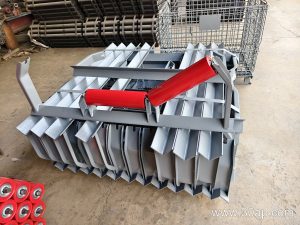
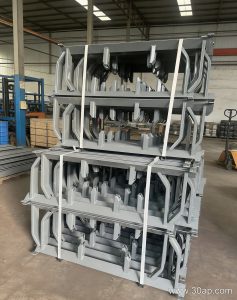
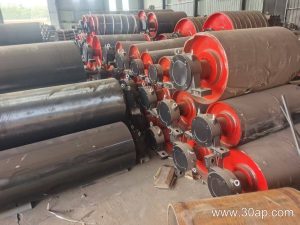
- Check the full conveyor system. The conveyor pulley, idler roller, and conveyor bracket should also be rated for cold service; a belt cannot compensate for frozen idlers.
- Match the strength grade to the duty. Use the design tension rather than guessing from belt width.
- Choose the cover for the material. Frozen ore and coal may need extra abrasion resistance.
- Specify the splice method. Vulcanized joints usually outperform mechanical fasteners in cold flexing duty.
- Ask for the compound data. Request low temperature flexibility and brittleness information for the cover and carcass.
- Plan storage and handling. Keep spare belts off the ground and avoid sharp bends during cold weather installation.
For related equipment, our site covers conveyor belt, idler roller, conveyor pulley, and conveyor bracket options at www.example.com/conveyor-belt. A correctly specified cold resistant belt, matched with suitable rollers and pulleys, keeps winter material flow steady at mines, cement plants, power stations, and ports.