What a Trough Idler Bracket Does on a Conveyor
A trough idler bracket is the structural support that holds the idler rollers in a troughed profile, shaping the conveyor belt into a cradle for bulk materials. Often called a troughing idler bracket or simply a trough bracket, it sits on the conveyor frame and carries the load of the belt and material through the carrying side of the system. In a quarry, cement plant, or power plant coal yard, these brackets are the quiet workhorses that keep the belt tracking and the load contained.
The bracket does more than hold rollers. It sets the trough angle, maintains roller spacing, and transfers dynamic loads into the conveyor stringer. When the bracket is properly matched to the belt width and roller diameter, the belt runs smoothly and the idlers last longer.
How a Troughing Bracket Is Built
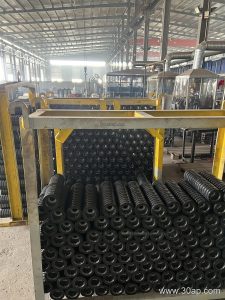
Most trough idler brackets are fabricated from angle steel, channel steel, or bent steel plate. The construction typically includes a crossbeam, roller mounting slots or brackets, and feet that bolt to the conveyor frame. The angles of the side roller positions define the trough shape. For heavy-duty mining conveyor belts and abrasive ore applications, thicker sections and reinforced welds are common.
Surface treatment matters in wet or corrosive environments. Paint, galvanizing, or powder coating helps resist rust in wash plants, ports, and fertilizer handling facilities. A well-built bracket keeps the idler roller axis aligned so the belt does not pinch or mistrack.
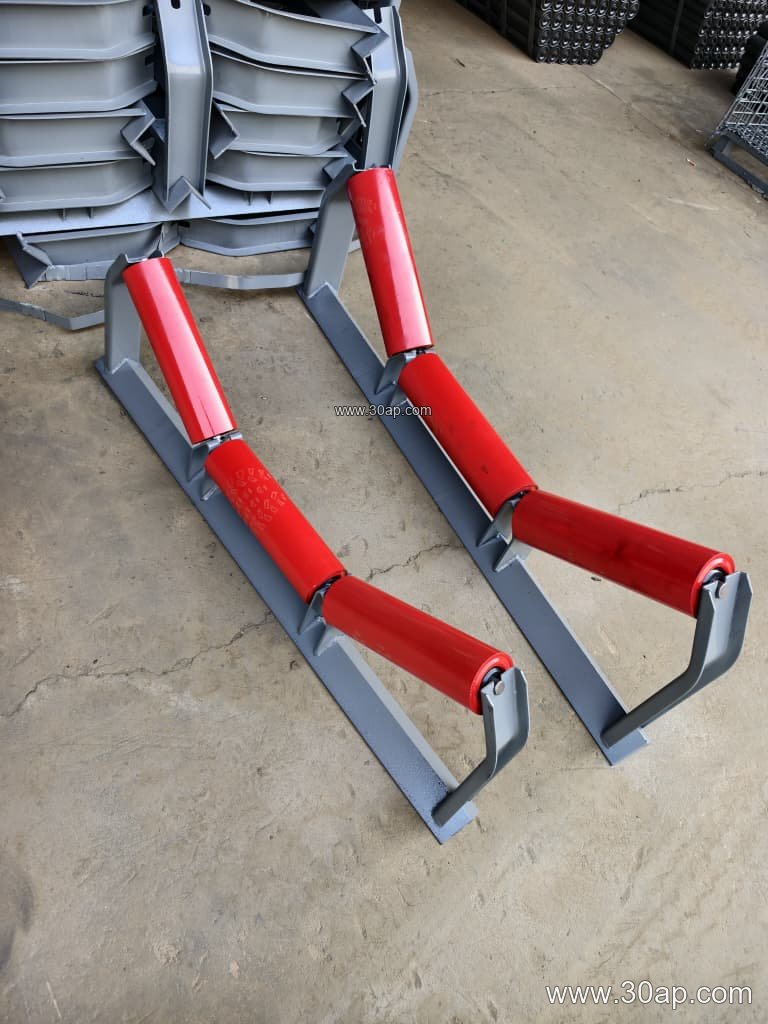
Matching Bracket, Belt Width, and Roller Diameter
Belt width and roller diameter are usually selected together with the trough angle. Common belt widths include B500, B650, B800, B1000, B1200, B1400, B1600, B1800, B2000, B2200. Roller diameters are often Ø89, Ø108, Ø133, Ø159, Ø194. Trough angles of 20°, 30°, 35°, and 45° are typical. A B800 belt might use a 35° trough with Ø108 rollers, while a B1200 conveyor could run a 45° trough with Ø133 rollers. These are common examples, not fixed rules.
The bracket mounting hole spacing and crossbeam length change with belt width and trough angle. Buyers should confirm the frame dimensions and bolt pattern before ordering. A bracket that fits the stringer but not the roller spacing will cause installation delays.
Common Bracket Types and Where They Fit
- Carrying trough bracket – supports the loaded side of the belt, often at 20° to 45°.
- Transition bracket – eases the belt from flat to troughed profile near pulleys and terminals.
- Return bracket – supports the empty side; a V-return bracket helps center the belt.
- Impact bracket – used under loading points, often with cushion rollers.
- Self-aligning bracket – helps correct belt mistracking in long conveyors.
- Adjustable bracket – allows trough angle changes on site, useful for variable material loads.
Note that a trough bracket is not a substitute for a bend pulley or drive pulley; those are separate components in the conveyor drive and return system. The bracket works with the idler roller and conveyor belt, not in place of the pulley.
Applications in Bulk Handling Industries
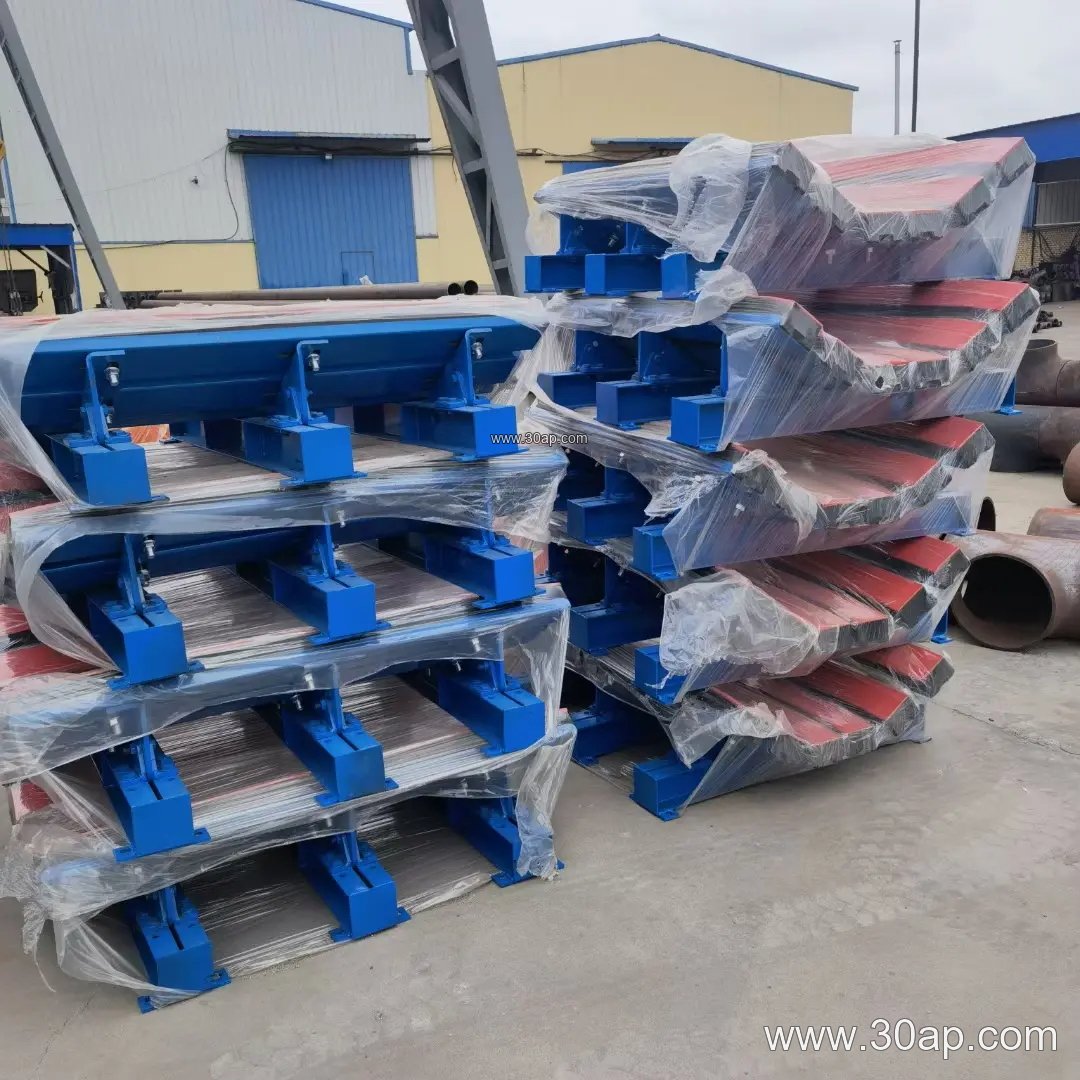
In a limestone quarry or aggregate plant, trough idler brackets carry crushed stone on 800mm and 1000mm belts. In a coal mining operation, flame retardant conveyor belts run over brackets designed for dusty, underground conditions. Cement plants use them on clinker and raw meal lines, while power plants rely on them in coal handling systems. The same bracket family appears in ship loading, recycling, and sand making plants.
For abrasive iron ore or copper ore, high abrasion resistant conveyor belts paired with sturdy brackets reduce wear. In food or fertilizer handling, oil resistant or chemical resistant belts may be used, and the bracket should be coated to suit the environment.
Buyer Checklist for Trough Idler Brackets
Before ordering, confirm the belt width, trough angle, roller diameter, and frame bolt pattern. Check the material thickness and finish for the site conditions. Ask whether the bracket is fixed or adjustable, and whether it is designed for carrying, transition, or return service. Spare brackets and rollers should be kept for critical conveyors in mines, ports, and processing plants.
For more information on conveyor components, visit www.example.com/conveyor-bracket or www.example.com/trough-idler-bracket. Related products include EP conveyor belt, steel cord conveyor belt, and flame retardant conveyor belt for demanding industrial lines.