What a Bend Pulley Does
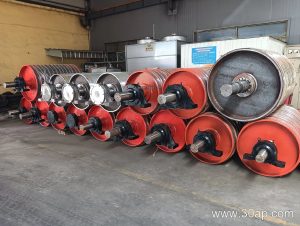
A bend pulley is a direction-changing drum that guides the conveyor belt around a corner, into a take-up arrangement, or away from a transfer point. It is often called a deflection pulley or snub pulley, and those names describe the same component. Unlike a drive pulley, which transmits torque, or a tail pulley, which returns the belt at the loading end, a bend pulley mainly redirects belt travel with low resistance and stable alignment.
In a limestone quarry or a cement plant clinker line, a bend pulley may sit near a tension tower to increase belt wrap on the drive drum. In a coal handling system, it can route the return strand beneath a chute or around a structural column. The function is simple, but the consequences of poor selection show up quickly as belt edge wear, tracking problems, and shortened bearing life.
Construction and Surface Options
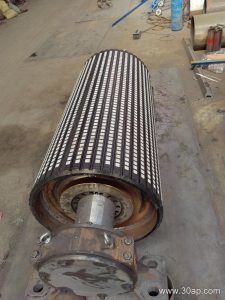
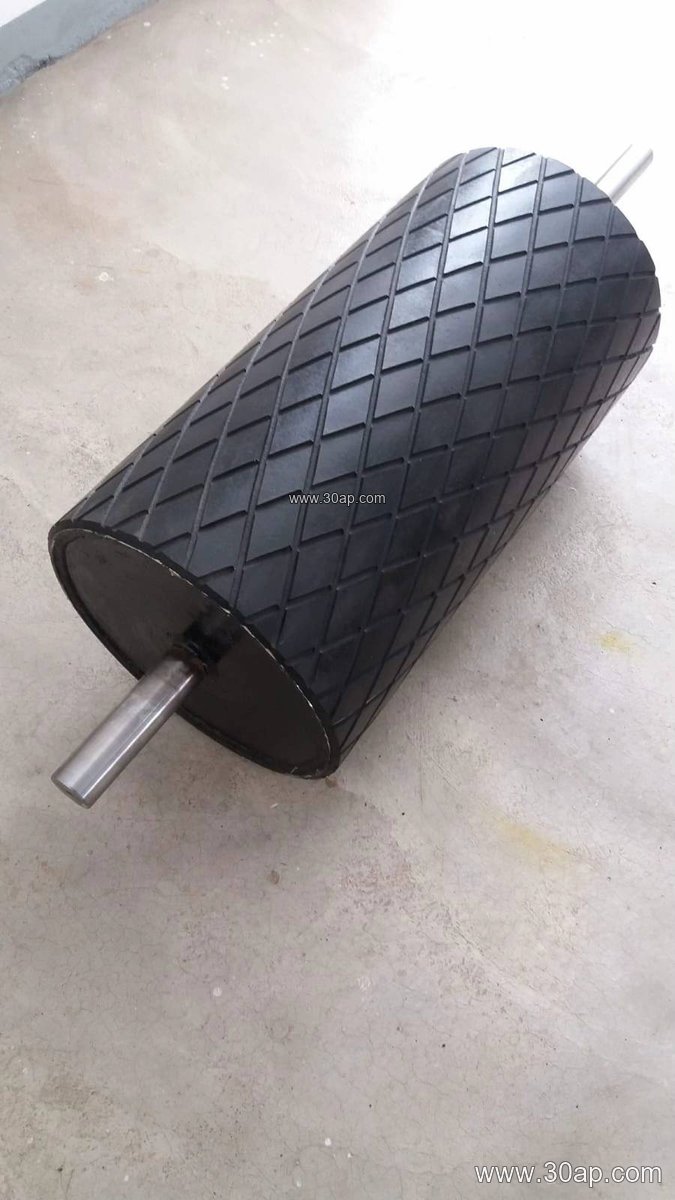
A typical bend pulley uses a welded steel shell, a through shaft or stub shafts, and bearing housings mounted on a sturdy frame. The shell is machined for balance and concentricity. Surface treatment depends on the belt and the environment. Plain finish is common where the pulley only changes direction and traction is not needed. Rubber lagging, applied by cold bonding or hot vulcanization, improves grip and protects the shell from abrasive dust. Diamond grooved lagging helps shed water and fines, while ceramic lagging suits high-wear zones where slip is a concern.
Bearing selection matters as much as the shell. Dusty conditions in a sand and gravel plant call for effective seals, and the bearing housing should allow relubrication or long-life sealed units. Shaft diameter is determined by torque and load, not by belt width alone, so a B800 conveyor and a B1400 conveyor may use different shaft sizes even when the pulley diameter looks similar.
Sizing Notes for Buyers
Belt width, pulley diameter, and face width should be considered together. The pulley face is usually wider than the belt to allow for mistracking. Common reference combinations include B800 × Ø500, B1200 × Ø1000, and B1400 × Ø800, but these are examples, not fixed rules. A wider belt does not automatically require one specific diameter, and a given belt width can work with several pulley diameters depending on wrap angle, belt stiffness, and space.
| Reference Item | Typical Value |
|---|---|
| Belt width range | B400 to B2400 |
| Pulley diameter range | Ø200 to Ø1800 |
| Lagging thickness | 8, 10, 12, 15, 20 mm |
| Shaft diameter range | Ø50 to Ø200 |
| Surface forms | Plain, rubber lagged, diamond, ceramic |
When the belt is a heavy-duty mining conveyor belt carrying iron ore or copper ore, the bend pulley should be sized for the extra belt tension and impact loads. For a chevron conveyor belt or a corrugated sidewall conveyor belt, check that the pulley face and the belt profile do not interfere. A pipe conveyor belt needs a different approach because the belt is formed into a tube, so the bend pulley is usually part of a specialized layout rather than a standard flat-belt station.
Where It Fits in the Conveyor
Bend pulleys appear in several positions. A take-up bend pulley increases belt wrap at the tensioning device. A snub pulley close to the drive increases contact angle on the drive drum. Return-side bend pulleys guide the belt under the structure. In a power plant coal yard or a port bulk terminal, these pulleys are often part of a long overland or yard conveyor with several direction changes.
Compatibility with the conveyor belt matters. An abrasion resistant conveyor belt running over a plain bend pulley may wear the shell faster than expected if fines are trapped. A flame retardant conveyor belt used in an underground coal mining conveyor should be paired with components that do not create unnecessary friction heat. The pulley itself does not determine fire rating, but its alignment and bearing condition affect heat generation.
Selection and Maintenance Checks
- Confirm belt width, belt type, and whether the belt is a fabric core conveyor belt or a steel cord conveyor belt.
- Check the required wrap angle and the resulting belt tension on the pulley.
- Match lagging to the environment: plain for light duty, rubber for general grip, ceramic for severe wear.
- Verify shaft diameter against calculated load, not against belt width alone.
- Inspect bearing seals, mounting brackets, and frame rigidity during installation.
During operation, listen for bearing noise and watch for belt drift at the bend station. A misaligned bend pulley can cause edge damage on an EP conveyor belt or a NN conveyor belt within a short period. Regular checks of lagging wear, bolt torque, and lubrication extend service life. For spare parts planning, record the pulley diameter, face width, shaft size, and lagging type so a replacement matches the existing conveyor bracket and bearing housing.