What a Cement Plant Conveyor Belt Has to Handle
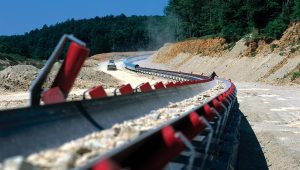
A cement plant conveyor belt moves more than just bulk material. Between the quarry, the crusher, the raw mill, the preheater tower, the clinker cooler and the packing plant, one belt may see sharp limestone, hot clinker, abrasive dust, cement powder and occasional oil or grease. That mix is why a general-purpose belt rarely lasts long in a cement works. The conveyor belt is the working surface of the whole conveying system, and its compound, carcass and cover thickness need to match the duty point where it runs.
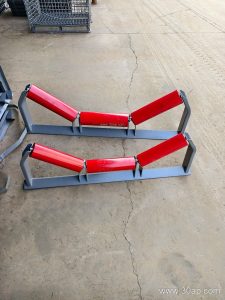
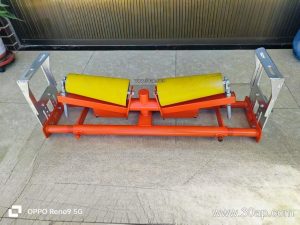
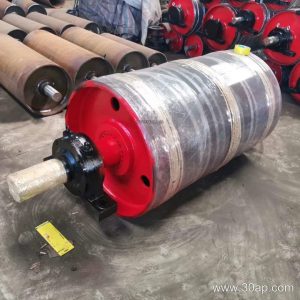
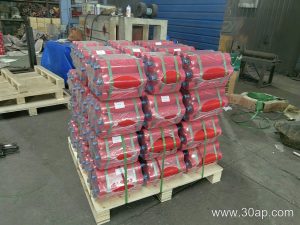
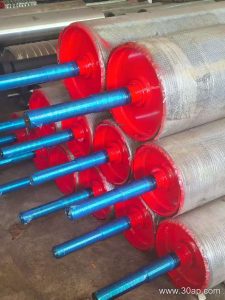
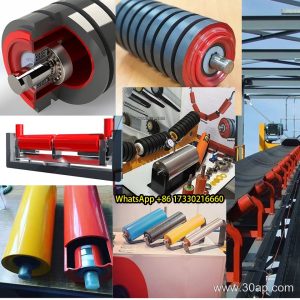
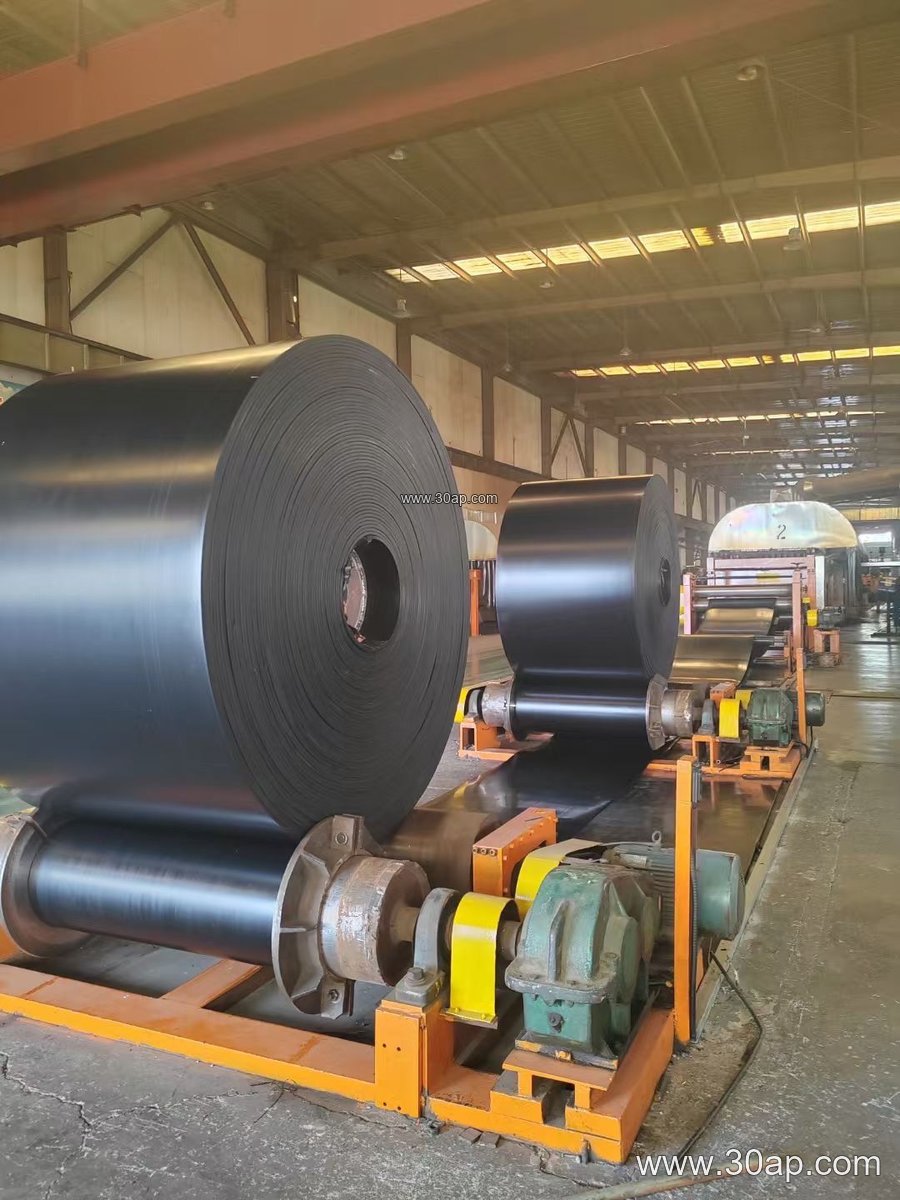
The belt itself is a composite: a tension-bearing carcass, top and bottom rubber covers, and often an edge treatment or special surface form. The carcass carries the load, while the covers protect it from abrasion, heat, oil and impact. Around the belt, the conveyor pulley, idler roller and conveyor bracket set the line of travel and support the load, so belt and hardware are chosen together.
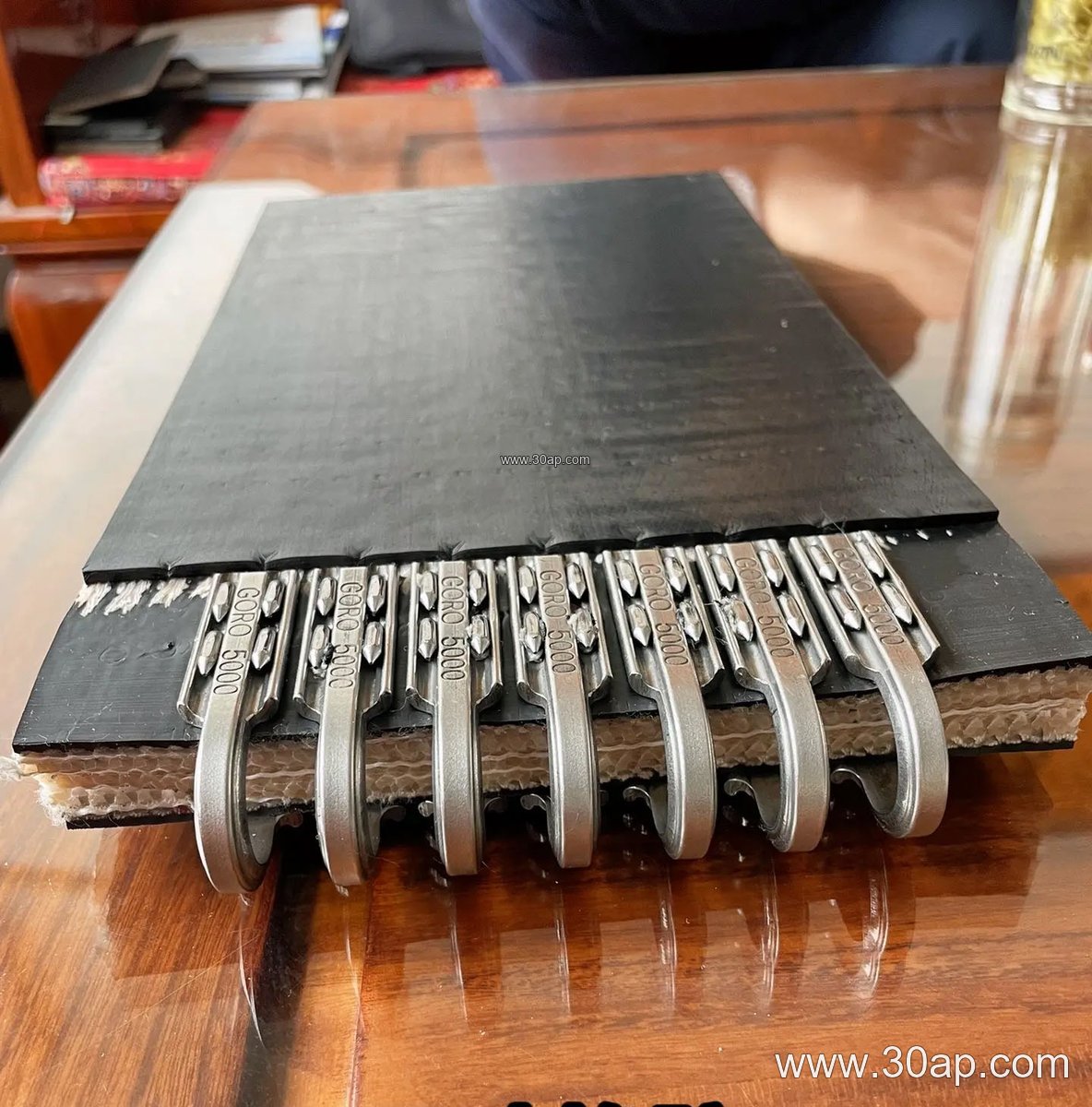
Construction and Common Configurations
Most cement plant belts use a fabric core or steel cord carcass. Fabric types are built from EP (polyester-cotton) or NN (nylon) plies, usually 2 to 6 layers depending on tension. Steel cord belts replace plies with a single layer of steel cables and are used on long, high-tension main lines such as quarry-to-crusher or clinker transport.
Cover compounds vary by zone. Limestone and clinker handling favors an abrasion resistant conveyor belt; kiln and cooler discharge zones call for a heat resistant conveyor belt, sometimes a high temperature conveyor belt with a heat-blocking layer. Coal or fuel preparation areas need a flame retardant conveyor belt or fire resistant conveyor belt, and often an anti-static conveyor belt. Oil resistant and acid resistant grades appear around lubricated drives and some additive systems.
| Parameter | Typical Range | Notes |
|---|---|---|
| Carcass type | EP, NN, steel cord | Selected by tension and line length |
| Strength grade | EP200 to EP2000; ST1000 to ST3150 | Common reference values, confirm by design |
| Belt width | B500 to B2000 | B800, B1000 and B1200 are common in plants |
| Cover thickness | 3+1.5, 4+2, 5+2, 6+2, 8+3 mm | Top + bottom cover, usually |
| Ply count | 2 to 6 | Fabric core belts |
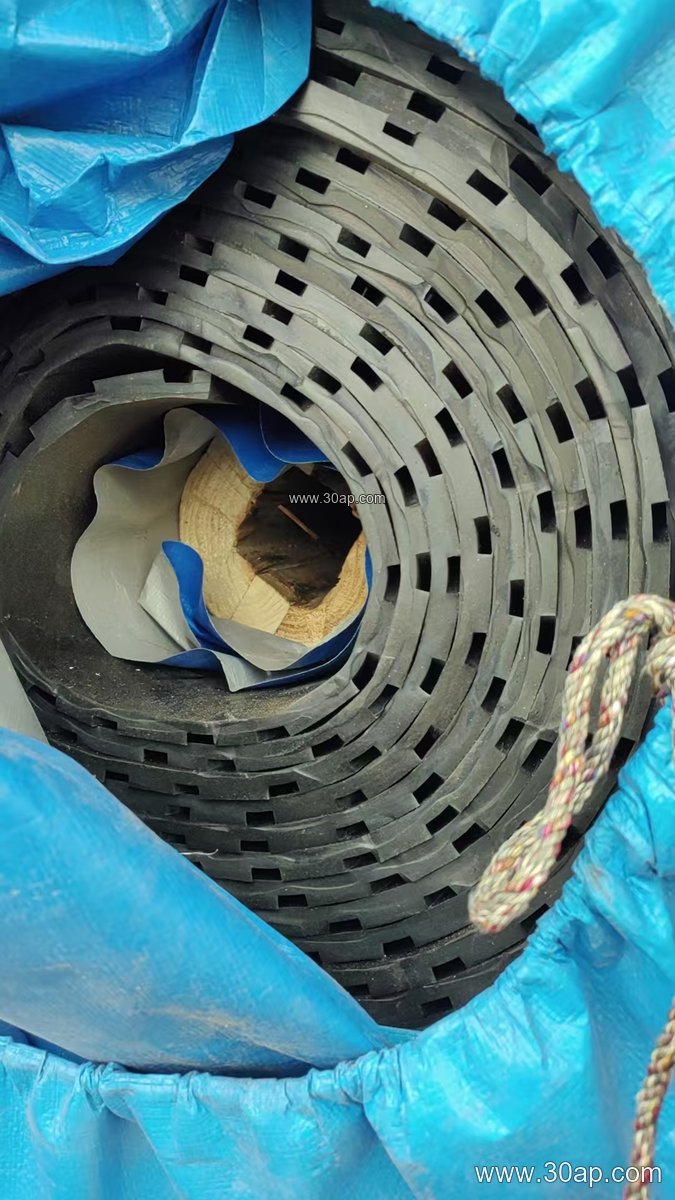
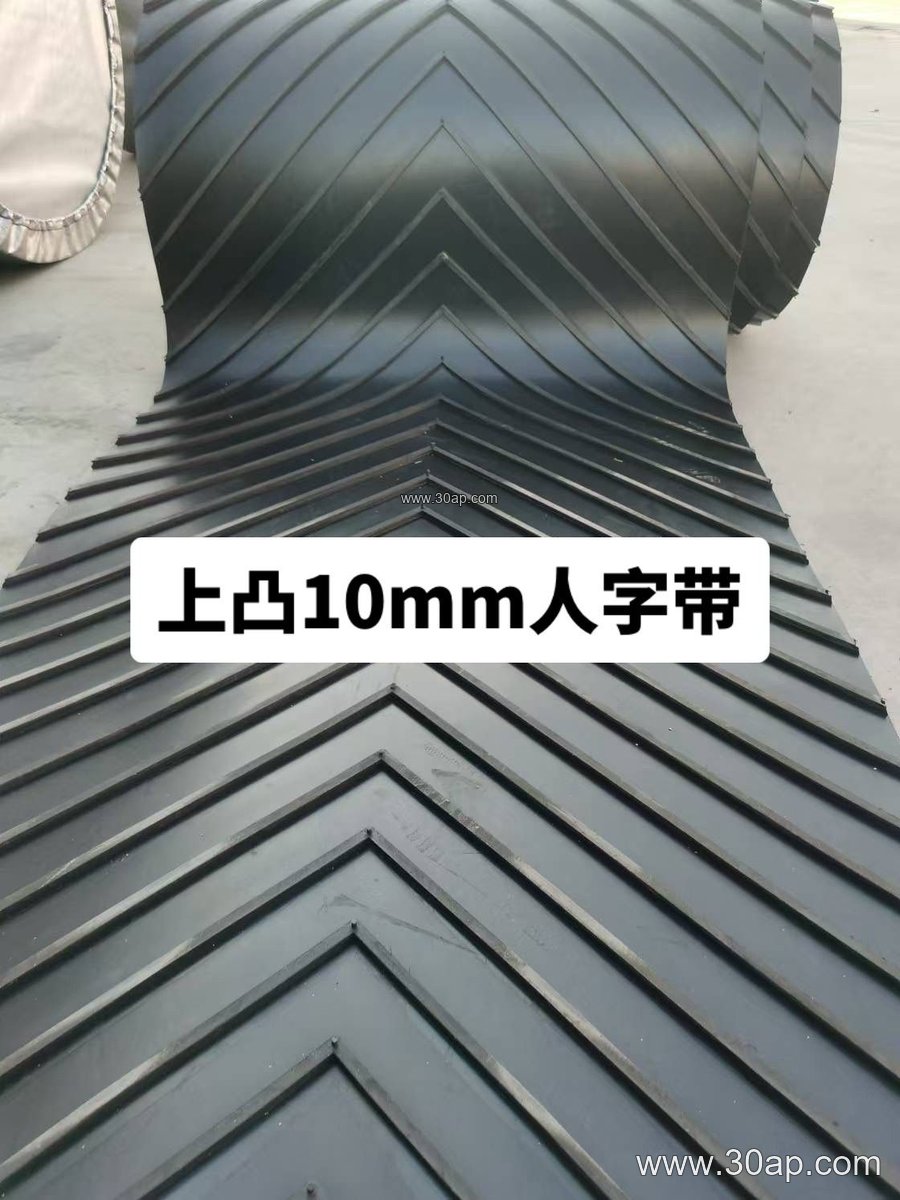
Special surface forms help on steep or confined routes. A chevron conveyor belt or corrugated sidewall conveyor belt keeps material from sliding back on inclines. A skirted conveyor belt contains dust at transfer points, and a pipe conveyor belt encloses the material on curved paths through the plant. An endless conveyor belt is often specified for short, fixed-center drives to reduce splice risk.
Where the Belt Runs in a Cement Works
Crushing and raw material handling is the heaviest abrasive duty, so a high abrasion resistant conveyor belt with a thick top cover is typical. Add-on equipment such as a metal detector and a conveyor pulley with a magnetic head helps protect the belt from tramp iron. Clinker lines are hot and abrasive, and the belt must tolerate lumps and temperature spikes; a heat resistant grade with adequate cover thickness is usual. Cement grinding and packing areas handle fine, dusty material, where a fabric core belt with good edge stability works well.
The same plant may also run a coal mining conveyor belt grade in the fuel yard, a quarry conveyor belt at the pit, and a bulk material conveyor belt for additives. In each case the belt width, speed and carcass are matched to the tonnage and the conveyor pulley diameter at the drive and tail. A wider belt does not automatically mean a larger pulley, and shaft size is set by the drive design rather than belt width alone.
Buyer Checklist
- Define the duty: material, lump size, temperature, oil or chemical exposure, and whether the area is classified for fire risk.
- Confirm carcass and strength grade with the conveyor designer, not by habit. EP630 or EP800 suits many medium lines, while long main lines may need steel cord.
- Choose cover thickness for wear life. A 6+2 or 8+3 mm cover is common on abrasive limestone, while thinner covers suit clean cement powder.
- Specify surface form only when the route needs it: chevron for inclines, sidewall for steep lifts, skirted for dust control.
- Check splice type and whether an endless belt is practical for short centers.
- Review the conveyor pulley lagging, idler roller spacing and conveyor bracket condition, because a good belt wears fast on poor hardware.
Maintenance matters as much as selection. Track belt alignment, inspect edges for cuts, watch for cover wear over the carcass, and keep idlers turning freely. A belt that runs true on its pulleys and stays clear of spilled material lasts far longer than one fighting misalignment. For cement plant operators, matching the belt to the duty point and keeping the surrounding conveyor components in good order is the practical route to fewer stoppages and lower replacement cost.