What a Self-Aligning Idler Does
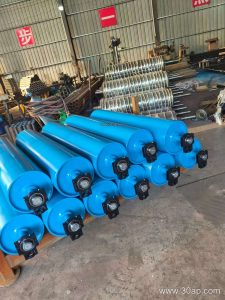
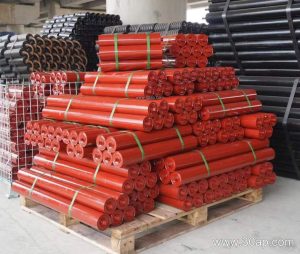
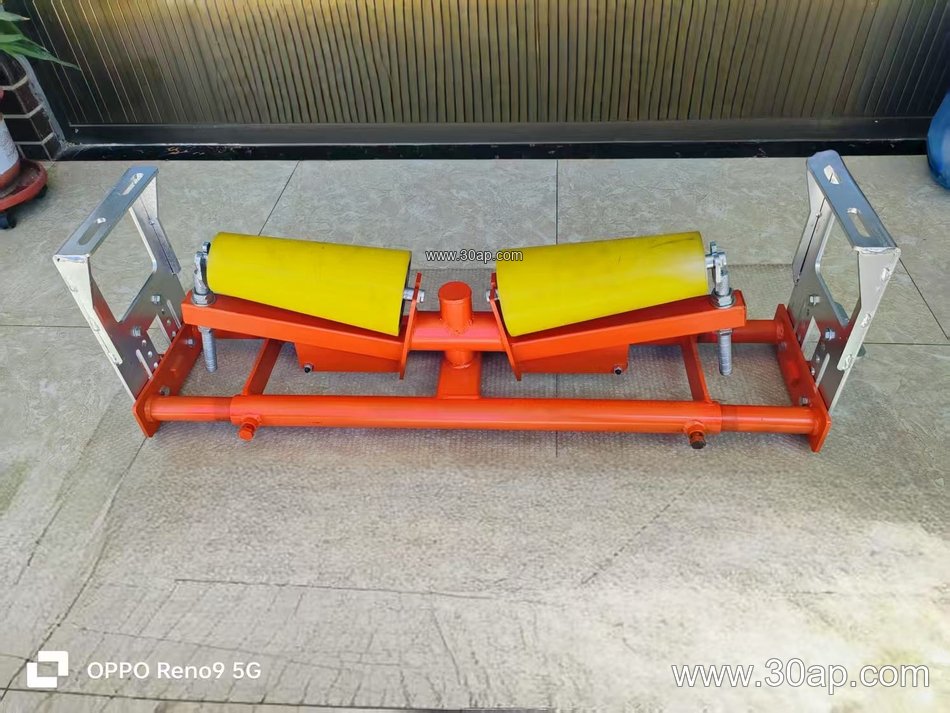
A self-aligning idler is a specialized conveyor idler roller designed to automatically correct belt misalignment. Unlike standard carrying or return idlers, it pivots or steers in response to the belt drifting off-center. This self-correcting action helps keep the conveyor belt centered on the pulley and frame, reducing edge damage and spillage. In industries such as mining, cement, power plants, and quarries, a self-aligning idler—also known as a self-training idler or belt training idler—is a common sight on both carrying and return runs.
Construction and Working Principle
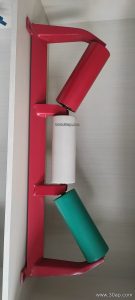
Most self-aligning idlers use a vertical pivot axis. The idler frame is mounted on a bracket that allows the roller set to rotate slightly in the horizontal plane. When the belt contacts the idler off-center, friction and belt tension create a steering force that turns the idler, which in turn guides the belt back toward the center. Some designs use tapered rollers or a slight forward tilt to enhance the corrective effect. The self-aligning idler is often installed in pairs or at intervals along the conveyor, especially where misalignment is likely—after loading points, on curves, or on long runs.
Where Self-Aligning Idlers Are Used
These idlers are valuable in bulk material handling where belts are wide and loads are heavy. Typical applications include:
- Coal mining and underground coal mining conveyors, where space is tight and belt wander can cause serious damage.
- Cement plants and power plant coal handling systems, where dust and uneven loading affect tracking.
- Quarries and aggregate operations using abrasion resistant conveyor belts and heavy-duty mining conveyor belts.
- Ports and ship loading facilities with long overland conveyors and high belt speeds.
They work with various belt types, including EP conveyor belts, steel cord conveyor belts, and flame retardant conveyor belts. However, the self-aligning idler is not a substitute for proper conveyor pulley alignment or adequate tension—it is a supplementary control measure.
Selection and Sizing Considerations
Choosing the right self-aligning idler requires more than matching belt width. Key factors include belt width, belt speed, running direction (single or reversible), load weight, and whether the idler is for the carrying or return side. The idler diameter and shaft size must suit the conveyor frame and bearing housings. Installation spacing depends on belt length and misalignment history. For example, a 1200 mm wide conveyor belt may use a 152 mm diameter self-aligning idler, but the exact combination must be confirmed with the manufacturer. Always refer to the conveyor design manual and site drawings.
Maintenance and Troubleshooting
Self-aligning idlers need periodic inspection. Check for free pivoting, worn rollers, and buildup of material that can restrict movement. A self-aligning idler that no longer steers may be seized or incorrectly installed. Before any maintenance, stop the conveyor, isolate energy, and lock out. Running adjustments are dangerous and should be avoided. If the belt still misaligns after installing self-aligning idlers, investigate other causes such as off-center loading, skewed pulleys, or damaged belt edges. Remember that a self-aligning idler is one part of a complete tracking solution.
Buying Advice
When sourcing self-aligning idlers, provide the belt width, conveyor profile, running direction, and any special requirements like heat resistance or anti-static properties. Ask for the idler’s pivot range, roller diameter, bearing type, and mounting dimensions. For harsh environments, consider sealed bearings and corrosion-resistant finishes. A reputable supplier will help you match the idler to your conveyor belt and frame—whether you run a small aggregate line or a heavy-duty mining conveyor. Visit our site for more on conveyor components and belt tracking devices.