What a 2000mm Conveyor Belt Is
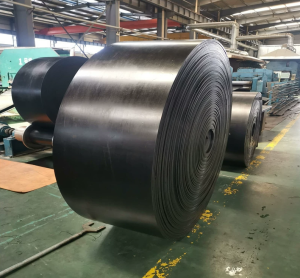
A 2000mm conveyor belt is a wide-format belt designed for high-capacity bulk handling. The 2000mm figure refers to the belt width, which is a nominal dimension. In practice, this width is used where large tonnages must move quickly and where material surges would overwhelm narrower belts. It is common to see this format described as a wide conveyor belt or extra-wide conveyor belt, though the specific construction still depends on the fabric or steel cord carcass inside.
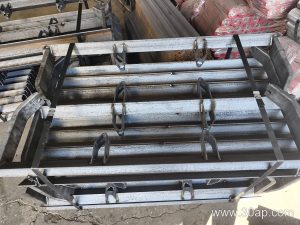
Because of the width, the belt interacts with larger pulleys, longer idler roller spans, and heavier conveyor brackets. Buyers should treat the 2000mm dimension as a starting point, not a complete specification. The full product also includes carcass type, cover grade, number of plies, and edge construction.
Construction and Common Configurations
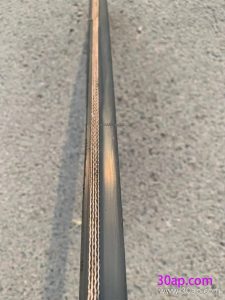
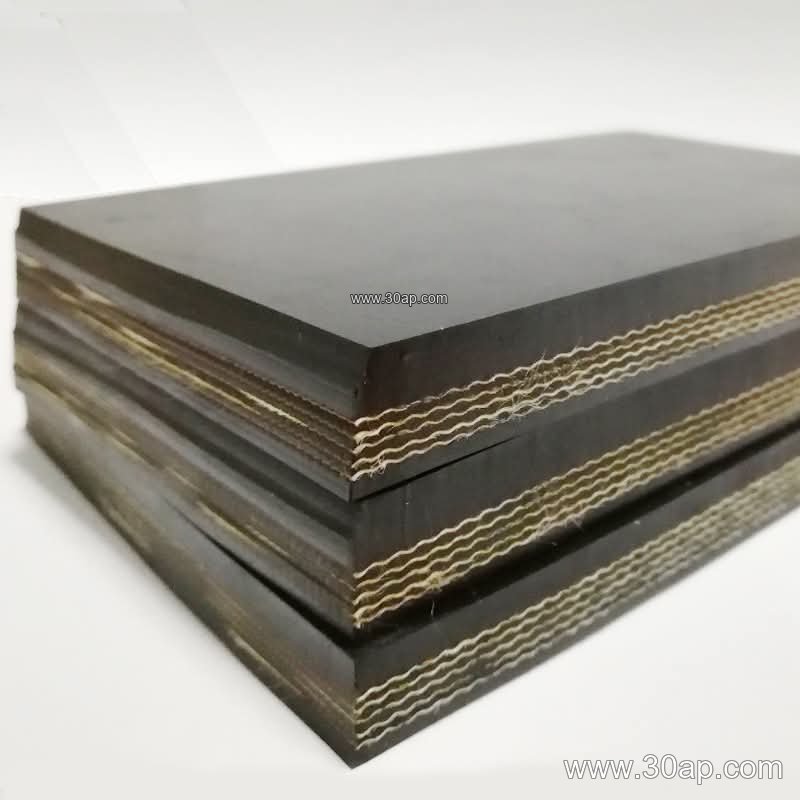
A wide belt is built from a tension-bearing carcass covered with rubber or PVC compounds. For a 2000mm conveyor belt, two carcass families are frequently considered: fabric core and steel cord. A multi-ply fabric core design, such as an EP Conveyor Belt or NN Conveyor Belt, uses several layers of fabric for flexibility and moderate tension. A Steel Cord Conveyor Belt uses steel wires for long-distance, high-tension duty.
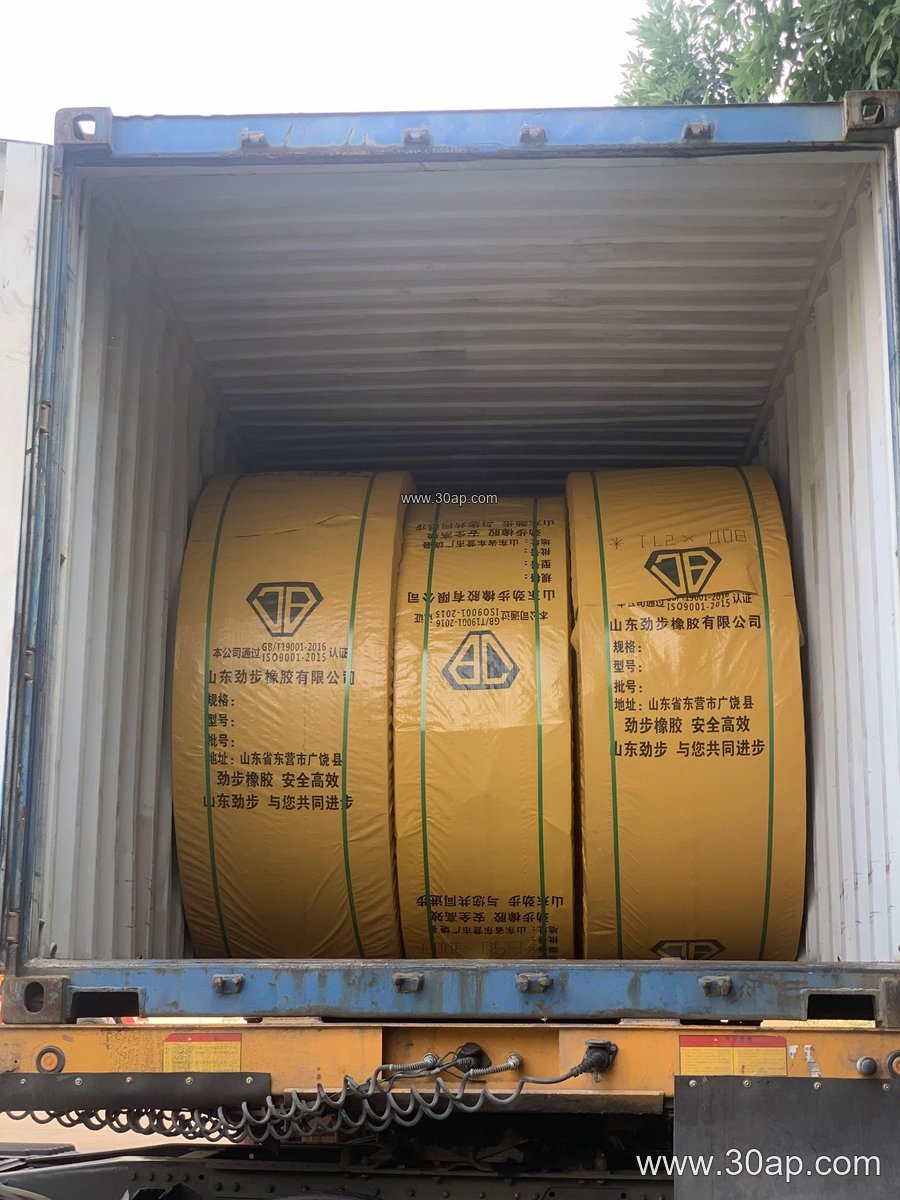
Cover thickness is usually specified in a top-plus-bottom format. Common examples include 4+2 mm, 5+2 mm, 6+2 mm, and 8+3 mm. The right choice depends on lump size, drop height, and abrasion severity. A heavy-duty mining conveyor belt may use a thicker top cover, while a cement plant conveyor belt may favor a heat resistant conveyor belt compound when clinker temperatures are present.
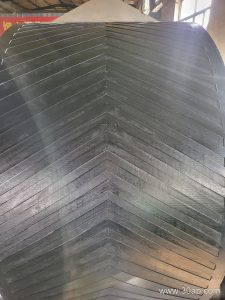
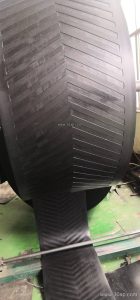
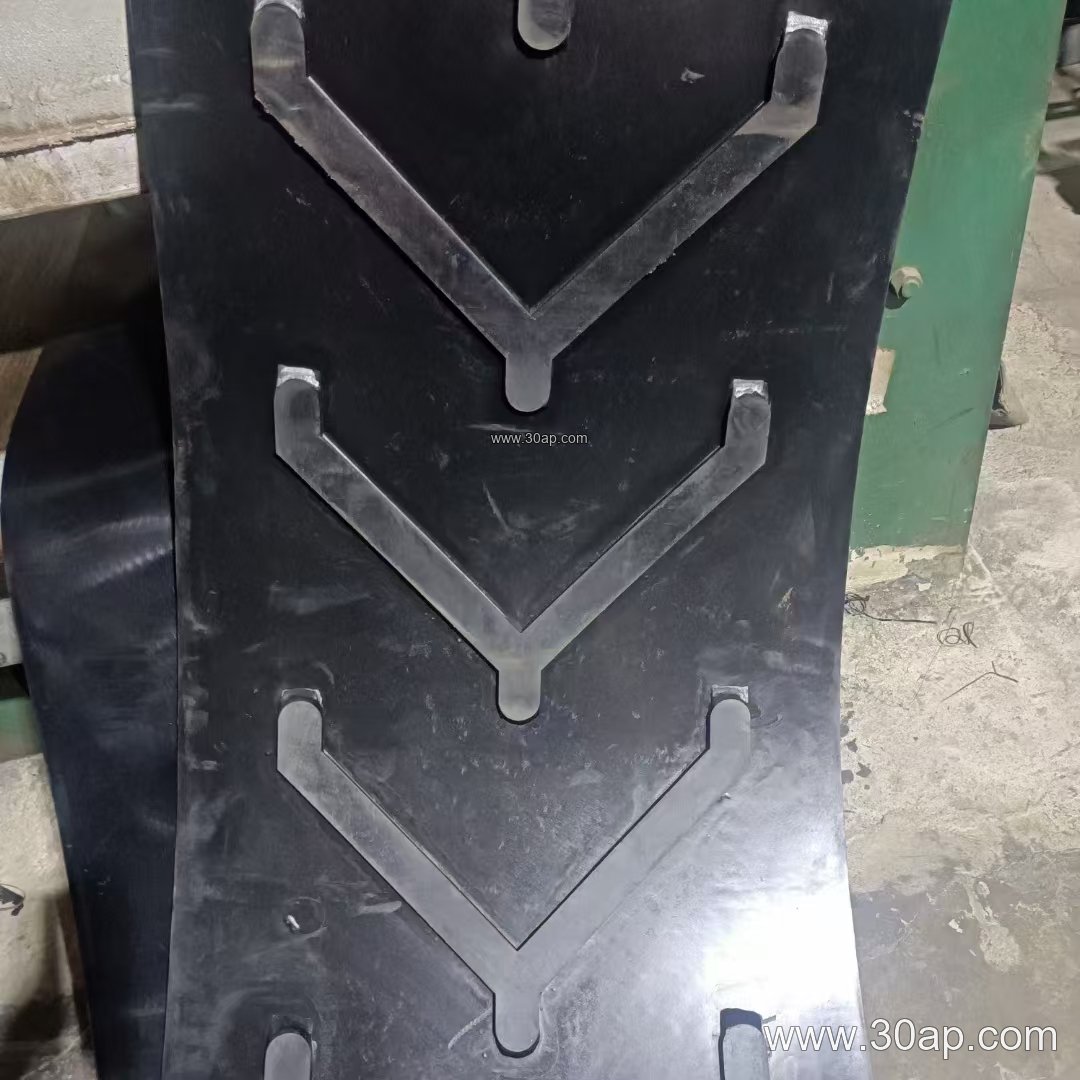
Surface forms also vary. A Chevron Conveyor Belt or corrugated sidewall conveyor belt can help on inclines, but these are different constructions and should not be treated as interchangeable with a plain 2000mm belt. Skirted edges and raised cleats are selected for specific material control needs.
Typical Industries and Duty
This width is often found in mines, coal preparation plants, cement works, power plants, ports, and large sand and gravel operations. In a quarry conveyor belt line, a 2000mm belt may carry crushed rock from a primary crusher to a transfer point. In a coal mining conveyor belt system, flame retardant and anti-static properties are often requested. Iron ore and copper ore operations may favor a high abrasion resistant conveyor belt because sharp, dense material wears covers quickly.
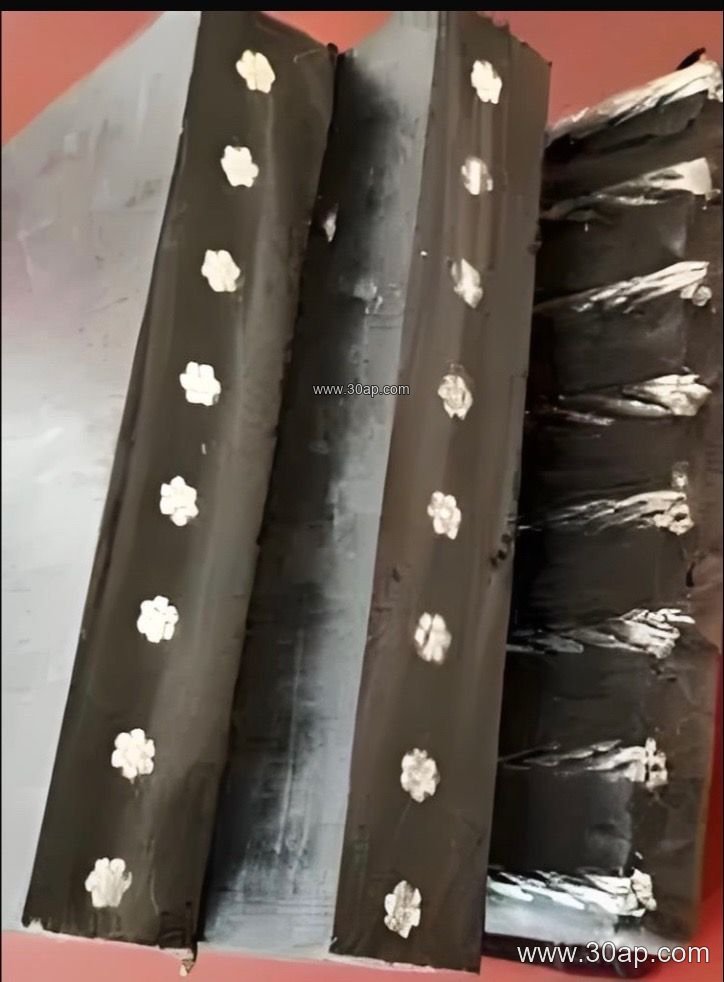
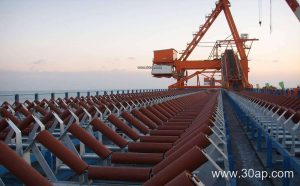
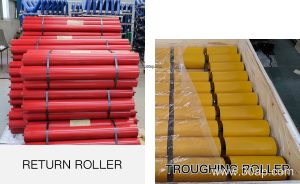
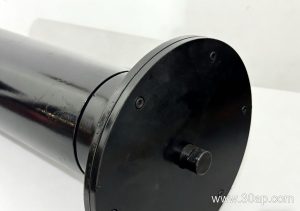
Wide belts also appear in ship loading conveyor belt systems and bulk material conveyor belt routes where a single stream must handle high throughput. In these settings, the belt works with conveyor pulley assemblies, idler roller sets, and conveyor brackets sized for the load. The drive pulley, tail pulley, and bend pulley each perform different roles and are not interchangeable names.
Specifications a Buyer Should Check
The following table shows common reference values for wide belt construction. These are examples, not universal supply promises. Final values are confirmed by design and manufacturer data.
- Belt width: B2000, also written 2000mm
- Fabric carcass grades: EP200, EP315, EP400, EP500, EP630, EP800, EP1000, EP1250, EP1600, EP2000
- Steel cord grades: ST1000, ST1250, ST1600, ST2000, ST2500, ST3150
- Cover thickness: 3+1.5 mm, 4+2 mm, 5+2 mm, 6+2 mm, 8+3 mm
- Ply count: usually 2 to 6 layers for fabric core
For a 2000mm conveyor belt, the buyer should also confirm the minimum pulley diameter recommended for the carcass, the splice method, and the edge condition. A wide belt cannot be matched to a pulley diameter by width alone; the carcass grade and ply count matter. Shaft diameter must come from the pulley design, not from the belt width.
Selection and Maintenance Notes
Selection starts with material, tonnage, incline, and environment. A food grade conveyor belt is not a typical choice for a mine, while a cold resistant conveyor belt may be needed in a northern quarry. Oil resistant and acid resistant covers serve different chemical exposures. For underground coal mining, PVG conveyor belt and PVC mining conveyor belt constructions are often compared with fabric-reinforced rubber options.
During operation, check belt tracking, cover wear, and splice condition. Keep idler roller alignment within tolerance and inspect conveyor brackets for looseness. A misaligned wide belt can edge-damage quickly because the belt mass is high. Store spare belt rolls flat and protected from sunlight and ozone.
Whether the final choice is an EP fabric belt, an NN belt, or a steel cord design, the 2000mm width should be treated as part of a complete conveyor system. Belt, pulley, idler, and structure must be engineered together for reliable bulk handling.