What an Oil Resistant Conveyor Belt Is
An oil resistant conveyor belt is a fabric-reinforced rubber belt engineered to keep its cover and carcass from swelling, softening or delaminating when it carries oily, greasy or solvent-bearing material. In plants where lubricant drips, vegetable oil, animal fat or light mineral oil reach the belt surface, a standard rubber belt can harden or turn tacky within months. An oil resistant conveyor belt uses a cover compound and a bonding system chosen to limit that attack, so the belt keeps its thickness, tensile strength and tracking behaviour for longer.
This is a special-purpose belt rather than an all-round workhorse. It is usually specified alongside other protective grades such as a heat resistant conveyor belt or an abrasion resistant conveyor belt, and the final compound should match the actual oil chemistry on site. Different oils act very differently, so the belt supplier needs to know the oil type, the exposure temperature and whether the contact is continuous splash or occasional spillage.
Construction and Compound Choices
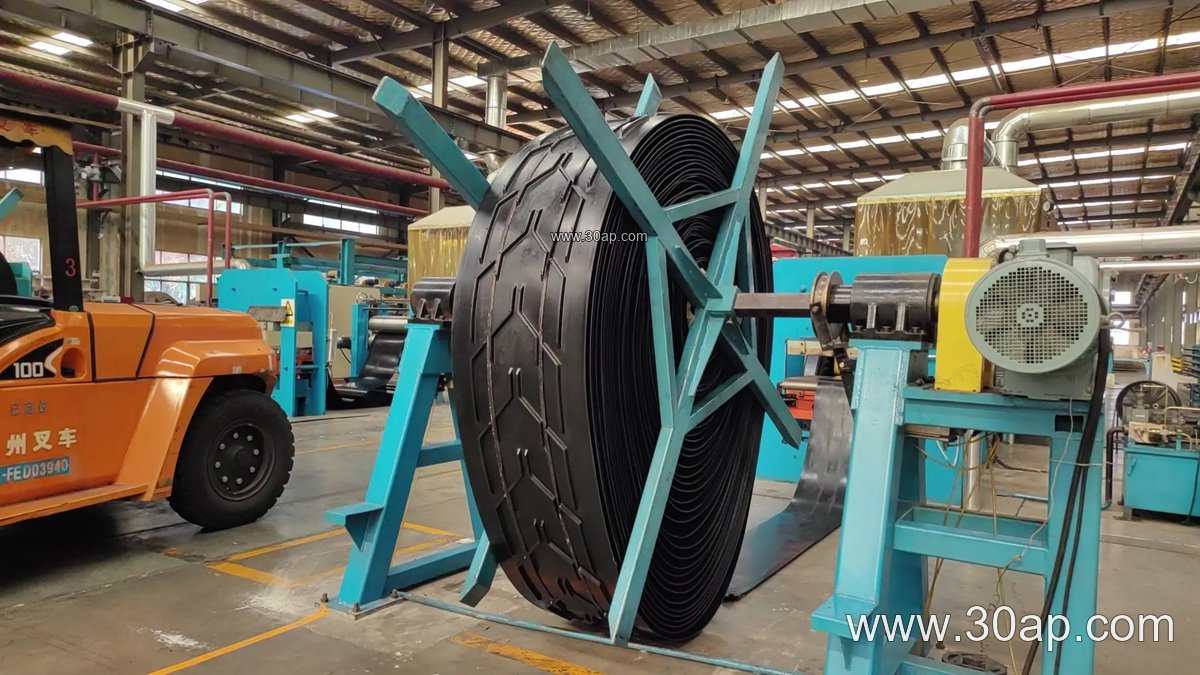
Most oil resistant belts are built on a fabric core. The carcass may be EP (polyester warp, nylon weft) or NN (nylon-nylon) fabric, with two to six plies depending on the load. A multi-ply fabric core conveyor belt gives good fastener holding and resistance to impact, which suits transfer points in a cement plant, a power plant or a quarry. Where tension is very high and stretch must stay low, a steel cord conveyor belt may be considered, but the oil resistance requirement then moves to the cover compound and the adhesion system between cord and rubber.
| Item | Common reference values |
|---|---|
| Belt type | EP or NN fabric core, oil resistant cover |
| Strength grades | EP200, EP315, EP400, EP500, EP630, EP800, EP1000 |
| Belt width | B500, B650, B800, B1000, B1200, B1400 |
| Cover thickness | 3+1.5, 4+2, 5+2, 6+2, 8+3 mm |
| Carcass plies | 2 to 6 plies, by design |
These figures are typical references only. Actual strength, cover gauge and ply count are set by the conveyor design, the material carried and the duty cycle. A 1200mm wide belt on a long overland run and a 650mm belt on a short transfer do not share the same specification.
Where It Fits in the Plant
Oil resistance matters most where the conveyed material itself is oily or where machinery above the belt leaks. Typical locations include:
- Oil-seed crushing and vegetable oil processing, where seed meal and press cake carry residual oil.
- Recycling lines handling oily scrap, tins and shredder residue.
- Metalworking and steel plant areas where cutting fluid or lubricant drips onto the belt.
- Sand and gravel yards using oil-treated material, and asphalt-related handling.
- Port and ship loading terminals where cargo residues include oily bulk material.
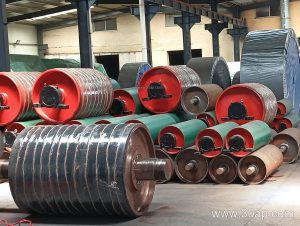
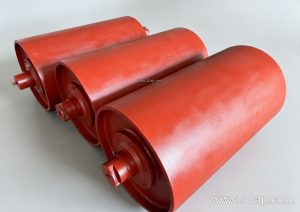
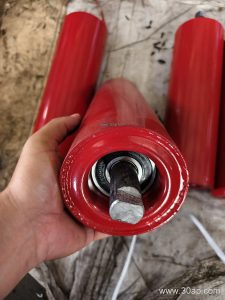
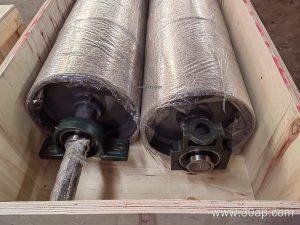
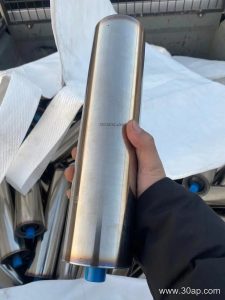
In these places the belt works with a full conveyor assembly: idler rollers support the carrying run, a conveyor pulley drives and tensions it, and a conveyor bracket holds the rollers and pulley bearings in line. Oil that reaches the belt can also reach the rollers and pulleys, so the whole line benefits from a compound that resists swelling.
Choosing the Right Grade
Start with the oil itself. Vegetable and animal fats are usually easier to handle than aromatic or chlorinated solvents, and some solvent exposure may call for a different polymer entirely rather than a rubber cover. Confirm the working temperature, because heat and oil together attack rubber faster than either alone. If the belt also carries hot clinker or sinter, a heat resistant conveyor belt grade may be the better base and the oil resistance becomes a secondary requirement.
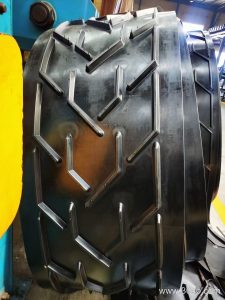
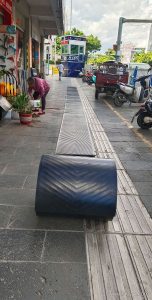
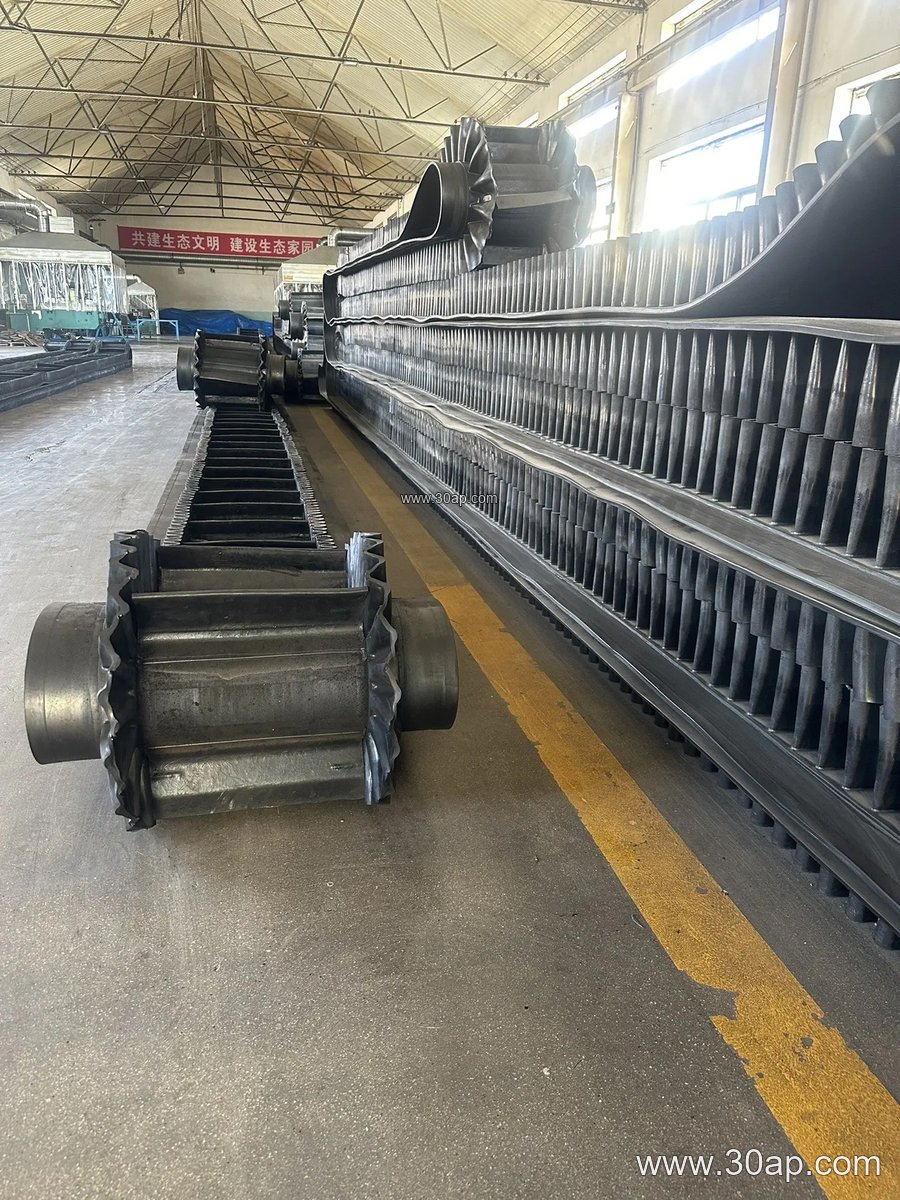
Then check mechanical duty. Sharp, heavy lumps need a thicker cover and possibly an impact resistant belt construction. Long centres and high tension push the choice toward higher EP grades such as EP800 or EP1000, or toward steel cord. Steep inclines may need a chevron conveyor belt or a corrugated sidewall belt, and those profiles can also be produced with oil resistant rubber where the application demands it.
Practical Notes for Buyers
Ask for the cover compound data and the oil test conditions rather than a generic label. State the oil family, the concentration, the temperature and the contact pattern. Specify belt width, ply count, cover gauges and strength grade in the enquiry, and mention the pulley diameters and troughing angle so the belt can be built with suitable flexibility.
During operation, keep oil leaks from drives and gearboxes away from the belt path, clean spillage promptly, and inspect splices for cover separation. Store spare rolls away from oils, solvents and direct sunlight. With the right compound and reasonable housekeeping, an oil resistant conveyor belt protects the whole conveying line, from the idler roller bed to the drive pulley, and reduces unplanned stoppages in oily and solvent-exposed material handling.