What a Conveyor Bracket Does on the Line
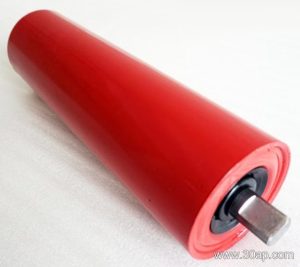
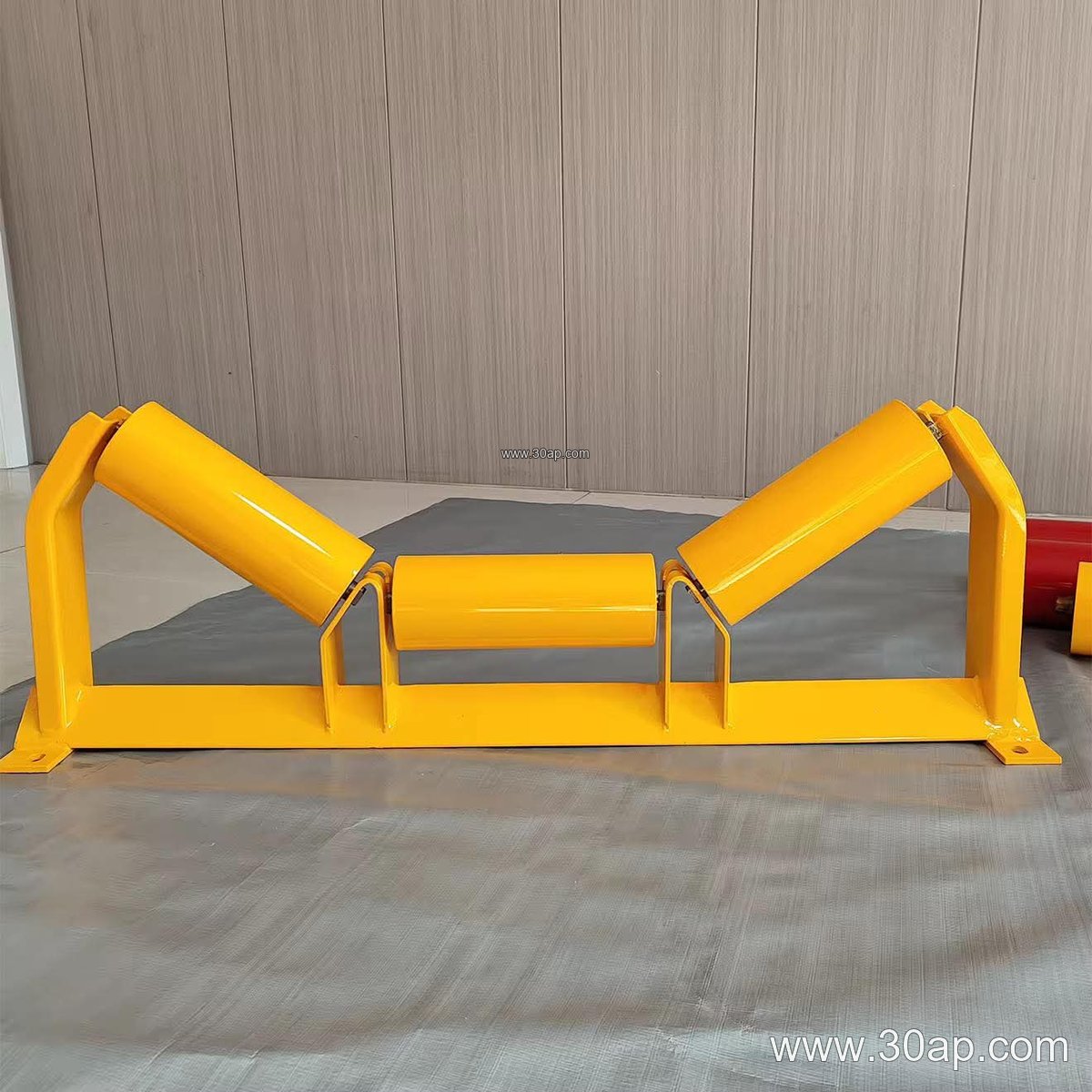
A conveyor bracket is the structural link between the idler roller and the conveyor frame. It holds each roller at the correct height, angle and spacing so the conveyor belt keeps its trough shape and tracks smoothly under load. In a quarry or a coal handling plant, a loose or misaligned bracket is often the real cause of belt wander, spillage and premature roller wear, even when the rollers themselves are in good condition.
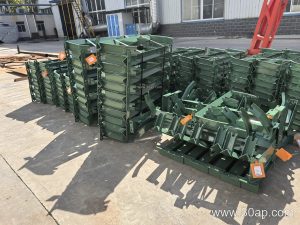
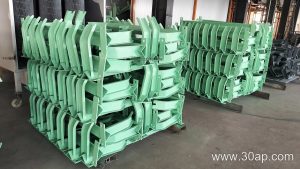
Because the bracket carries the weight of the belt plus the material, it is usually fabricated from angle steel, channel steel or folded steel plate. Bolt holes, crossbeam length and mounting height are determined by belt width, trough angle and roller diameter, so brackets are normally made to suit a specific conveyor design rather than sold as a universal part.
Common Bracket Types and Where They Sit
Carrying-side brackets hold the troughing rollers that shape the belt. Return-side brackets support the lower run, often with a flat or V-shaped arrangement. Transition brackets guide the belt from flat to troughed over a short distance, while impact brackets sit under the loading point to absorb shock. Self-aligning and forward-leaning brackets are used where belt tracking needs correction.
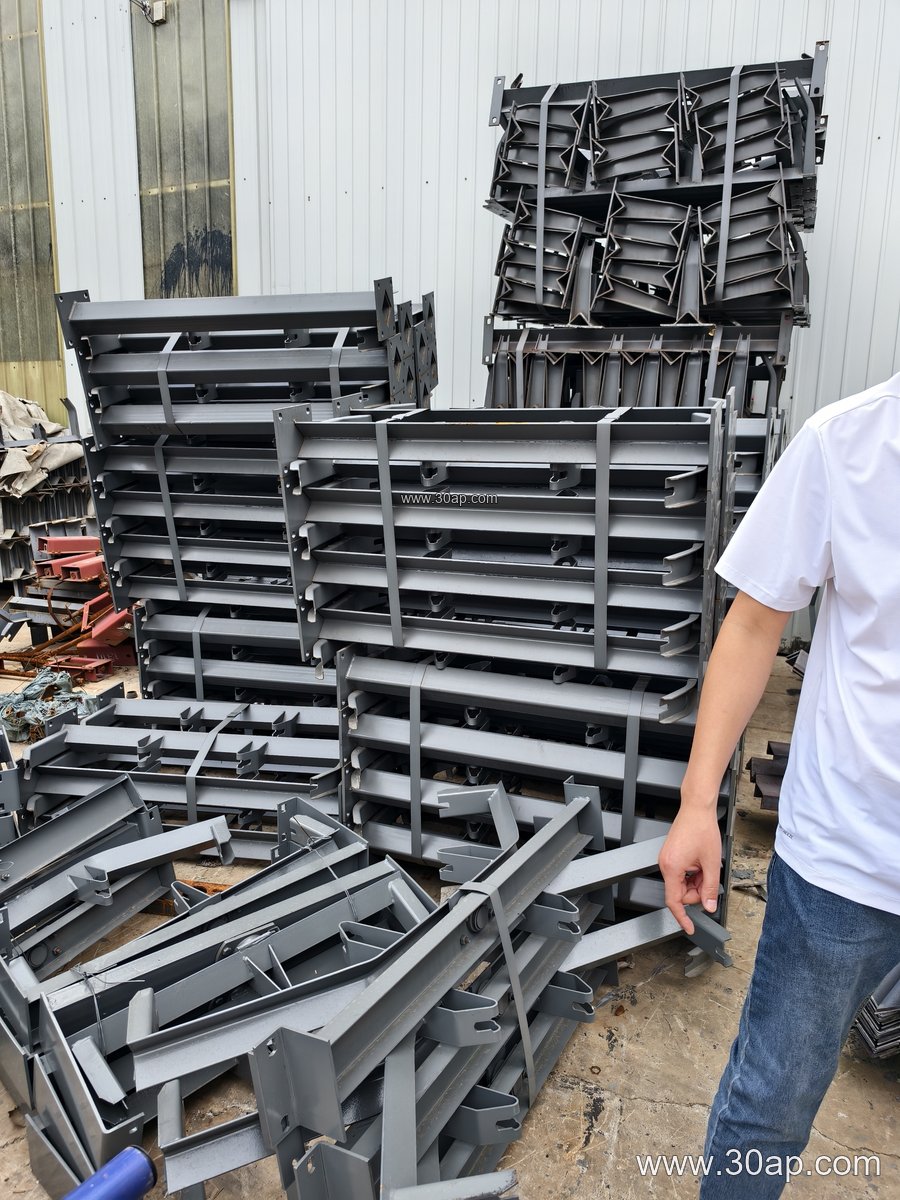
- Troughing bracket for the upper carrying run
- Transition bracket near the tail and head areas
- Return bracket or V-return bracket for the lower run
- Impact bracket under the chute or hopper
- Self-aligning bracket for belt training
- Adjustable bracket for changing trough angles
An adjustable conveyor bracket allows the trough angle to be set between common values such as 20, 30, 35 or 45 degrees. Fixed brackets are simpler and cheaper but must match the design angle exactly. Forward-leaning brackets usually tilt about 1.5 to 2 degrees to help center the belt.
Matching Bracket, Roller and Belt Width
Belt width and roller diameter are chosen together with the bracket. Typical combinations include B650 with 30 degrees and Ø89 rollers, B800 with 35 degrees and Ø108, or B1200 with 45 degrees and Ø133. Larger widths such as B1400, B1600 or B1800 often use Ø159 or Ø194 rollers. These are common references, not fixed rules; the final match depends on load, belt stiffness and frame design.
| Belt Width | Typical Trough Angle | Roller Diameter |
|---|---|---|
| B500 / B650 | 20–30 degrees | Ø89 |
| B800 / B1000 | 30–35 degrees | Ø108 / Ø133 |
| B1200 / B1400 | 35–45 degrees | Ø133 / Ø159 |
| B1600 / B1800 | 35–45 degrees | Ø159 / Ø194 |
The bracket must also suit the belt it carries. A heavy-duty EP conveyor belt or steel cord conveyor belt used in iron ore or copper ore handling needs a rigid bracket and closely spaced rollers, while a lighter fabric core conveyor belt on a sand making line may use a simpler frame. Abrasion resistant conveyor belt and heat resistant conveyor belt grades are often paired with impact brackets at transfer points.
Installation and Maintenance Notes
Alignment matters more than bolt tightness alone. Brackets should be set square to the frame centerline, at equal height on both sides, and checked with a string line before the belt is tensioned. On a coal mining conveyor belt or an underground mining conveyor belt, brackets are also inspected for corrosion and loosened fasteners, since access for repair is limited.
During routine checks, look for bent crossbeams, elongated holes and worn mounting faces. A bracket that has shifted can make a new idler roller wear out within weeks. Replacing a single bracket is usually straightforward, but the replacement should match the original mounting hole spacing and trough angle.
Buyer Checklist
Before ordering, confirm belt width, trough angle, roller diameter, mounting hole spacing and the material of the frame. Ask whether the bracket is fixed or adjustable, and whether it is for the carrying or return side. State the duty: a cement plant, power plant or ship loading conveyor may need a heavier section than a small aggregate line. Clear specifications at the inquiry stage avoid costly rework later.