What an idler shaft does
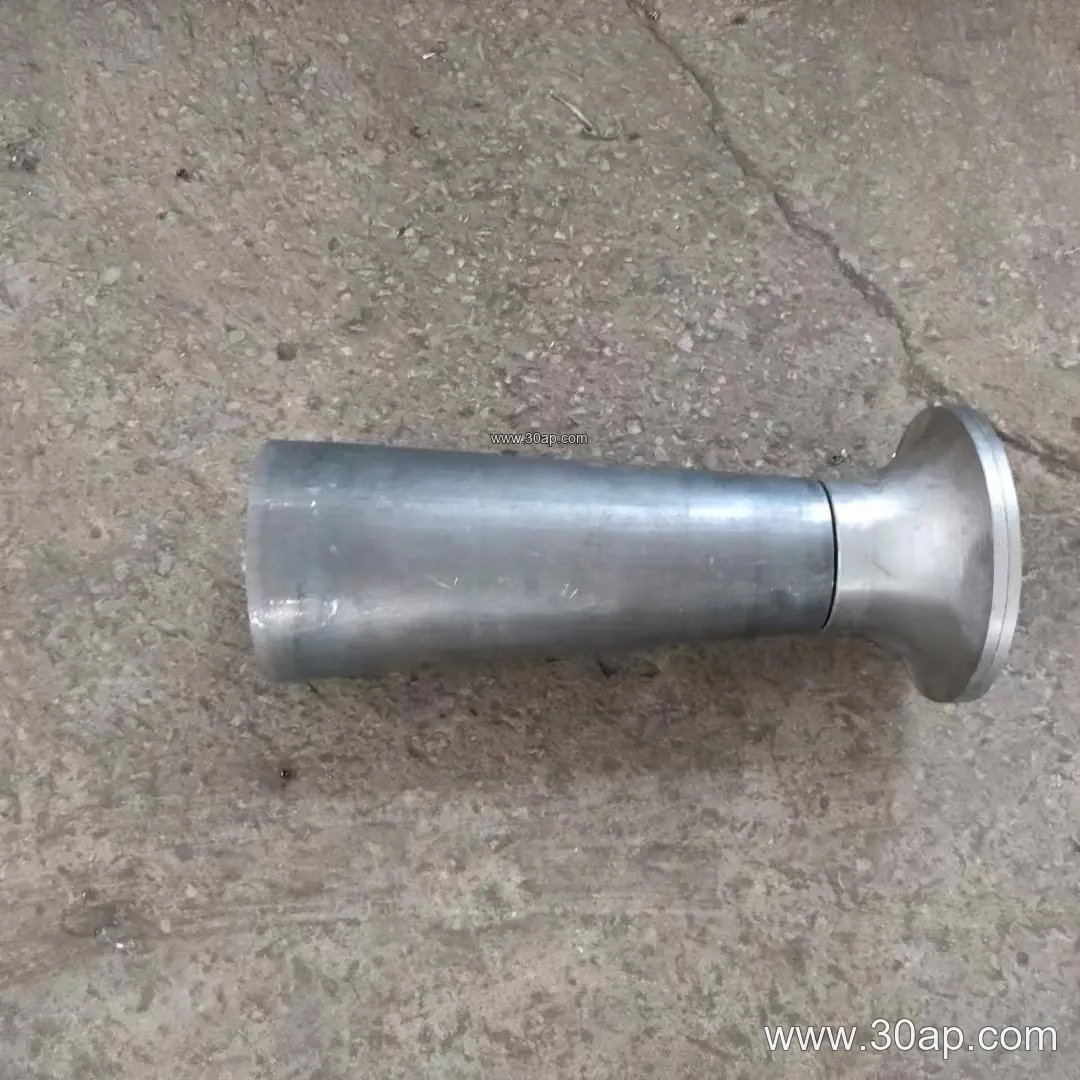
The idler shaft is the stationary axle inside a conveyor idler roller. While the roller shell turns with the belt, the shaft stays fixed and carries the load through the bearings. In a quarry or a coal handling plant, a worn shaft can stop a whole line, so this small part deserves attention. The shaft is not a drive pulley or a tail pulley; it is the core of the idler roller itself.
Construction and fits
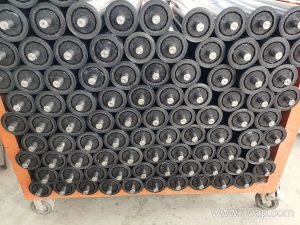
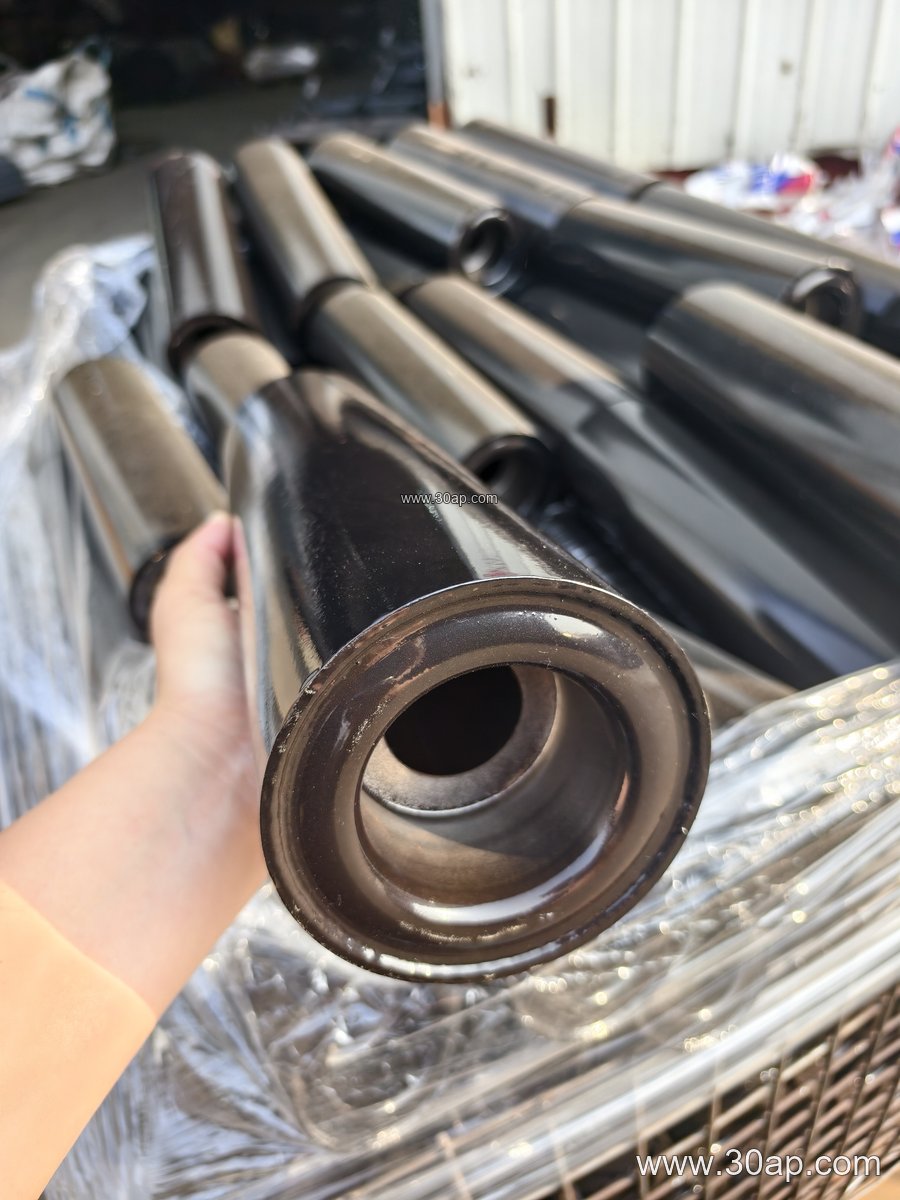
Most shafts are made from cold-drawn or turned steel, with machined seats for the bearings and flats or threads at the ends for mounting in the conveyor bracket. Common roller diameters range from Ø63 to Ø219 mm, and the shaft diameter is matched to the bearing bore, not to the belt width alone. For example, a 6205 bearing may be used on several roller sizes, so buyers should confirm the shaft drawing rather than assume a fixed pairing.
Typical roller and shaft reference data
| Roller diameter (mm) | Common bearing | Typical application |
|---|---|---|
| Ø89 | 6204 / 6205 | Light to medium duty, B500–B800 |
| Ø108 | 6205 / 6305 | General bulk handling, B650–B1000 |
| Ø133 | 6305 / 6306 | Heavy duty, B1000–B1400 |
| Ø159 | 6306 / 6308 | Mining and quarry, B1200–B1600 |
| Ø194 | 6308 / 6310 | High load, B1400–B2000 |
These are common examples, not fixed rules. The shaft length changes with belt width and trough angle, and side rollers may differ from the centre roller in a three-roll set.
Where it is used
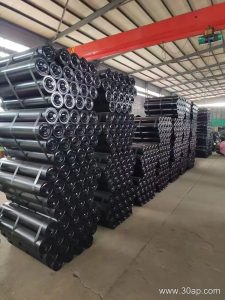
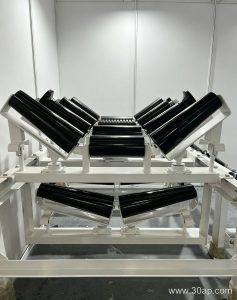
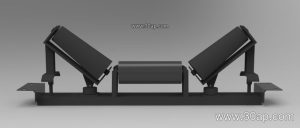
Idler shafts appear in troughing, return, impact and training idlers along a conveyor belt. In a cement plant, a three-roll troughing set at 35 degrees uses shafts that must resist dust and vibration. In a port loading system, return idlers with V-shaped rollers rely on straight, well-sealed shafts to keep the belt tracking. The same shaft design also supports idlers under a corrugated sidewall belt or a pipe conveyor belt, where alignment is critical.
Selection points for buyers
When ordering, state the roller diameter, shaft diameter, bearing number, shaft length and end fixing type. Check the load rating against the belt width and material weight. A shaft that is too small for the duty will flex and wear bearings early. Also confirm the seal arrangement: in a washdown area or a coal mining conveyor, good sealing matters as much as steel grade.
Maintenance notes
- Listen for squealing or rumbling, which often points to bearing or shaft wear.
- Check that the shaft ends sit correctly in the conveyor bracket and are not loose.
- Replace a bent shaft rather than trying to straighten it in place.
For matching components, see the idler roller, conveyor pulley and conveyor bracket ranges at www.beltconveyorparts.com. A well-chosen idler shaft keeps the whole conveyor belt running smoothly, whether the line handles limestone, iron ore or coal.