What an Impact Resistant Idler Does
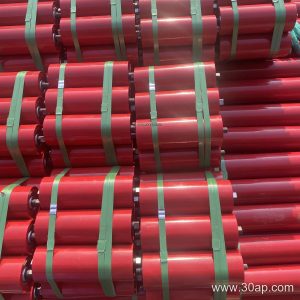
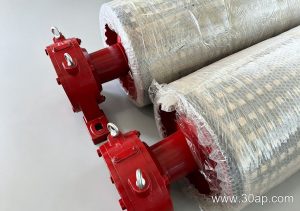
An impact resistant idler is a heavy-duty conveyor idler roller placed at transfer points where bulk material drops onto the belt with force. Instead of transmitting that shock directly to the frame, the impact resistant idler absorbs and distributes it, protecting the conveyor belt and extending service life in quarries, coal preparation plants, cement works and power station coal handling systems. You may also see it called a buffer idler or shock-absorbing idler; these are accurate equivalents for the same product.
Unlike a standard carrying idler, which mainly supports the belt and load, this idler is built for repeated impact. It is not a replacement for a bend pulley or a tail pulley, and it should not be confused with a return idler or a training idler. Its job is specific: cushion the load at the point of drop.
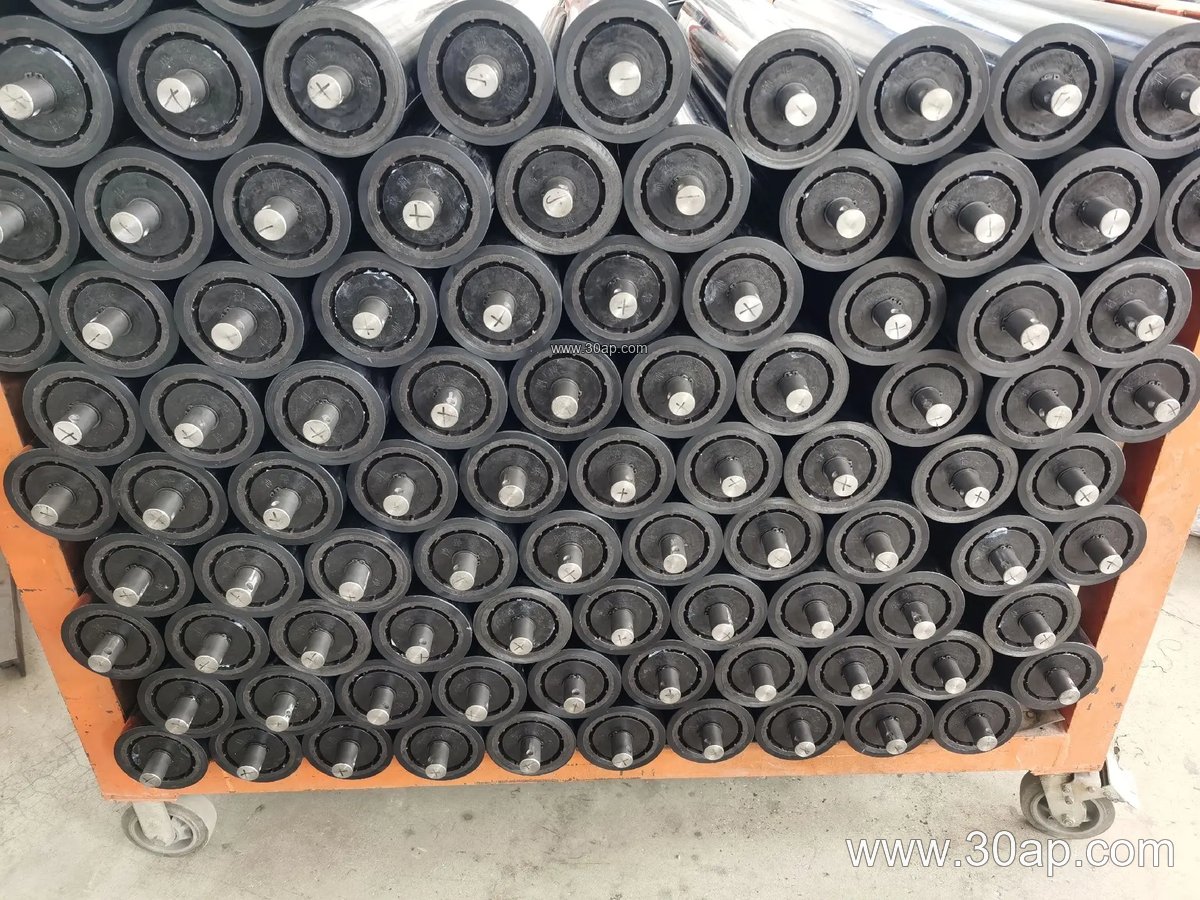
How the Idler Is Built
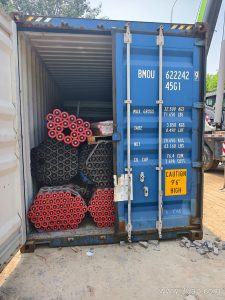
The cushioning effect comes from the roller surface and the bearing arrangement. Common designs use rubber rings or rubber discs mounted on a steel tube, sometimes with a nylon or ceramic surface for different wear conditions. The rubber rings flex under impact and reduce point loading on the belt cover. Bearings are usually selected for shock loads rather than pure radial load, with common sizes such as 6205, 6305, 6306 or 6308 depending on the roller diameter and duty.
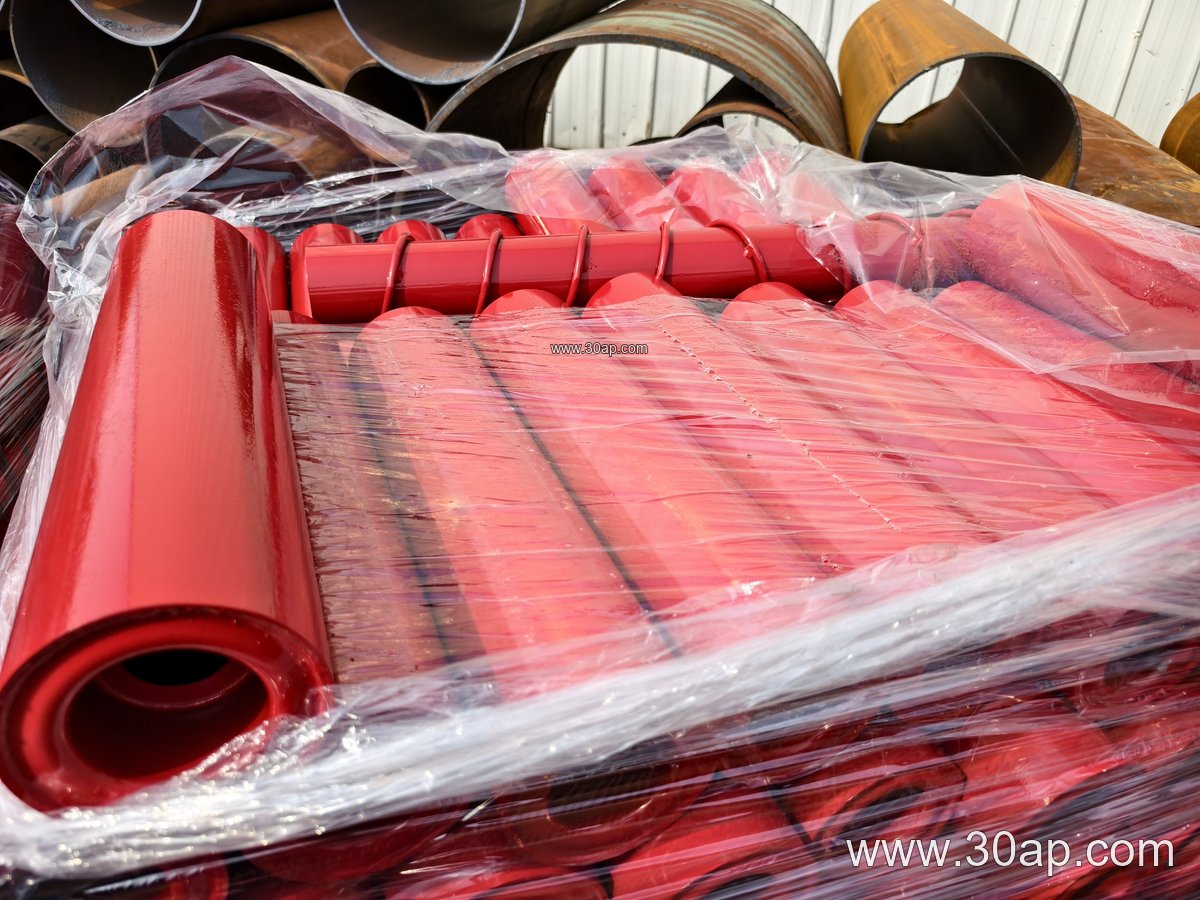
Roller diameters for impact resistant idlers often follow the same range as heavy carrying idlers: Ø89, Ø108, Ø127, Ø133, Ø159 and Ø178 mm are common, with larger diameters used where lump size is large. The idler length is matched to the belt width and trough configuration. For a three-roll troughing set, typical roller lengths are around 200 mm for B500, 250 mm for B650, 315 mm for B800, 380 mm for B1000, 465 mm for B1200, 530 mm for B1400, 600 mm for B1600 and 670 mm for B1800. These are common examples only; side rollers and centre rollers can differ, and final dimensions are set by the conveyor design.
Where It Fits on the Conveyor
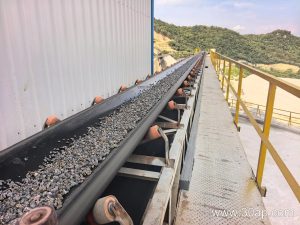
Impact resistant idlers are normally installed in the impact zone directly under the loading chute, often as a three-roll troughing set with a 20, 30 or 35 degree trough angle. In some transfer points, a 45 degree trough is used to contain a wide load. The first few idler positions after the feed point take the most punishment, so they are usually the ones upgraded to impact resistant construction.
These idlers are common in aggregate plants, limestone mines, iron ore handling, copper ore transfer, coal mining conveyors, cement plants and ship loading terminals. They work alongside a rubber conveyor belt or an EP conveyor belt, and in coal mining they are often paired with a flame retardant conveyor belt. The idler itself does not replace the belt’s impact resistance, but it reduces the stress that reaches the belt cover and carcass.
Selection Details Buyers Should Check
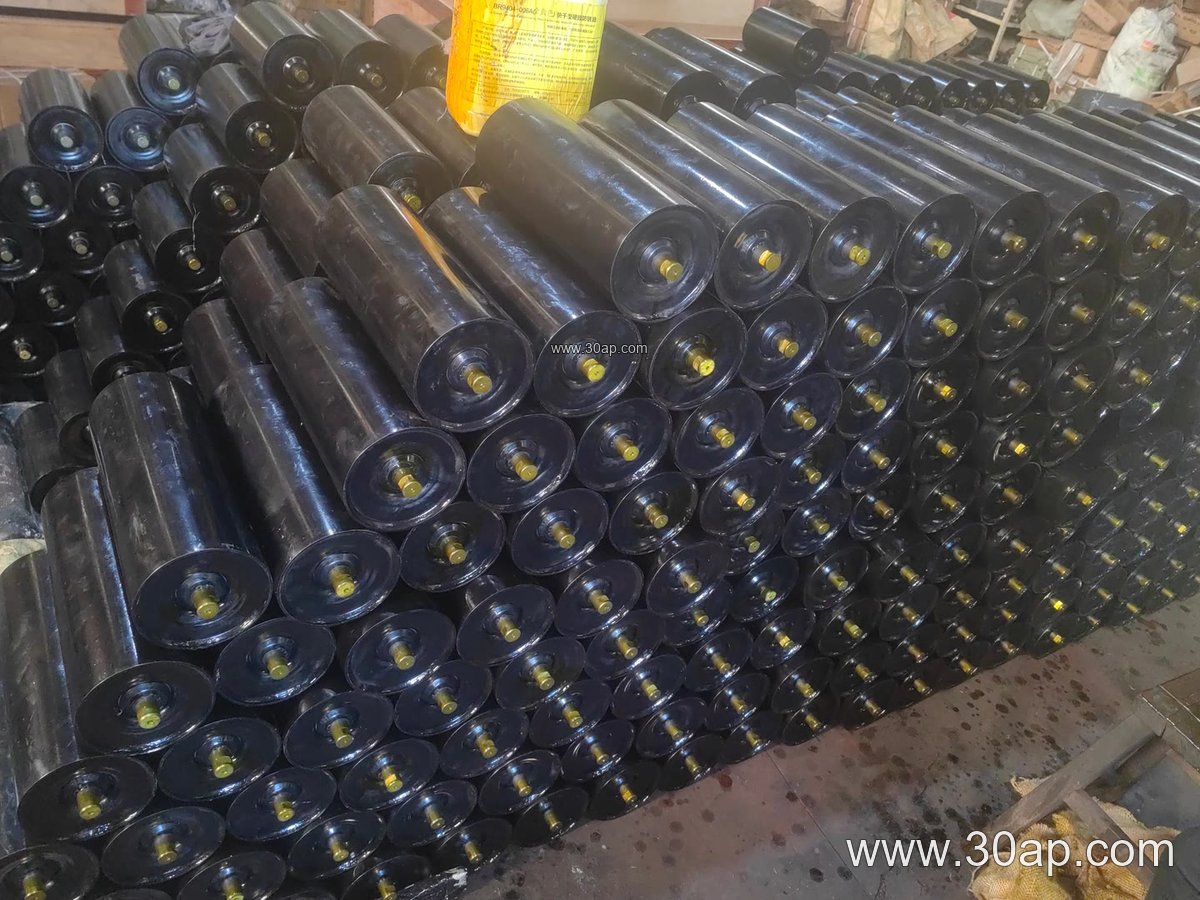
When specifying an impact resistant idler, match the roller diameter and bearing to the belt speed and load, not just to the belt width. A wider belt does not automatically require a larger shaft, and one belt width can be used with more than one pulley or idler diameter. The trough angle, roller length and frame mounting must suit the existing conveyor bracket and stringer spacing.
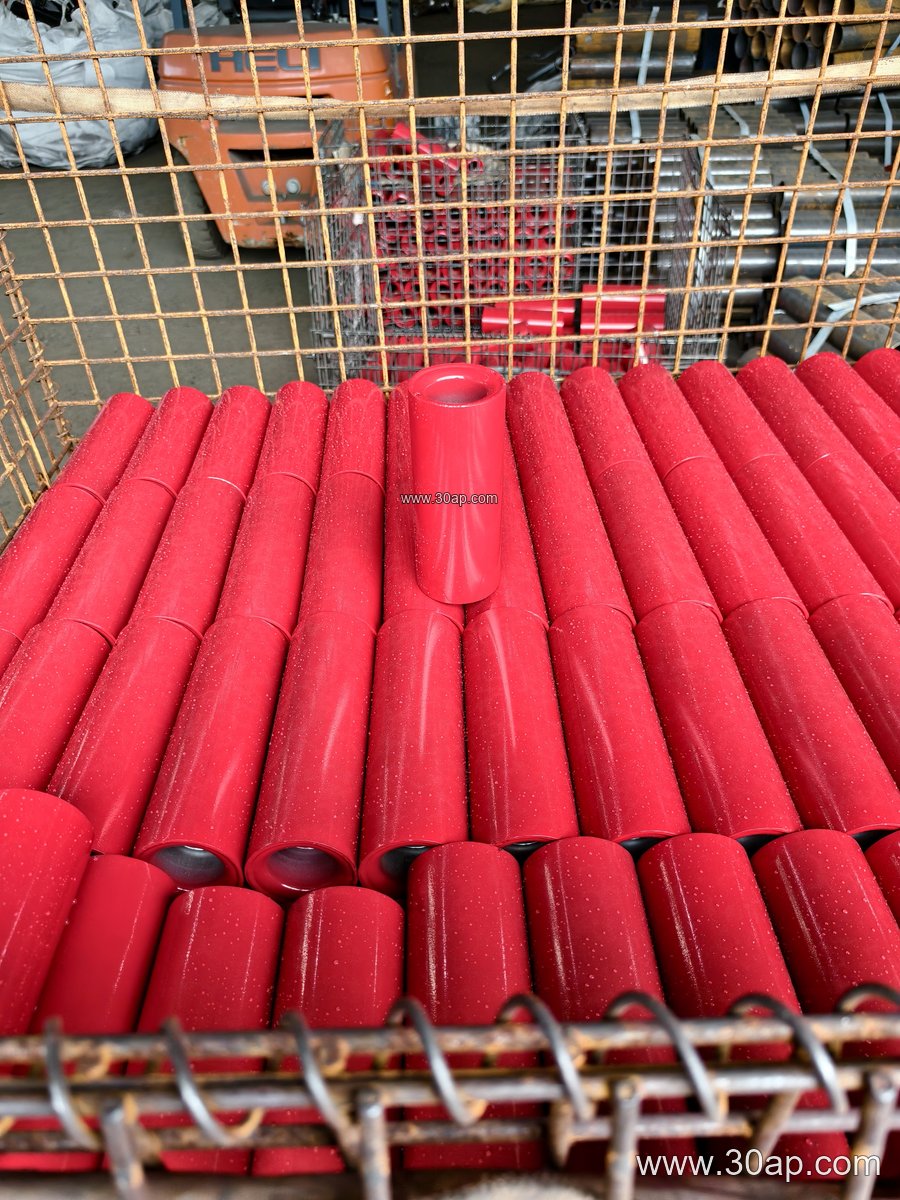
Buyers should also confirm the rubber ring hardness and thickness, the sealing arrangement for dusty conditions, and whether the idler is for a fixed or movable transfer point. In dusty quarries and coal preparation plants, good sealing matters as much as the rubber rings. For abrasive bulk materials, a high abrasion resistant conveyor belt combined with well-chosen impact idlers gives a more balanced result than upgrading only one component.
Maintenance and Practical Notes
Inspect impact idlers for flattened rubber rings, loose discs and seized bearings. A worn impact idler stops cushioning and passes shock to the belt, which can lead to cover damage and splice failure. Keep the loading chute centred so material does not strike one side of the idler set. Where fines build up under the belt, clean the impact zone regularly to avoid uneven support.
For conveyor systems handling heavy lump material, the impact resistant idler is a small component with a large effect on belt life. It is not a drive pulley, tail pulley or bend pulley, and it is not a substitute for a training idler; it is the cushioning element at the point where the load lands.