What a Cement Plant Conveyor Pulley Does
In a cement plant, raw material handling is a continuous, dusty, and often abrasive duty. The cement plant conveyor pulley is the rotating component that drives, tensions, or redirects the conveyor belt. It transfers motion from the drive system to the belt and helps maintain proper belt tracking along the entire route—from limestone crushing to clinker storage and cement grinding. Without reliable pulleys, even the toughest conveyor belt would struggle to keep material moving.
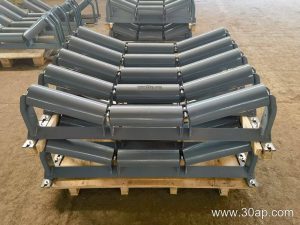
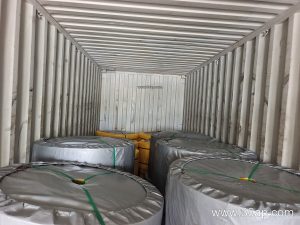
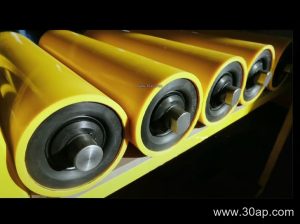
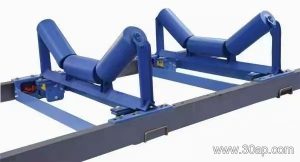
This component is often simply called a conveyor drum or belt pulley. In cement operations, it works alongside the conveyor belt, idler roller, and conveyor bracket to form a complete material handling system. Whether you are moving limestone, clay, clinker, or finished cement, the pulley must be matched to the load, environment, and belt type.
How a Cement Plant Conveyor Pulley Is Built
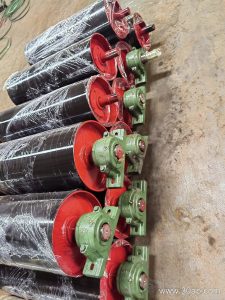
A typical pulley consists of a cylindrical shell, shaft, hub, and end discs. The shell is usually made from rolled steel, and the shaft is sized according to torque and radial load—not by belt width alone. Common shaft diameters include Ø50, Ø60, Ø70, Ø80, Ø90, Ø100, Ø120, Ø140, Ø160, Ø180, and Ø200 mm, but the final choice depends on the drive calculation and bearing selection.
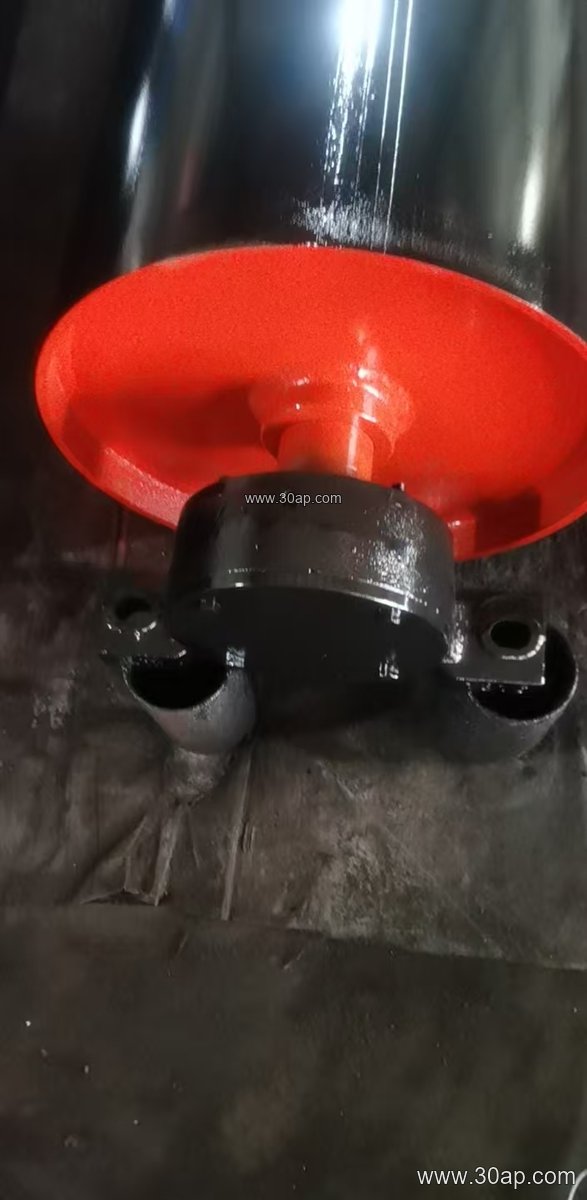
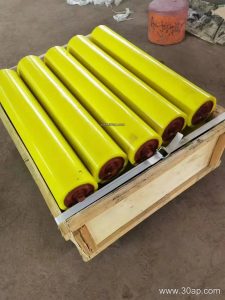
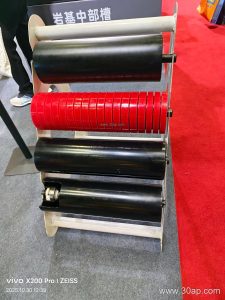
The surface can be plain, or it can be covered with rubber, ceramic, or other lagging. Lagging types include cast rubber, cold-bonded rubber, hot-vulcanized rubber, diamond pattern, herringbone pattern, ceramic, and plain sheet. Lagging thickness commonly ranges from 8 mm to 20 mm. The right surface helps grip the belt under dusty or wet conditions, which is common in cement plants where fine dust and moisture can reduce friction.
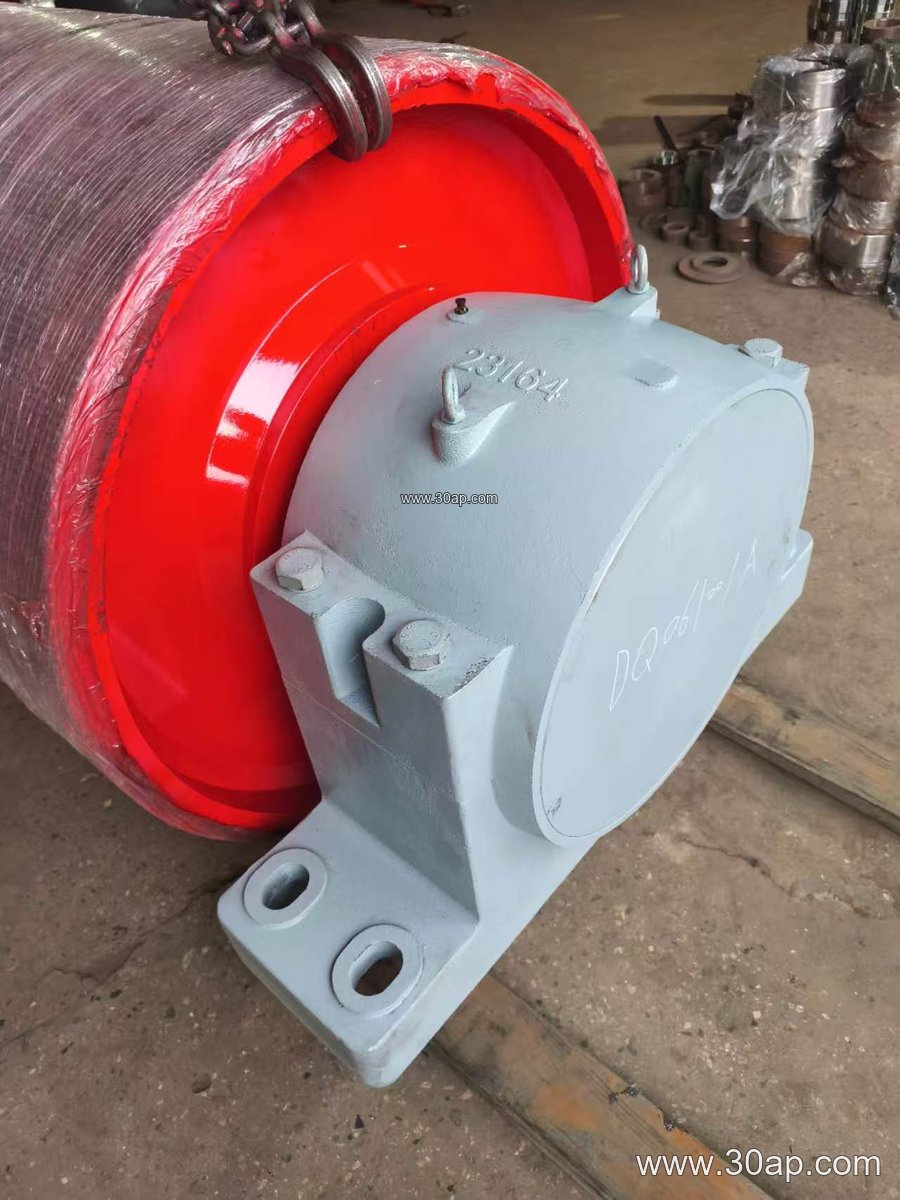
Common Pulley Types in Cement Plants
Drive pulleys, also called head pulleys, transmit power to the belt. Tail pulleys at the loading end help maintain belt tension. Bend pulleys change the belt direction, while take-up pulleys adjust tension. These subtypes are not interchangeable; each serves a specific position and function. For example, a drive pulley usually has a larger diameter and heavier lagging than a bend pulley. Electric pulleys combine the motor inside the drum but are typically used for lighter duties and are not a substitute for a heavy-duty drive pulley in the main clinker line.
Where It Fits in the Cement Production Line
The cement plant conveyor pulley is found in several key areas: the limestone quarry conveyor, the raw mill feed line, the clinker transport system, and the cement packing and loading section. In a limestone mine or quarry, pulleys handle abrasive rock and may require ceramic lagging. In the clinker cooler area, heat-resistant conveyor belts and pulleys with heat-tolerant lagging may be needed. In the coal mill feed line, flame retardant and anti-static properties become important for both belt and pulley surface.
Other industries such as power plant coal handling, port bulk terminals, and aggregate plants also use similar pulleys, but the cement plant environment is particularly demanding due to fine, abrasive dust and high temperatures in some zones.
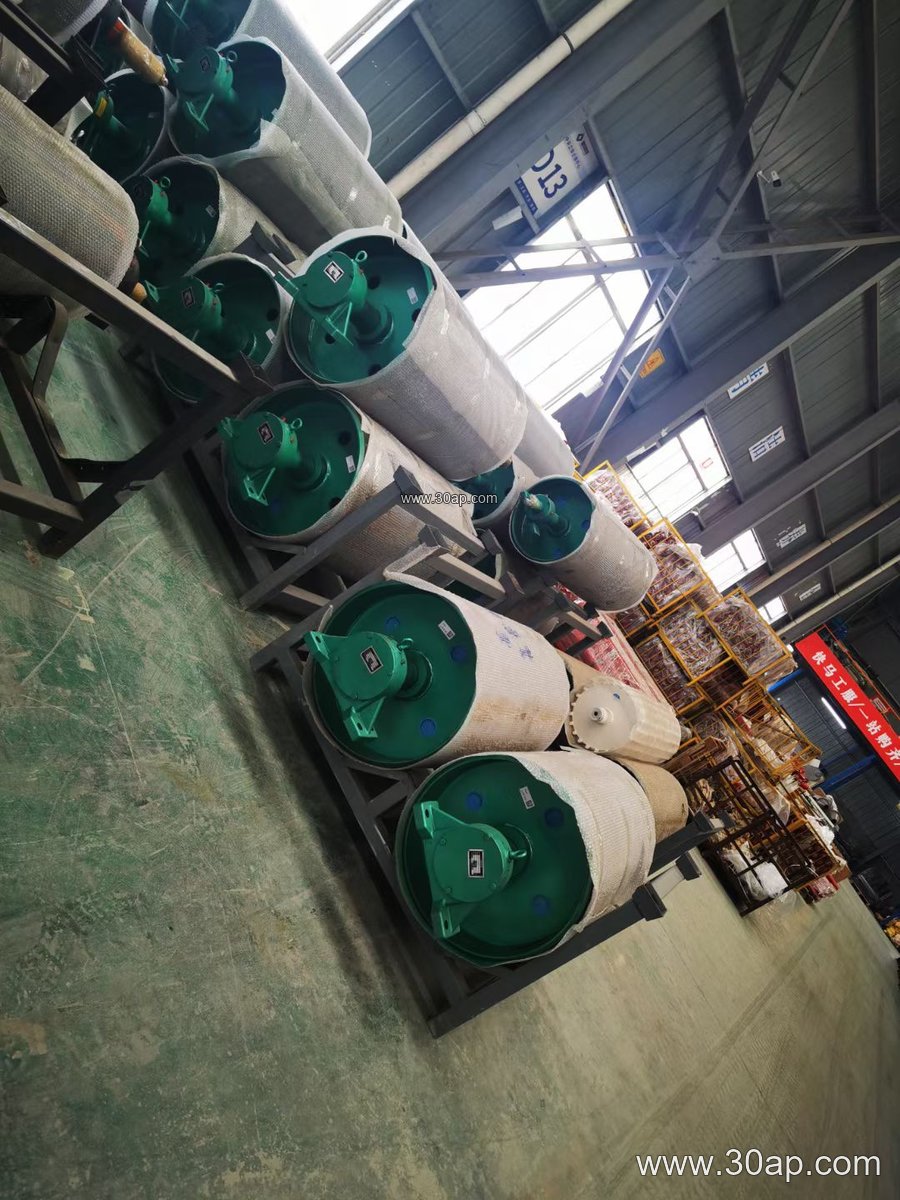
Matching Pulley Size to Belt Width
Pulley face width is usually greater than the belt width to allow for belt tracking. Common examples include B400 belt with about 500 mm face width, B800 with about 950 mm, B1200 with about 1400 mm, and B1600 with about 1800 mm. These are reference values, not fixed rules. Diameter and shaft size must be calculated from torque, belt tension, and load. For example, a B1200 × Ø1000 drive pulley may be suitable for a high-tension main line, while a B800 × Ø500 bend pulley might serve a shorter transfer point. Never assume one belt width only matches one pulley diameter.
Buyer Checklist for Cement Plant Conveyor Pulleys
When specifying a pulley, consider the following:
- Belt width and type (e.g., EP conveyor belt, steel cord conveyor belt, heat resistant conveyor belt, flame retardant conveyor belt)
- Pulley position and function (drive, tail, bend, take-up)
- Lagging material and thickness for grip and wear life
- Shaft diameter based on torque and bearing load
- Environmental factors: dust, heat, moisture, oil, or chemicals
- Compatibility with idler roller and conveyor bracket dimensions
For cement plant operators, keeping spare pulleys and lagging sheets on hand can reduce downtime. Regular inspection of lagging wear, shaft alignment, and bearing condition helps prevent belt mistracking and premature belt damage. A well-chosen cement plant conveyor pulley, paired with the right conveyor belt and idler roller, keeps material flowing efficiently from quarry to silo.