What a Mining Fire Resistant Conveyor Belt Is
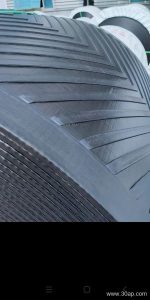
A mining fire resistant conveyor belt is a heavy-duty rubber belt designed to resist ignition and limit flame spread in underground and surface mining operations. Often referred to as a fire resistant conveyor belt or flame retardant conveyor belt, it is built to carry coal, ore, and other bulk materials where sparks, friction, or electrical faults could pose a fire risk. Unlike standard rubber belts, this product uses special cover compounds and core constructions that meet fire safety requirements for mines, coal preparation plants, and power stations.
Construction and Materials
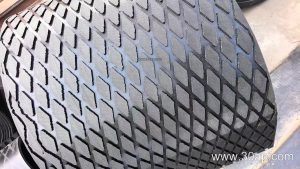
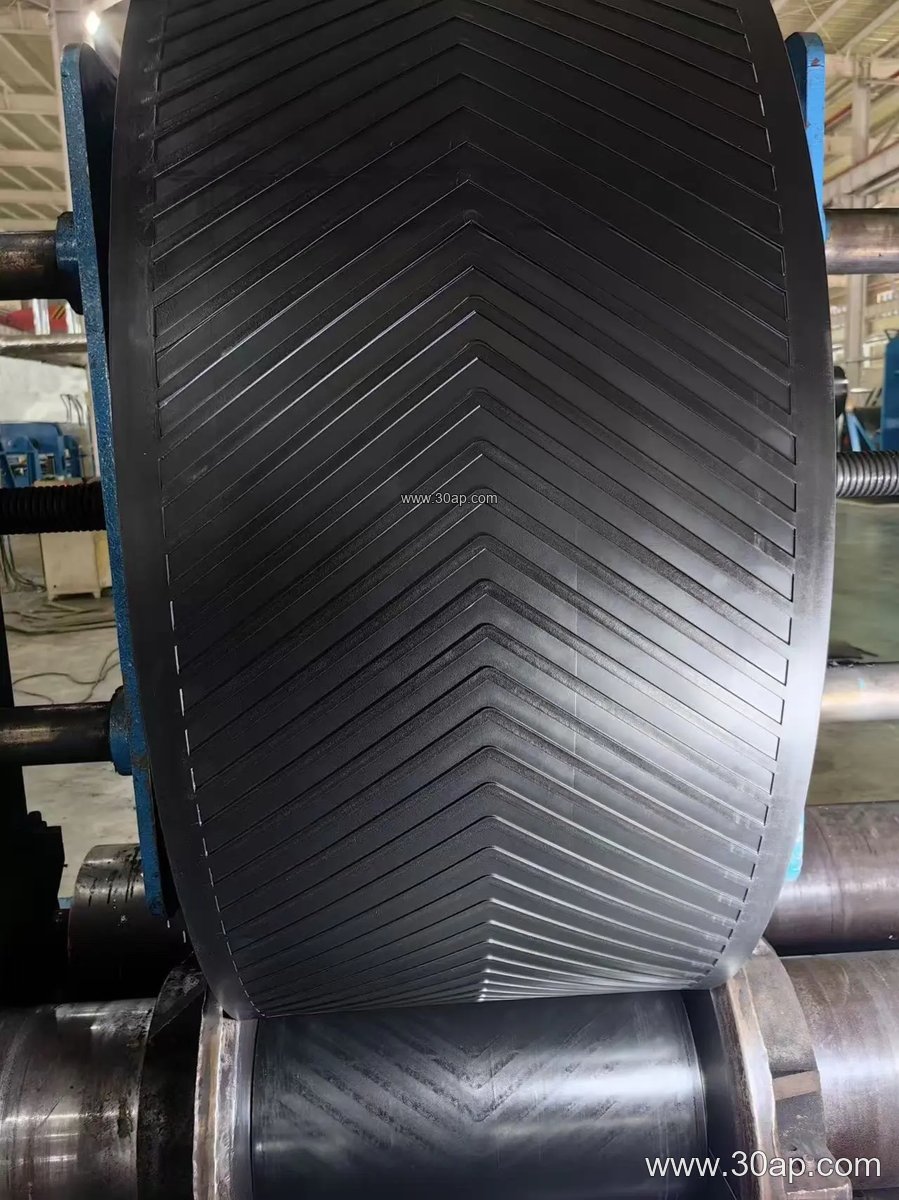
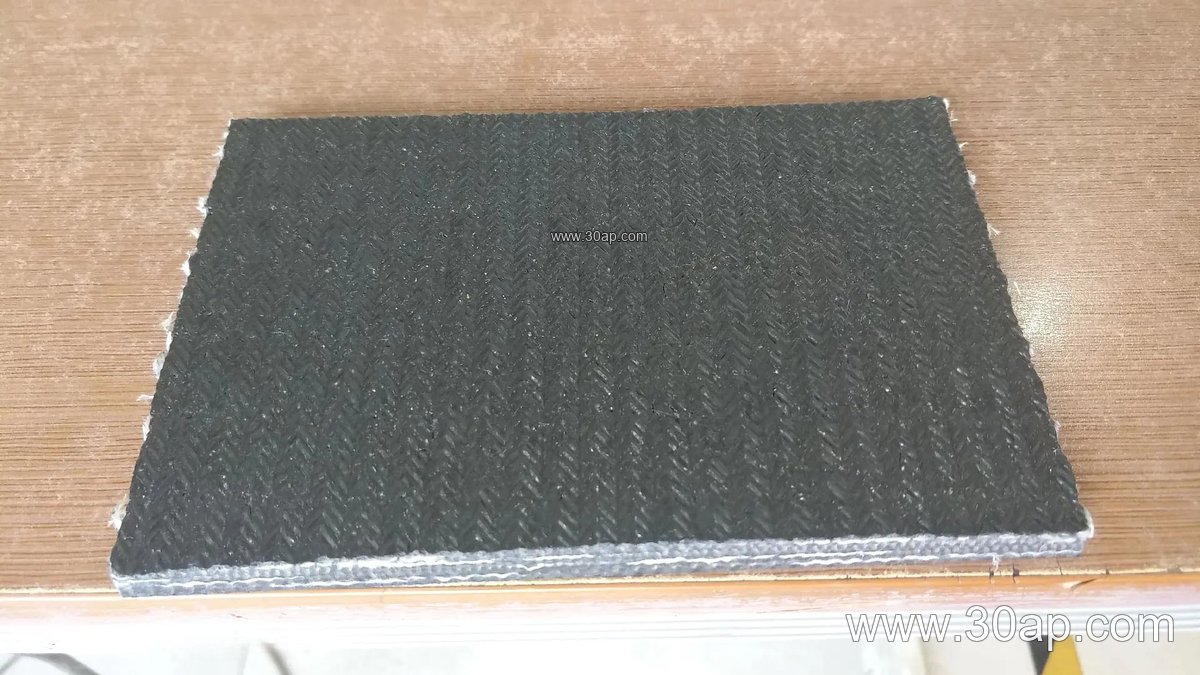
The belt typically combines a fabric or steel cord core with fire resistant rubber covers. Common carcass types include EP (polyester-nylon) and NN (nylon-nylon) fabric cores, as well as steel cord cores for high-tension applications. The rubber covers are formulated with flame retardants and anti-static additives to reduce the chance of ignition and static buildup. A typical construction might use 2 to 6 plies of fabric, with cover thicknesses such as 4+2 mm or 6+2 mm, depending on the duty. The belt edges are often protected to resist fraying, and the surface may be smooth or patterned for better grip.
Key Components
- Carcass: EP or NN fabric, or steel cord, providing tensile strength and troughability.
- Cover rubber: Fire resistant, anti-static compound, often also abrasion resistant.
- Edge protection: Reinforced edges to prevent moisture ingress and edge damage.
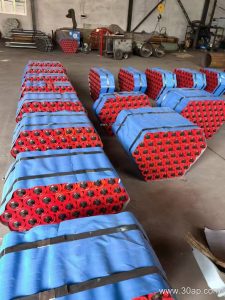
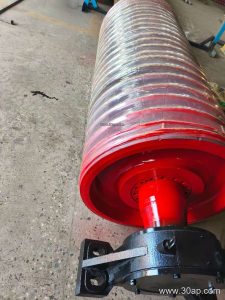
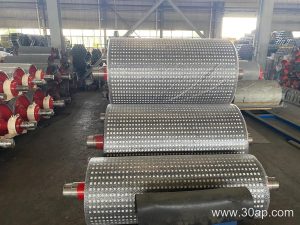
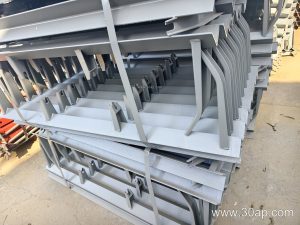
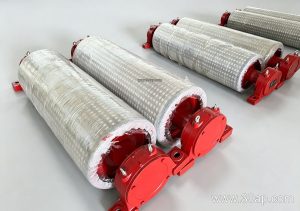
When specifying a belt, consider the conveyor pulley and idler roller arrangement, as well as the belt width. Standard widths include 800mm, 1000mm, 1200mm, and 1400mm, but wider belts up to 2000mm are available for high-capacity systems. The belt must match the pulley diameters and take-up system for proper tracking.
Where It Is Used
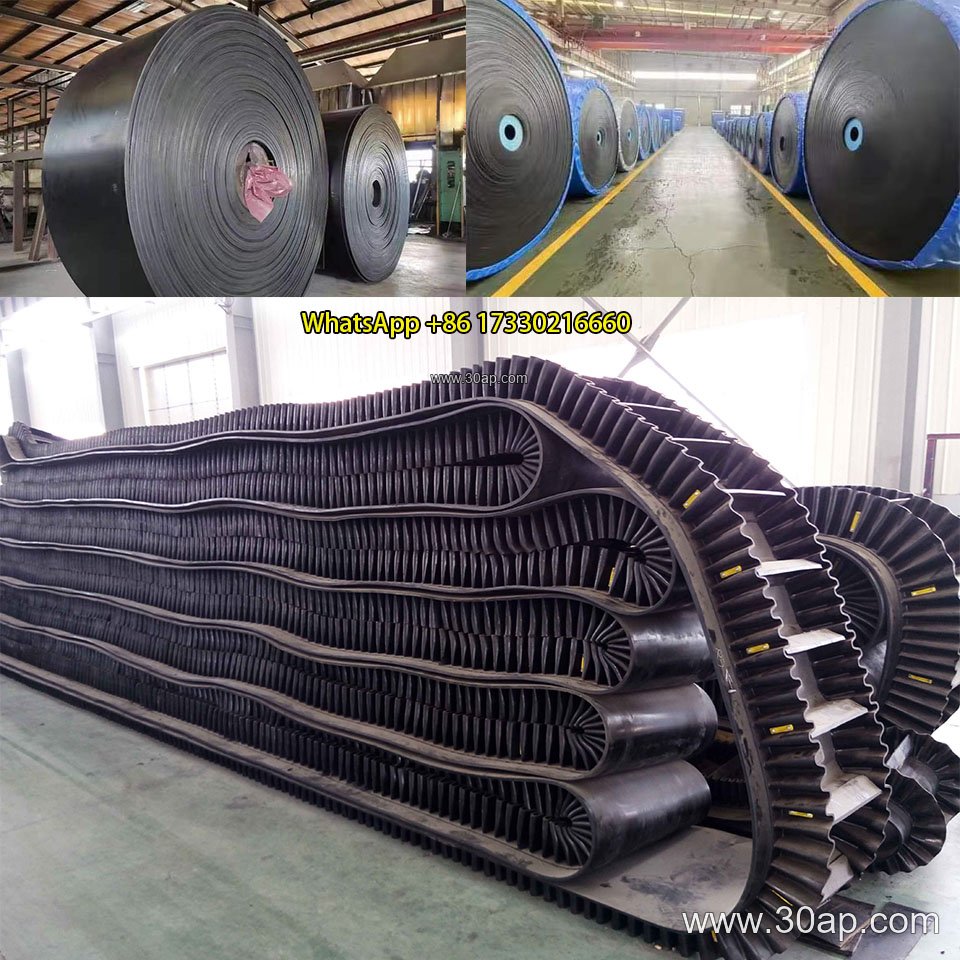
This belt is essential in underground coal mining, where methane and coal dust create explosive atmospheres. It is also used in surface coal mines, cement plants, power plants, and metallurgical operations. In a coal mining conveyor belt system, fire resistance is critical to protect workers and equipment. The same belt type may be found in quarry conveyor belts handling aggregate, or in ore conveyor belts at iron ore and copper ore mines, provided the fire risk justifies the cost. Other industries, such as sand making plants and stone crushing lines, may use standard abrasion resistant belts unless fire safety is a concern.
For extreme conditions, a heat resistant conveyor belt may be needed in cement kilns or foundries, but that is a different product. Similarly, oil resistant or cold resistant belts serve specific environments. The mining fire resistant belt focuses on flame retardancy and anti-static properties.
Specifications and Selection
Buyers should specify the belt width, carcass type, number of plies, cover thickness, and tensile strength. Common strength grades for EP belts include EP200, EP400, EP630, and EP1000, while steel cord belts may use ST1000 or ST1600. The table below shows typical reference values; actual supply depends on the manufacturer and application.
| Parameter | Common Range |
|---|---|
| Belt width | 650mm to 2000mm (e.g., 800mm, 1000mm, 1200mm, 1400mm) |
| Carcass type | EP fabric, NN fabric, steel cord |
| Number of plies | 2 to 6 |
| Cover thickness | 3+1.5 mm, 4+2 mm, 5+2 mm, 6+2 mm, 8+3 mm |
| Tensile strength | EP200 to EP2000, ST1000 to ST3150 |
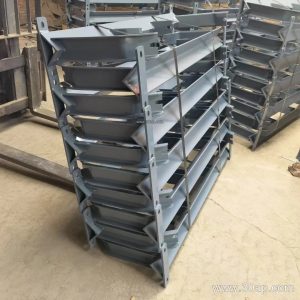
Selection also depends on the conveyor layout: drive pulley, tail pulley, and bend pulley diameters must be compatible with the belt’s flexibility. Idler roller spacing and conveyor bracket design affect belt support and training. For underground coal mining conveyor belt applications, check that the belt meets local fire safety standards, such as anti-static and flame retardant requirements.
Buyer Checklist
- Verify the fire resistance rating and anti-static properties with test reports.
- Confirm belt width and carcass strength match the conveyor design.
- Consider the environment: underground coal mining may require higher flame retardancy than surface quarry use.
- Ensure compatibility with pulleys and idlers to avoid premature wear.
- Plan for maintenance: inspect for cover damage, edge wear, and splice integrity regularly.
For more information on conveyor belts, idler rollers, and pulleys, visit our site at www.example.com/conveyor-belt or www.example.com/idler-roller. A properly selected mining fire resistant conveyor belt contributes to safer operations in demanding industries such as mining, cement, and power generation.