What a Self-Aligning Idler Set Does on a Conveyor
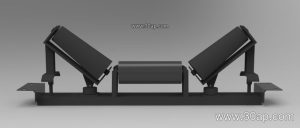
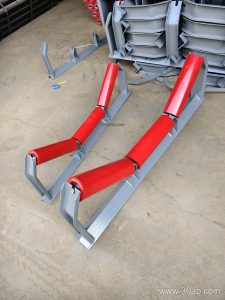
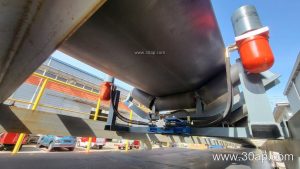
A self-aligning idler set is a group of idler rollers mounted in a frame that pivots or shifts to correct belt misalignment. Unlike fixed carrying idlers, this assembly responds when the conveyor belt drifts sideways, steering it back toward the center line. In a quarry, cement plant, or coal handling system, a self-aligning idler set helps protect the belt edges and reduces spillage without constant manual adjustment.
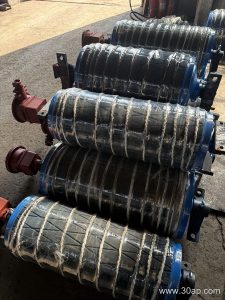
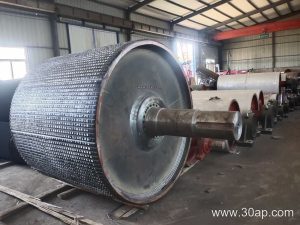
The set is often called a self-tracking idler set or aligning idler group. It is not a drive pulley or a tail pulley; those are conveyor pulleys that transmit power or redirect the belt. The self-aligning idler set works on the carrying or return side as a support and guidance component.
How the Assembly Is Built
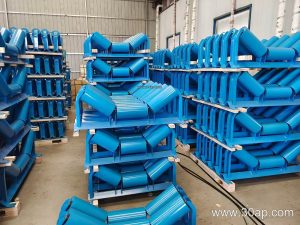
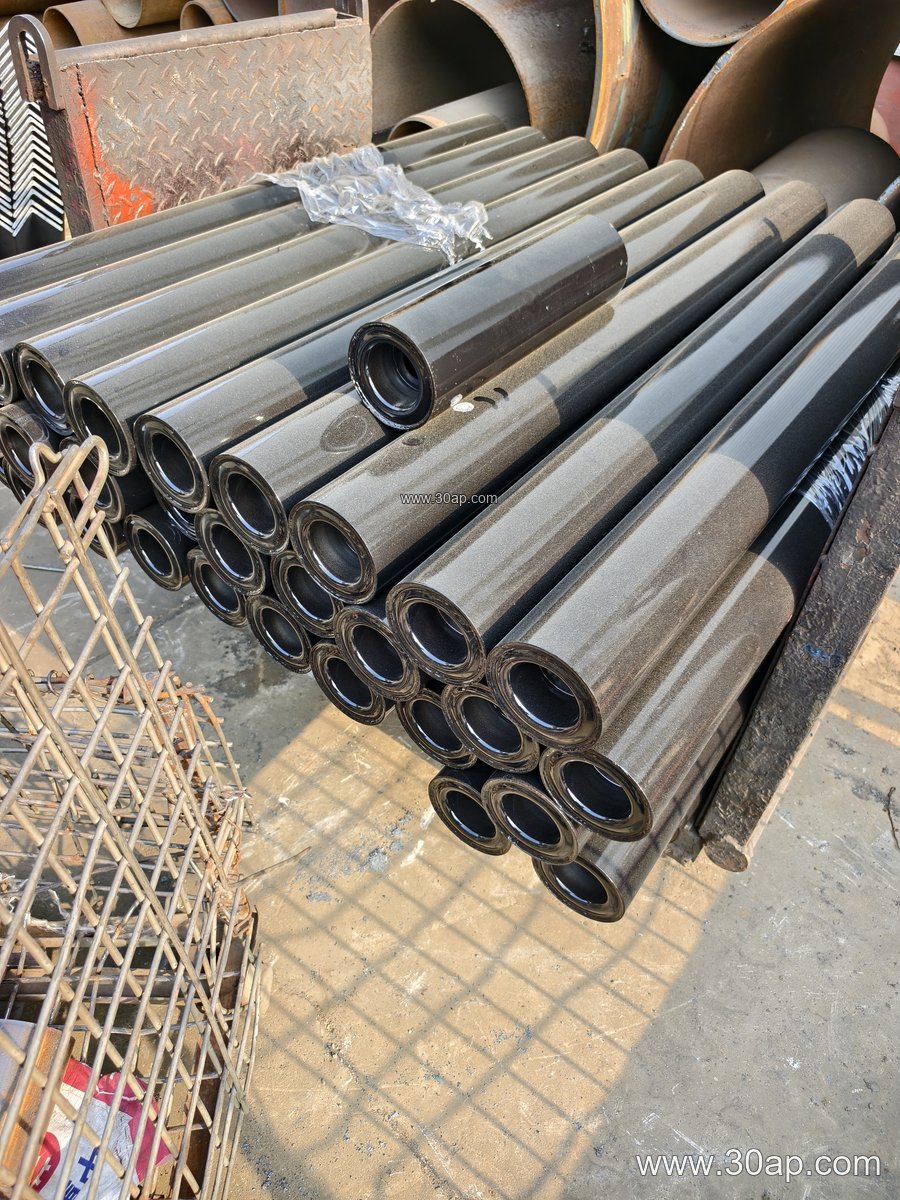
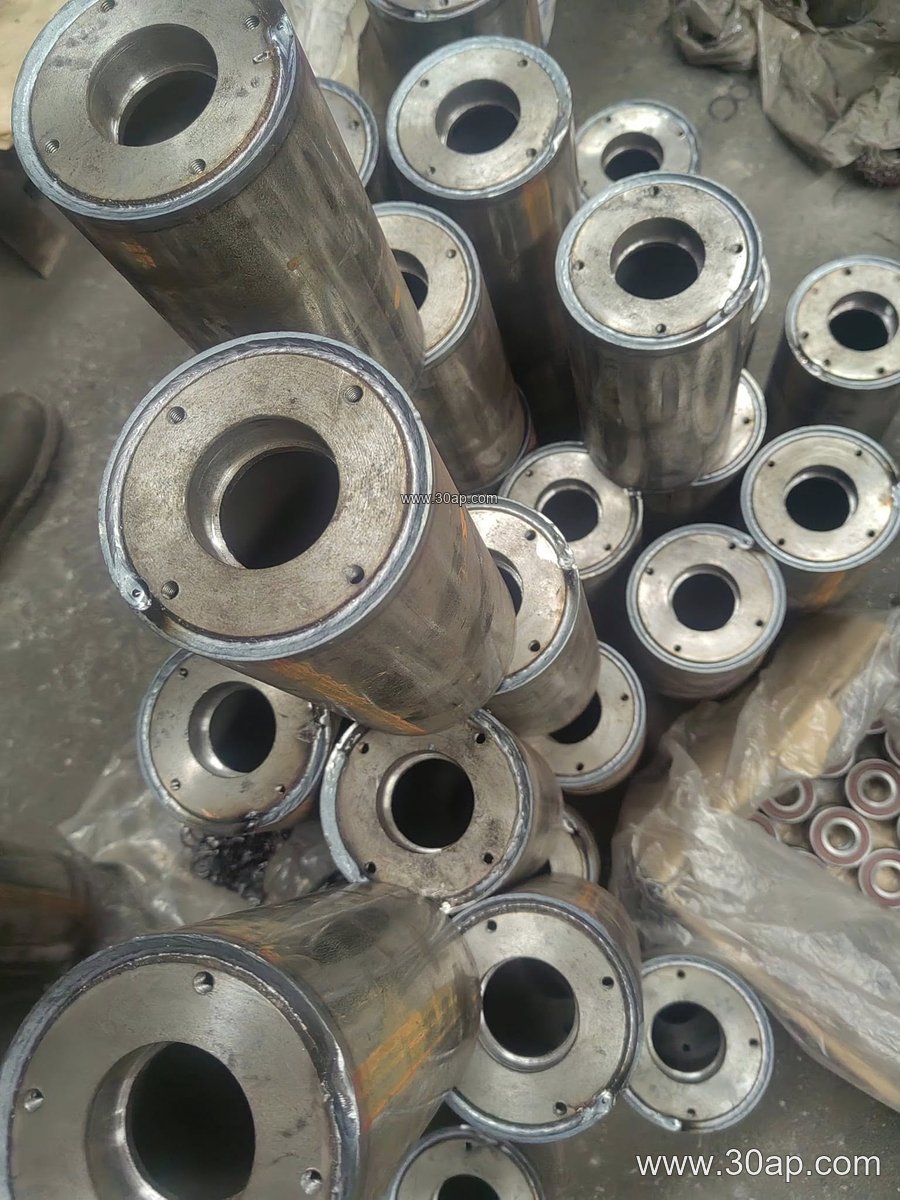
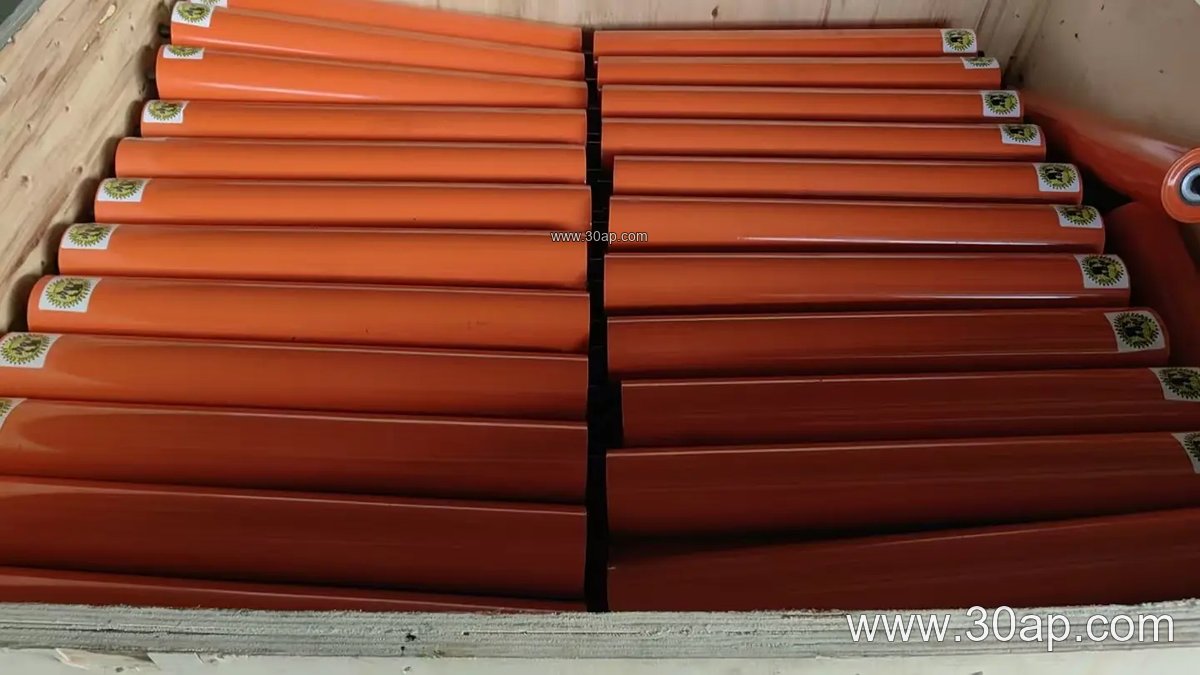
A typical self-aligning idler set includes two or three idler rollers, a pivoting bracket, and a mounting base. The rollers may be steel, nylon, or rubber-covered depending on the duty. Common roller diameters include Ø89, Ø108, Ø127, and Ø133 mm, with larger sizes such as Ø159 or Ø178 mm for heavy-duty mining conveyors. Bearings are usually 6205, 6305, or 6306, though the exact bearing is matched to the roller design rather than a fixed rule.
The frame allows a small rotation around a vertical or horizontal axis. When the belt contacts the idler at an angle, the resulting force turns the set slightly, which nudges the belt back. Some designs use a friction or conical roller arrangement to amplify this correcting action. The idler roller surface may be plain steel or covered with rubber rings for grip and wear resistance.
Where Self-Aligning Idler Sets Are Used
These sets are common in bulk material handling where long conveyors and variable loading cause tracking problems. Examples include:
- Sand and aggregate lines with 800mm or 1000mm wide conveyor belts
- Coal mining and underground mining conveyors using flame retardant conveyor belts
- Cement plant clinker and limestone transport
- Power plant coal handling systems with EP conveyor belts
- Iron ore and copper ore operations with heavy-duty conveyor belts
In a stone crushing plant, a self-aligning idler set placed after the loading point can help center the belt before it enters the next transfer. On a ship loading conveyor, these sets assist with belt control where the belt path changes direction.
Matching the Set to Belt Width and Roller Size
Selection depends on belt width, trough angle, and the idler group form. For a three-roll troughing set, common roller lengths vary with belt width. The table below shows typical examples, but side rollers and center rollers can differ, and these are not fixed combinations.
| Belt Width | Typical Roller Length (three-roll set) |
|---|---|
| B500 | 200 mm |
| B650 | 250 mm |
| B800 | 315 mm |
| B1000 | 380 mm |
| B1200 | 465 mm |
| B1400 | 530 mm |
| B1600 | 600 mm |
| B1800 | 670 mm |
| B2000 | 750 mm |
Trough angles of 20, 30, 35, and 45 degrees are available. A slight forward tilt of about 1.5 to 2 degrees is sometimes used on self-aligning sets to improve tracking. The correct roller diameter and bearing should be confirmed with the conveyor designer; a 1200mm wide conveyor belt does not automatically dictate one specific shaft diameter.
Buyer Checklist for Self-Aligning Idler Sets
- Confirm belt width (e.g., 650mm, 800mm, 1000mm, 1200mm) and trough angle.
- Check the existing idler roller diameter and bearing size for compatibility.
- Specify the roller surface: steel, nylon, or rubber-covered, based on material abrasion.
- Consider the environment: a coal mining conveyor may need flame retardant and anti-static properties, while a quarry conveyor benefits from abrasion resistant rollers.
- Verify mounting dimensions and bracket type with the conveyor frame.
- For high temperature or oil exposure, choose rollers and seals suited to those conditions.
A self-aligning idler set is a practical upgrade for conveyors that suffer from belt wander. It works alongside conveyor pulleys, conveyor brackets, and the main conveyor belt to keep material moving efficiently. Whether the application is a cement plant, a copper ore line, or a port terminal, selecting the right set starts with accurate belt and load data.