What the Ø133 Conveyor Idler Is
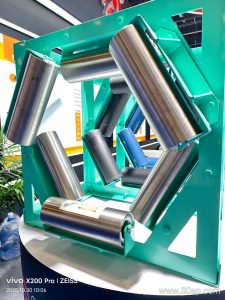
The Ø133 conveyor idler is a heavy-duty roller with a 133 mm outside diameter, widely used to support and guide the conveyor belt on bulk material handling systems. In many plants it is referred to simply as a 133mm idler roller or Ø133 carrying idler, and it often sits in the carrying run of a three-roll troughing set. This size is common where belt widths from around 800 mm to 1400 mm are used, though the actual roller length depends on belt width, trough angle, and the specific idler arrangement. The Ø133 conveyor idler is not a drive or tail pulley; it is a rotating component that reduces friction and helps maintain belt alignment along the conveyor structure.
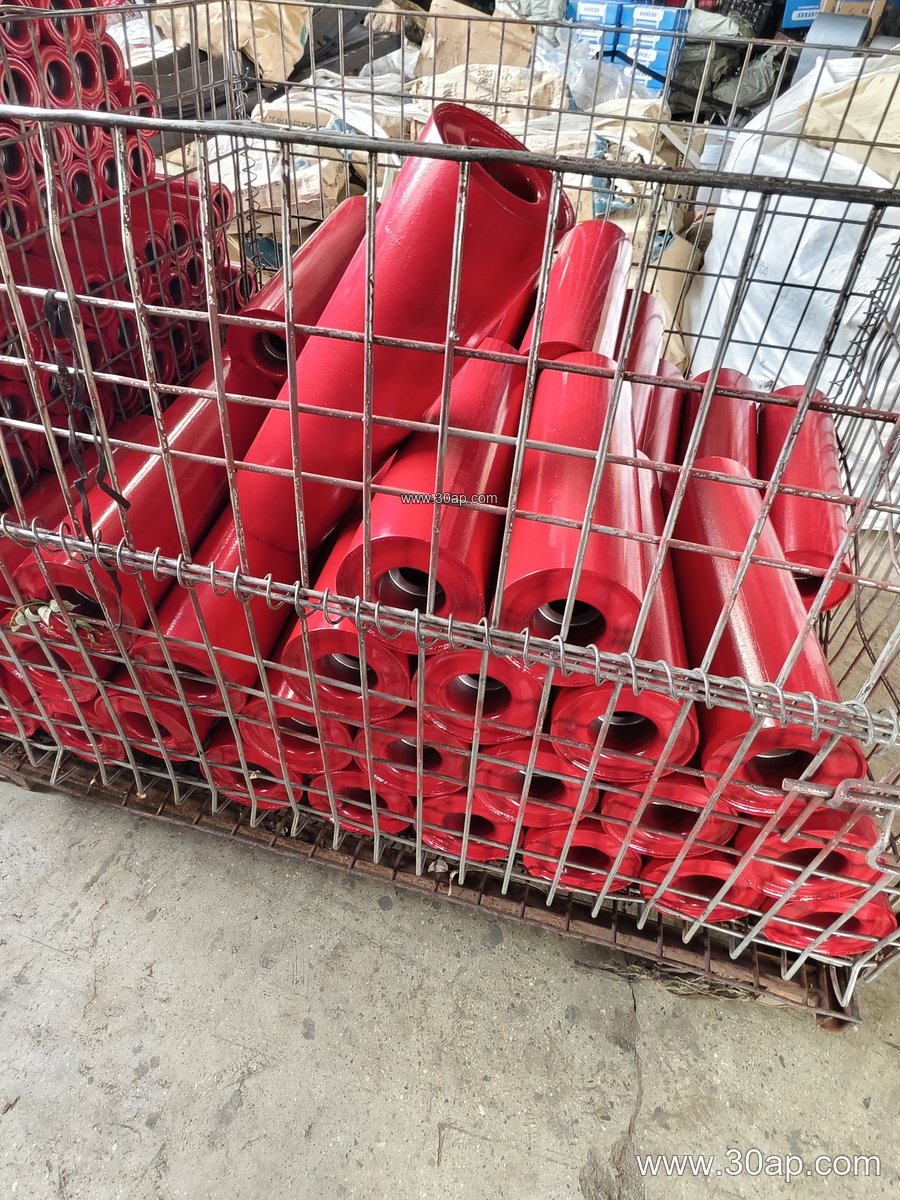
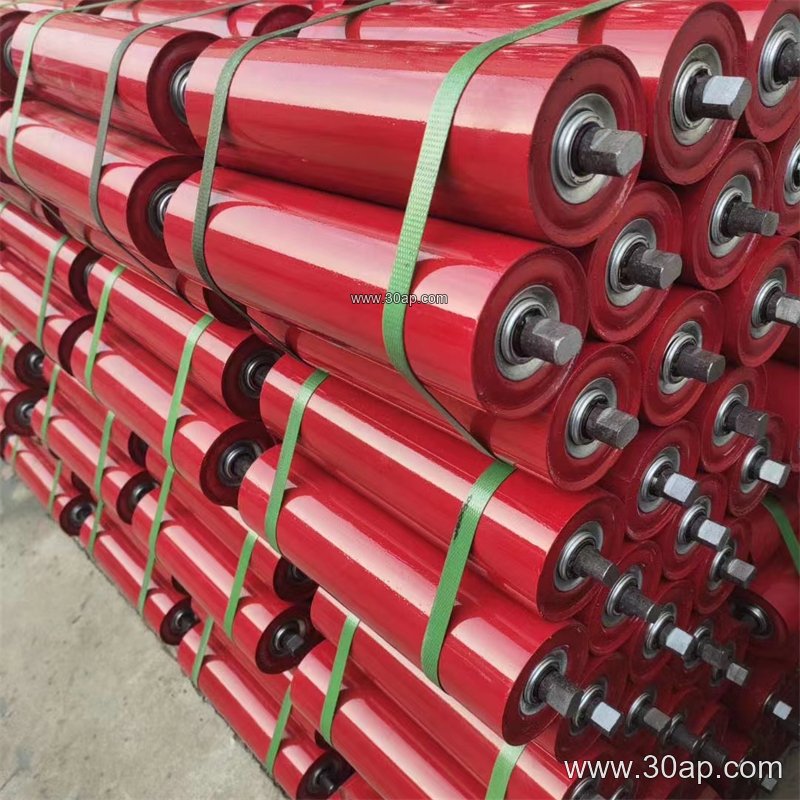
Construction and Key Components
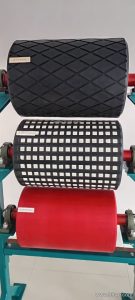
A typical Ø133 idler roller consists of a steel tube shell, bearing housings, a shaft, and a sealing system. The shell may be plain steel, nylon-coated, or covered with rubber rings for impact absorption. Bearings such as 6305, 6306, or 6308 are often used, but the exact bearing size should be selected according to load and speed, not fixed by roller diameter alone. Sealing is critical in dusty environments like coal mines, cement plants, and quarries, where fine particles can shorten bearing life. The shaft diameter is determined by the idler design and load rating, not simply by belt width. For troughing sets, the roller length for a Ø133 idler might typically be around 315 mm for B800, 380 mm for B1000, or 465 mm for B1200, but these are common examples and side rollers can differ from center rollers.
Where It Fits on the Conveyor
The Ø133 conveyor idler is most often found in the carrying run, forming part of a three-roll troughing set with trough angles of 20°, 30°, 35°, or 45°. It can also be used in transition zones or as a return roller in some designs. In a quarry or aggregate line, these idlers support a rubber conveyor belt or an EP conveyor belt carrying crushed stone. In a coal mining operation, flame retardant conveyor belt and fire resistant conveyor belt are common, and the idler must cope with coal dust and moisture. The same idler size may appear in a cement plant feeding clinker or in a power plant handling coal. It is not interchangeable with a bend pulley or a tail pulley, which serve different functions in the conveyor drive system.
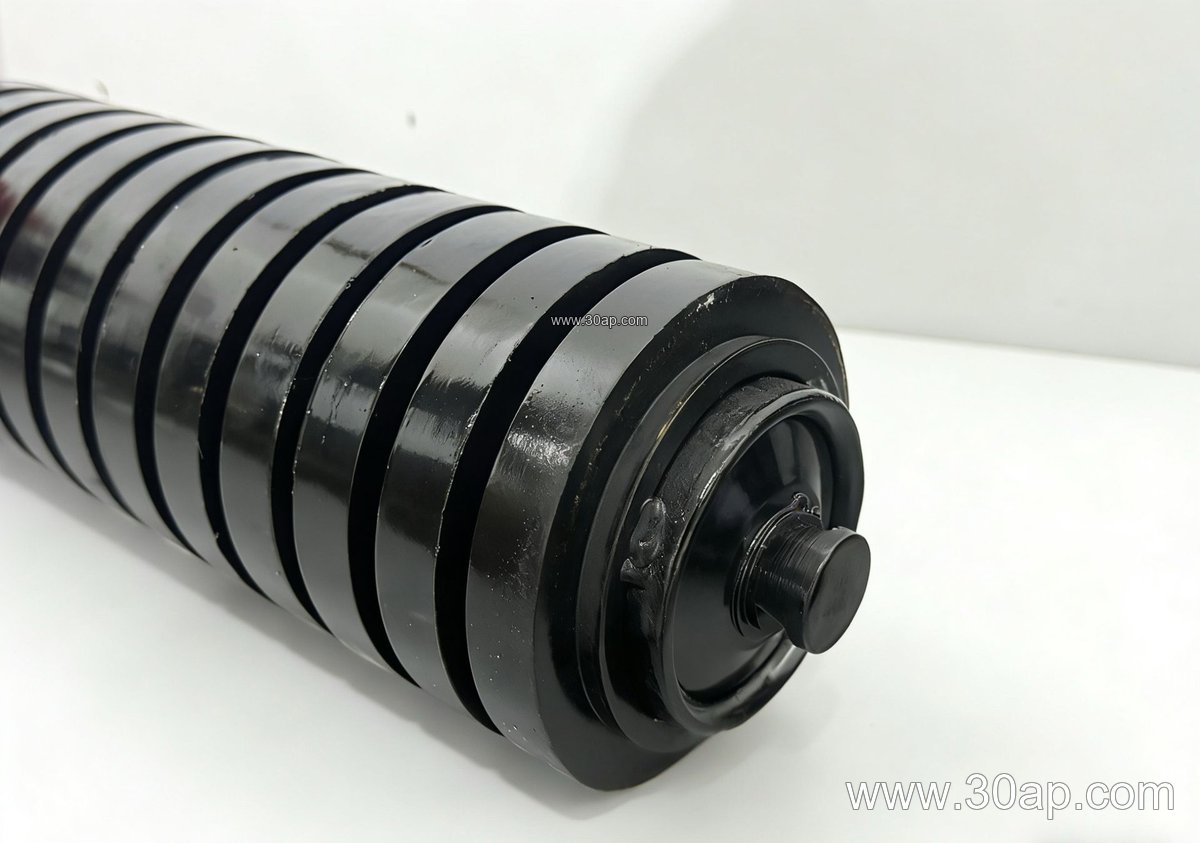
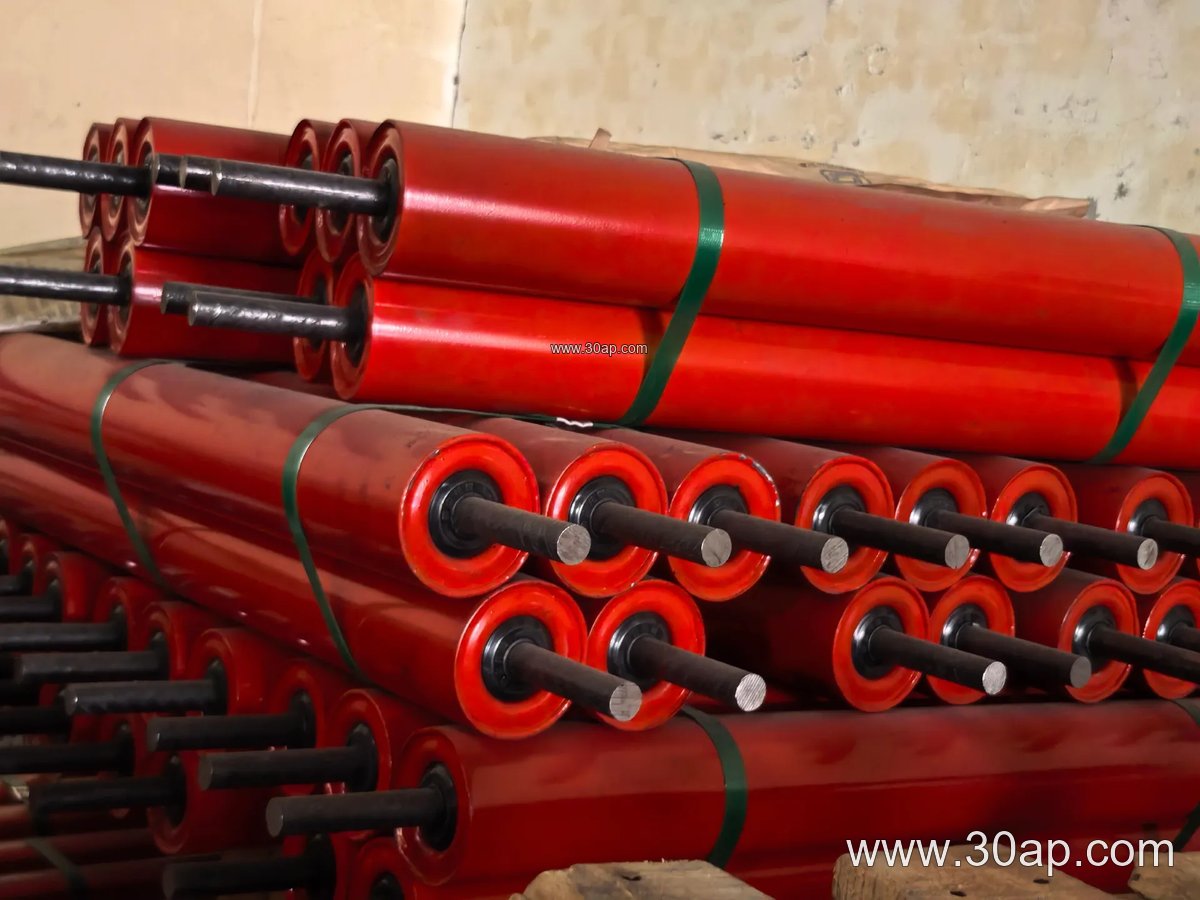
Applications Across Industries
Because of its robust diameter, the Ø133 idler roller is frequently chosen for medium to heavy-duty conveyors. You will see it in sand and gravel plants, iron ore and copper ore operations, and in crushing and screening circuits where impact and abrasion are present. It also appears in tunnel muck removal, fertilizer handling, and port bulk terminals. In these settings, the idler works alongside conveyor brackets and conveyor pulleys to keep the belt tracking and tensioned. The choice between a standard steel roller and a rubber-disc impact roller depends on the material lump size and drop height. For high-abrasion duties, a high abrasion resistant conveyor belt may be paired with well-sealed idlers to reduce maintenance.
Selection and Maintenance Notes
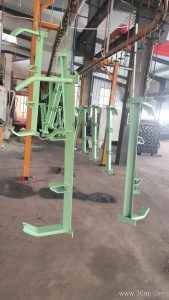
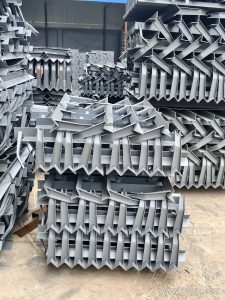
Buyers should consider belt width, trough angle, load per idler, and environmental conditions when specifying a Ø133 conveyor idler. The idler should match the conveyor frame and bracket dimensions, and the roller length must suit the belt width and troughing configuration. Common belt widths in this range include B800, B1000, B1200, and B1400, but the idler length is not a fixed match. Bearing selection should follow the manufacturer’s load and speed ratings. In dusty or wet conditions, good sealing and regular inspection extend service life. Alignment of the idler set affects belt training, so check that the idlers are square to the belt and that the trough angle is consistent. For coal mining conveyor belt systems, flame retardant and anti-static properties of the belt are important, while the idler itself should be selected for the load and environment. Spare idlers should be stored clean and dry, and replacement should follow the conveyor manufacturer’s instructions.