What an Acid Resistant Conveyor Belt Does
An acid resistant conveyor belt is a specialized rubber conveyor belt designed to carry materials that would quickly degrade standard belting. In fertilizer plants, chemical processing areas, acid leaching circuits, and some mineral beneficiation lines, spills and carryover expose the belt cover to acidic solutions. The acid resistant conveyor belt uses a cover compound formulated to resist swelling, cracking, and surface breakdown under such exposure, while the carcass provides the tensile strength needed to move the load. This is not a generic heavy-duty belt with a different label; the rubber chemistry and the fabric or steel reinforcement are selected together for the duty.
Buyers often encounter this product alongside a chemical resistant conveyor belt, which is a broader category covering resistance to both acids and alkalis. The acid resistant conveyor belt remains the specific choice when the dominant attack is acidic. In the same plant, a heat resistant conveyor belt may handle hot clinker or calcined material, and an oil resistant conveyor belt may serve lubricated machinery areas, but those belts are not substitutes for acid duty.
Construction and Material Options
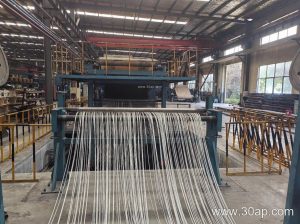
The belt body usually combines a rubber cover with a fabric core or steel cord carcass. Common carcass types include EP conveyor belt (polyester-nylon), NN conveyor belt (nylon-nylon), and steel cord conveyor belt for very high tension applications. Multi-ply fabric core conveyor belt constructions with two to six plies are typical for medium-duty chemical lines, while heavier tonnage may call for a high strength conveyor belt with steel reinforcement. The cover grade is the defining feature: acid resistant rubber compounds are applied to the top cover, and in many cases the bottom cover as well, to protect the carcass from splash and seepage.
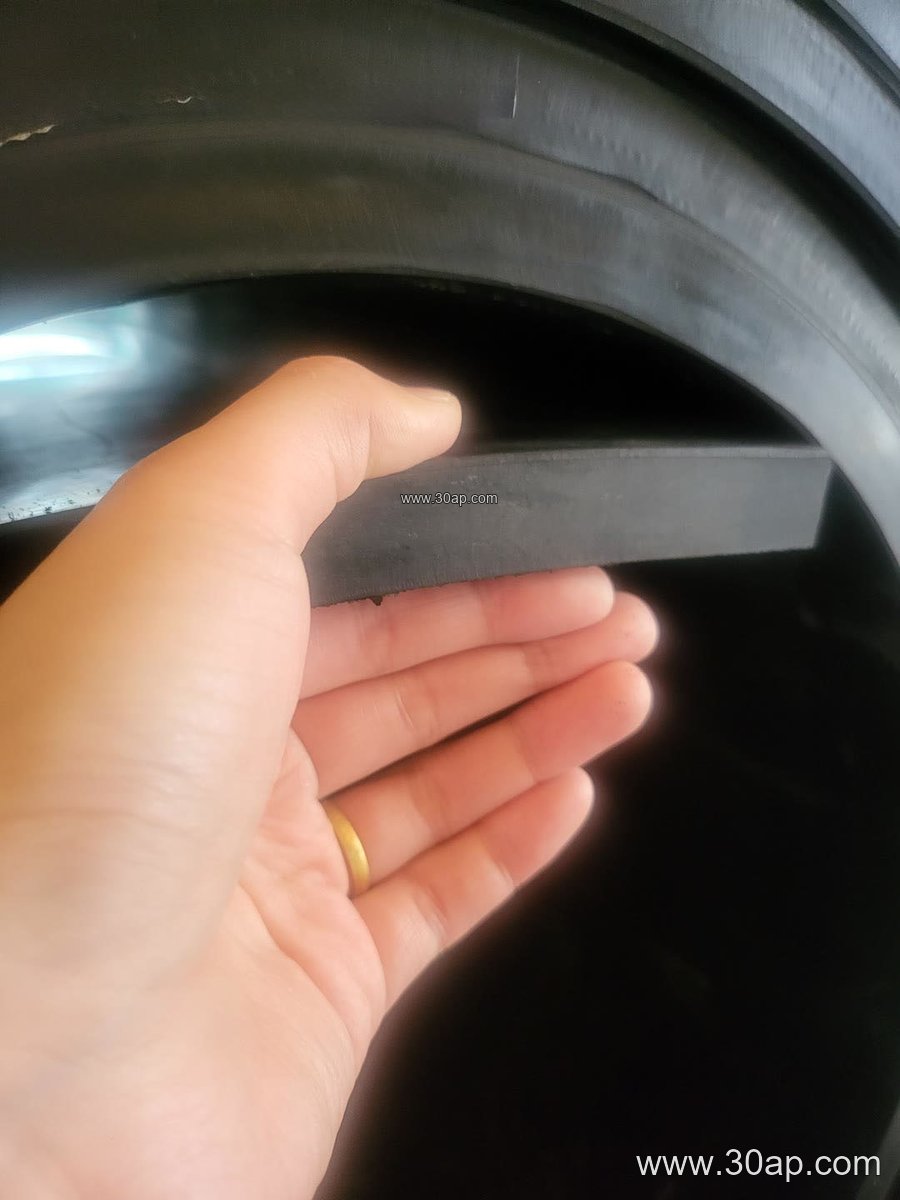
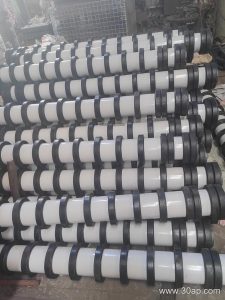
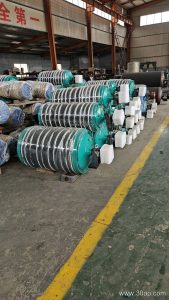
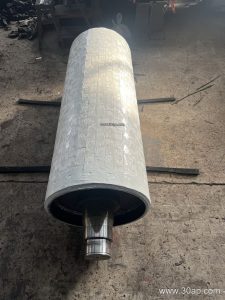
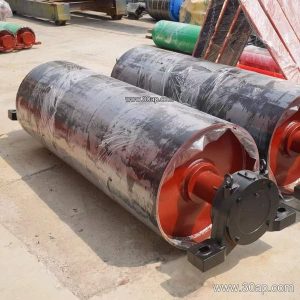
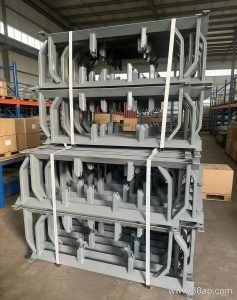
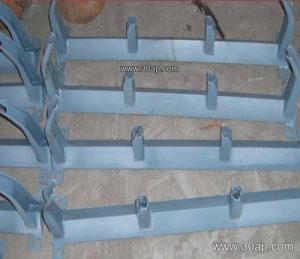
Cover thickness is usually specified as a top and bottom combination, for example 4+2 mm, 5+2 mm, or 6+2 mm, with heavier builds available for severe splash zones. Belt widths commonly range from 500 mm to 2000 mm, and the correct width is matched to the conveyor pulley face and the load profile, not chosen in isolation. A conveyor pulley at the drive, tail, and bend positions each has a different role, and none of these pulleys should be treated as interchangeable with another. Idler roller spacing and conveyor bracket layout also affect how well the belt tracks and how much acid splash reaches the carcass edges.
Typical Industries and Operating Conditions
Acid resistant belting appears in fertilizer production, phosphoric acid handling, some copper ore and gold mining leach circuits, chemical plants, and certain cement plant areas where acidic wash water is present. In quarry conveyor belt and aggregate conveyor belt operations, acid resistance is usually not the primary requirement, but it becomes relevant when the stone or sand carries acidic moisture. Port conveyor belt and ship loading conveyor belt systems may specify acid resistance for fertilizer cargoes. Underground mining conveyor belt and coal mining conveyor belt users more often focus on flame retardant conveyor belt and anti-static conveyor belt properties, so acid resistance is specified only where the water chemistry demands it.
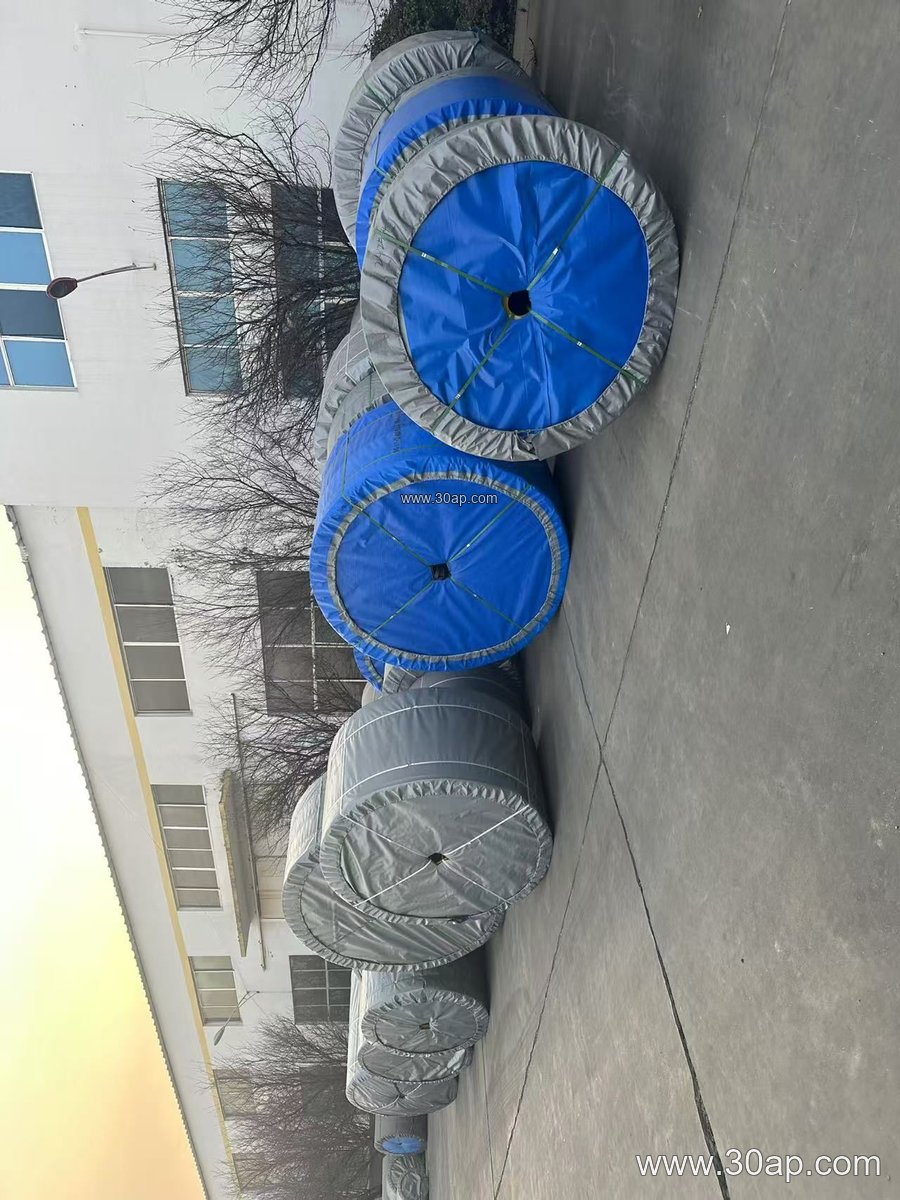
Temperature also matters. A cold resistant conveyor belt may be needed in winter loading areas, and a heat resistant conveyor belt is chosen when material temperature is elevated. These are separate properties, and a single belt rarely covers every extreme. Where both acid and abrasion are present, an abrasion resistant conveyor belt grade with acid resistant cover may be considered, but the buyer should confirm the compound data rather than assume one grade covers both.
Selection and Maintenance Notes
Specify the acid type, concentration, temperature, and exposure duration when requesting a quote. A belt that resists dilute acid splash may not resist concentrated acid soak. Provide the conveyor pulley diameters, idler roller spacing, and conveyor bracket dimensions so the belt can be built with suitable flexibility and edge protection. For long centers, a steel cord conveyor belt or high strength EP conveyor belt may be required, while shorter chemical lines often use a multi-ply fabric core conveyor belt.
- Check cover thickness and grade against the splash zone, not just the carried material.
- Inspect edges and splices regularly; acid attack often starts at cut edges and worn spots.
- Keep idler rollers turning freely to avoid belt wear that opens the door to chemical attack.
- Confirm that the acid resistant conveyor belt grade matches the actual acid family and dilution.
Maintenance crews should wash down spillage promptly and avoid using cleaning agents that attack the rubber cover. When replacing a belt, review the pulley and idler roller condition as well, because a worn conveyor pulley or seized idler roller can shorten the life of even a well-specified acid resistant conveyor belt. For chemical duty, the belt is only one part of the system, and the surrounding conveyor components must be compatible with the environment.