What a Port Belt Conveyor Pulley Does
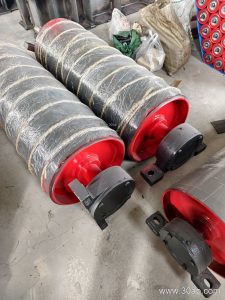
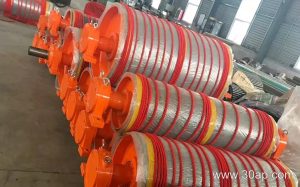
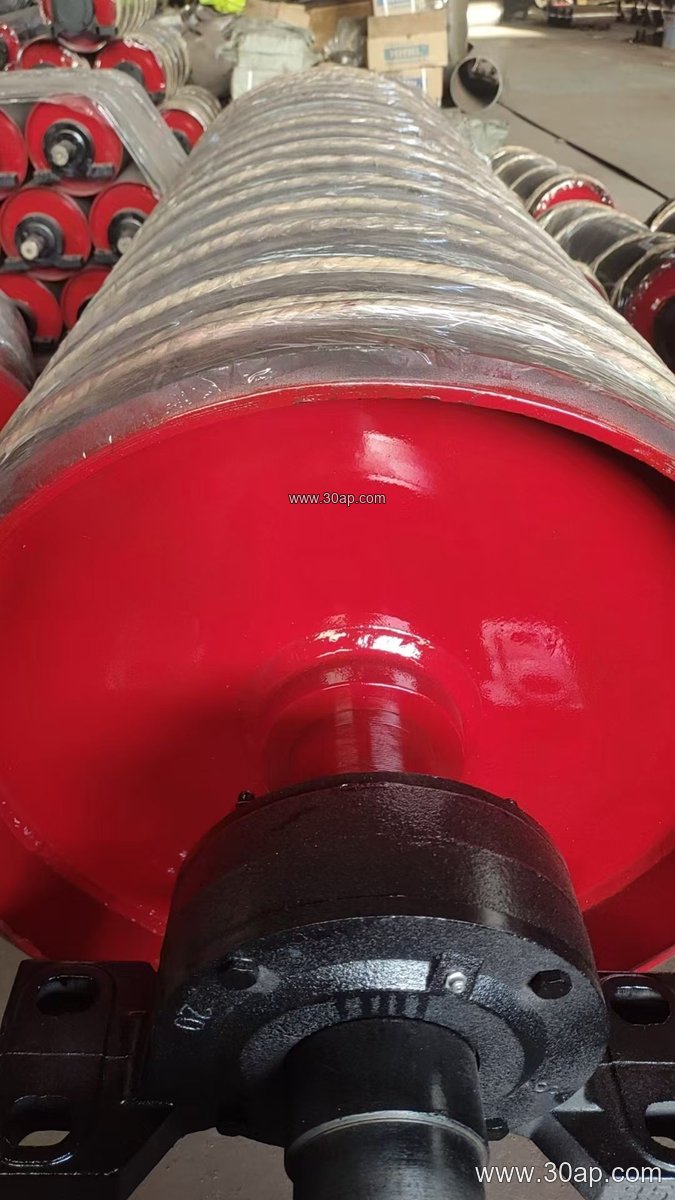
In a port bulk terminal, a Port Belt Conveyor Pulley is the cylindrical component that drives or redirects the conveyor belt. It is not a single part but a family of pulleys that work together to keep material moving from ship unloaders to stockpiles and loading systems. The drive pulley, often called the head pulley, transmits power from the gearbox to the belt. The tail pulley at the loading end maintains belt tension, while bend pulleys and take-up pulleys guide the belt through its return path. Each position demands a different design, and they are not interchangeable. For example, a drive pulley usually has a larger diameter and heavier lagging than a bend pulley of the same belt width.
Port conveyors handle high-tonnage bulk materials such as iron ore, coal, limestone, and fertilizer. The pulley must withstand continuous operation, abrasive dust, and sometimes salt-laden air. That is why port operators pay close attention to shell thickness, shaft diameter, bearing selection, and surface lagging.
Construction and Surface Options
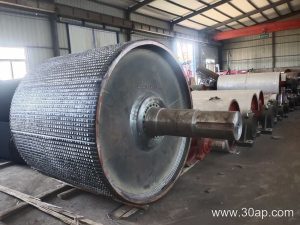
A typical port belt conveyor pulley consists of a steel shell, a shaft, end discs, and a lagging layer. The shell is usually seamless steel tube or rolled plate, machined for balance. The shaft is sized by torque and bending load, not by belt width alone. Common shaft diameters include Ø80, Ø100, Ø120, Ø140, Ø160, and Ø180 mm, but the final value depends on the conveyor design.
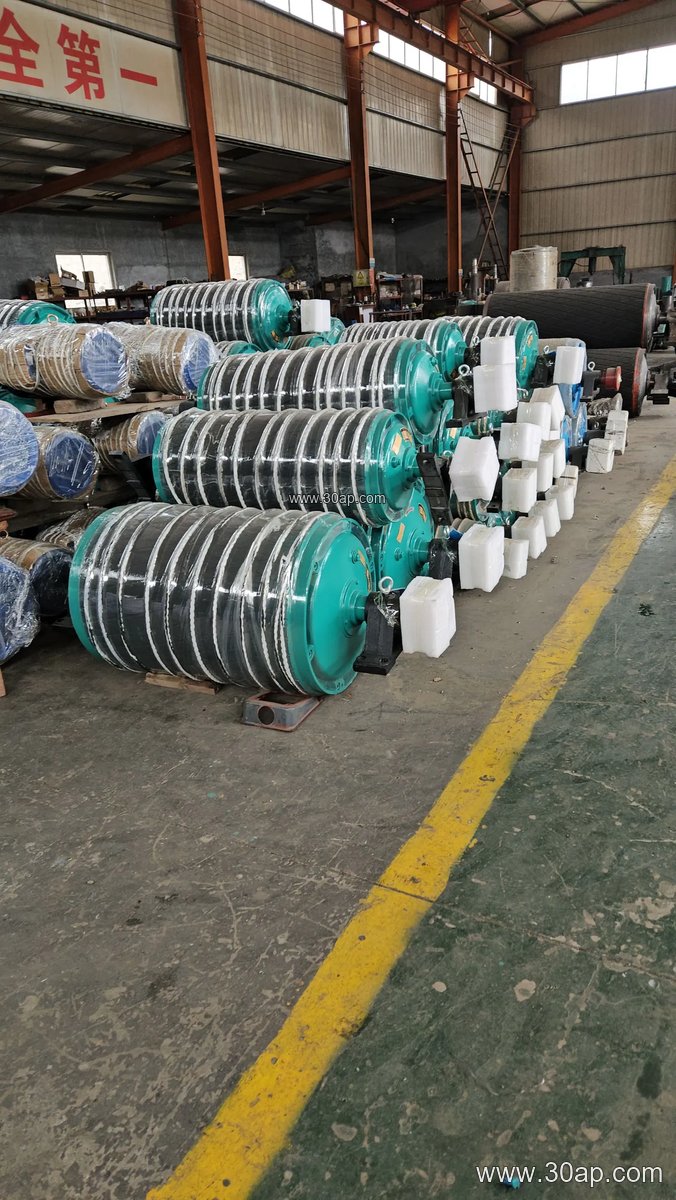
Lagging protects the pulley and improves grip. Common surface forms for port pulleys include:
- Plain surface for light-duty or non-drive positions
- Diamond grooved rubber lagging for general drive pulleys
- Ceramic lagging for high-torque drives with wet or oily conditions
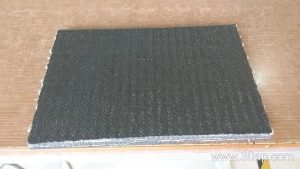
- Herringbone grooved lagging for reversible belts
Lagging thickness is often 8, 10, 12, 15, or 20 mm, selected according to the duty. A drive pulley handling a 1200mm wide conveyor belt might use a Ø1000 mm shell with 15 mm diamond lagging, while a bend pulley in the same system could be Ø800 mm with plain surface. These are common combinations, not fixed rules.
Matching Pulley to Belt and Application
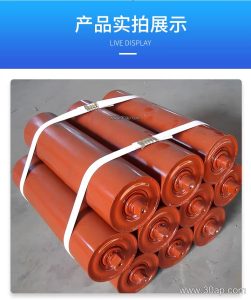
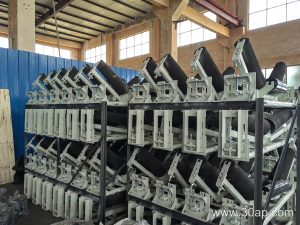
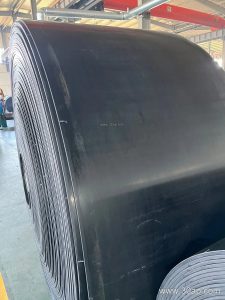
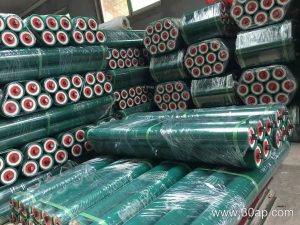
The pulley works with the conveyor belt, idler roller, and conveyor bracket to form a complete system. In a coal mining or power plant coal yard, a flame retardant conveyor belt is common, and the pulley lagging should resist abrasion and static buildup. In a quarry or aggregate line, an abrasion resistant conveyor belt may carry sharp rock, so the pulley shell and lagging need extra wear protection. For iron ore and copper ore terminals, a steel cord conveyor belt or high strength EP conveyor belt may be used, and the drive pulley must be sized for the higher tension.
Belt width and pulley diameter are related but not locked. A B800 conveyor might use a Ø500 mm tail pulley and a Ø630 mm drive pulley. A B1400 belt could run on a Ø800 mm bend pulley and a Ø1250 mm drive pulley. The engineer calculates the required diameter from belt tension, wrap angle, and lagging friction. The table below shows common reference combinations, not mandatory matches.
Reference Dimensions for Port Pulleys
| Belt Width | Typical Pulley Face Width | Common Diameter Range | Typical Shaft Diameter Range |
|---|---|---|---|
| B650 | 750 mm | Ø315–Ø500 mm | Ø60–Ø100 mm |
| B800 | 950 mm | Ø400–Ø630 mm | Ø70–Ø120 mm |
| B1000 | 1150 mm | Ø500–Ø800 mm | Ø80–Ø140 mm |
| B1200 | 1400 mm | Ø630–Ø1000 mm | Ø90–Ø160 mm |
| B1400 | 1600 mm | Ø800–Ø1250 mm | Ø100–Ø180 mm |
| B1600 | 1800 mm | Ø1000–Ø1400 mm | Ø120–Ø200 mm |
These ranges are for reference only. A port project may require a larger shaft or a special bearing housing based on load calculations.
Buyer Checklist for Port Applications
When specifying a Port Belt Conveyor Pulley, start with the duty: continuous ship unloading, stockyard transfer, or loading. Confirm the belt type and tension. A pipe conveyor belt or corrugated sidewall conveyor belt may need different pulley face widths and guide arrangements. Check the lagging material against the environment: oil resistant lagging for fertilizer or grain terminals, heat resistant lagging near sinter or cement clinker, and anti-static properties for coal dust zones.
Ask for the shaft diameter calculation, bearing type and brand, and balancing grade. For drive pulleys, confirm the lagging groove pattern and hardness. For tail and bend pulleys, confirm the bearing seal protection against dust and water. Also review the connection between the pulley and the conveyor bracket to ensure alignment and easy maintenance.
Finally, keep spare pulleys or lagging sheets for critical drives. A port conveyor running 24 hours a day cannot afford a long shutdown. The right pulley selection, matched to the conveyor belt and the site conditions, keeps bulk material flowing from ship to stacker without unexpected stops.