What a High-Capacity Idler Is
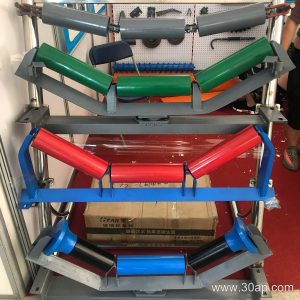
A high-capacity idler is a heavy-duty conveyor roller engineered to carry larger loads, wider belts and higher belt speeds without premature wear. In a typical bulk handling line, the idler roller supports the conveyor belt and the material load, so its bearing, shaft and shell must be sized for the duty. This idler is not simply a standard roller painted thicker; it is a system component selected around belt width, load per meter and operating environment. While a conveyor pulley drives or redirects the belt, the high-capacity idler works along the carrying and return sides, and the conveyor bracket holds the whole assembly in alignment.
Construction and Key Components
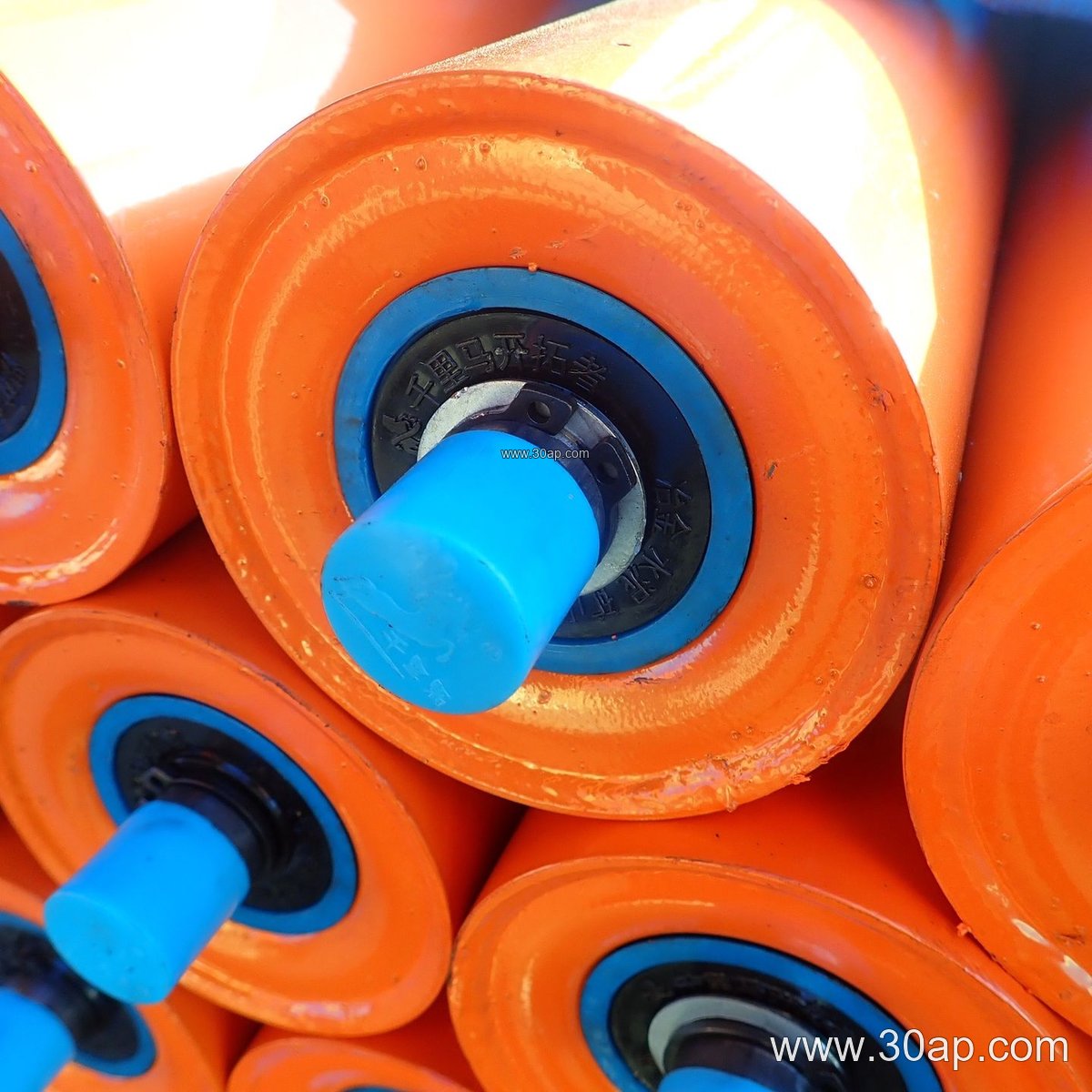
The shell is usually made from steel tube, with wall thickness chosen for impact and abrasion. Bearing housings are welded or pressed into the ends, and the shaft runs through sealed bearing units. Common bearing sizes include 6205, 6305, 6306 and 6308, but the bearing is matched to the calculated load, not to a single belt width. Sealing matters in dusty plants, so multi-labyrinth seals and grease retention features are typical. Surface options include plain steel, rubber rings for impact zones and ceramic or nylon covers where sticking or wear is a concern. A high-capacity idler often uses a larger roller diameter, such as Ø133, Ø159 or Ø178, to reduce rotation speed and bearing stress.
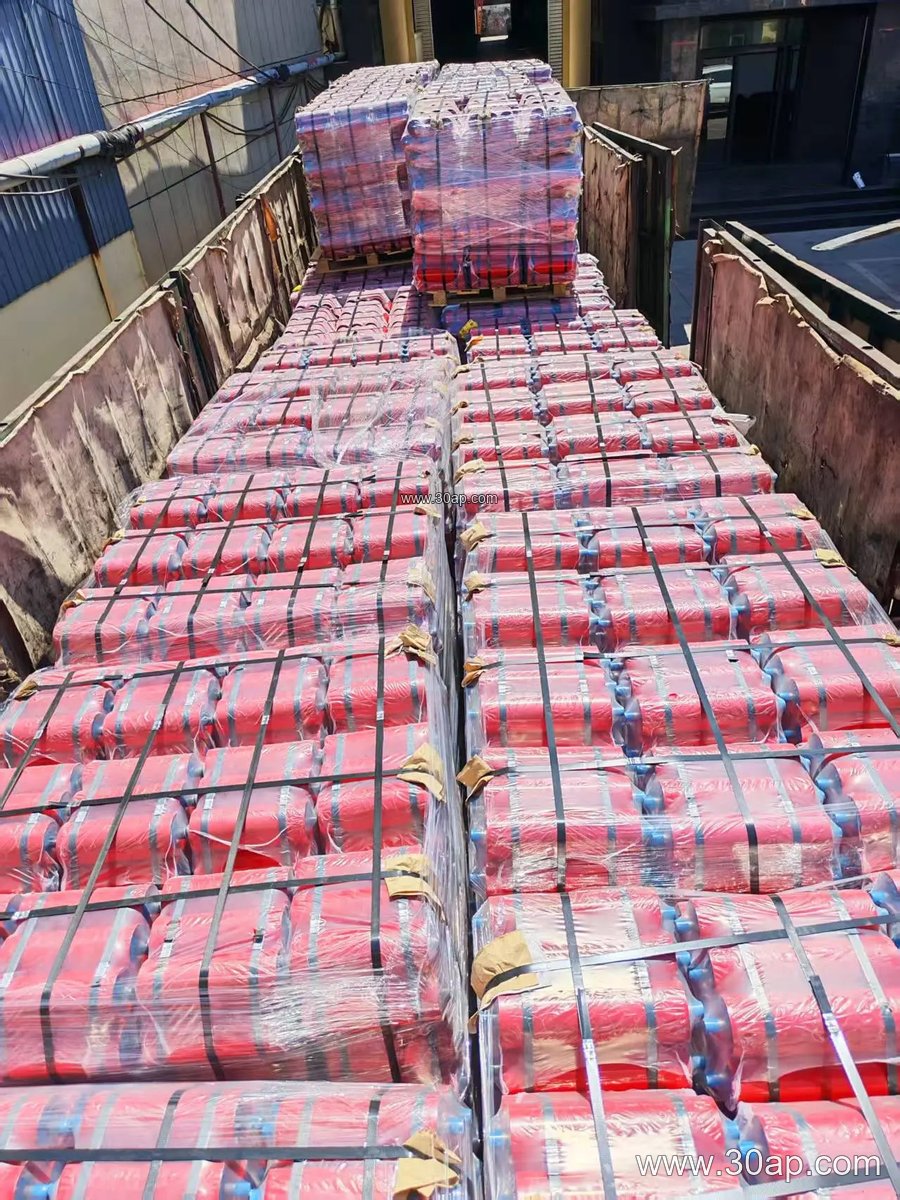
Where It Fits on the Conveyor
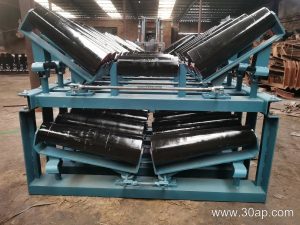
These idlers appear in three-roll troughing sets on the carrying side, in transition sections near the tail, and in return runs where lump size or belt tension is high. In a quarry or limestone mine, a high-capacity idler may sit under a primary crusher discharge where falling rock creates impact. In a coal mining conveyor or underground mining conveyor, flame retardant conveyor belt and anti-static conveyor belt are common, and the idler must tolerate fine coal dust. The same roller concept is used in cement plants, power plant coal handling and port ship loading systems. For a relevant comparison, a buffer idler with rubber rings is chosen at transfer points to absorb shock, while a high-capacity idler is chosen for sustained load along the line. A V-type return idler helps train the belt on the return side, but it is a different subtype and not a substitute for the main carrying idler.
Sizes and Selection Data
Selection starts with belt width and the load per meter. Common belt widths range from B500 to B2400, and roller diameters from Ø63 up to Ø219. The table below shows typical reference values, not fixed combinations. Roll length changes with belt width, trough angle and idler arrangement, and side rollers may differ from the center roller.
| Reference Item | Common Range or Example |
|---|---|
| Belt width | B500, B650, B800, B1000, B1200, B1400, B1600, B1800, B2000 |
| Roller diameter | Ø89, Ø102, Ø108, Ø127, Ø133, Ø159, Ø178, Ø194 |
| Trough angle | 20°, 30°, 35°, 45° |
| Bearing | 6204, 6205, 6305, 6306, 6308, 6310 |
| Roll length example, three-roll troughing | B500 about 200 mm; B800 about 315 mm; B1200 about 465 mm; B1600 about 600 mm |
For a wide conveyor belt carrying heavy ore, a larger diameter and thicker shell reduce deflection. The belt speed and idler spacing also affect bearing life, so the buyer should provide the actual load and ambient conditions. A high-capacity idler for a 1200mm wide conveyor belt may use a different roll length than one for an 1800mm wide conveyor belt, and neither width forces one shaft diameter. The shaft is calculated from load and bearing selection, not guessed from belt width alone.
Buyer Checklist
- Confirm the belt width, trough angle and idler set type, such as three-roll troughing or return.
- State the material: coal, limestone, iron ore, clinker or aggregate, and whether abrasive or hot.
- Check the sealing class for dust and water exposure in the plant.
- Match the roller surface to the duty, for example rubber rings at impact points.
- Ask for the bearing size and shaft diameter rather than assuming they follow belt width.
- Review the conveyor bracket and frame mounting dimensions before ordering.
In practice, a high-capacity idler is one part of a larger conveyor system that includes the conveyor belt, conveyor pulley, idler roller and conveyor bracket. For abrasive bulk material, pairing the idler with an abrasion resistant conveyor belt or a heavy-duty mining conveyor belt can extend service life. For hot clinker or sinter, a heat resistant conveyor belt may be used, while the idler selection should consider bearing temperature limits. Buyers working with EP conveyor belt, NN conveyor belt or steel cord conveyor belt should share the belt tension and load data so the idler supplier can recommend a suitable roller diameter and spacing.