What a Recycling Conveyor Belt Does
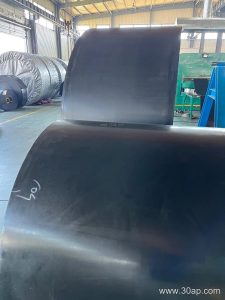
A recycling conveyor belt is the moving surface that carries mixed waste, recovered paper, plastics, glass, and metals through sorting, screening, and baling stations. In a recycling plant, the belt must survive sharp edges, sudden impact, oily residues, and frequent starts and stops. It is not simply a generic conveyor belt moved from a quarry line; the duty cycle and material mix shape the construction choices.
The same product is also called a recycling conveyor belt in plant specifications and maintenance manuals. Buyers may see it described as a waste sorting conveyor belt, but the core function remains the same: a continuous loop that transports recyclable bulk material between process stages.
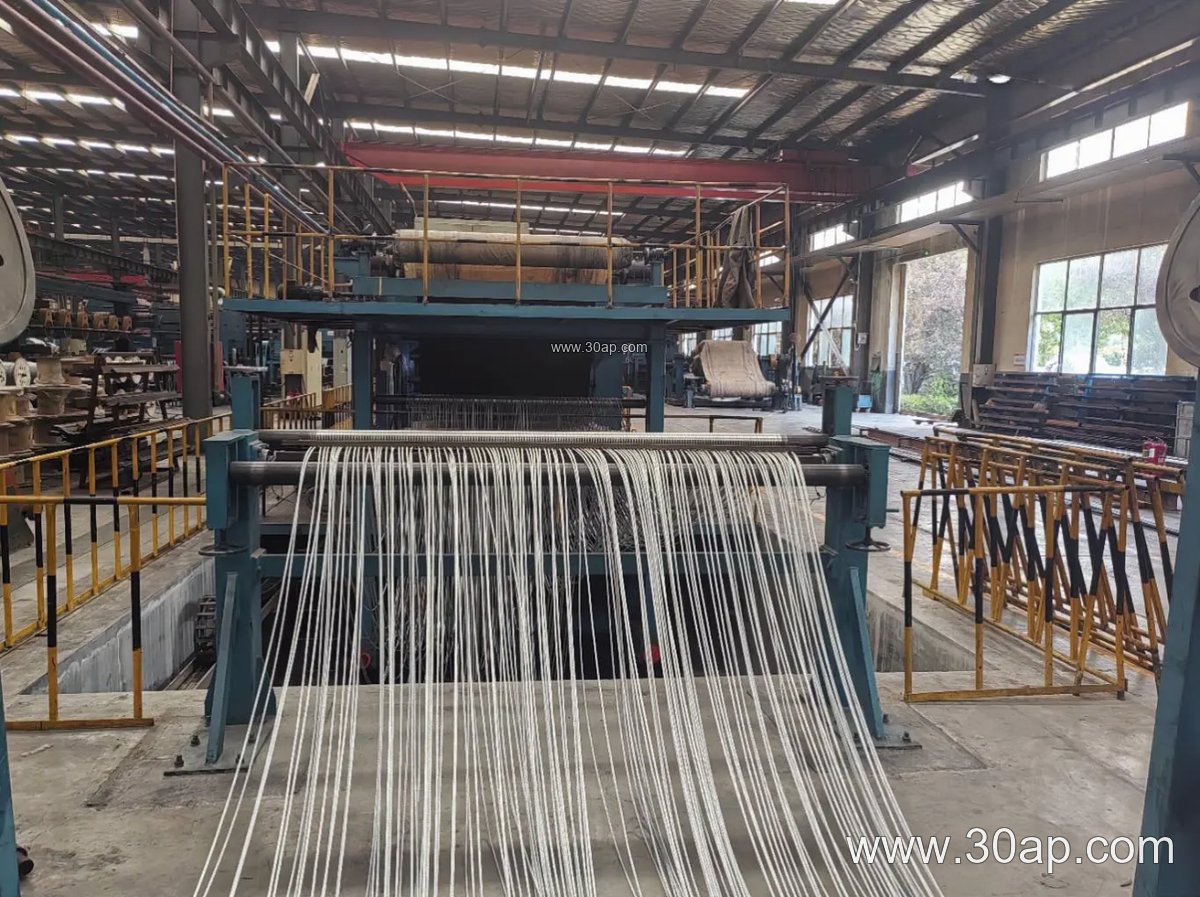
Construction and Key Components
A recycling conveyor belt usually combines a fabric core with rubber covers. Common carcass options include EP conveyor belt and NN conveyor belt constructions, with 2 to 6 plies depending on load and impact. For heavier shredder feed or dense glass cullet, a steel cord conveyor belt may be considered, but many recycling lines stay with fabric core for flexibility around small pulleys.
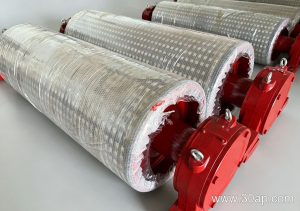
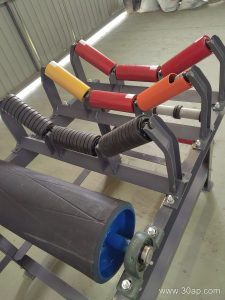
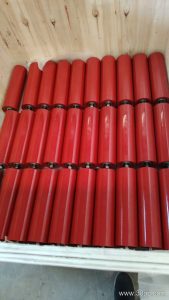
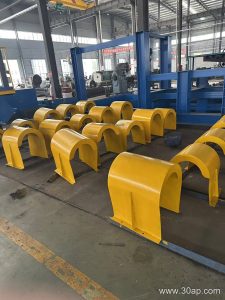
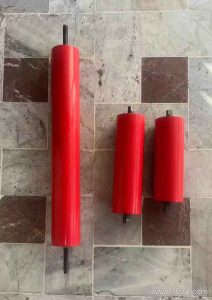
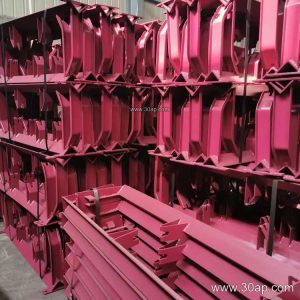
The belt runs on a frame that includes idler rollers, conveyor pulleys, and conveyor brackets. Drive, tail, and bend pulleys each have a distinct role and are not interchangeable. The drive pulley transmits motion, the tail pulley returns the belt, and bend pulleys guide the path. A buyer should confirm pulley diameters and shaft sizes from the conveyor design, not from belt width alone.
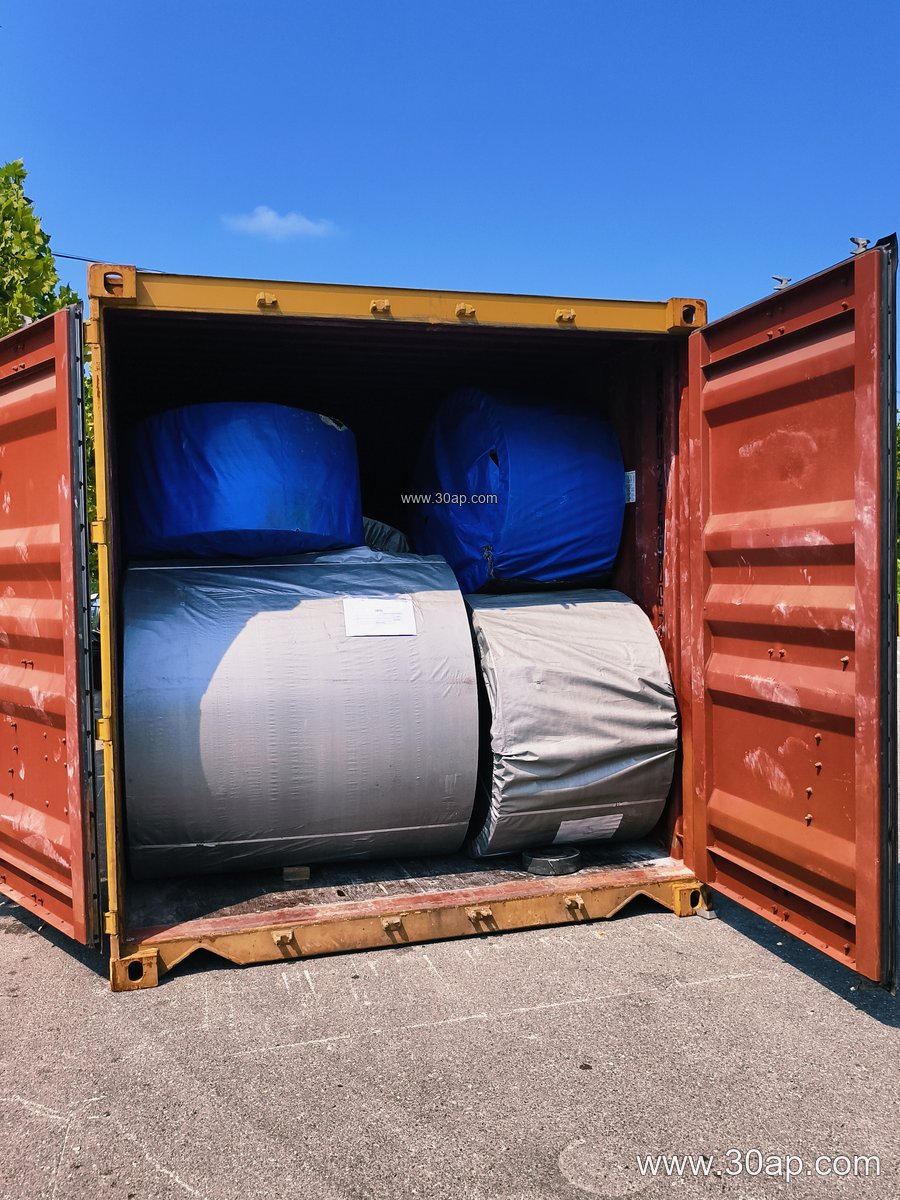
Common Belt Configurations
- EP conveyor belt with abrasion resistant covers for mixed waste
- NN conveyor belt for general sorting duty
- Flame retardant conveyor belt where fire safety is required
- Oil resistant conveyor belt near lubricated equipment or oily scrap
- Chevron conveyor belt or corrugated sidewall belt on inclined sorting lines
Cover thickness is often specified as 3+1.5 mm, 4+2 mm, or 5+2 mm, with heavier covers used at transfer points. These values are common references and should be confirmed against the actual duty.
Where Recycling Belts Are Used
Recycling conveyor belts appear in municipal solid waste plants, construction and demolition debris lines, paper recovery facilities, and scrap metal yards. They also work alongside equipment from mining, cement, and power plant operations when recovered materials are fed into kilns or boilers. In a sand and gravel yard that accepts recycled aggregate, an abrasion resistant conveyor belt helps handle crushed concrete and glass.
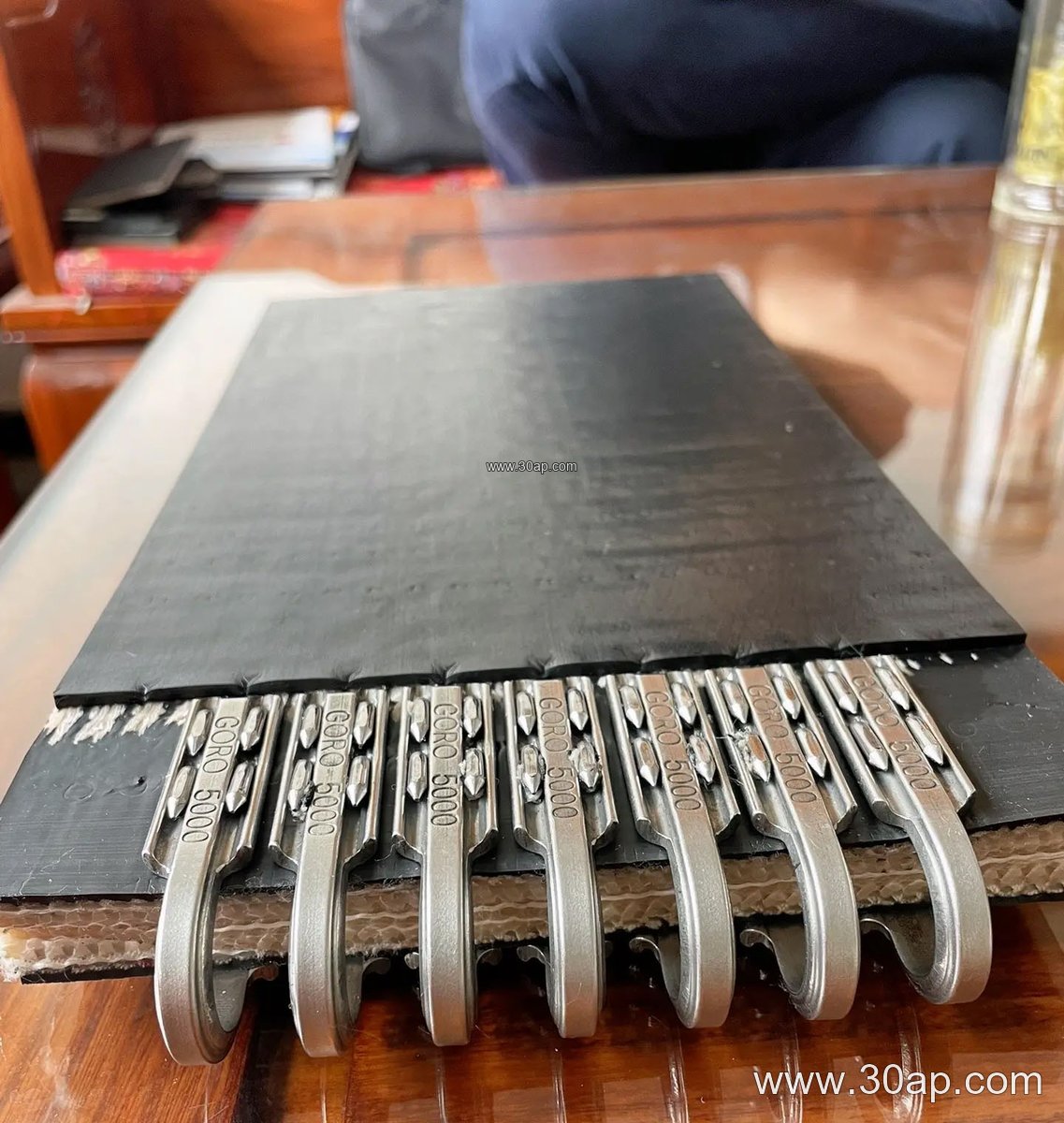
Other industries overlap in belt design. A quarry conveyor belt or crusher conveyor belt may share the same EP fabric core, while a coal mining conveyor belt may use flame retardant grades. The recycling version, however, is often selected for mixed and unpredictable material rather than a single mineral.
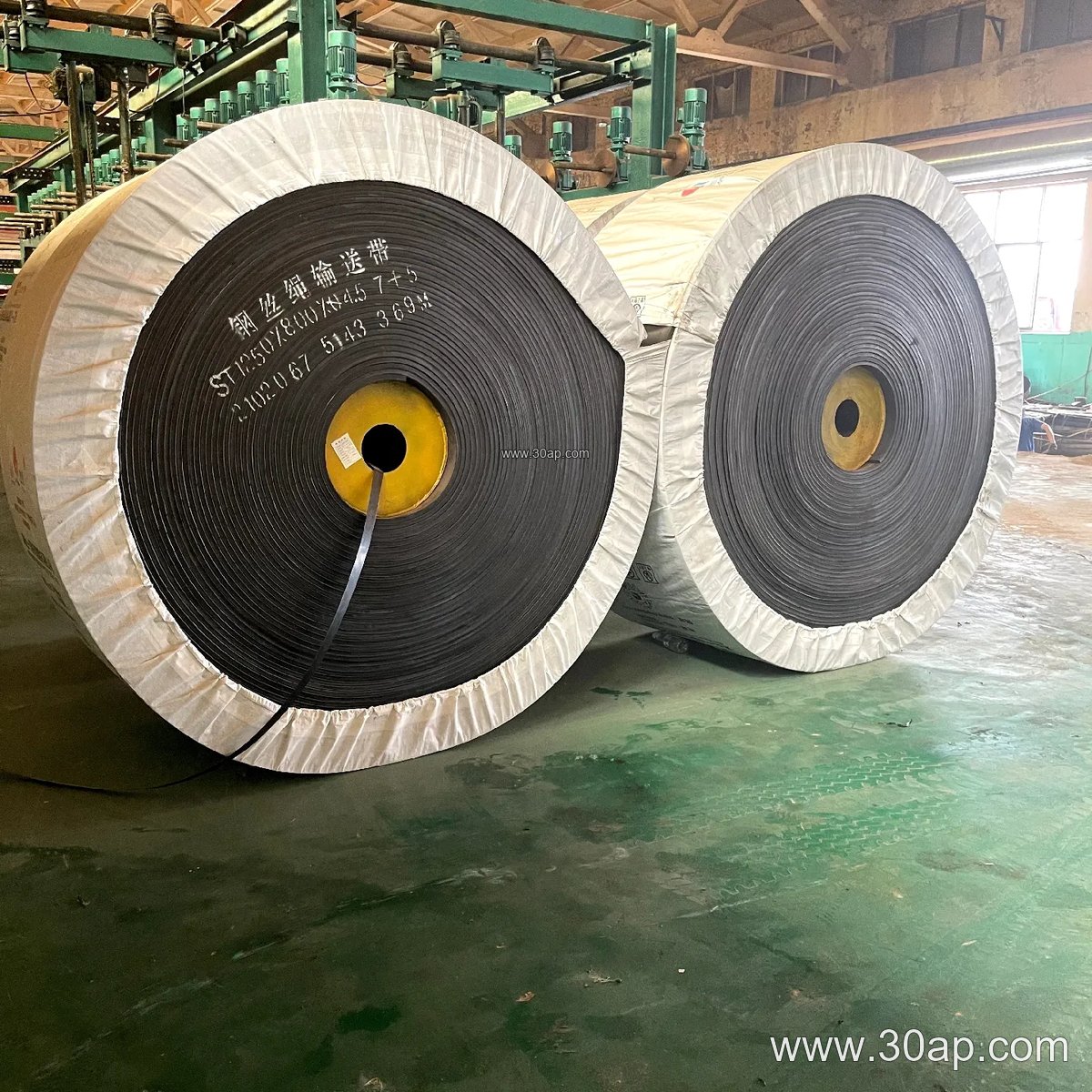
Specifications Buyers Should Check
Belt width, carcass strength, cover grade, and splice type all affect performance. Common widths include B500, B650, B800, B1000, B1200, B1400, B1600, and B1800. Strength grades such as EP200, EP400, EP630, EP1000, and EP1250 are reference points, not universal requirements. A 1200mm wide conveyor belt may run on different pulley sizes depending on the conveyor frame design.
| Parameter | Common Reference | Notes |
|---|---|---|
| Belt width | B500 to B1800 | Match to line capacity and frame |
| Carcass | EP or NN, 2 to 6 plies | Steel cord for heavy duty |
| Cover thickness | 3+1.5, 4+2, 5+2 mm | Thicker at impact points |
| Strength grade | EP200 to EP1250 | Confirm with conveyor design |
| Surface | Smooth, chevron, sidewall | Inclines may need profiles |
For hot material near incinerators, a heat resistant conveyor belt may be needed. For cold outdoor yards, a cold resistant conveyor belt can reduce cracking. Anti-static conveyor belt grades are relevant where dust ignition is a concern.
Selection and Maintenance Notes
Start with the material: sharp glass and metal favor high abrasion resistant covers, while paper and plastic may allow a smoother surface. Check the smallest pulley diameter, the incline angle, and the transfer height. A pipe conveyor belt or endless conveyor belt may suit enclosed routes, but those are different belt types and should not be substituted without engineering review.
During operation, inspect idler rollers for seized bearings, check pulley lagging, and watch for edge damage. Keep the belt tracking straight and re-tension spliced joints as recommended. A recycling conveyor belt that is correctly matched to its frame, pulleys, and duty will last longer than one chosen by width alone.