Understanding the Large-Diameter Conveyor Idler
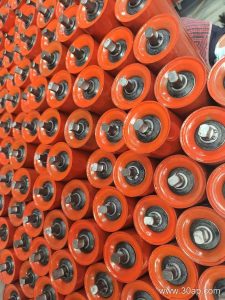
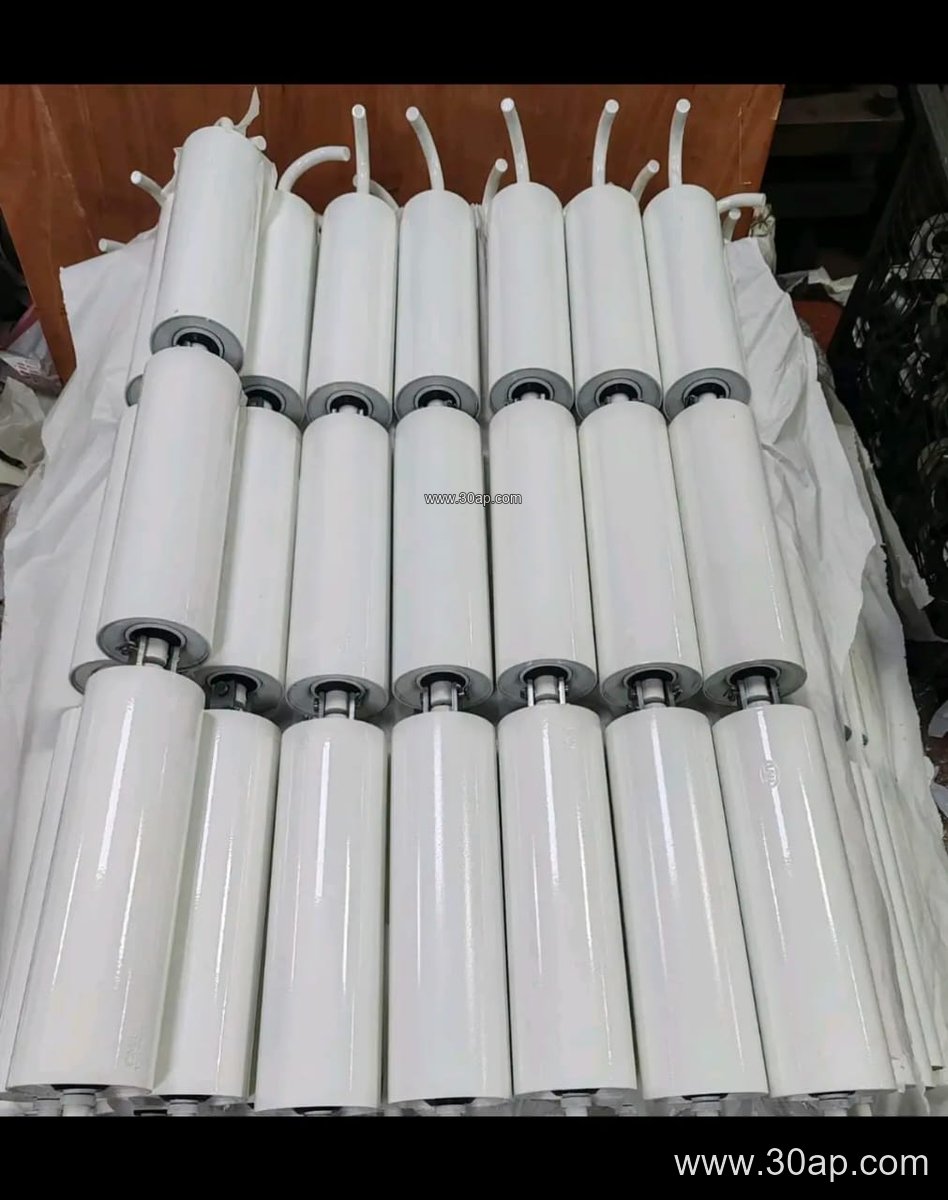
A large-diameter conveyor idler is a vital component in bulk material handling systems, particularly where high belt speeds, heavy loads, and abrasive materials are present. Unlike standard idlers, these units feature a larger roller diameter, typically ranging from Ø159 mm up to Ø219 mm, which helps reduce belt indentation resistance and improves overall conveyor efficiency. In industries such as mining, coal preparation, cement plants, and power generation, the large-diameter conveyor idler supports the conveyor belt along its carrying and return runs, ensuring smooth operation and extended belt life.
Construction and Key Components
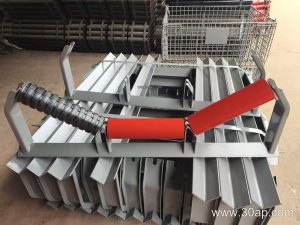
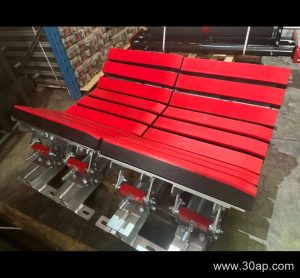
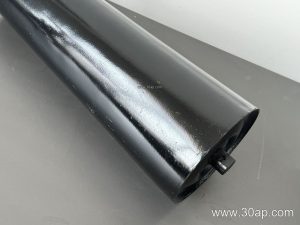
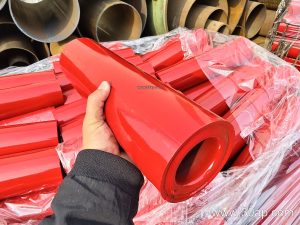
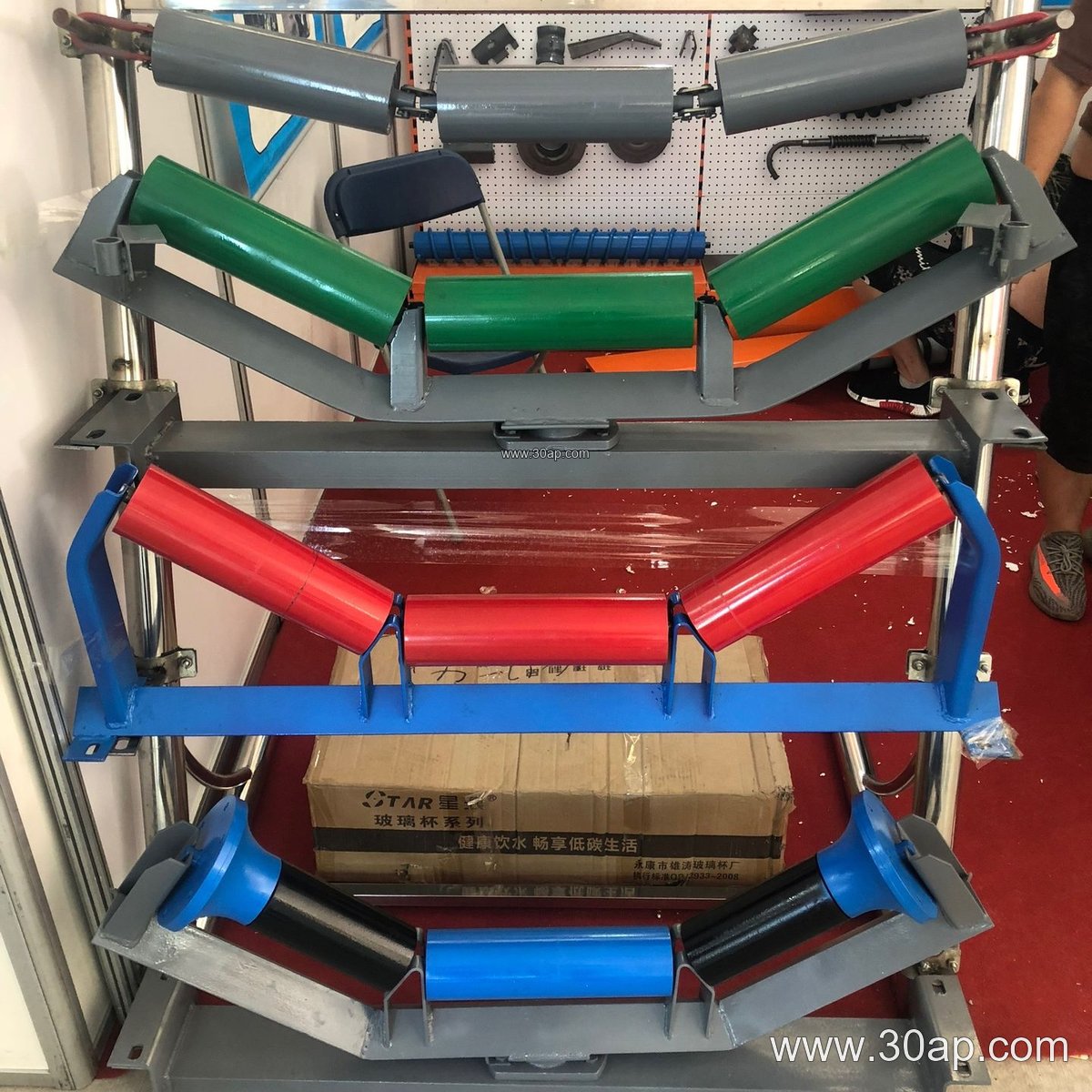
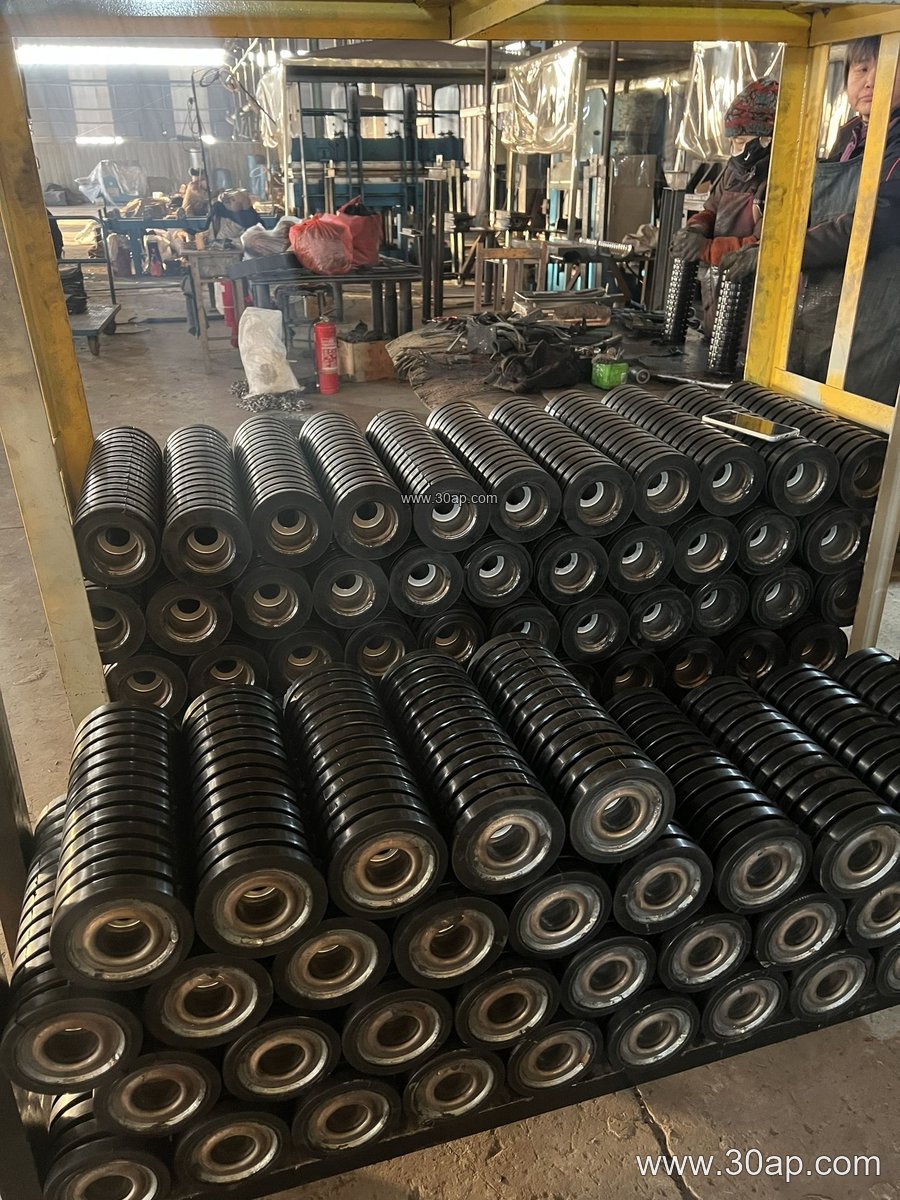
These idlers are built with a robust steel tube shell, precision-bearing housings, and effective sealing arrangements. The larger diameter allows for thicker shell walls and larger bearings—common sizes include 6308, 6310, and above—which enhance load capacity and durability. The roller surface may be plain steel, nylon, or rubber-covered for specific applications. For instance, rubber-disc impact idlers are often used at transfer points to absorb shock from large lumps, while a standard large-diameter troughing idler set maintains the belt’s trough profile. The sealing system is critical: labyrinth seals or multi-stage seals keep out dust and water, which is especially important in quarry and underground mining environments.
Where Large-Diameter Idlers Are Used
You will find these idlers in demanding settings such as iron ore mines, copper concentrators, limestone quarries, and coal-fired power plant coal handling systems. They are also employed in port ship loaders and stacker-reclaimers where high capacity and reliability are essential. In a typical three-roll troughing set, the large-diameter rolls reduce the number of idlers required per kilometer, lowering maintenance frequency. For comparison, a smaller-diameter idler might suit a lightweight aggregate line, but a large-diameter conveyor idler is preferred for heavy-duty mining conveyor belts carrying ore or overburden.
Specifications and Selection Guidance
When specifying a large-diameter conveyor idler, consider belt width, trough angle, and load. The table below lists common reference values—these are examples, not fixed combinations.
| Parameter | Common Range / Example |
|---|---|
| Roller diameter | Ø159, Ø178, Ø194, Ø219 mm |
| Belt width | B1000, B1200, B1400, B1600, B1800, B2000, B2200, B2400 |
| Trough angle | 30°, 35°, 45° |
| Roller length (three-roll set, center roll) | Approx. 380 mm for B1000, 465 mm for B1200, 530 mm for B1400, 600 mm for B1600, 670 mm for B1800, 750 mm for B2000 (side rolls differ) |
| Bearing size | 6308, 6310 (varies with load and diameter) |
| Surface form | Steel, nylon, rubber disc (for impact) |
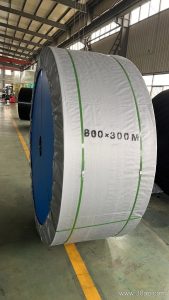
Note that belt width does not dictate a single pulley diameter or shaft size; each conveyor design must be evaluated separately. A large-diameter idler can be paired with various belt types, from EP conveyor belt to steel cord conveyor belt, depending on tension and load. For abrasive conditions, consider idlers with ceramic or rubber lagging to protect the belt.
Buyer Checklist for Large-Diameter Idlers
- Verify the actual load and belt speed to select the correct roller diameter and bearing class.
- Check seal type—labyrinth or contact seals—for dust and moisture resistance.
- Confirm roller length matches your troughing set and belt width; side rolls may differ from center rolls.
- Consider impact idlers with rubber discs at loading points to cushion the belt.
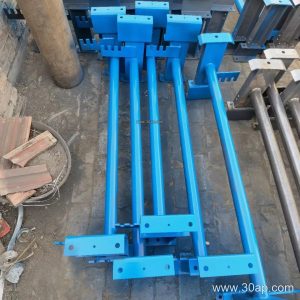
- Ensure compatibility with your conveyor brackets and frames for proper fit.
For maintenance, regular inspection of idler rotation and seal integrity prevents belt misalignment and extends service life. In coal mining conveyor belt systems, flame retardant and anti-static properties of the belt are important, but the idler itself should be selected for mechanical strength and corrosion resistance. Whether you operate a quarry conveyor belt line or a heavy-duty mining conveyor belt network, large-diameter conveyor idlers contribute to lower energy consumption and reduced downtime. Remember that drive pulleys, tail pulleys, and bend pulleys serve different functions and are not interchangeable with idlers. Always consult your conveyor system designer for final specifications.