Understanding the Self-Aligning Idler
A conveyor belt self-aligning idler is a specialized roller assembly designed to automatically correct belt misalignment along the conveyor path. Unlike standard carrying or return idlers, this component uses a pivoting mechanism that responds to lateral belt drift, gently steering the belt back to center. In quarry and aggregate lines, where material load and belt tension vary, a self-aligning idler helps reduce edge damage and spillage, protecting the conveyor belt and extending service life.
Construction and Working Principle
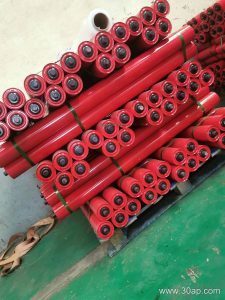
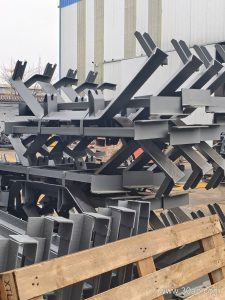
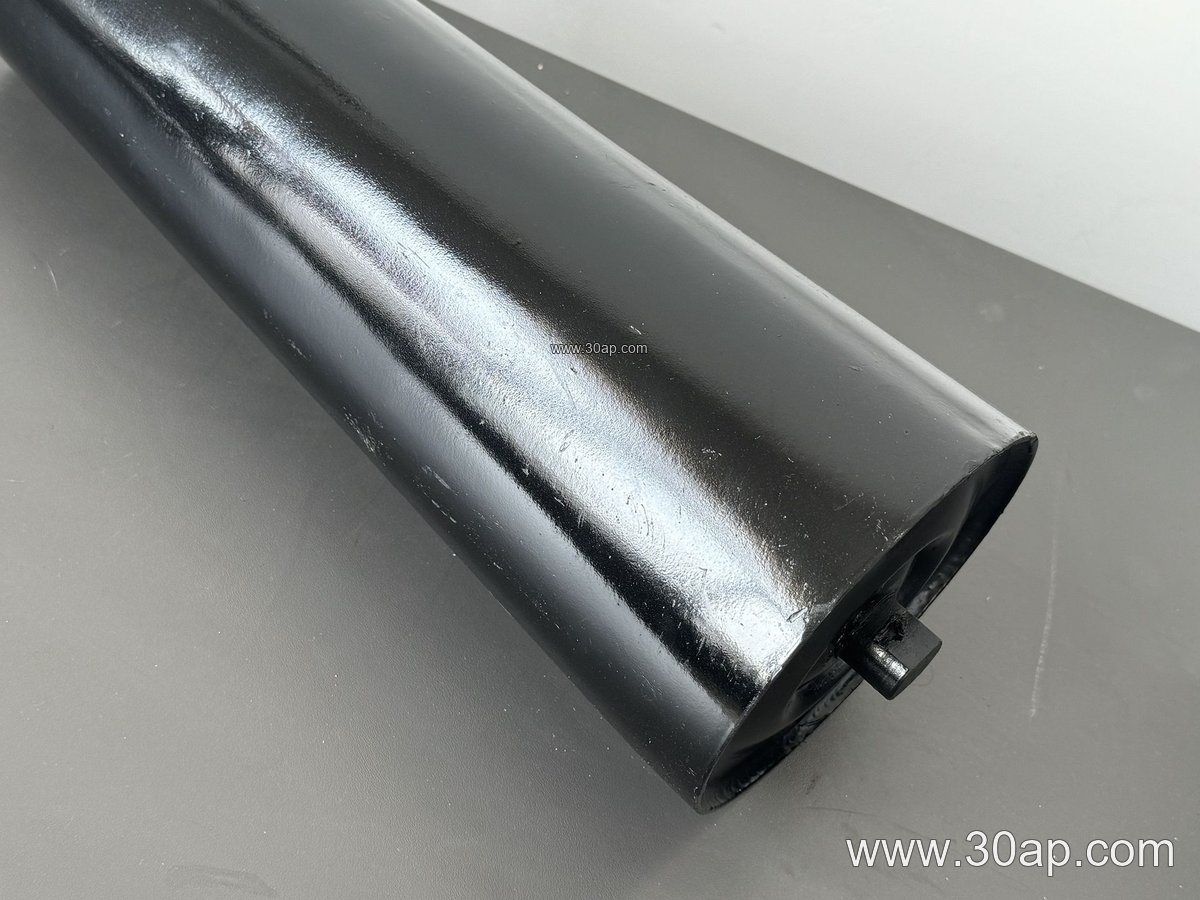
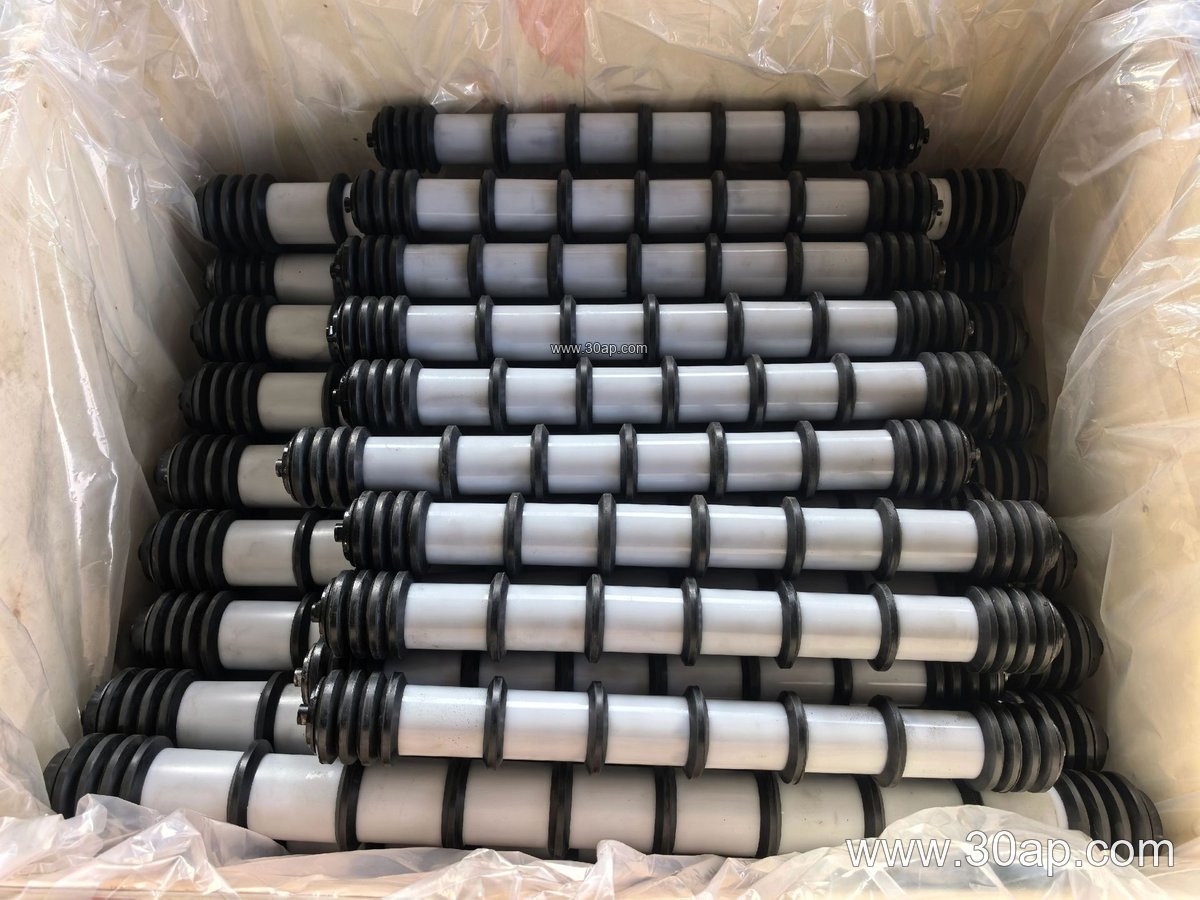
These idlers typically feature a vertical pivot axis that allows the roller frame to skew slightly when the belt contacts a side guide roller. This skew generates a corrective force that nudges the belt back into alignment. Common designs include friction self-aligning idlers and conical self-aligning idlers, each suited to different belt widths and load conditions. The idler roller itself may have a steel, nylon, or rubber surface, and the frame is mounted on a sturdy conveyor bracket for stability. Bearings such as 6205 or 6305 are often used, depending on the roller diameter and load.
Where It Fits on the Conveyor
Self-aligning idlers are usually installed on the carrying side at intervals along the conveyor, especially after curves or transfer points where misalignment is likely. They are also used on the return side in some configurations. In coal mining conveyor systems and power plant coal handling, proper belt tracking is critical to avoid fugitive material and premature wear. For heavy-duty mining conveyor belts, including steel cord conveyor belt and EP conveyor belt constructions, self-aligning idlers help maintain stable operation under high tension.
Key Selection Parameters
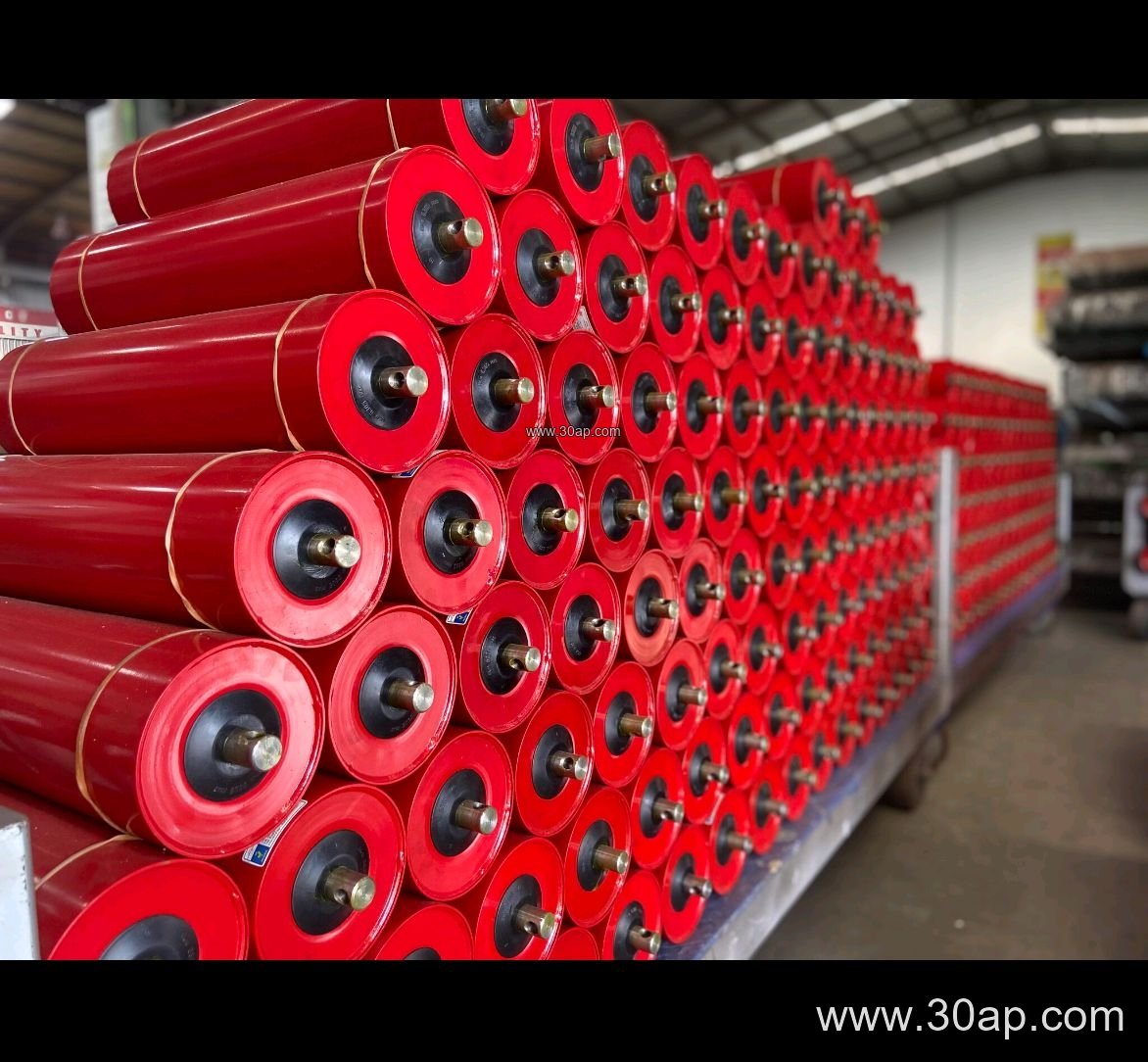
When specifying a self-aligning idler, consider the belt width, roller diameter, and trough angle. The table below lists common reference values; actual dimensions should be confirmed with the conveyor design.
| Parameter | Common Options |
|---|---|
| Belt width (B) | B500, B650, B800, B1000, B1200, B1400, B1600, B1800, B2000 |
| Roller diameter | Ø63, Ø76, Ø89, Ø102, Ø108, Ø127, Ø133, Ø159, Ø178, Ø194, Ø219 mm |
| Trough angle | 20°, 30°, 35°, 45° |
| Bearing | 6204, 6205, 6305, 6306, 6308, 6310 |
| Roller surface | Steel, nylon, ceramic, rubber ring |
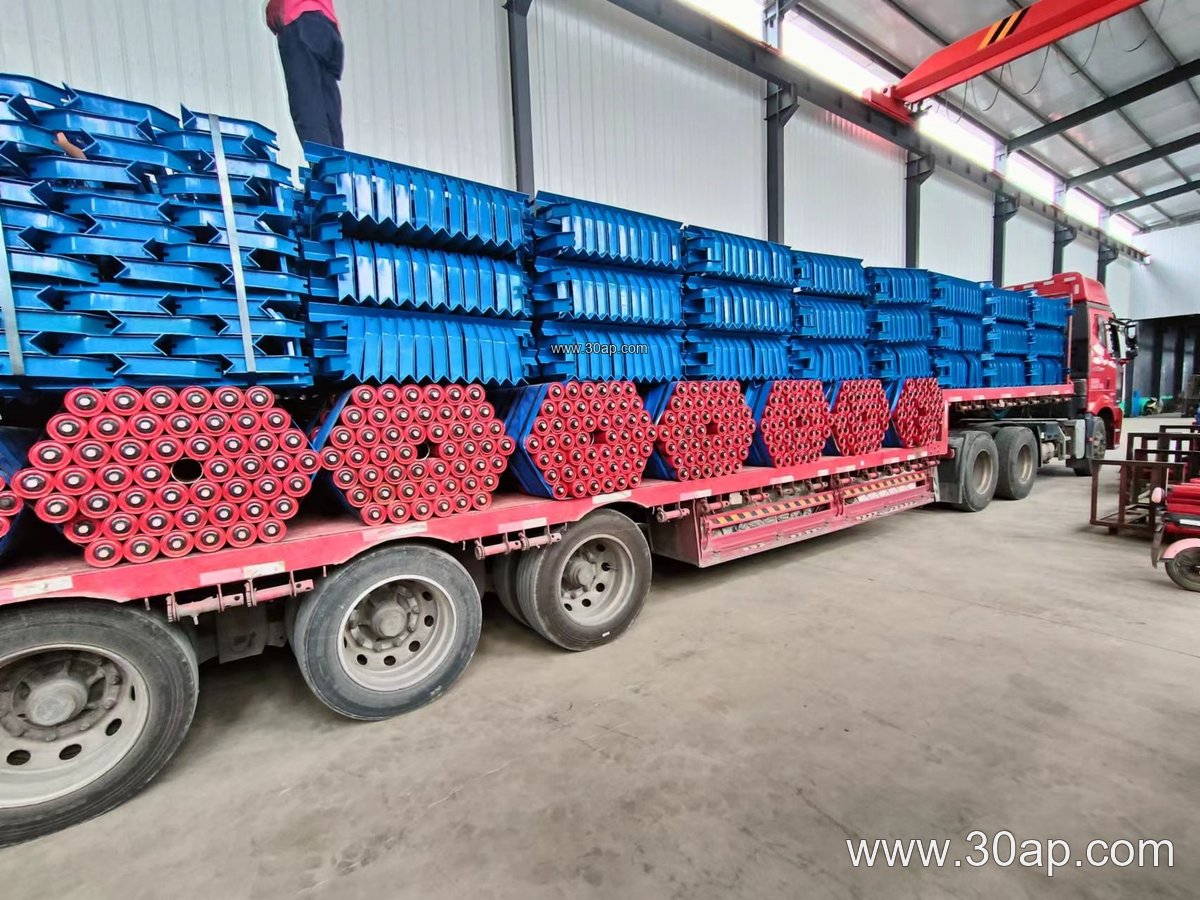
For example, a 1200mm wide conveyor belt might use a self-aligning idler with Ø133 mm rollers and 35° trough angle, but this is not a fixed rule. The roller length varies with belt width and idler configuration; three-roll troughing sets often have side rollers around 465 mm for B1200, though actual dimensions depend on the manufacturer’s design.
Applications Across Industries
Self-aligning idlers are valuable in any bulk material handling operation where belt misalignment causes downtime. In cement plants, they help keep clinker and limestone conveyors on track. In iron ore and copper ore mining, they withstand abrasive conditions and heavy loads. Port facilities use them on ship loading conveyors to ensure smooth transfer. Even in recycling and construction waste lines, a self-aligning idler can reduce maintenance calls. For abrasive materials, pairing these idlers with an abrasion resistant conveyor belt enhances overall reliability.
Maintenance and Buyer Tips
Regular inspection of the idler’s pivot mechanism and roller rotation is essential. Seized bearings or a binding pivot can prevent self-correction and lead to belt edge damage. Buyers should match the idler’s load rating to the conveyor’s maximum capacity and consider the environment—dusty or wet conditions may require enhanced sealing. When replacing idlers, verify the shaft diameter and mounting dimensions against the existing conveyor bracket. Do not assume that a given belt width dictates a specific shaft size; always refer to the conveyor’s technical documentation.
For more information on conveyor components and belt selection, visit our site at www.example.com/conveyor-belt-self-aligning-idler. Our range includes idler rollers, conveyor pulleys, and conveyor brackets to support your material handling needs.