What a Return Idler Does on a Conveyor
A belt conveyor return idler is the roller that supports the empty, returning side of the conveyor belt. After material is discharged at the head end, the belt loops back underneath the structure, and it is this row of lower rollers that keeps the belt from sagging, misaligning, or dragging. While the carrying side gets most of the attention, the return run quietly dictates how much drag the drive must overcome and how long the belt lasts. In a quarry, a cement plant, or a coal handling system, a poorly supported return strand can cause belt edge wear, spillage, and unnecessary power draw. The return idler is a simple component, but it is not a trivial one.
Construction Details That Matter
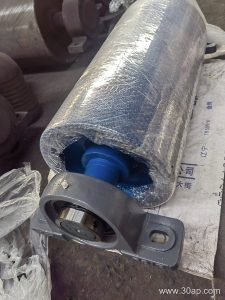
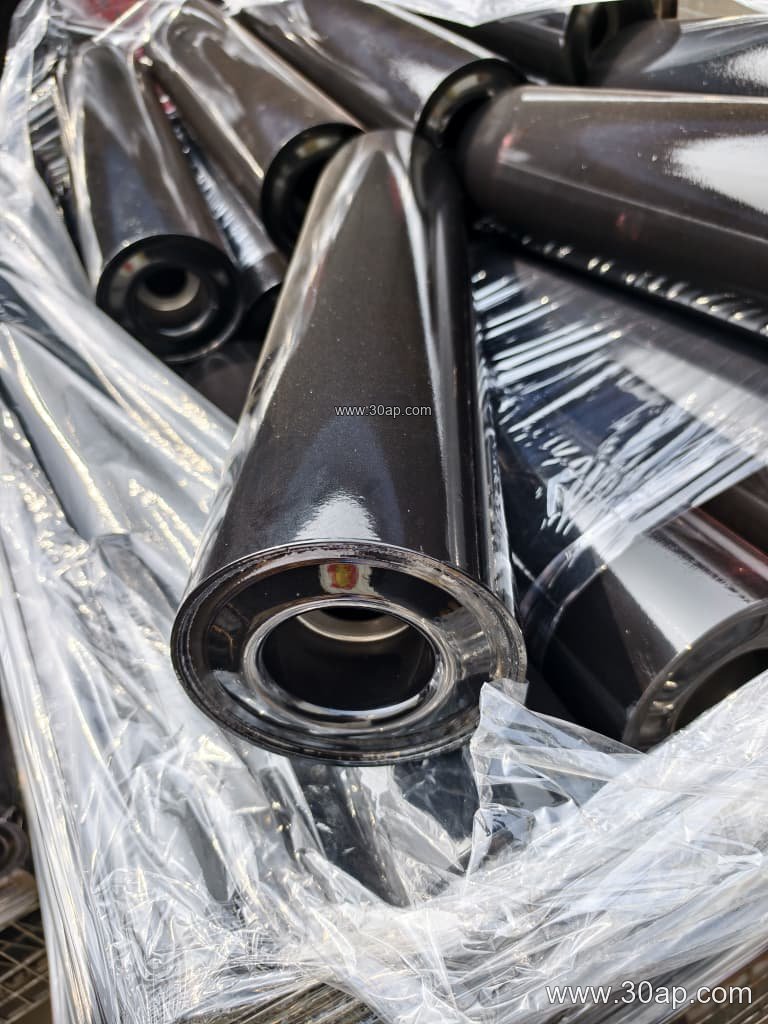
Most return idlers are built around a steel tube shell fitted with sealed ball bearings at each end. The shell may be plain steel, nylon-coated, or covered with rubber rings for particular duties. Common bearing sizes include 6204, 6205, 6305, 6306, 6308, and 6310, but the bearing is selected to suit the load and speed rather than a single roller diameter. Shaft ends are typically flattened or fitted with a bracket arrangement that drops into the conveyor bracket on the lower frame. The seal design is critical in dusty environments such as a limestone mine or a sand and gravel line, because grit that reaches the bearing will quickly shorten roller life. Labyrinth seals and multi-stage lip seals are common ways to keep fines out.
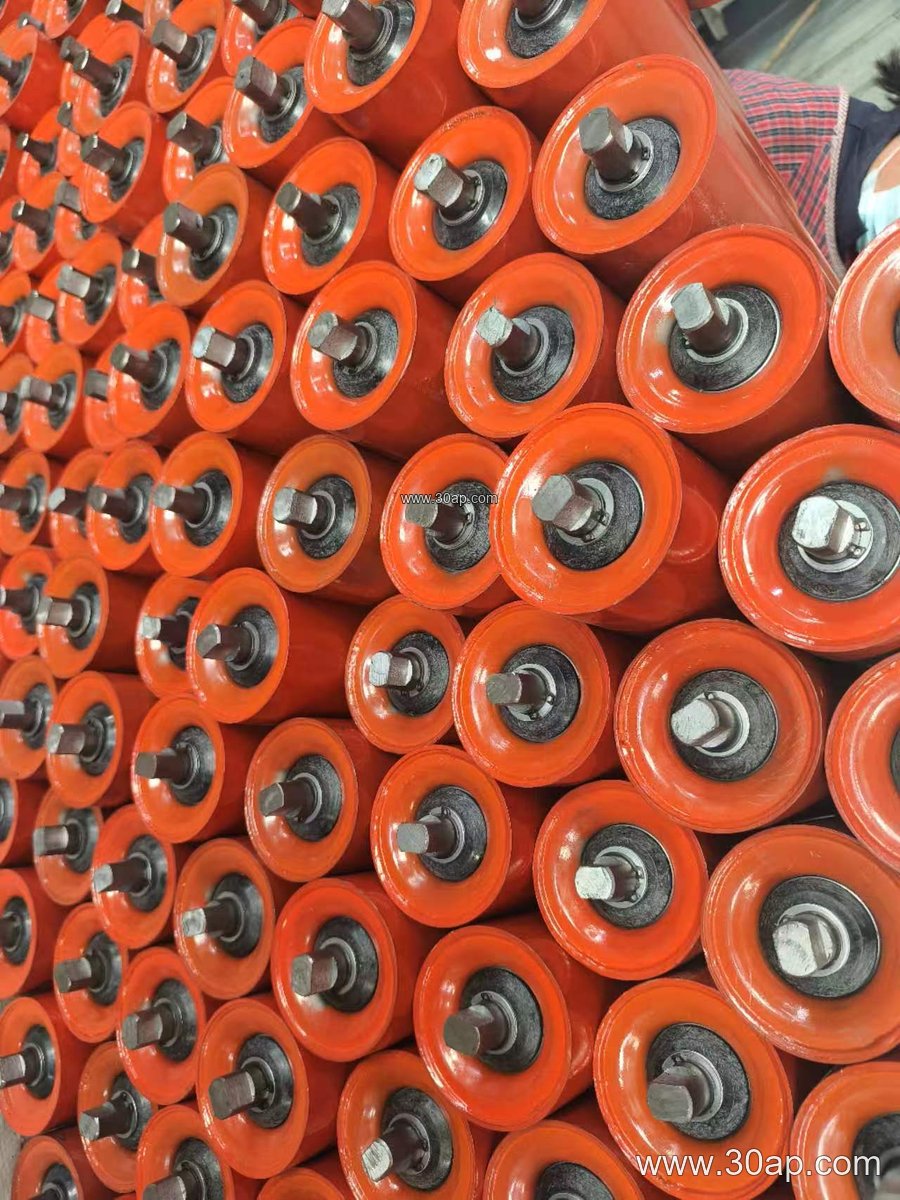
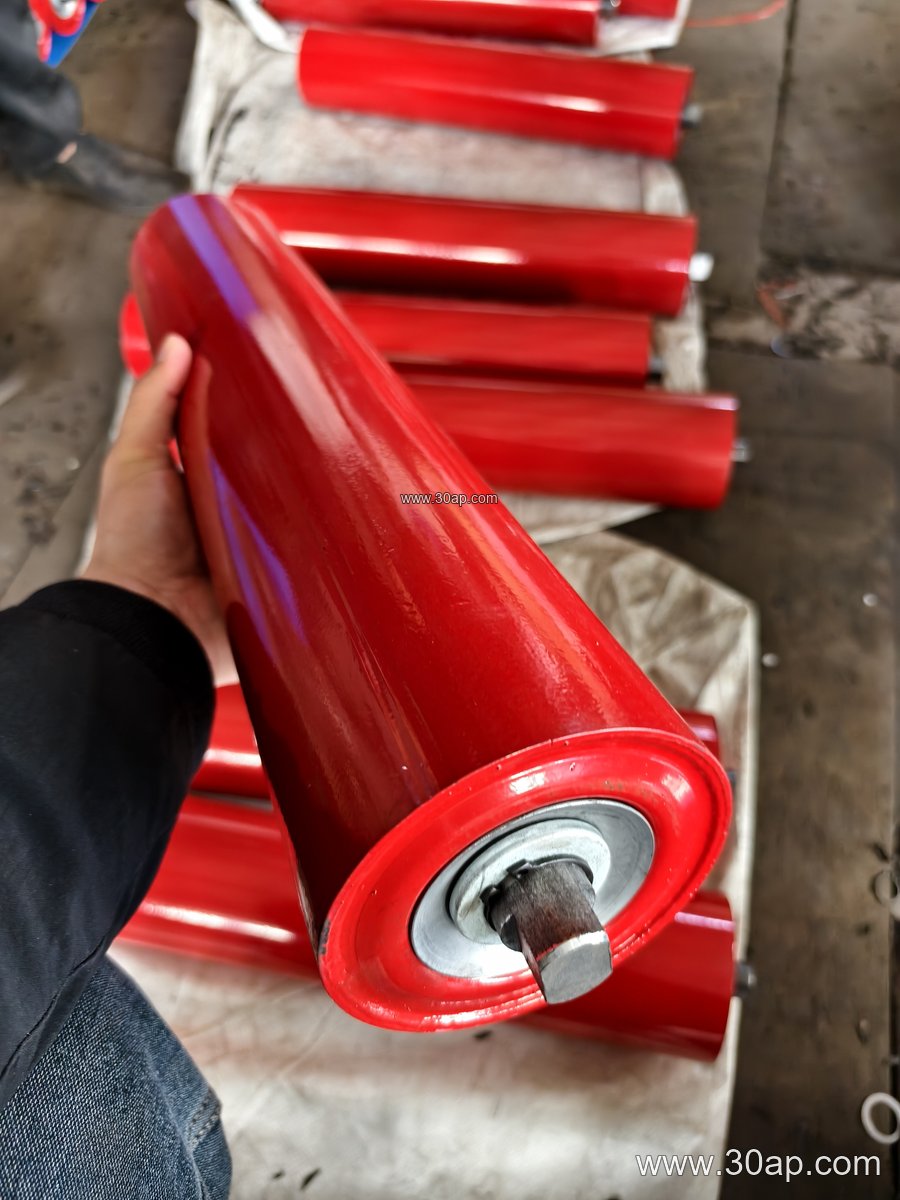
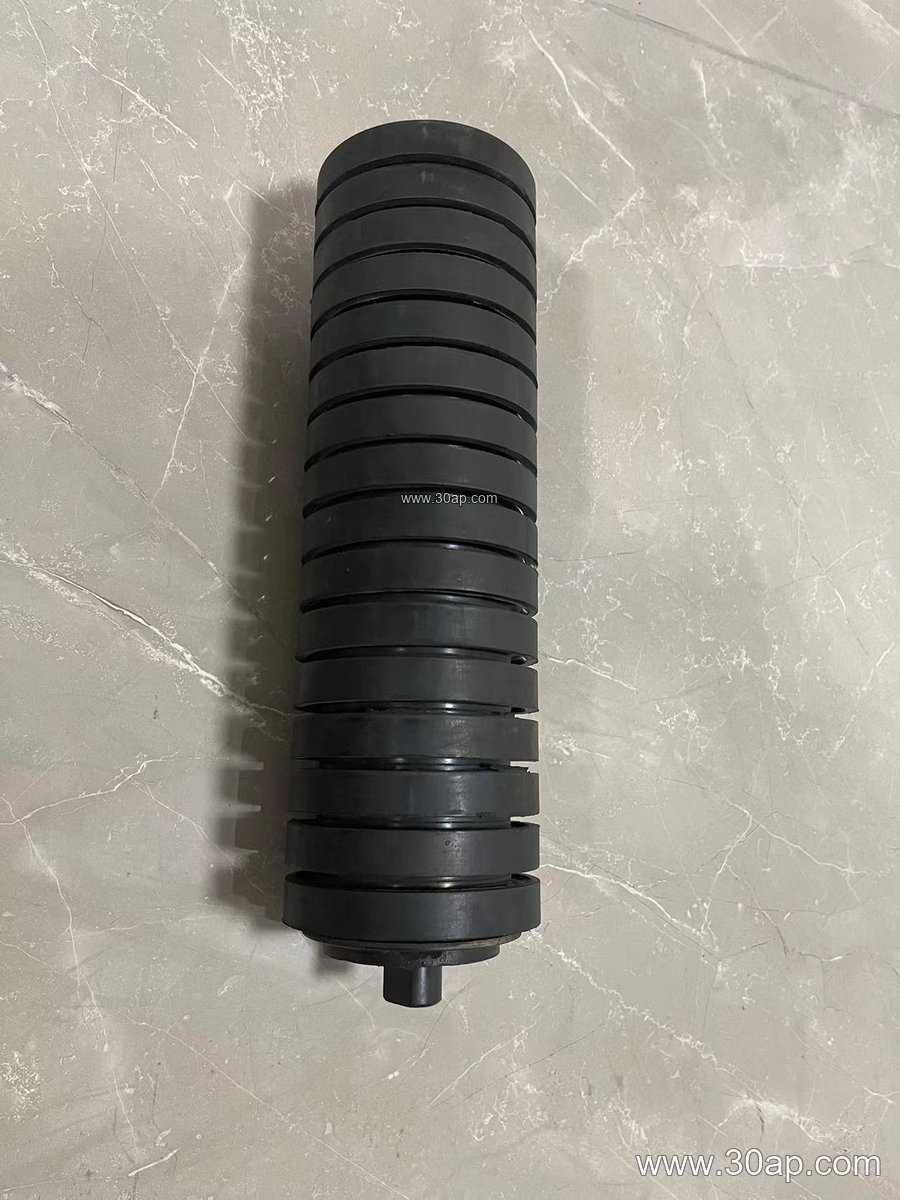
Return idlers are often classified by their roll profile. A flat return idler is the standard form, while a V-shaped return idler uses two rolls set at an angle to help center the belt. Spiral return idlers are also used where sticky material tends to build up on the belt surface. These are distinct from carrying idlers such as troughing idlers or impact idlers, and they should not be confused with conveyor pulleys. The drive pulley, tail pulley, and bend pulley are completely different components, and none of them can substitute for a return idler in the lower strand.
Where Return Idlers Are Used
You will find belt conveyor return idlers in almost any bulk handling operation. In a coal mining conveyor system, they support the belt on the return run through transfer points and long galleries. In a power plant coal yard, they help keep the belt tracking straight on inclined sections. Aggregate operations, crusher discharge conveyors, and ship loading lines all rely on them. The return idler also appears in less obvious places, such as a fertilizer plant or a grain terminal, where cleanliness and belt alignment are important. In each case, the return idler works together with the conveyor belt, the idler roller on the carrying side, and the conveyor pulley at each end to form a complete loop.
Roller Diameter, Belt Width, and Roll Length
Selecting a return idler is not about matching one belt width to one pulley diameter. The roller diameter and roll length are determined by the belt width, the load on the return strand, the belt speed, and the space available in the conveyor frame. Common roller diameters include Ø63, Ø76, Ø89, Ø102, Ø108, Ø127, Ø133, Ø159, Ø178, Ø194, and Ø219. Belt widths range from B400 up to B2400. Roll length varies with belt width and idler configuration; for a flat return idler, the roll length is usually a little wider than the belt. The table below gives common examples, but these are reference values and should not be treated as fixed pairings.
| Belt Width | Common Return Roll Length (example) | Typical Roller Diameter Range |
|---|---|---|
| B500 | 200 mm | Ø63 to Ø89 |
| B650 | 250 mm | Ø76 to Ø108 |
| B800 | 315 mm | Ø89 to Ø127 |
| B1000 | 380 mm | Ø102 to Ø133 |
| B1200 | 465 mm | Ø108 to Ø159 |
| B1400 | 530 mm | Ø127 to Ø178 |
| B1600 | 600 mm | Ø133 to Ø194 |
| B1800 | 670 mm | Ø159 to Ø219 |
| B2000 | 750 mm | Ø178 to Ø219 |
Remember that side rollers on a V-return idler may differ from the center roll, and the figures above are only common examples. A heavy-duty mining conveyor belt or a steel cord conveyor belt may require a larger roller diameter and a heavier bearing to handle the belt tension and load. Conversely, a light-duty aggregate conveyor belt may use a smaller, simpler return idler.
Buyer Checklist for Return Idlers
- Belt width and speed: Confirm the belt width and operating speed before choosing a roller diameter. Higher speed increases bearing load and seal wear.
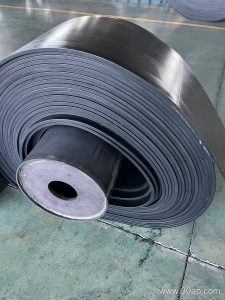
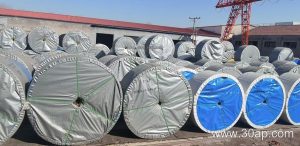
- Belt type: A rubber conveyor belt, an EP conveyor belt, or an NN conveyor belt all have different tension and tracking characteristics. A flame retardant conveyor belt used in underground coal mining may require specific idler materials to avoid static buildup.
- Environment: Dust, moisture, and temperature affect seal choice. A heat resistant conveyor belt in a cement plant may need return idlers with heat-tolerant bearings and lubricant.
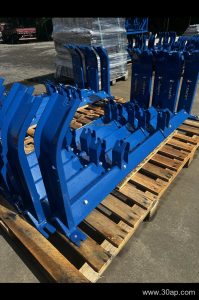
- Mounting: Check the conveyor bracket dimensions and the shaft end shape. Return idlers are not interchangeable with carrying idlers, and the bracket must match the frame.
- Maintenance access: Return idlers are often replaced from the side. Ensure the frame design allows safe removal without dismantling the belt.
For any belt conveyor return idler inquiry, provide the belt width, the belt type, the roller diameter you prefer, and the bracket style. A supplier can then recommend a return idler roller that fits the conveyor and the duty. Whether the plant handles iron ore, copper ore, gold mining material, or construction aggregate, the return idler remains a small but essential part of the conveyor system. For more information on conveyor components, visit belt conveyor return idler and conveyor idler roller.