What a Conveyor Pulley Does
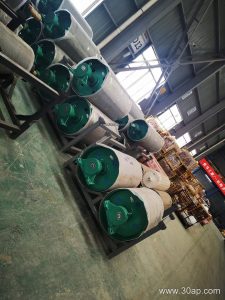
A conveyor pulley is the rotating drum that transfers motion and tension to the conveyor belt. It is often the largest and most heavily loaded component at either end of a conveyor structure, and its condition directly affects belt tracking, belt life and the overall availability of the line. In a quarry, a cement plant or a port bulk terminal, a single failed drum can stop an entire conveying route, so understanding how this component is built and specified matters to both maintenance teams and project buyers.
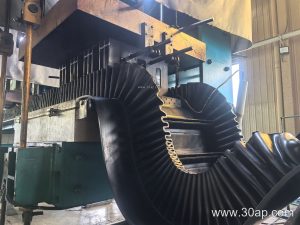
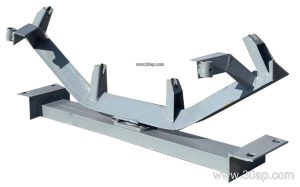
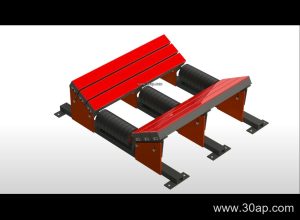
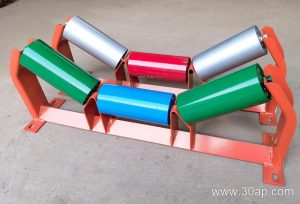
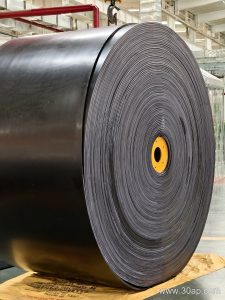
In practice, the drum rarely works alone. It cooperates with the conveyor belt, the idler roller sets along the carrying and return strands, and the conveyor bracket that fixes the bearing housings to the frame. Each of these parts has its own role, and confusing them can lead to the wrong spare being ordered.
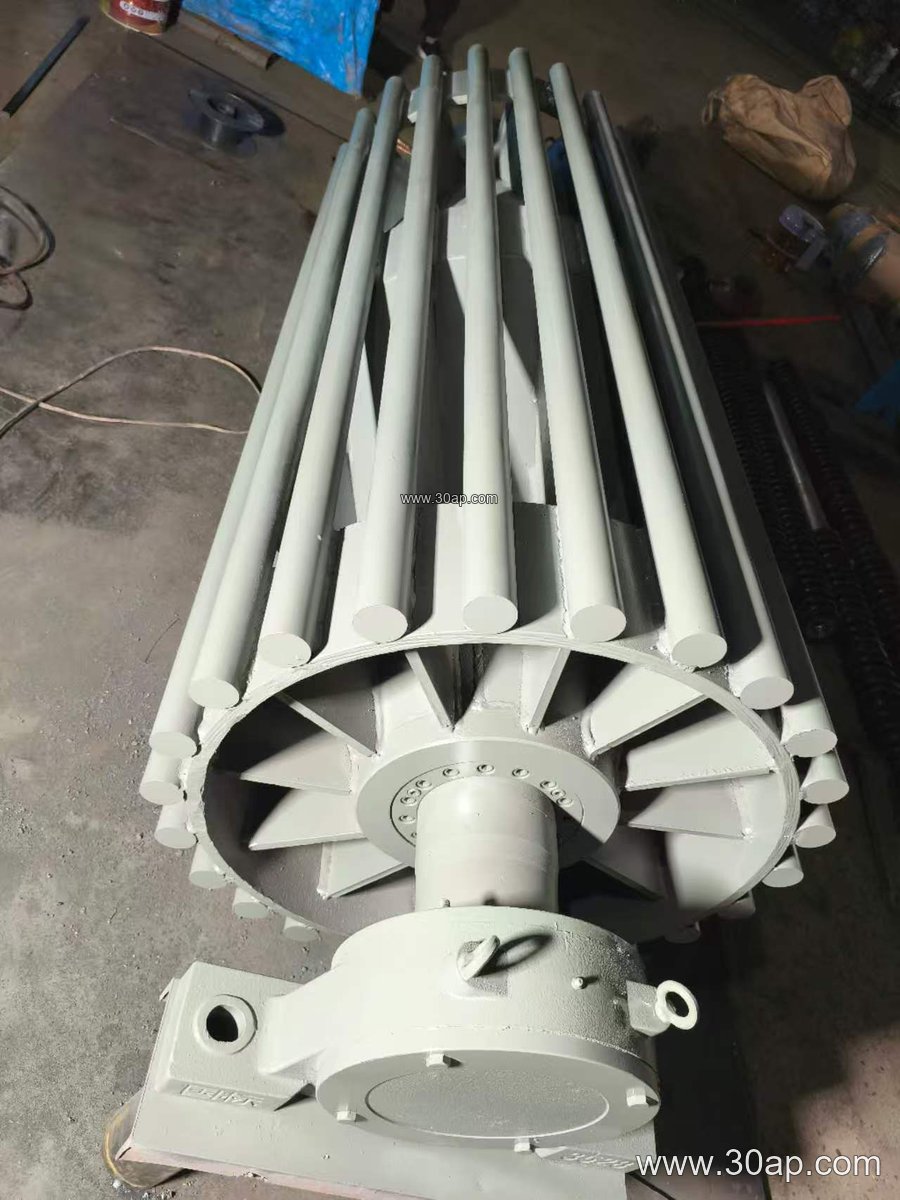
Construction and Surface Options
A typical unit consists of a cylindrical shell, two end discs, a shaft, bearing housings and a lagging layer. The shell may be seamless tube or rolled and welded plate, and the shaft is sized by torque and radial load rather than by belt width alone. Bearing selection follows the same principle: a wide belt does not automatically dictate one fixed shaft diameter.
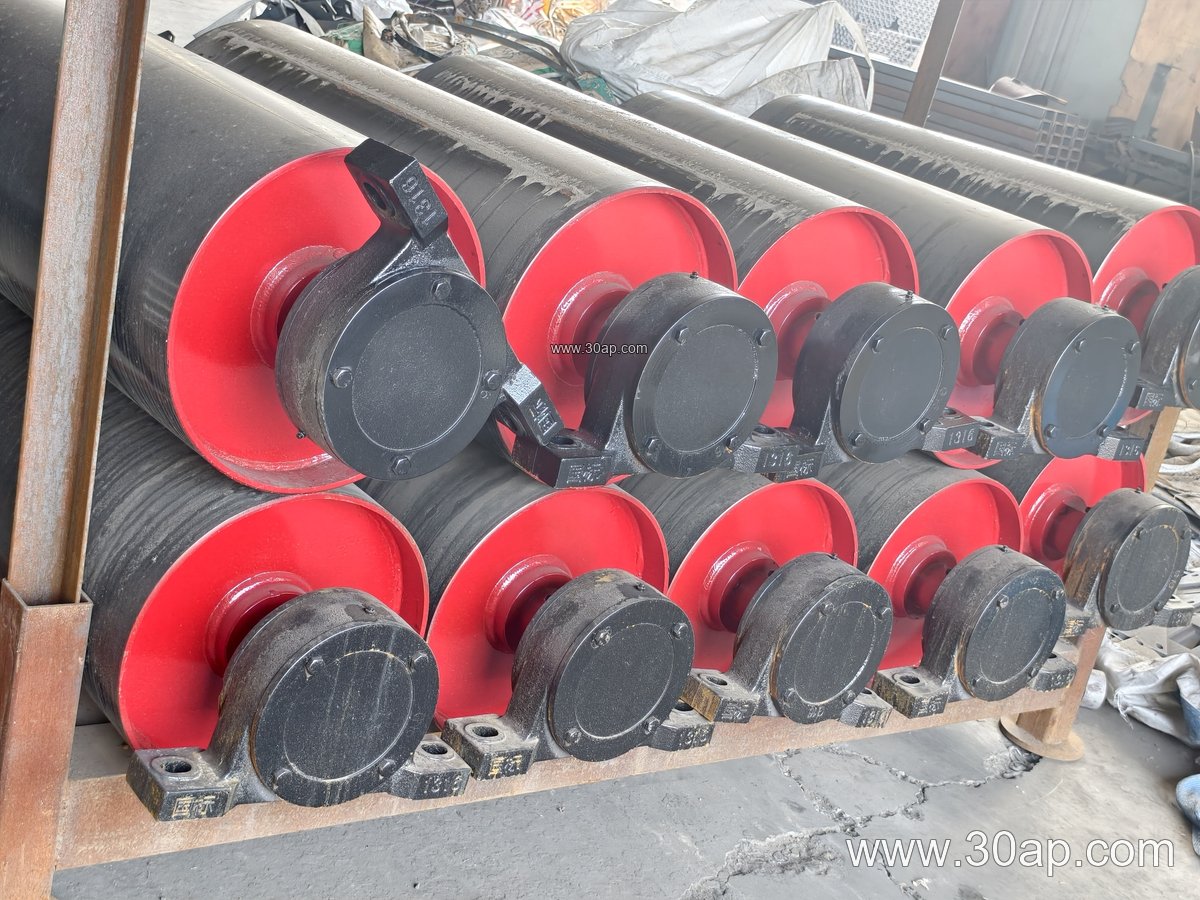
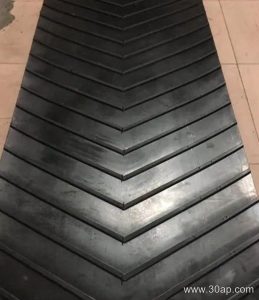
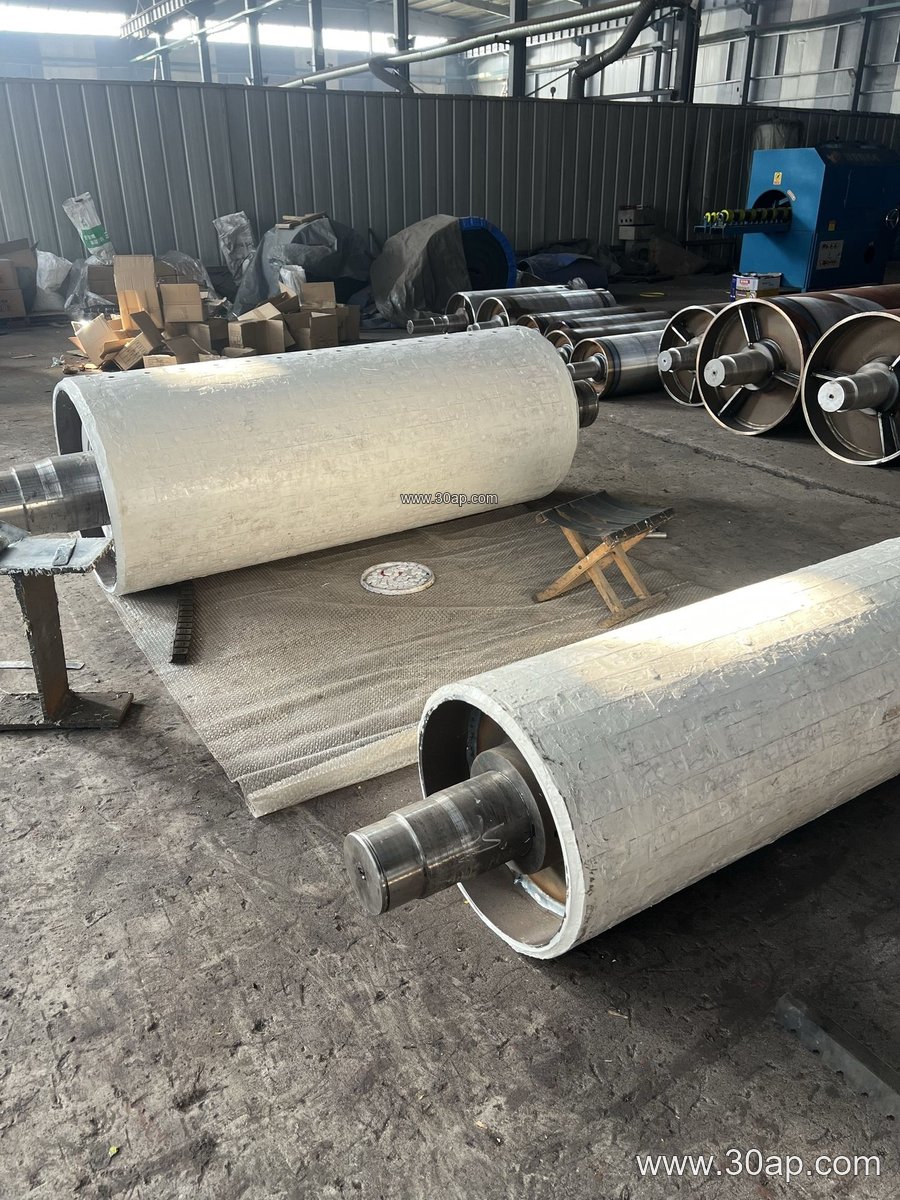
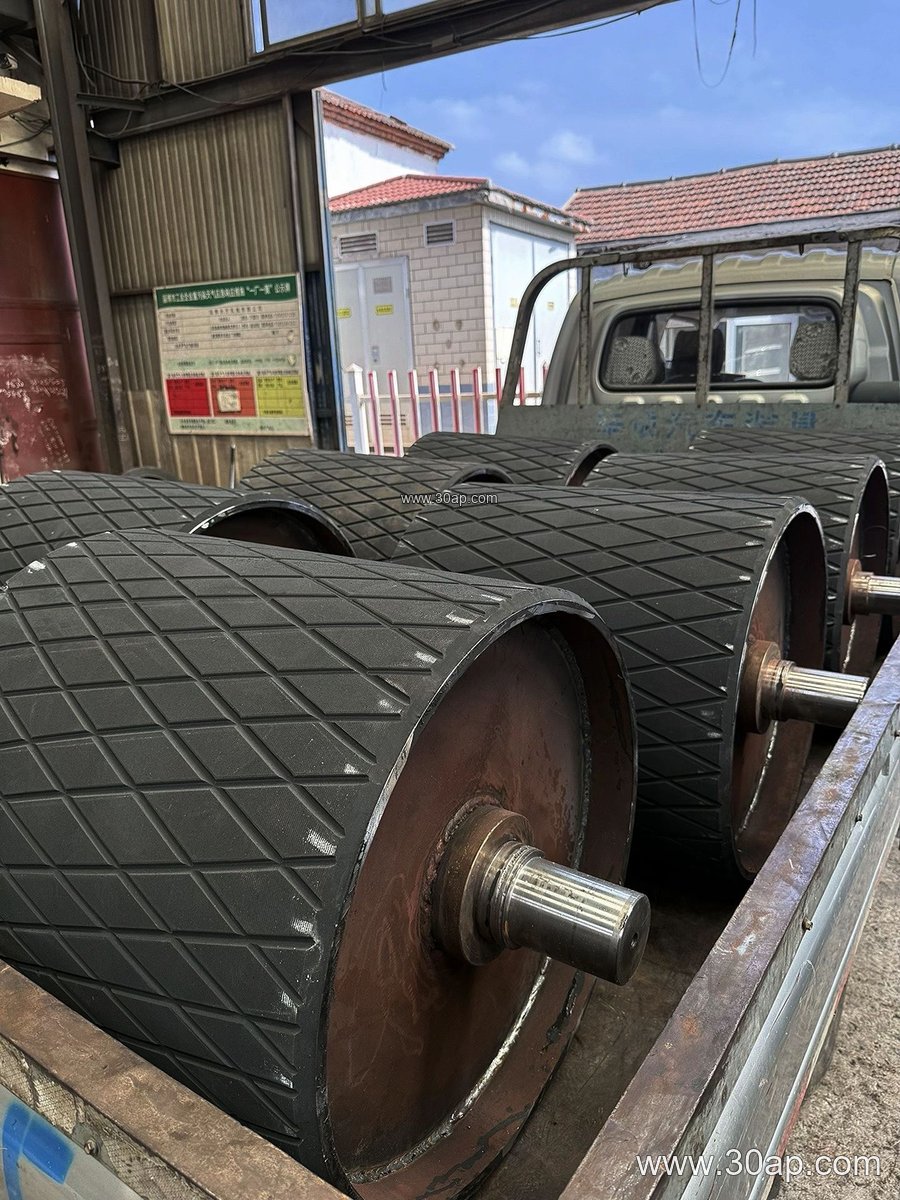
Surface treatment is where many specification decisions are made. Plain steel is used where grip is not critical, while rubber lagging improves friction between drum and belt. Common forms include cold-bonded rubber, hot-vulcanized rubber, diamond grooving, herringbone grooving and ceramic lagging. Lagging thickness is often quoted at 8, 10, 12, 15 or 20 mm depending on duty. Herringbone and diamond patterns help shed water and fines, which is useful in washing plants and wet tunnels, while ceramic tiles suit high-slip drives in iron ore or copper ore handling.
Where It Is Installed
Position determines function, and the names are not interchangeable. A drive pulley transmits power from the gearbox to the belt. A tail pulley at the loading end supports the belt and helps maintain tension. A bend pulley changes belt direction without driving, and a take-up pulley works with the tensioning system to keep slack under control. A snub pulley increases the wrap angle around the drive drum.
In a coal washing plant or a power plant coal yard, flame retardant conveyor belt and anti-static properties are usually specified for the belt, and the drum lagging must be compatible with that environment. In a limestone quarry feeding a crusher, an abrasion resistant conveyor belt handles sharp rock, and the head drum is often fitted with thick grooved lagging to resist slip under wet conditions. For long overland routes carrying steel cord conveyor belt, the drive drum may be large in diameter to reduce bending stress in the belt carcass.
Matching Drum to Belt Width
Face width is normally a little wider than the belt so that the belt is fully supported. Reference values are often quoted as B400 with about 500 mm face, B650 with about 750 mm, B1000 with about 1150 mm, B1200 with about 1400 mm and B1600 with about 1800 mm. Diameter is a separate decision: a B800 × Ø500 combination and a B800 × Ø630 combination can both be valid for different tensions and wrap angles. Common diameter references include Ø200, Ø315, Ø400, Ø500, Ø630, Ø800, Ø1000 and Ø1250.
| Belt width reference | Typical face width | Diameter examples |
|---|---|---|
| B500 | about 600 mm | Ø250, Ø315, Ø400 |
| B800 | about 950 mm | Ø400, Ø500, Ø630 |
| B1200 | about 1400 mm | Ø630, Ø800, Ø1000 |
| B1400 | about 1600 mm | Ø800, Ø1000, Ø1250 |
These figures are reference data, not fixed pairings. Final selection depends on belt tension, speed, lagging type and the load carried by the shaft.
Buyer Checklist
- Confirm the installation position and whether the drum drives, turns or tensions the belt.
- State belt width, belt type and maximum working tension so the shell and shaft can be checked.
- Choose lagging pattern and thickness according to slip risk, moisture and material abrasiveness.
- Check bearing housing style and confirm that the conveyor bracket interface matches the existing frame.
- Ask for the balancing grade and inspection records rather than assuming a standard.
For a sand and gravel line, a cement plant clinker route or a port ship loader, the same logic applies: match the drum to the duty, keep the lagging appropriate to the material, and treat drive, tail and bend positions as distinct items in the spare parts list. More technical notes on belt and drum matching are available at conveyor pulley resources and companion pages covering conveyor belt and idler roller selection.