What the Conveyor Belt Support Frame Does on a Belt Line
The conveyor belt support frame is the structural backbone that holds idler rollers at the correct position, angle, and spacing beneath the belt. It carries the weight of the belt, the material load, and the dynamic forces of start-up and braking, transferring them safely to the conveyor stringer or ground structure. In a quarry, a cement plant, or a coal handling system, this frame is not a passive accessory—it directly influences belt tracking, energy consumption, and the service life of the conveyor belt itself. When specified correctly, it keeps the belt profile stable and reduces spillage at transfer points.
Construction and Common Materials
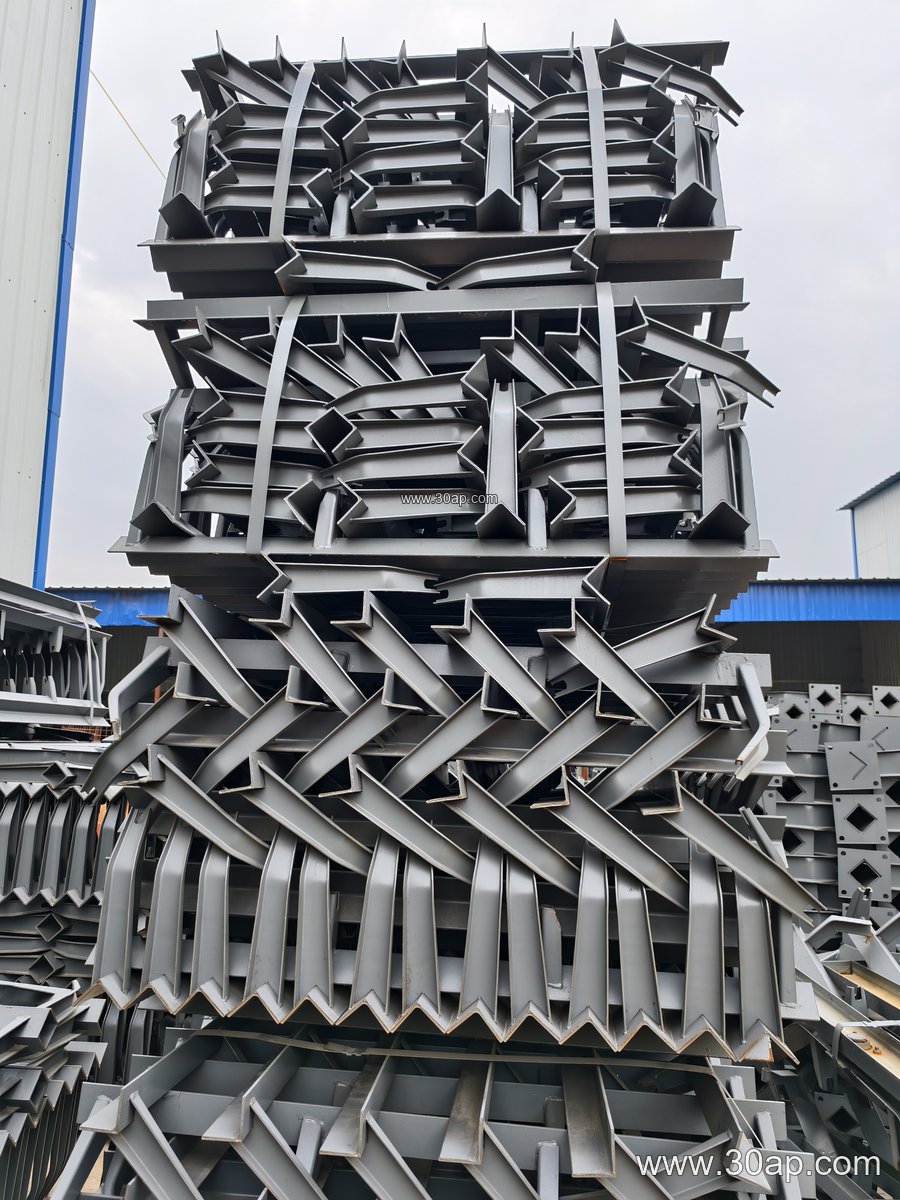
Most support frames are fabricated from angle steel, channel steel, or folded steel plate, then drilled or punched for mounting. The fabrication method matters: a folded plate frame often provides a cleaner surface and better stiffness-to-weight ratio than a simple angle frame, while channel steel offers good resistance to bending under heavy loads. Welds should be continuous at load-bearing joints, and mounting slots usually allow minor adjustment during installation.
Typical subassemblies include upper trough frames, transition frames, return frames, and impact frames. Each serves a distinct function:
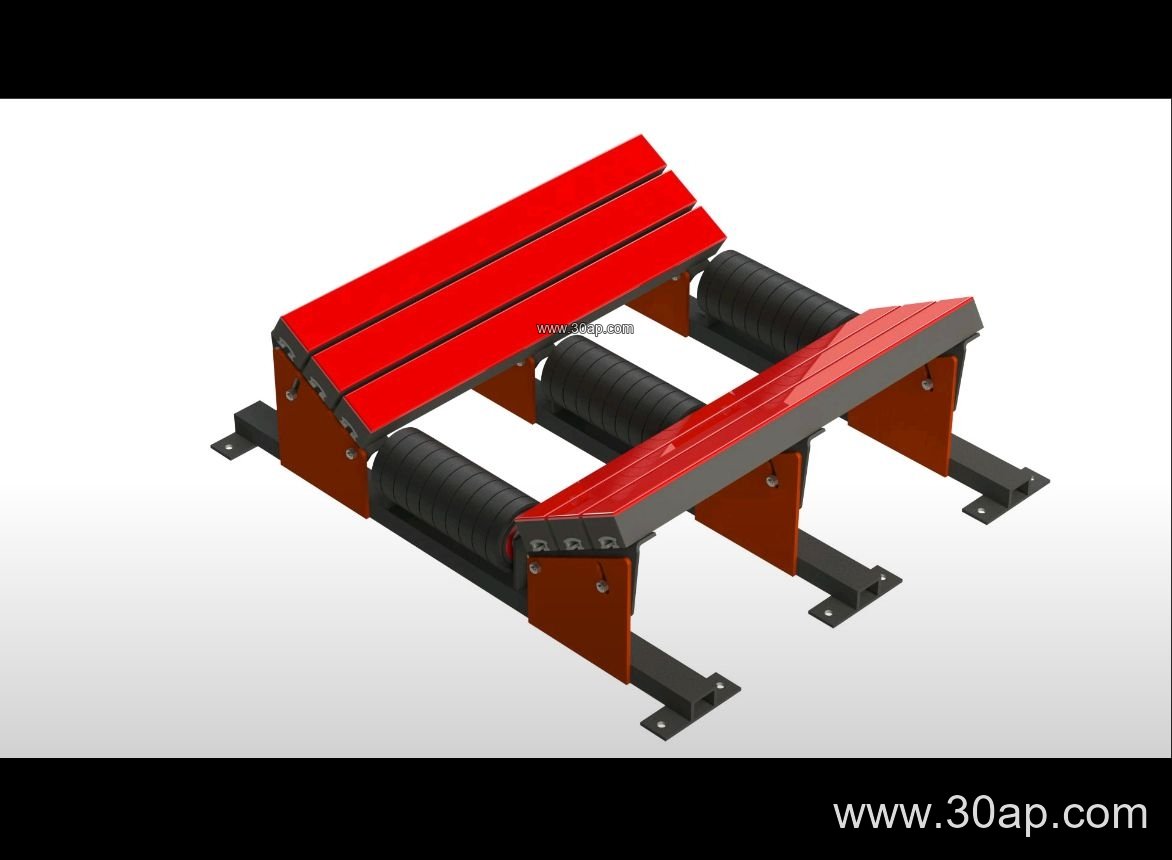
- Trough frames hold three or more idlers in a trough shape to form the belt into a channel for bulk material.
- Transition frames gradually change the belt from flat to troughed at pulleys, reducing edge stress.
- Return frames support the empty belt, often with flat or V-shaped idler arrangements.
- Impact frames sit below loading points and carry impact idlers to absorb drop energy.
Matching Frame Geometry to Belt Width and Trough Angle
The frame must match the belt width and the required trough angle. Common belt widths range from B500 up to B2200, and trough angles are usually 20, 30, 35, or 45 degrees. Adjustable frames allow the same base structure to be set at different trough angles within a range, which is useful when a plant handles multiple materials or plans future changes. For example, a B800 frame set at 35 degrees with Ø108 idlers is a common configuration in aggregate conveying, while a B1200 frame at 45 degrees with Ø133 idlers may appear in high-capacity ore handling. These are examples, not fixed rules—frame length, hole spacing, and crossbeam dimensions are determined by the conveyor design, not by belt width alone.
| Parameter | Common Range | Notes |
|---|---|---|
| Belt width | B500 to B2200 | Frame length and mounting hole spacing vary with width |
| Trough angle | 20°, 30°, 35°, 45° | Adjustable frames can be set within a range |
| Idler diameter | Ø89, Ø108, Ø133, Ø159, Ø194 | Selected by load and belt speed, not by width alone |
| Material | Angle steel, channel steel, folded plate | Choice depends on load and environment |
Where These Frames Are Used
In a limestone quarry, support frames must tolerate dust, moisture, and frequent impact from large lumps. In a coal-fired power plant, frames along the coal handling system often work with flame retardant conveyor belt and anti-static belt to reduce fire risk. The same structural frame may also appear in a fertilizer plant or a grain silo, where corrosion resistance and clean surfaces matter more than raw strength.
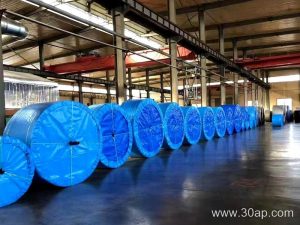
When the belt is a pipe conveyor belt or a corrugated sidewall belt, the frame design must account for different idler arrangements and belt stiffness. Similarly, a steel cord conveyor belt or an EP conveyor belt has different tension and tracking behavior, so the frame should be selected together with the belt specification—not in isolation.
Buyer Checklist for Conveyor Belt Support Frame Selection
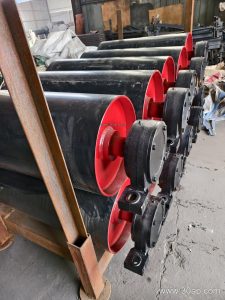
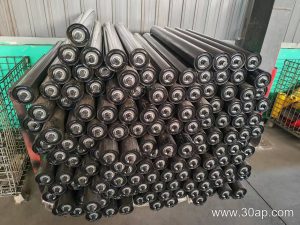
Before ordering, confirm the belt width, the required trough angle, the idler diameter, and the mounting interface with the stringer. Ask whether the frame is fixed or adjustable, and check the surface treatment—painted, galvanized, or bare—against the site environment. For corrosive or wet conditions, a galvanized or coated frame may last longer. Also verify that the frame can accept the chosen idler roller type, whether a standard trough idler or a spiral idler, and that the frame height matches the conveyor pulley and conveyor bracket dimensions.
Do not assume that one belt width locks in a single idler diameter or trough angle. The correct combination depends on load, speed, material lump size, and transition requirements. A frame that is too light may deflect under load and cause belt mistracking; a frame that is overbuilt may add unnecessary cost. Use the conveyor design data as the final reference.