What Is a Mining Fire Resistant Conveyor Belt?
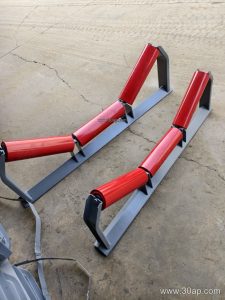
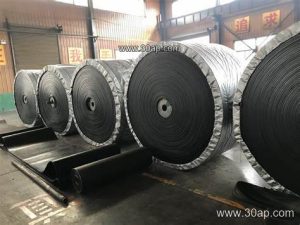
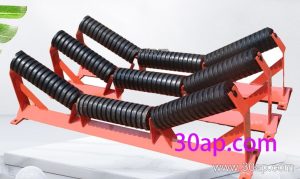
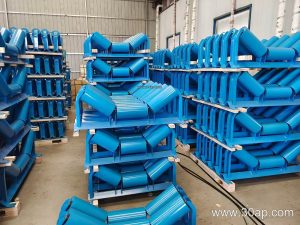
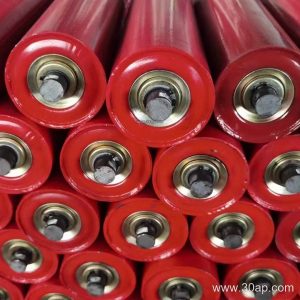
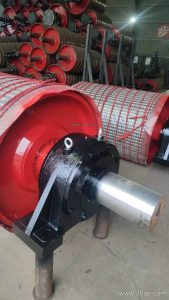
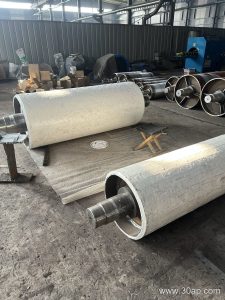
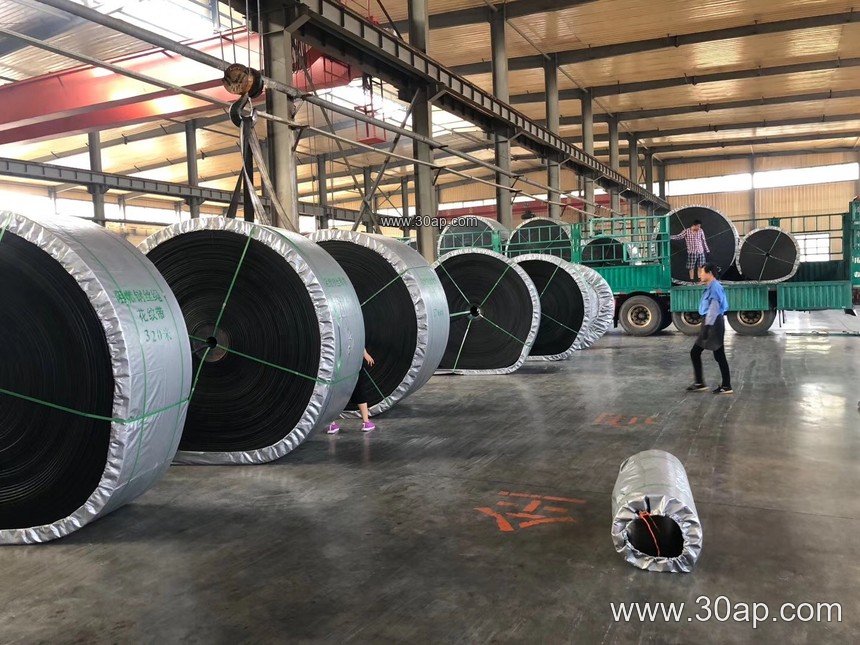
A mining fire resistant conveyor belt is a specialized rubber conveyor belt engineered to resist ignition and limit flame spread in underground and surface mining operations. Often referred to as a flame retardant conveyor belt or fire resistant conveyor belt, this product is critical for transporting coal, ore, and other bulk materials where sparks, friction, or electrical faults could create fire hazards. In coal mining, cement plants, power plants, and quarry operations, the belt works alongside conveyor pulleys, idler rollers, and conveyor brackets to maintain continuous material flow while prioritizing safety.
Construction and Materials
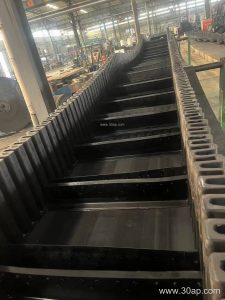
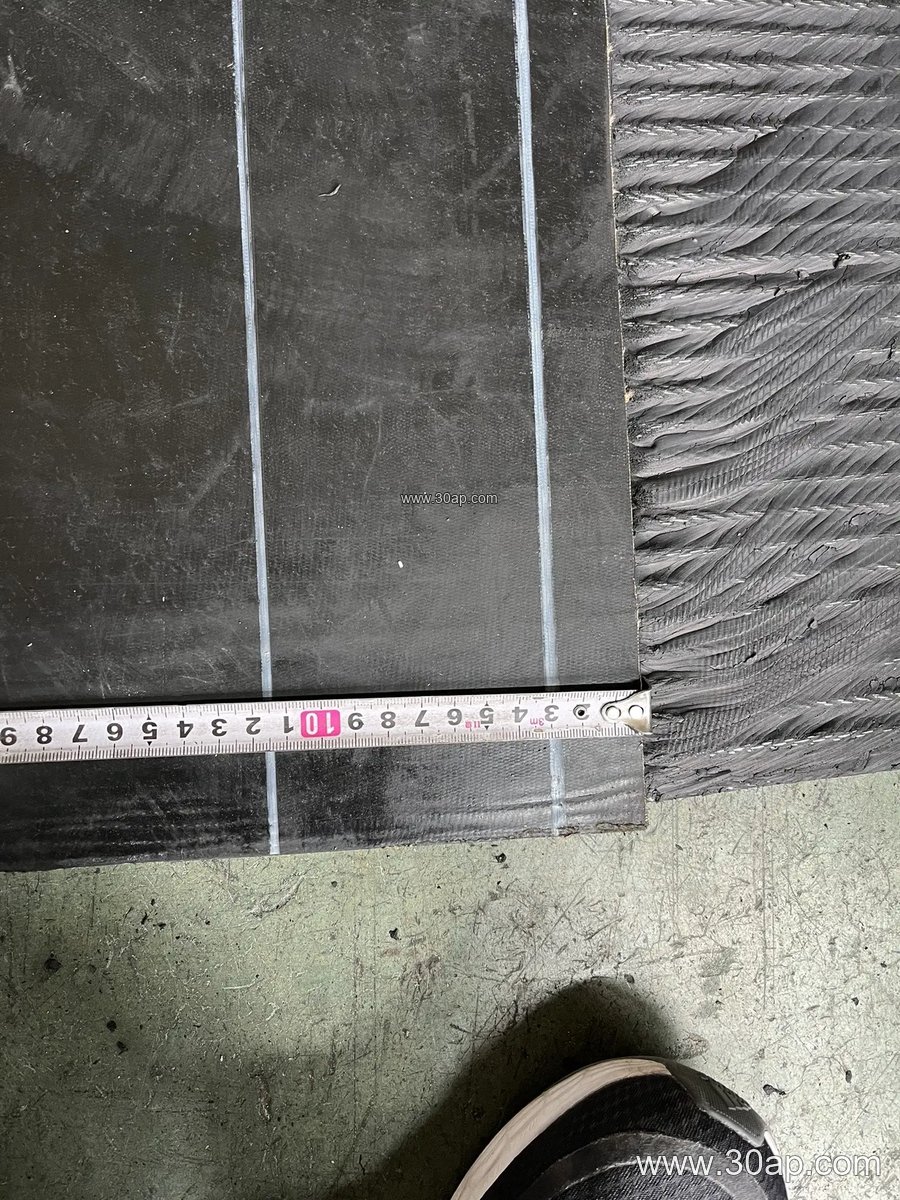
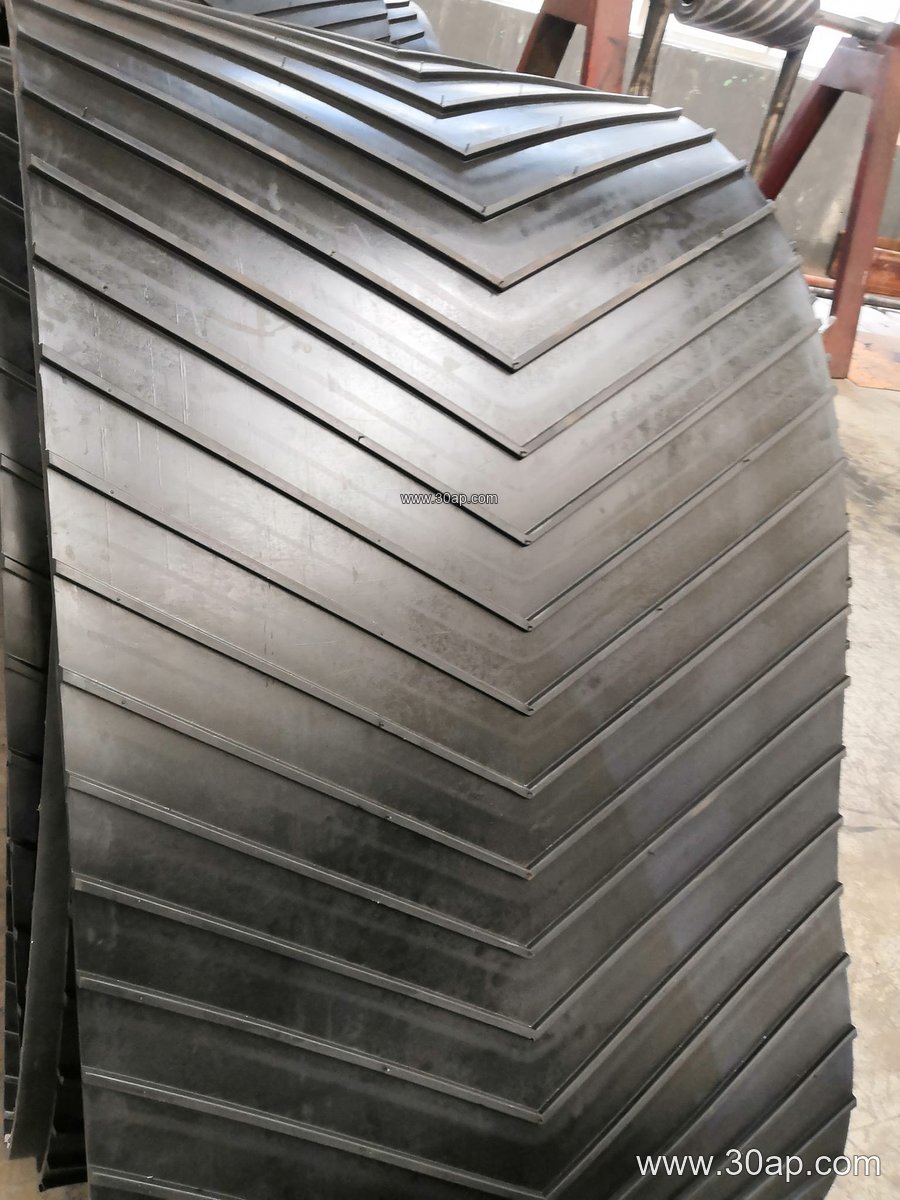
These belts are typically built with a fabric core or steel cord reinforcement, depending on the required tensile strength and conveyor design. The rubber cover compounds include fire retardant additives that suppress flame propagation. Common constructions use EP (polyester-nylon) or NN (nylon-nylon) fabric plies, with 2 to 6 layers for heavy-duty applications. Cover rubber thicknesses often range from 3+1.5 mm to 8+3 mm, selected according to impact and abrasion conditions. The belt surface may be smooth or feature patterns such as chevron or corrugated sidewalls for specific handling needs, but the core fire resistance property remains integral to the product.
Key Applications in Mining and Industry
Mining fire resistant conveyor belts are widely used in underground coal mining, where regulations demand flame retardant and anti-static properties. They also appear in surface coal mines, ore beneficiation plants, cement kilns, and power plant coal handling systems. In these environments, the belt must withstand abrasive materials, heavy loads, and potential heat exposure. While a standard abrasion resistant conveyor belt focuses on wear life, the fire resistant variant adds a safety layer against ignition sources. Similarly, a heat resistant conveyor belt addresses high-temperature materials, but the fire resistant type specifically targets flame spread prevention. For operations handling both risks, a combination of properties may be specified.
Specifications and Sizing Considerations
Buyers should consider belt width, tensile strength, cover thickness, and fire safety ratings. Common widths for mining applications include B500, B650, B800, B1000, B1200, B1400, B1600, and B1800 mm, with wider belts available for high-capacity systems. Tensile strengths for fabric core belts often range from EP200 to EP2000, while steel cord belts may use ST1000 to ST3150 grades. These values are reference data; actual selection depends on conveyor length, load, and pulley diameters. The table below lists typical parameters for orientation, not as universal specifications.
| Parameter | Common Range |
|---|---|
| Belt Width | B500 to B1800 mm (special sizes up to B2400 mm) |
| Fabric Core Strength | EP200 to EP2000 |
| Steel Cord Strength | ST1000 to ST3150 |
| Cover Thickness | 3+1.5 mm to 8+3 mm |
| Number of Plies | 2 to 6 (fabric core) |
Note that belt width does not dictate a single pulley diameter; drive, tail, and bend pulleys are sized by conveyor design engineers based on tension and space. Similarly, shaft diameters are determined from power and torque requirements, not belt width alone. Always consult the conveyor manufacturer for compatibility.
Selection and Maintenance Tips
When choosing a mining fire resistant conveyor belt, verify that the product meets the fire safety standards applicable to your site. Consider the material being conveyed: coal may require anti-static properties, while ore might demand high abrasion resistance. The belt should match the conveyor pulley and idler roller specifications to avoid tracking issues. Regular inspection of the belt surface, edges, and splices helps maintain fire resistance integrity. Avoid using a standard rubber conveyor belt in place of a fire resistant type in hazardous areas. For extreme conditions, evaluate whether a steel cord conveyor belt or a multi-ply fabric core conveyor belt offers the right balance of strength and safety. Proper tensioning and alignment with conveyor brackets extend service life. Remember that fire resistance is not a substitute for good housekeeping and dust control in mining environments.
For more information on conveyor components and belt selection, visit mining conveyor belt and fire resistant conveyor belt resources. Our site also covers conveyor pulley and idler roller guides to support complete system design.