What a Heavy-Duty Conveyor Bracket Does
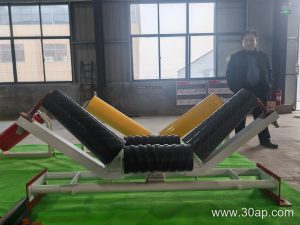
A heavy-duty conveyor bracket is the structural interface between the idler roller and the conveyor frame. It carries the idler shaft, holds the roller at the intended trough angle, and transfers the load of the belt and material into the stringer or beam. In a quarry, a coal preparation plant, or a power station coal yard, this component works under constant vibration, dust, and impact, so its job is as much about stiffness and alignment as it is about simple support.
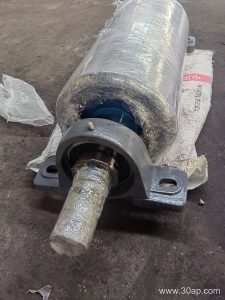
Although often called a conveyor bracket in day-to-day maintenance talk, the more accurate equivalent name is a heavy-duty idler bracket or idler support bracket. It is not a pulley component. Drive pulleys, tail pulleys, and bend pulleys each have their own bearing housings and frame connections, and a bracket designed for roller support should never be substituted for pulley mounting hardware.
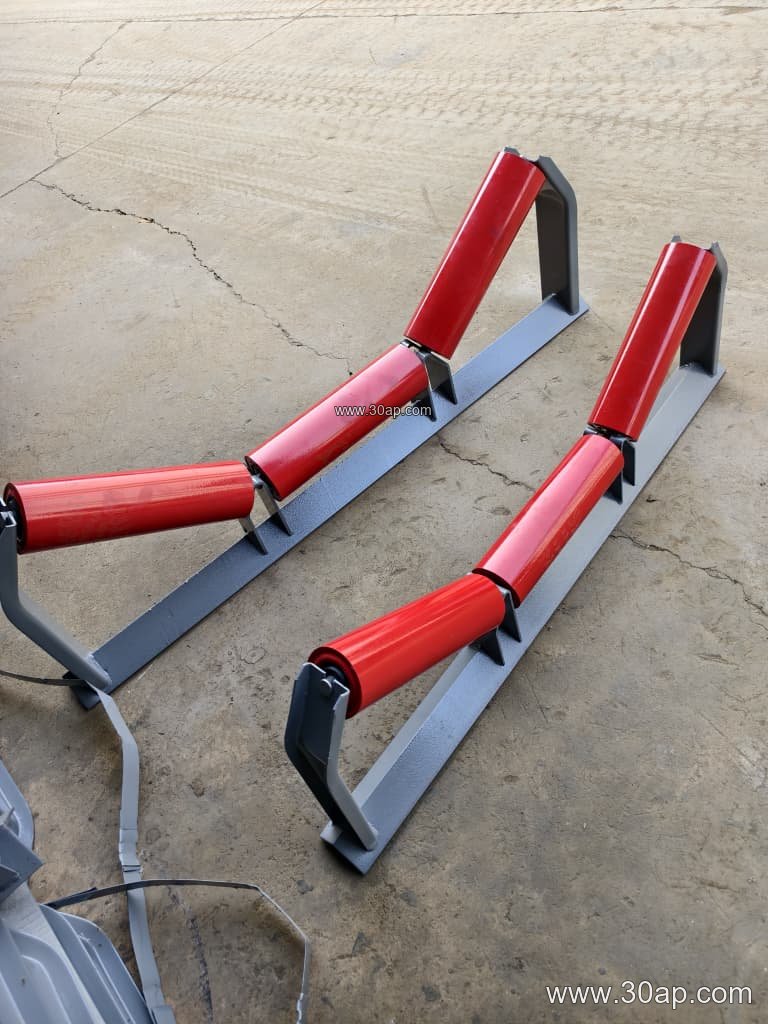
How the Bracket Is Built
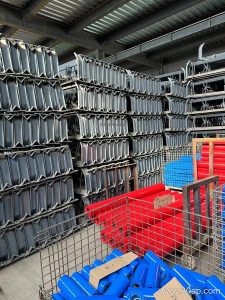
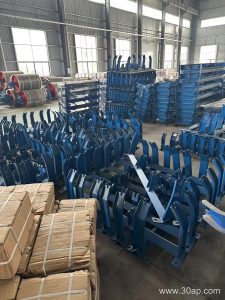
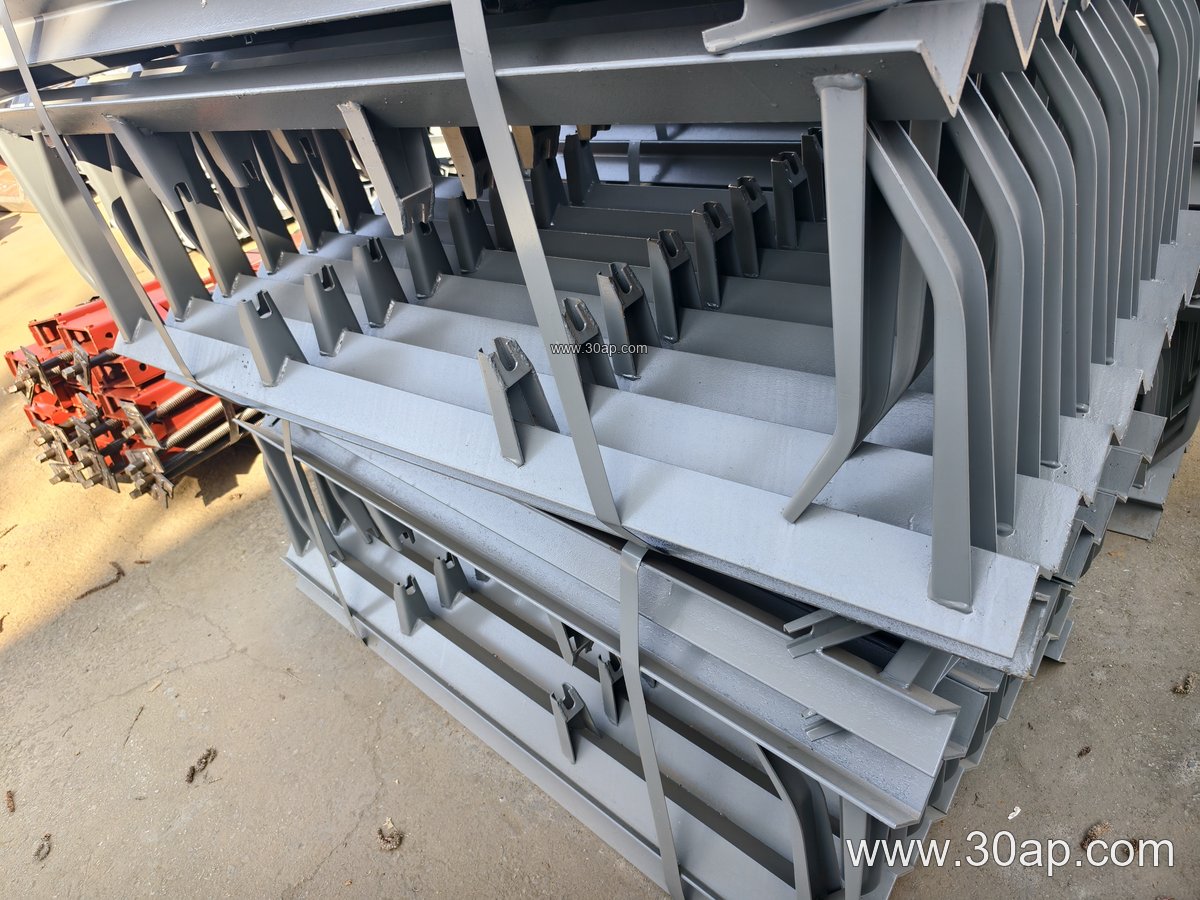
Most heavy-duty brackets are fabricated from angle steel, channel steel, or folded steel plate. The heavier sections are used where impact loads are high, such as beneath a crusher discharge or at a transfer point. A typical bracket assembly includes a base plate or mounting foot, a vertical or inclined arm, and one or more slotted or drilled holes for the idler shaft. Adjustable versions add a pivoting or sliding element that allows the trough angle to be set on site.
- Fixed trough brackets hold a set trough angle, often 30 degrees or 35 degrees.
- Adjustable brackets allow changes between common trough angles such as 20, 30, 35, and 45 degrees.
- Impact brackets are reinforced for buffer idler positions below loading chutes.
- Return brackets support the belt on the carrying side return run, with V-type or flat configurations.
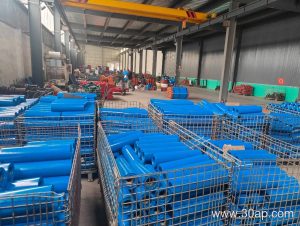
Fabrication quality matters more than appearance. Weld size, hole alignment, and the flatness of the mounting face all affect how evenly the roller contacts the belt. A bracket that twists slightly will cause edge loading, and that shortens the life of the conveyor belt and the idler roller alike.
Matching Bracket, Belt Width, and Roller Diameter
Bracket dimensions follow belt width, trough angle, and roller diameter. Common belt widths in bulk handling include B500, B650, B800, B1000, B1200, B1400, B1600, B1800, and larger. Roller diameters commonly range from Ø89 to Ø194, and the bracket shaft slot must suit the chosen roller. There is no single fixed pairing of belt width and roller diameter; the correct combination is set by load, belt speed, and design convention.
| Belt Width | Trough Angle | Typical Roller Diameter | Bracket Note |
|---|---|---|---|
| B650 | 30 degrees | Ø89 | Light to medium duty frame |
| B800 | 35 degrees | Ø108 | Common quarry and aggregate line |
| B1200 | 45 degrees | Ø133 | Heavier beam, reinforced base |
| B1600 | 35 degrees | Ø159 | High tonnage main haulage |
| B1800 | 45 degrees | Ø194 | Extra-wide, high-impact zones |
These figures are reference examples, not a fixed selection table. Mounting hole spacing and crossbeam length change with belt width and trough angle, and they should be confirmed against the conveyor drawing before ordering.
Where These Brackets Are Used
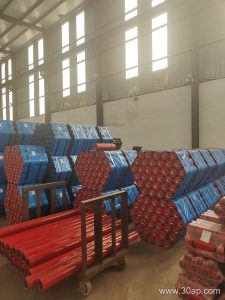
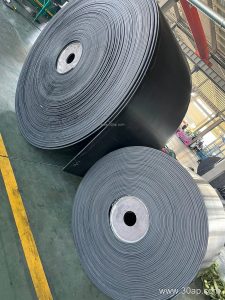
Heavy-duty brackets appear wherever a conveyor moves abrasive or heavy bulk material. In an iron ore or limestone mine, they support troughing rollers along long overland flights. In a cement plant, they carry clinker and raw meal on belts that may be fitted with a heat resistant conveyor belt or an abrasion resistant conveyor belt. In a coal mining conveyor belt system, flame retardant and anti-static properties are usually specified for the belt itself, while the bracket must resist dust buildup and corrosion.
Other typical locations include crushing and screening plants, ship loading terminals, steel plant sinter lines, and aggregate yards. Where the belt is a steel cord conveyor belt or a heavy-duty fabric core belt such as an EP conveyor belt or NN conveyor belt, the bracket still performs the same basic role: keep the rollers square to the belt and hold the trough profile steady.
What Buyers Should Check Before Ordering
- Confirm belt width, trough angle, and roller shaft diameter, not just the belt width alone.
- State whether the position is carrying side, return side, transition, or impact zone.
- Ask for the material and section thickness, for example channel steel versus folded plate.
- Check hole spacing and mounting pattern against the existing stringer.
- Decide between fixed and adjustable brackets based on whether the trough angle may change.
- Consider the environment: washdown, dust, humidity, and temperature all affect coating choice.
For a replacement project, send a photo of the existing bracket together with the roller diameter and the distance between mounting holes. That single step avoids most fitment problems and keeps the conveyor bracket, idler roller, and conveyor belt working as one system.