What the Conveyor Carrying Bracket Does
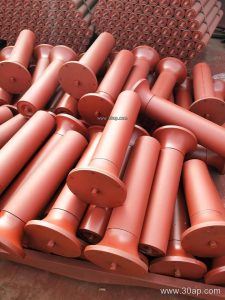
The conveyor carrying bracket is the steel frame that holds the upper idler rollers in place and gives the loaded belt its trough shape. It sits on the conveyor stringer or frame, spaced at regular intervals along the carrying side, so the belt, the material and the roller load all pass through it. In a quarry or a cement plant, this part is often the first thing maintenance crews check when the belt starts to wander or spill.
The same component is also called a conveyor idler bracket or carrying idler frame, and the name usually refers to the same assembly: a cross beam with mounting slots or hooks that locate the rollers at a set trough angle.
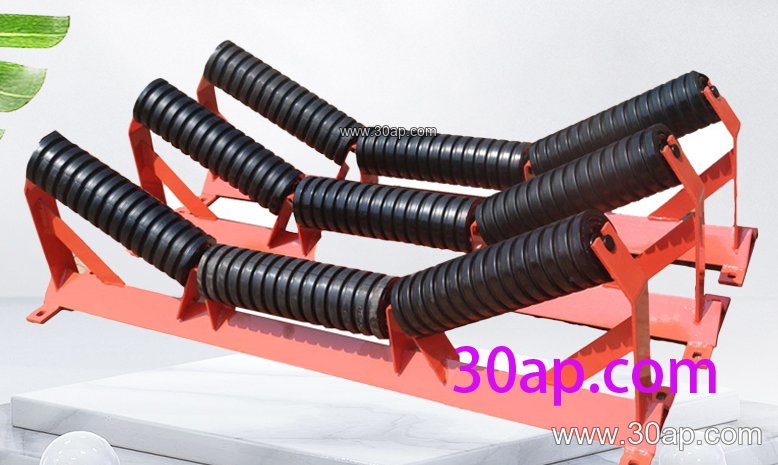
Construction and Common Forms
Most carrying brackets are made from angle steel, channel steel or folded steel plate. A three-roller trough bracket holds one central roller and two side rollers, and the angle of the side rollers decides how deep the trough is.
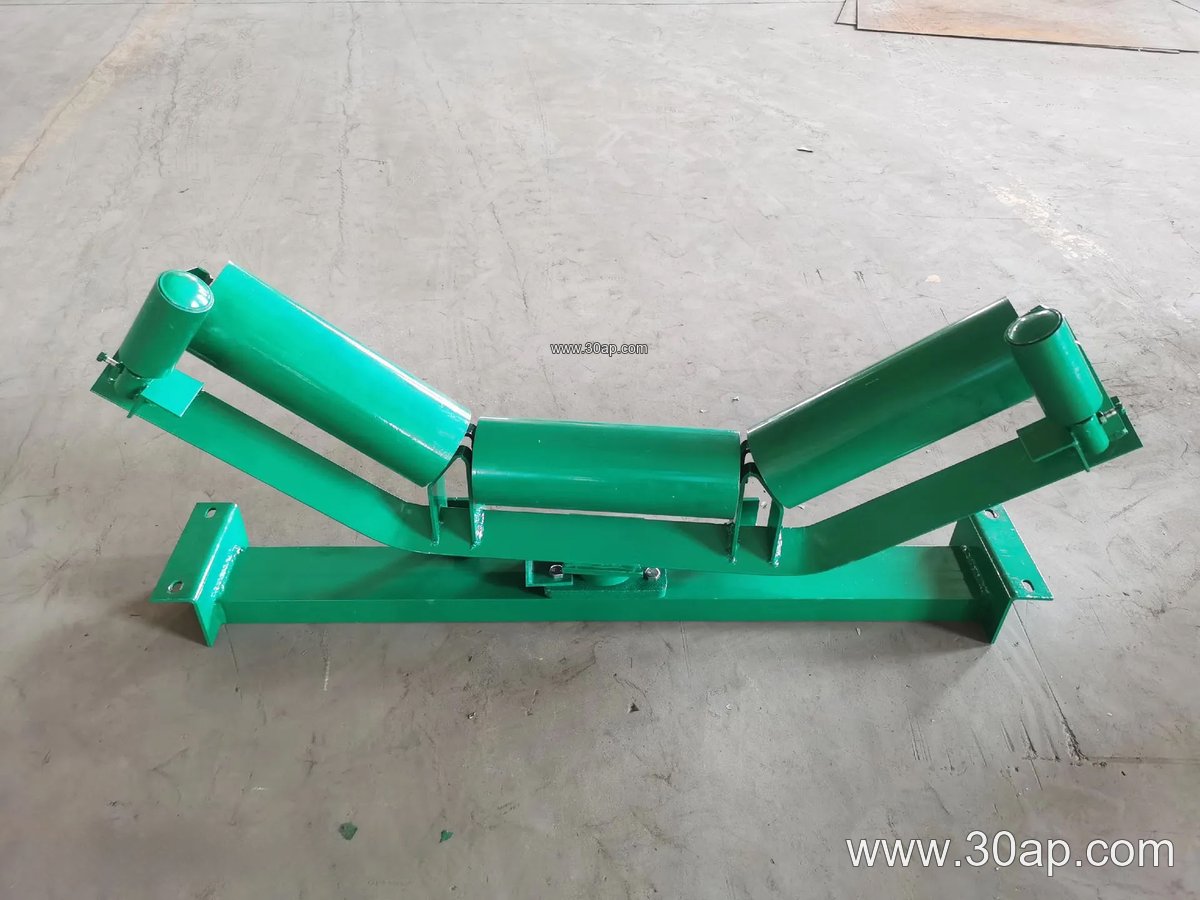
- Fixed trough bracket, welded or bolted at one angle
- Adjustable bracket, allowing the trough angle to be set on site
- Impact bracket, reinforced for loading points under a crusher or transfer chute
- Transition bracket, used where the belt moves from flat to troughed
Common trough angles are 20, 30, 35 and 45 degrees. A forward-leaning bracket, typically about 1.5 to 2 degrees, is sometimes used to help the belt track. Belt widths range from B500 up to B2000 and beyond, and roller diameters are usually Ø89, Ø108, Ø133, Ø159 or Ø194. A B800 bracket at 35 degrees with Ø108 rollers is a typical mid-size arrangement, while a B1200 line at 45 degrees may use Ø133 rollers. These are reference combinations, not fixed rules, because mounting hole spacing and beam length change with belt width and trough angle.
Where It Fits in the Line
Carrying brackets appear wherever bulk material rides on the belt. In a limestone mine or stone crushing line they support the belt after the primary crusher, where lump size and impact are heavy. In a coal washing plant or power station coal yard, flame retardant and anti-static belts are common, and the bracket must keep the trough stable so the belt does not rub the frame. Port ship loaders and iron ore terminals use wider, heavier frames under a steel cord belt running at high tension.
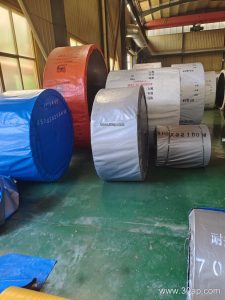
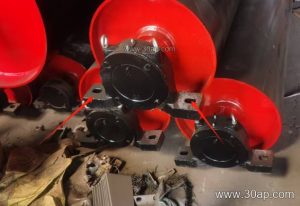
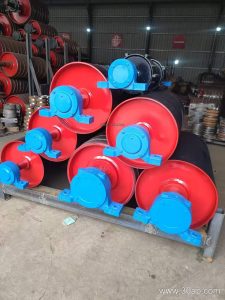
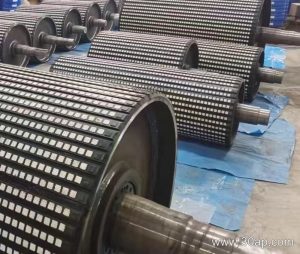
A carrying bracket works together with the conveyor belt, the idler roller and the conveyor pulley. The bracket positions the rollers, the rollers support the belt, and the drive or tail pulley moves it. If the trough is too shallow for the material, spillage increases; if the bracket is misaligned, the belt edge wears quickly. On a long overland line, a small error repeated across hundreds of brackets becomes a real tracking problem.
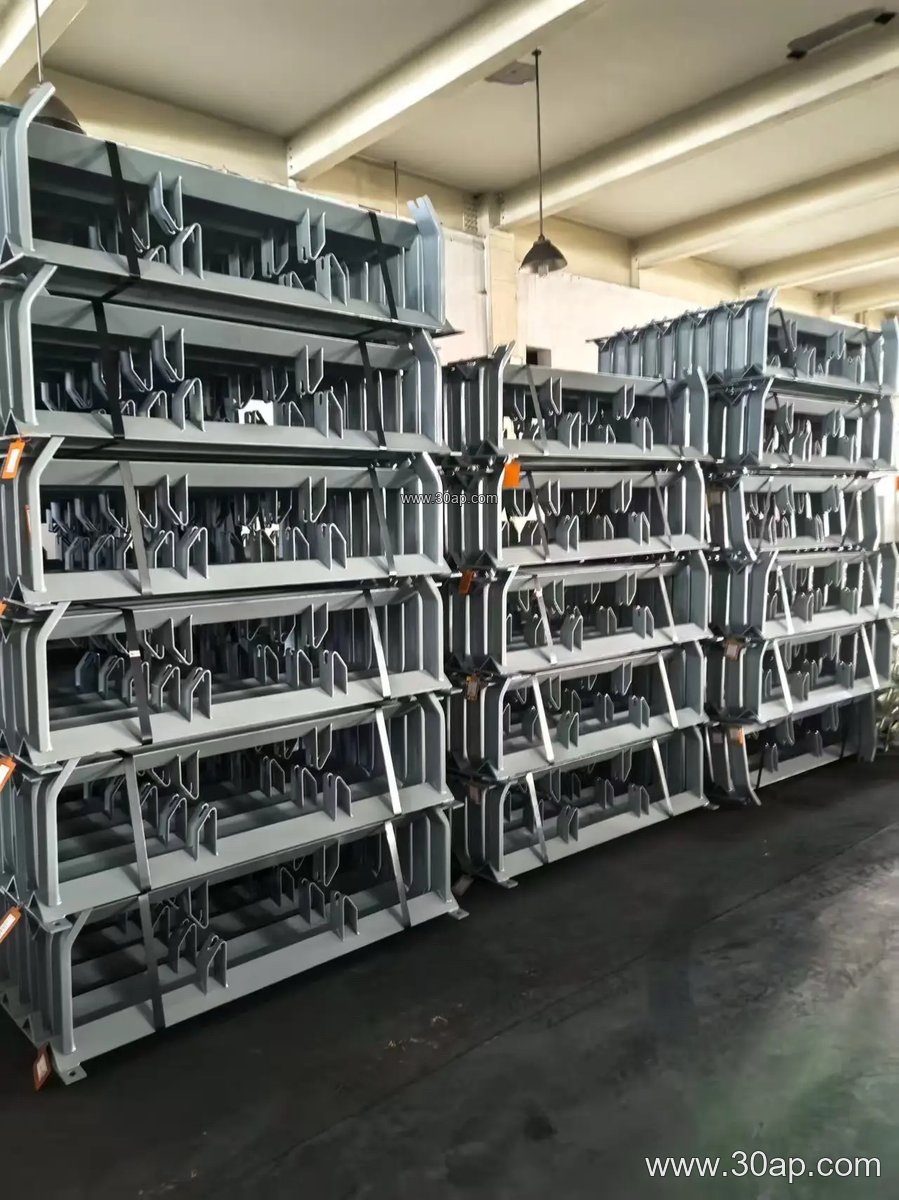
Matching Bracket, Belt and Roller
Selection starts with the belt width and the material load, then moves to roller diameter and trough angle. A wide belt carrying a light material may run at a shallow angle, while a narrow belt moving damp or lumpy ore often needs a deeper trough. The bracket must suit the roller shaft and the mounting method used on the stringer.
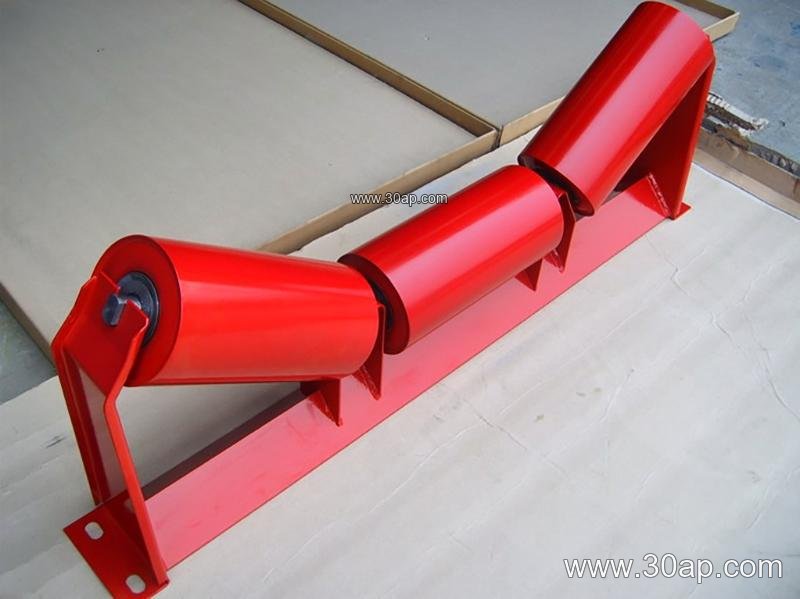
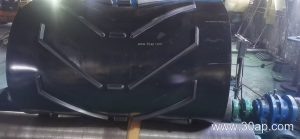
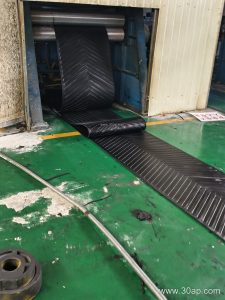
Belt type also matters. An abrasion resistant belt on a quarry line, a heat resistant belt near a sinter plant, or an oil resistant belt in a recycling yard all place different demands on the roller and frame. Where a pipe conveyor belt or a corrugated sidewall belt is used, the bracket layout is normally designed for that specific belt profile rather than taken from a standard trough frame.
For heavy-duty mining conveyor belts, check the bracket steel thickness and the weld quality at the roller seats. For a food grade belt in a grain silo, smooth surfaces and easy cleaning matter more than raw strength.
Buyer Checklist
- Confirm belt width, trough angle and roller diameter before ordering
- State whether the frame is fixed or adjustable
- Give the mounting hole spacing and stringer type
- Ask about surface treatment for damp or corrosive sites
- Keep spare brackets for the loading zone, where impact damage is most likely
During maintenance, check bracket alignment with a string line, replace bent frames rather than straightening them repeatedly, and make sure the roller turns freely in its seat. A sound conveyor carrying bracket is a simple, low-cost part, but it decides how well the belt, the idler roller and the whole conveyor pulley system work together.