What a Conveyor Bracket Does
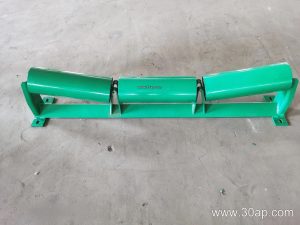
A conveyor bracket is the structural support that holds idler rollers in the correct position along a conveyor frame. It keeps the belt profile stable, spreads the load of material, and makes maintenance easier because worn rollers can be replaced without cutting the main frame. In a quarry, cement plant, or power plant coal yard, these brackets are the quiet workhorses that determine whether the belt tracks smoothly or wanders off line.
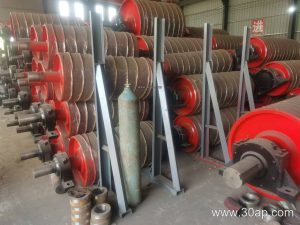
The bracket is often called a conveyor idler bracket or roller support bracket, but the function remains the same: locate the idler at the designed height, angle, and spacing. Drive pulleys, tail pulleys, and bend pulleys are separate components and are not interchangeable with this support hardware.
Construction and Common Forms
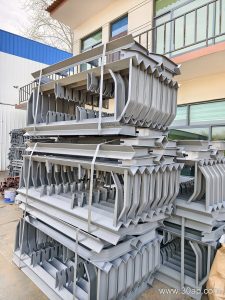
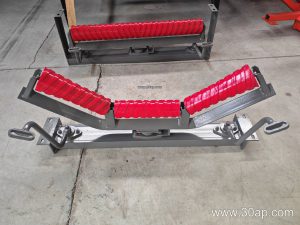
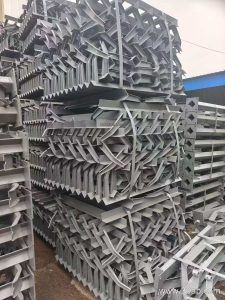
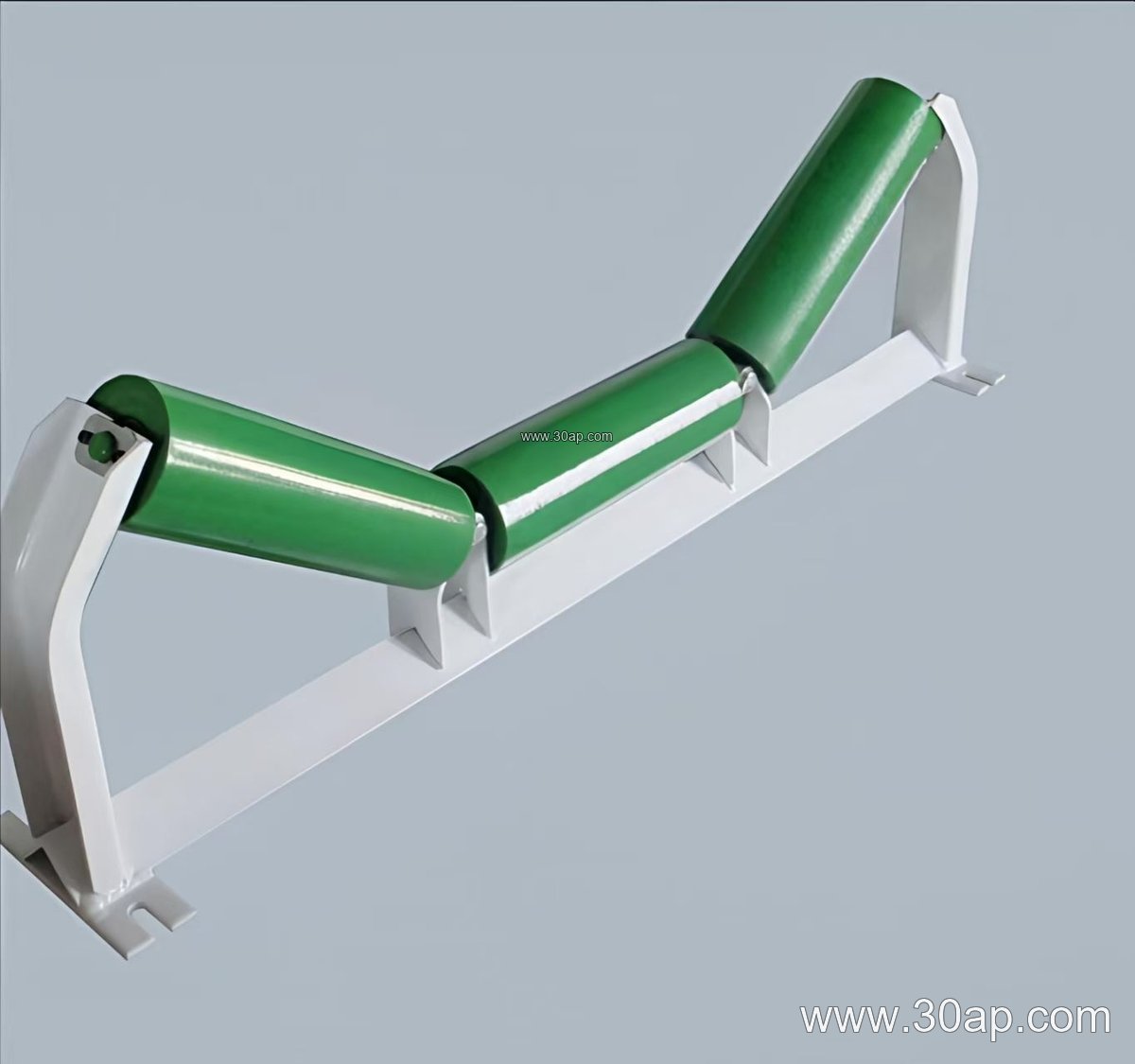
Most brackets are fabricated from angle steel, channel steel, or folded steel plate. The choice of material and thickness follows the load, belt width, and environment. A typical troughing bracket carries three idlers set at a defined trough angle, while a return bracket supports the belt on its way back. Adjustable designs allow the trough angle to be changed on site, which helps when a conveyor handles different materials or when belt training needs correction.
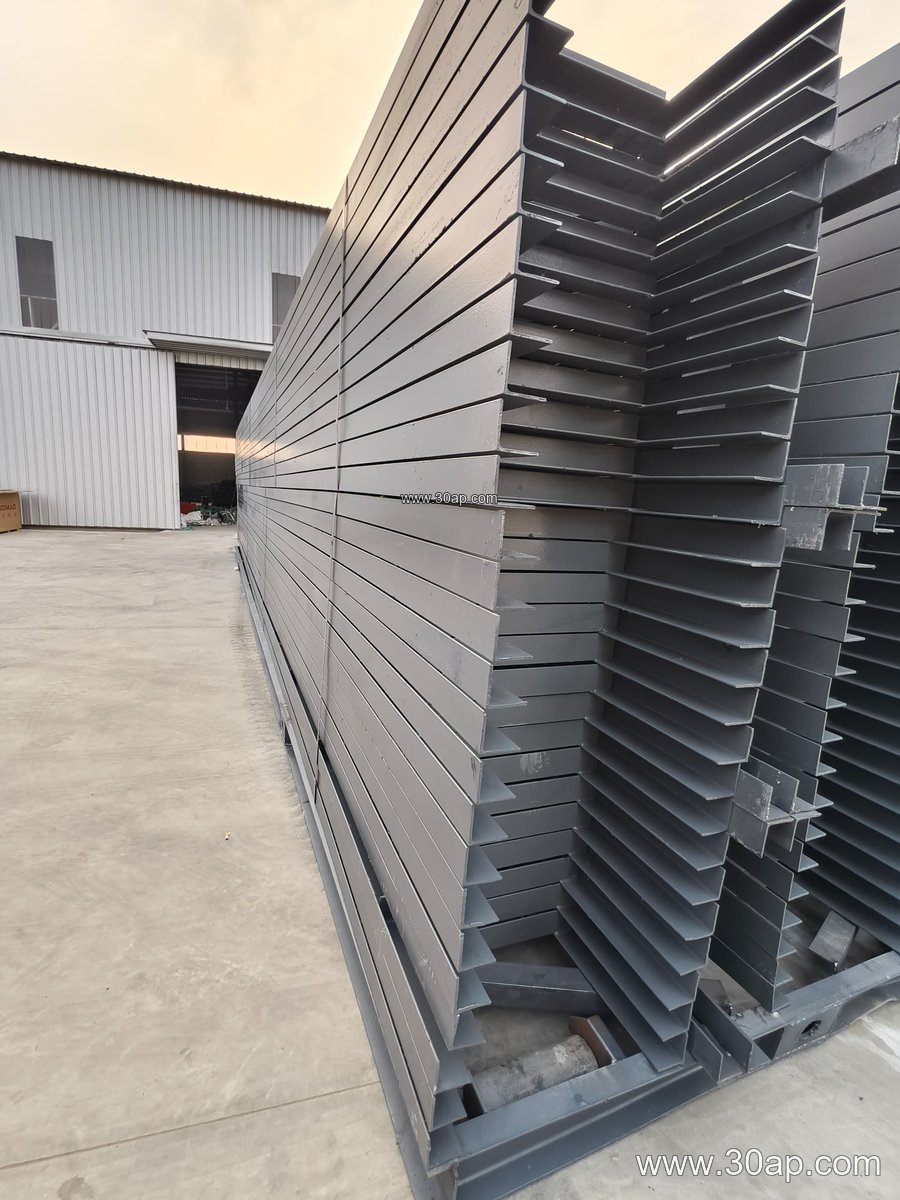
Common forms include troughing brackets, transition brackets, return brackets, V-return brackets, impact brackets, self-aligning brackets, and suspended brackets. Each has a specific place on the conveyor, and mixing them up can affect belt life and tracking.
Matching Belt Width, Trough Angle, and Roller Diameter
Bracket dimensions are not universal. The mounting hole spacing and crossbeam length usually change with belt width and trough angle, so a bracket for B800 is not the same as one for B1400. Roller diameter also matters because the bracket cradle must accept the idler shaft and bearing housing. Common roller diameters include Ø89, Ø108, Ø133, Ø159, and Ø194, but the correct match depends on the conveyor design rather than a fixed rule.
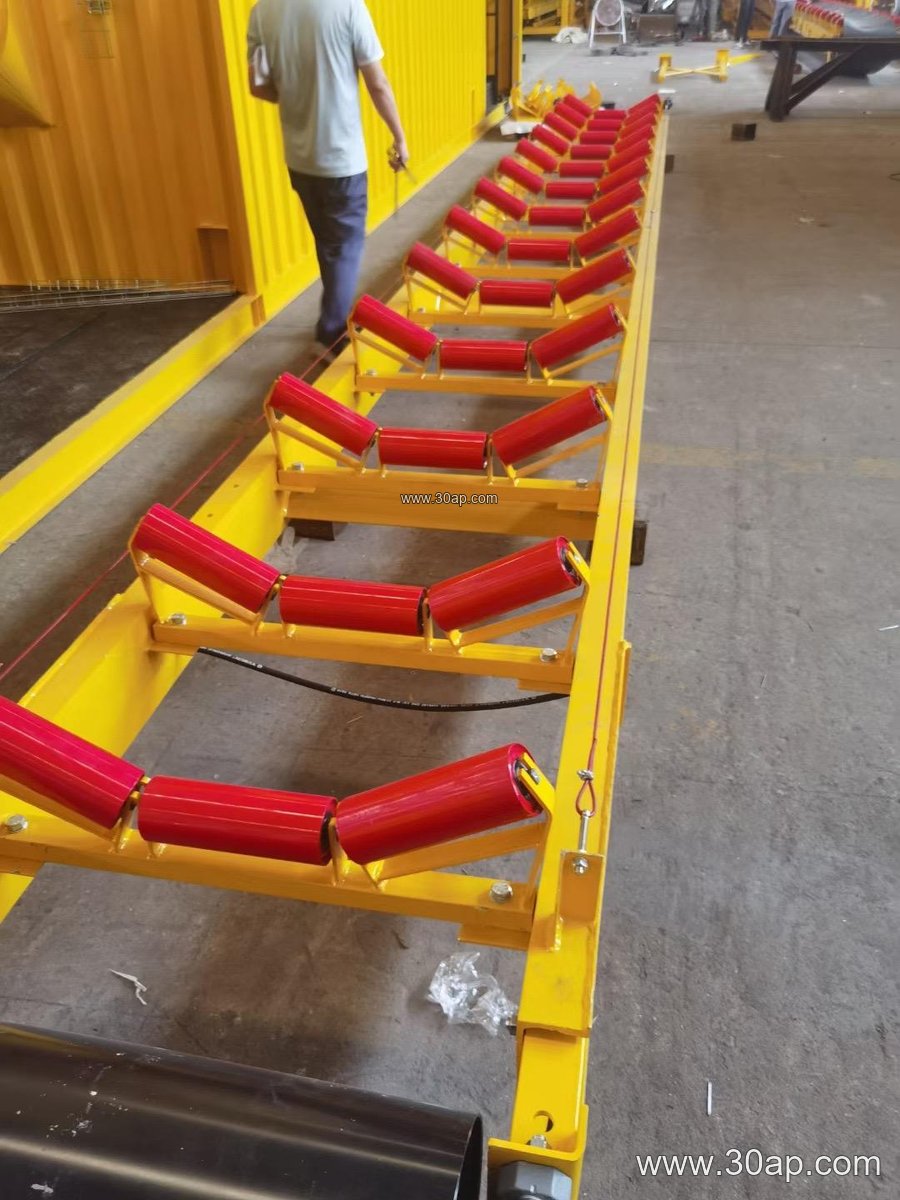
- B500 with 20-degree trough and Ø89 rollers for light duties
- B800 with 35-degree trough and Ø108 rollers in a sand and gravel line
- B1200 with 45-degree trough and Ø133 rollers in a cement plant
- B1600 with 35-degree trough and Ø159 rollers in an iron ore operation
The table below shows reference combinations only; actual selection should follow the conveyor design and the duty profile.
| Belt Width | Trough Angle | Roller Diameter | Typical Bracket Form |
|---|---|---|---|
| B500 | 20° | Ø89 | Troughing bracket |
| B650 | 30° | Ø89 | Troughing bracket |
| B800 | 35° | Ø108 | Troughing bracket |
| B1000 | 35° | Ø108 | Troughing or transition bracket |
| B1200 | 45° | Ø133 | Troughing bracket |
| B1400 | 35° | Ø133 | Troughing bracket |
| B1600 | 35° | Ø159 | Heavy troughing bracket |
| B1800 | 45° | Ø159 | Heavy troughing bracket |
| B2000 | 35° | Ø194 | Heavy troughing bracket |
Forward-leaning brackets usually set the idler at about 1.5 to 2 degrees to help center the belt. Transition brackets are placed near pulleys to ease the belt from flat to troughed shape, reducing edge stress on a steel cord conveyor belt or a heavy multi-ply fabric core belt.
Where These Supports Are Used
You will find conveyor brackets in almost every bulk handling line. In a limestone quarry or stone crushing plant, they support the belt that carries crushed rock from the crusher to the screening deck. In a coal-fired power plant, they hold idlers under a flame retardant conveyor belt on the coal yard and transfer houses. In a cement plant, heat resistant conveyor belts on clinker lines rely on sturdy brackets to keep the belt aligned under high temperature. Port ship loaders and aggregate yards also depend on them for steady material flow.
The bracket works together with the conveyor belt, idler roller, and conveyor pulley. A well-matched bracket keeps the belt from rubbing the frame and extends roller bearing life. On a pipe conveyor belt or a corrugated sidewall belt, special support arrangements are often needed, so the bracket layout should be checked against the belt manufacturer’s recommendation.
Buyer Checklist
Before ordering, confirm the belt width, trough angle, roller diameter, and mounting hole spacing. Ask whether the bracket is fixed or adjustable and whether it is for carrying, return, impact, or training duty. Check the steel grade and surface treatment for the site conditions, especially in a wash plant, fertilizer store, or coastal port where corrosion is a concern. For an underground coal mining conveyor, flame retardant and anti-static properties of nearby components matter, but the bracket itself should be specified for the load and environment. Request drawings that show the crossbeam length and hole positions, and confirm that the bracket fits the chosen idler roller series. Spare parts planning is simpler when the same bracket type is used across a conveyor line, but do not force one bracket size onto every belt width.
For more information on related components such as conveyor bracket assemblies, conveyor pulley options, and idler roller ranges, review the technical data before finalizing the order.