What a Vertical Idler Bracket Does
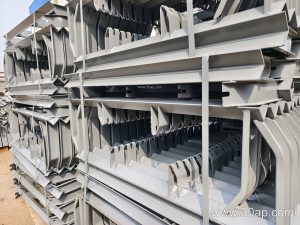
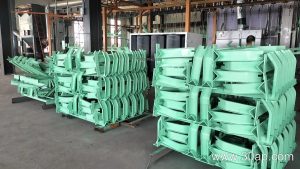
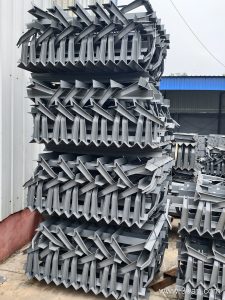
A vertical idler bracket is the mounting component that holds idler rollers in a vertical orientation on a conveyor. Unlike the more common inclined or horizontal brackets, this bracket positions the roller upright, which is useful for guiding the belt edge, forming a specific belt profile, or supporting the belt in tight transition zones. In quarry and aggregate operations, vertical brackets often appear near transfer points where the belt needs a controlled change in direction or where side guiding is critical. The bracket itself is typically a welded or bolted assembly made from angle steel, channel steel, or folded steel plate, designed to bolt directly to the conveyor frame.
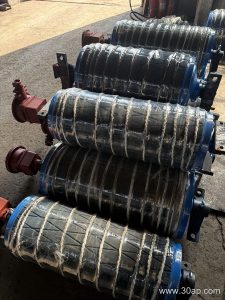
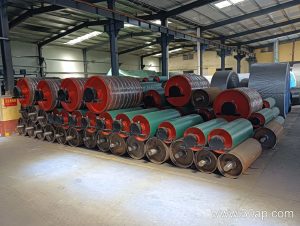
The name is specific: it is not a drive pulley bracket, nor a tail pulley bracket, nor a bend pulley bracket. Those pulley types serve different functions and are not interchangeable with idler brackets. A vertical idler bracket is strictly part of the idler support system, working together with conveyor belt and idler roller to keep the belt tracking and supported.
Construction and Mounting Details
Most vertical idler brackets are fabricated from structural steel. Common materials include angle steel for lighter duty and channel steel or folded plate for heavier loads. The bracket usually has a base plate with slotted holes for adjustment, a vertical upright that carries the idler shaft, and sometimes a gusset for added rigidity. Mounting hole spacing and beam length are not fixed; they change with belt width, trough angle, and roller diameter. For example, a bracket for B800 belt with 35-degree trough and Ø108 roller will have different dimensions from one for B1200, 45-degree, Ø133. Buyers should always confirm the actual mounting pattern from the conveyor frame drawings rather than assuming a standard.
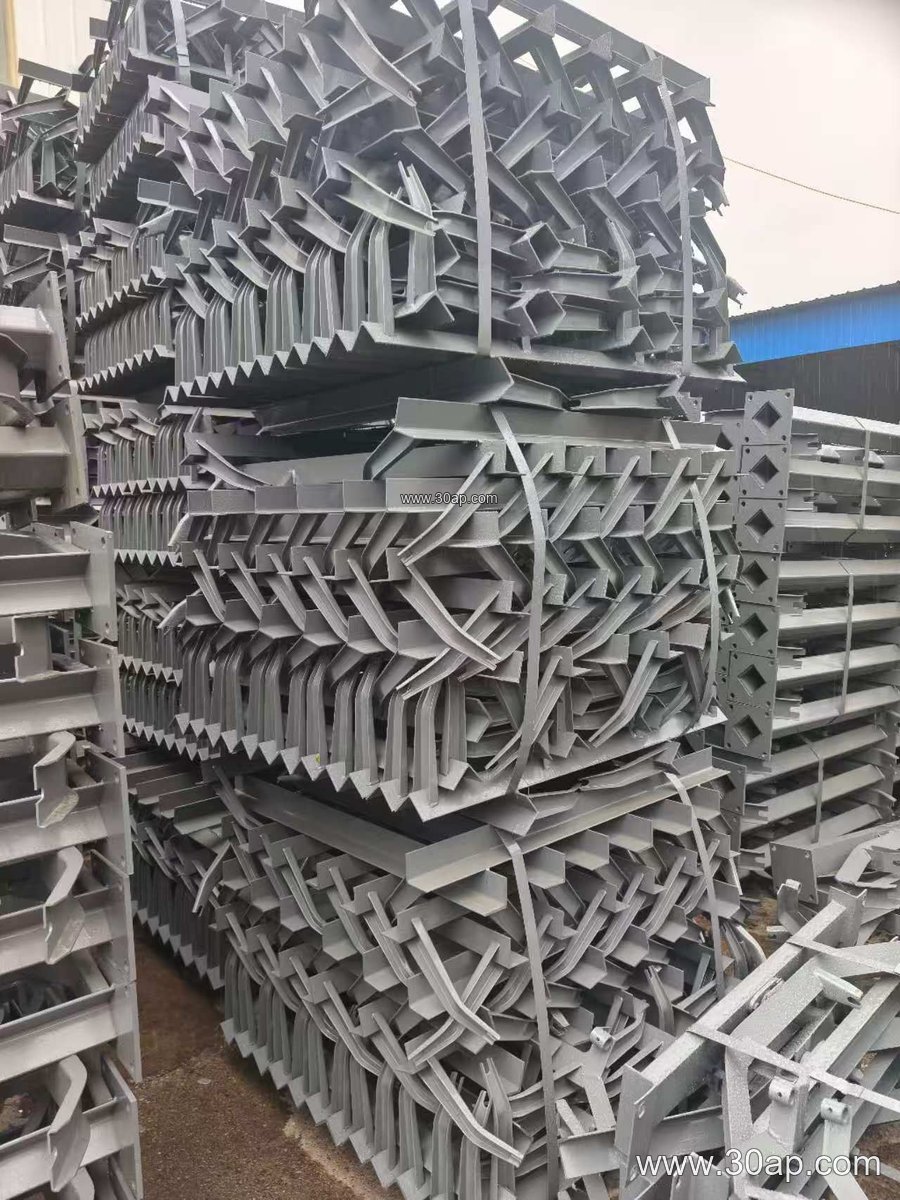
Surface treatment matters in dusty or wet environments. Paint, galvanizing, or powder coating can extend service life in coal mining, cement plants, and power plant coal handling. The bracket should be free of sharp edges that could damage the conveyor belt during operation.
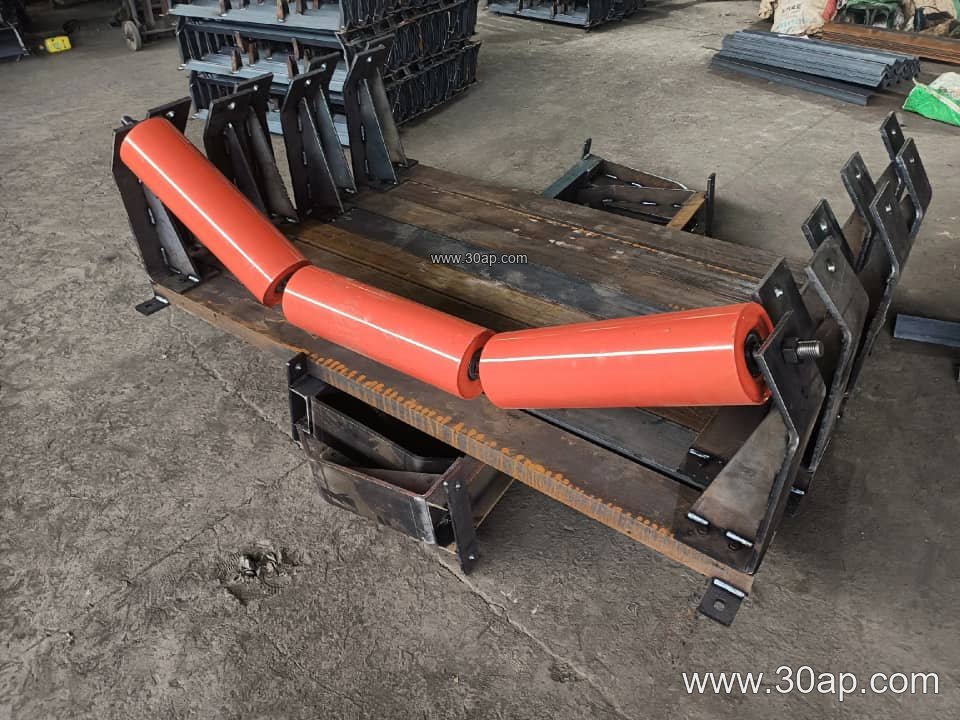
Where It Fits in the Conveyor Line
Vertical idler brackets are often found in the following areas:
- Transition zones between the carrying and return runs, where belt support must change gradually.
- Edge guide stations on long overland conveyors in iron ore mines or limestone quarries.
- Specialty idler arrangements in crushing and screening circuits, where belt alignment is critical.
- Underground coal mining conveyors that require compact, robust support components.
They are not a replacement for troughing idler brackets, return brackets, or self-aligning brackets. Each bracket type has a distinct role. A vertical bracket might be used alongside a V-return bracket or a transition bracket, but it does not substitute for them.
Compatibility with Belts and Rollers
The vertical idler bracket must match the idler roller diameter and shaft size. Common roller diameters include Ø89, Ø108, Ø133, Ø159, and Ø194. The bracket’s slot or hole size should accept the shaft without excessive play. Belt width also influences bracket selection: B500, B650, B800, B1000, B1200, B1400, B1600, B1800, B2000, B2200 are typical widths in bulk material handling. However, no single bracket size fits all widths, and a bracket designed for B800 should not be forced onto a B1200 frame without checking hole spacing and load capacity.
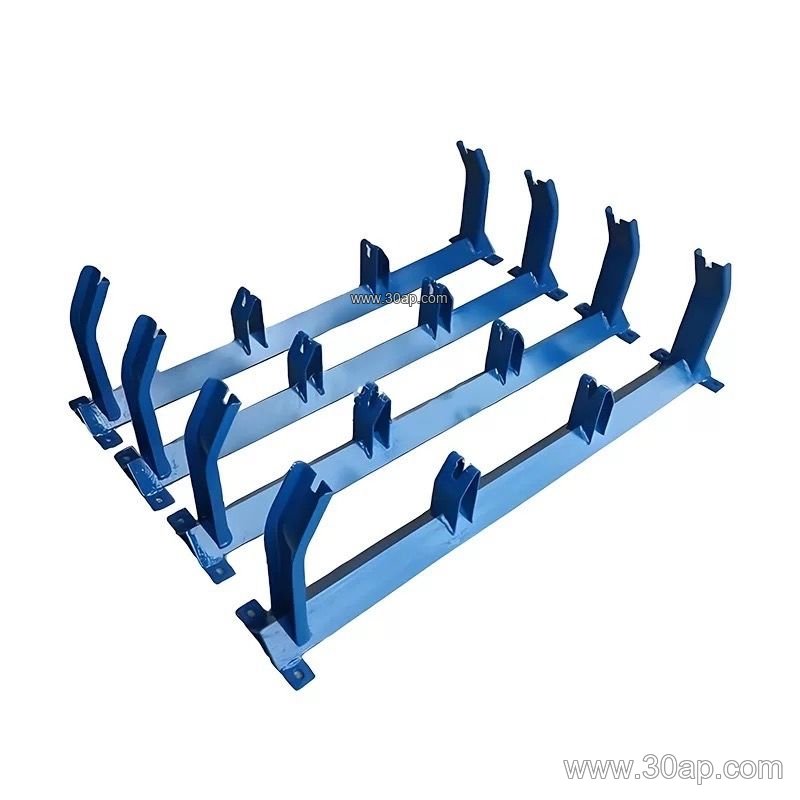
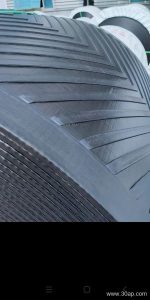
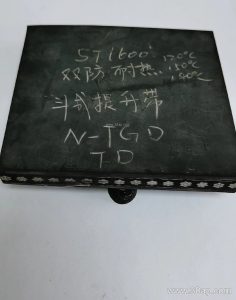
When specifying, consider the conveyor belt type as well. A heavy-duty mining conveyor belt or a steel cord conveyor belt may require more robust idler support than a lightweight fabric core conveyor belt. In cement plants, heat resistant conveyor belt may be used, and the bracket should be located away from direct heat sources if possible.
Selection and Maintenance Tips
Buyers should ask for the bracket drawing, material grade, and surface finish before ordering. Check that the bracket is designed for the actual trough angle (20, 30, 35, or 45 degrees) and that adjustable versions, if needed, can be locked securely. During maintenance, inspect for loose bolts, bent uprights, or worn slots. A damaged vertical idler bracket can cause the idler roller to misalign, leading to belt edge damage and premature wear on the conveyor belt.
For more information on related components such as conveyor bracket, idler roller, and conveyor pulley, consult your conveyor system supplier. At www.example.com/conveyor-bracket, you can find typical bracket configurations; similar resources at www.example.com/idler-roller and www.example.com/conveyor-belt may help cross-reference belt and roller sizes. Always verify dimensions against your own conveyor frame.