What a Corrugated Sidewall Conveyor Belt Is
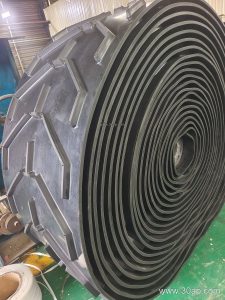
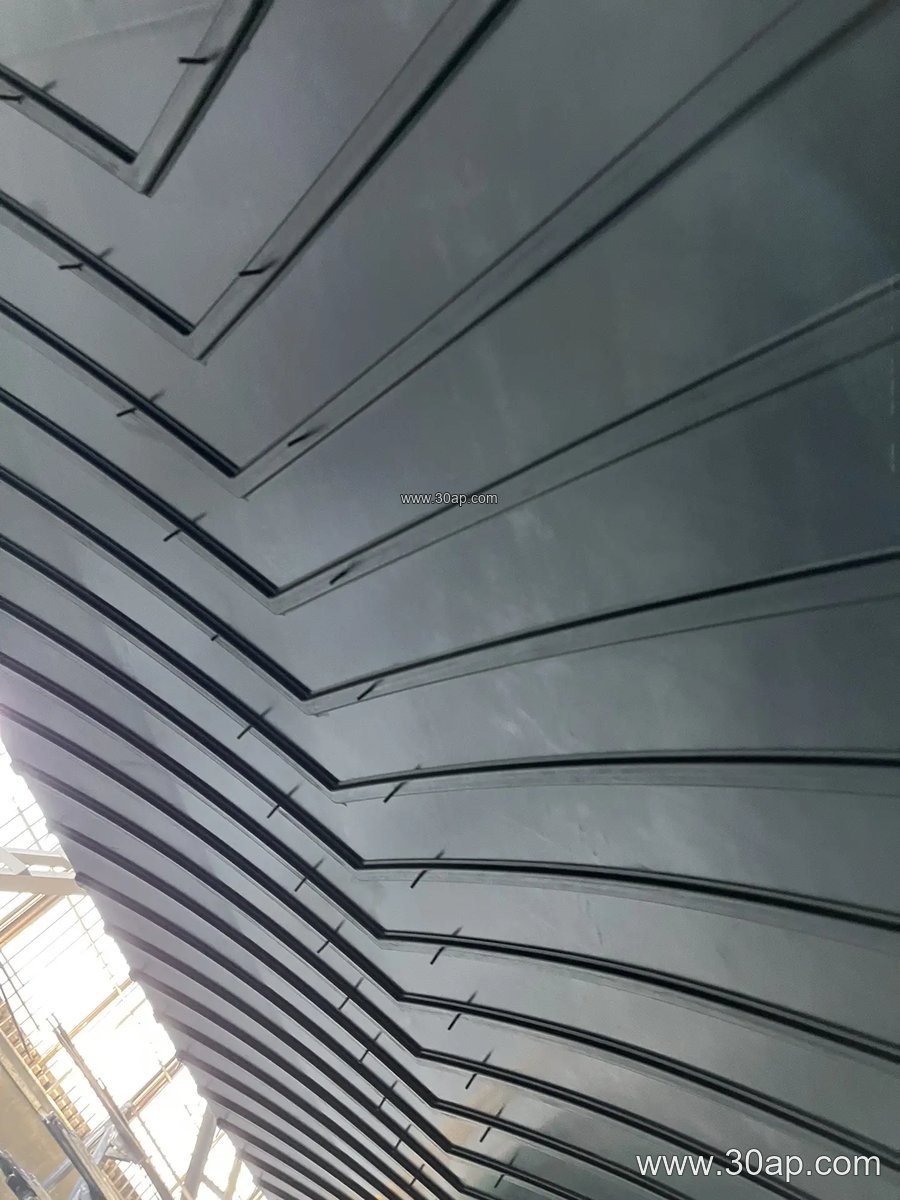
A corrugated sidewall conveyor belt is a bulk material conveyor belt with raised, wavy walls running along both edges and, in most designs, horizontal cleats between those walls. The walls and cleats form open pockets that hold material on the belt surface, so the belt can run at steep inclines that would cause spillage on a flat rubber conveyor belt. Because the material is contained within the pockets, this design is sometimes described as a skirted conveyor belt with cleats, and it is a distinct product from a plain EP conveyor belt or a chevron conveyor belt used mainly for incline grip.
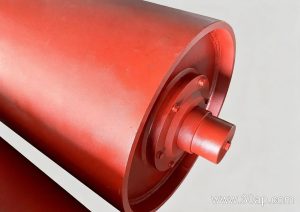
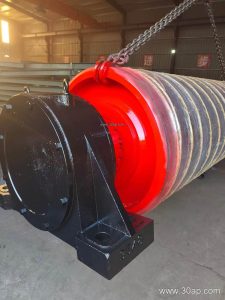
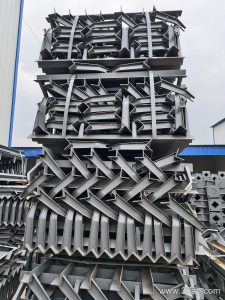
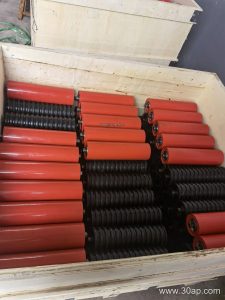
The working principle is simple. The corrugated sidewall conveyor belt carries material upward between the side walls, while a conveyor pulley at the head and a tail pulley at the reverse point keep the belt tracking. Support idler rollers and conveyor brackets hold the carrying and return runs in line, and the transition zone near each pulley is where the sidewall height and cleat spacing must be checked most carefully.
How the Belt Is Built
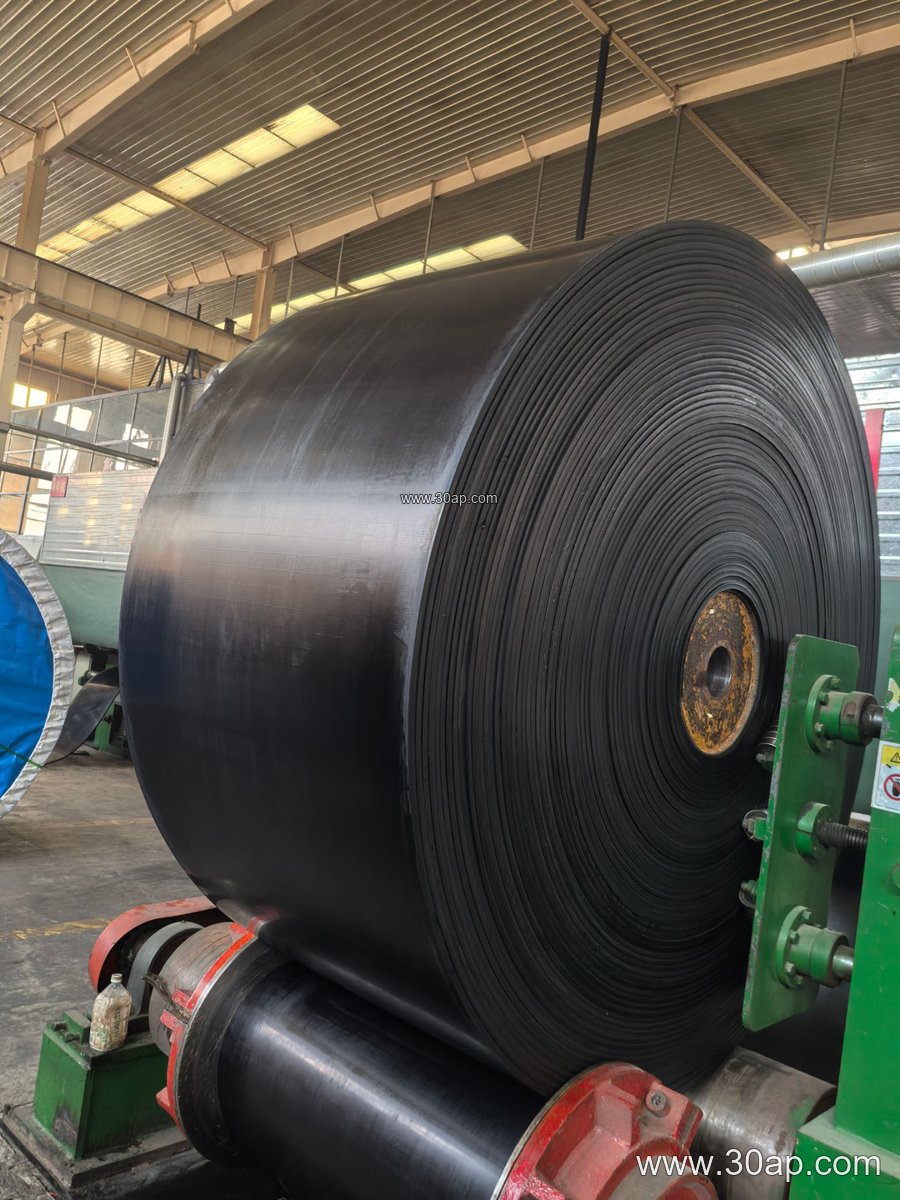
The base belt is usually a fabric core conveyor belt with EP or NN plies, or a steel cord conveyor belt for very high tension and long lifts. The sidewalls are hot-vulcanized to the belt edges, and the cleats are bonded across the width at a pitch chosen for the material and the incline angle. Common base constructions include 2 to 6 plies with cover grades such as 4+2 mm or 6+2 mm, depending on abrasion and impact. Buyers should state the material, lump size, lift height and duty cycle, because sidewall height, cleat height and cleat pitch are selected together, not separately.
Common reference data
| Item | Typical reference values |
|---|---|
| Base belt type | EP conveyor belt, NN conveyor belt, steel cord conveyor belt |
| Strength grades | EP200, EP400, EP630, EP1000, EP1250 |
| Belt width | B500, B650, B800, B1000, B1200, B1400 |
| Cover thickness | 3+1.5, 4+2, 5+2, 6+2, 8+3 mm |
| Sidewall form | Corrugated sidewall, with or without transverse cleats |
| Cover grades | Abrasion resistant, heat resistant, oil resistant, flame retardant, anti-static |
These are common reference values only. Actual sidewall height, cleat pitch and cover grade are set by the conveyor design and confirmed with the belt manufacturer.
Where It Fits in Bulk Handling
Steep-angle conveying is the main reason plants choose this belt. In a coal mining conveyor line, a corrugated sidewall conveyor belt can replace a long inclined flat belt plus transfer points, reducing spillage and dust. In cement plants it handles clinker and raw meal on steep lifts. Power plants use it for coal and limestone, while quarry conveyor and aggregate conveyor circuits use it to lift crushed stone from a crusher conveyor discharge to a higher stockpile. Port conveyor and ship loading systems also apply it where space is limited and a steep incline saves layout length.
Environment matters as much as angle. A heat resistant conveyor belt grade suits clinker or sinter, an oil resistant conveyor belt grade suits oily scrap or some mineral feeds, and a flame retardant conveyor belt grade is often requested for underground mining conveyor and coal handling. For cold climates, a cold resistant conveyor belt compound helps the sidewalls stay flexible. Where dust and static are a concern, an anti-static conveyor belt specification may be requested. A heavy-duty mining conveyor belt base with high abrasion resistant covers is common in iron ore and copper ore duty.
Selection and Use Notes
- Match belt width to the conveyor frame and pulley face, not to a single fixed rule. A 1000mm or 1200mm wide belt does not dictate one pulley diameter by itself.
- Check the drive pulley, tail pulley and bend pulley separately. Bend pulleys in the transition zone affect how the sidewall folds, and they are not interchangeable with the drive or tail pulley.
- Confirm cleat height and sidewall height against the largest lump and the required capacity per pocket.
- Keep idler roller spacing and conveyor bracket alignment within tolerance so the sidewall does not rub the frame.
- Inspect the vulcanized joint at the sidewalls, since this is a common wear point in steep service.
For a reliable quotation, provide the material type, bulk density, lump size, incline angle, lift height, belt width, desired strength grade and cover grade. Mention whether the belt must be an endless conveyor belt on site or supplied in lengths for splicing. A clear specification helps the supplier propose a corrugated sidewall conveyor belt that fits the conveyor, rather than a generic belt that only looks similar.