What an Underground Mining Conveyor Belt Does
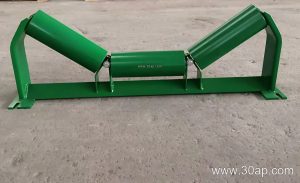
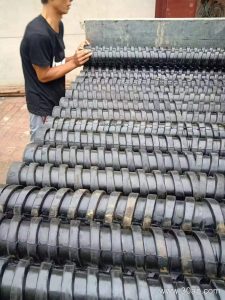
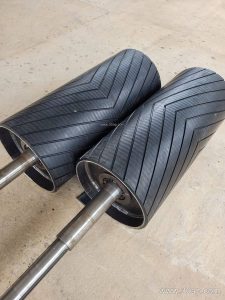
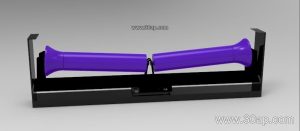
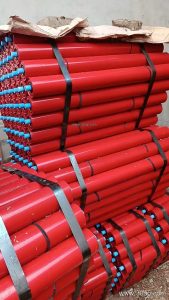
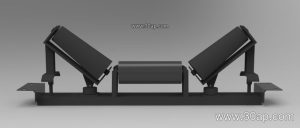
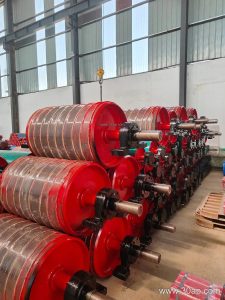
An underground mining conveyor belt is the carrying surface of a continuous haulage system built to move coal, ore, rock, and other bulk materials through tunnels, shafts, and inclined roadways where space is tight and dust and moisture are constant companions. The belt runs over a frame fitted with idler rollers, wraps around a head or drive pulley at the discharge end, returns through a tail pulley, and is kept aligned by bend pulleys and conveyor brackets along the route. Each of those components does a different job, and none is a substitute for another.
Because the belt is the flexible link between loading point and discharge, it must tolerate impact at the feed, abrasion along the full length, and often flame retardant requirements in coal service. Properly specified, an underground conveyor belt is a long-life asset; poorly matched, it becomes a maintenance headache.
Construction and Common Belt Types
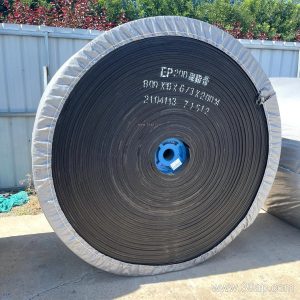
The carcass carries the load and resists tension, while the rubber covers protect the carcass from wear, moisture, and chemicals. Fabric-core constructions dominate medium-duty tunnels, while steel cord designs serve long lifts and high tonnage.
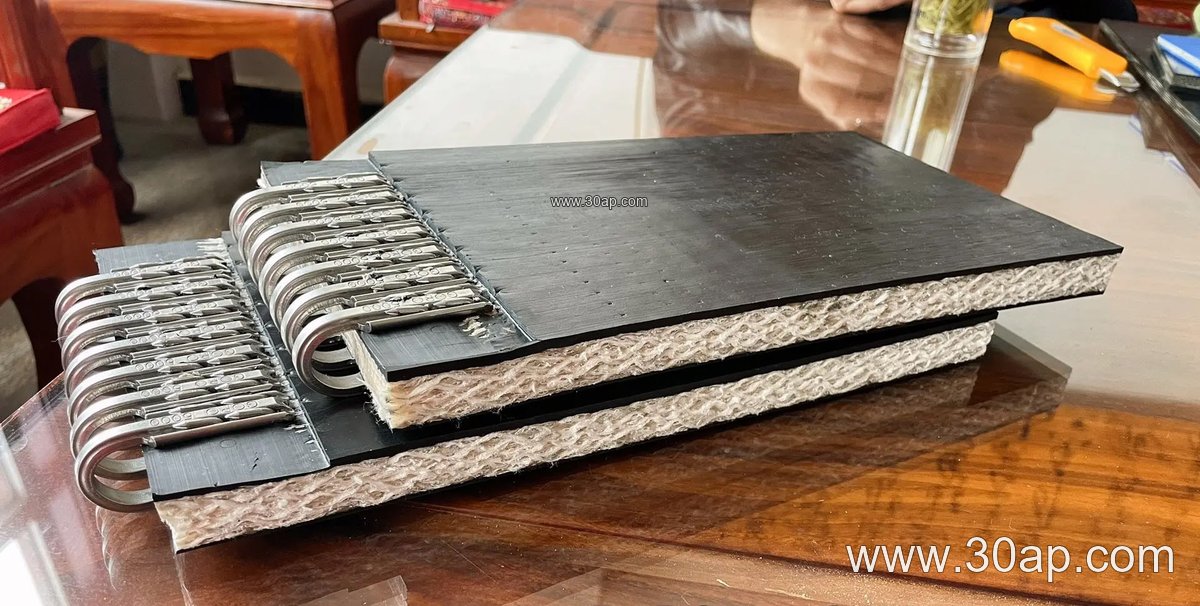
- EP conveyor belt: polyester warp, nylon weft carcass; a common all-round choice for mine haulage.
- NN conveyor belt: nylon warp and weft; good flexibility and impact absorption.
- Steel cord conveyor belt: high tensile strength for long center distances and steep lifts.
- PVG and PVC belts: solid-woven constructions often used where flame resistance and lower stretch matter.
For coal roadways, a flame retardant conveyor belt or fire resistant conveyor belt is typically specified, and an anti-static conveyor belt helps control static build-up. In wet or dusty drifts, an abrasion resistant conveyor belt with a robust cover reduces replacement frequency.
Typical Sizes and Reference Data
Belt width is matched to the troughing idlers, pulley face, and lump size, not chosen in isolation. The table below shows common reference values; final selection follows the conveyor design, material density, incline, and duty cycle.
Fabric Core and Steel Cord Examples
| Construction | Reference Grades | Common Widths |
|---|---|---|
| EP conveyor belt | EP200, EP315, EP400, EP500, EP630, EP800, EP1000, EP1250, EP1600, EP2000 | B500 to B2000 |
| NN conveyor belt | NN100, NN200, NN300, NN400 | B500 to B1800 |
| Steel cord conveyor belt | ST1000, ST1250, ST1600, ST2000, ST2500, ST3150 | B800 to B2000 |
Cover Thickness and Carcass Layers
Cover rubber is often quoted as top plus bottom thickness, for example 4+2 mm or 6+2 mm, with heavier 8+3 mm covers on high-abrasion duties. Carcass ply counts commonly run from two to six layers in fabric belts. These are reference figures rather than universal specifications.
Where It Is Used
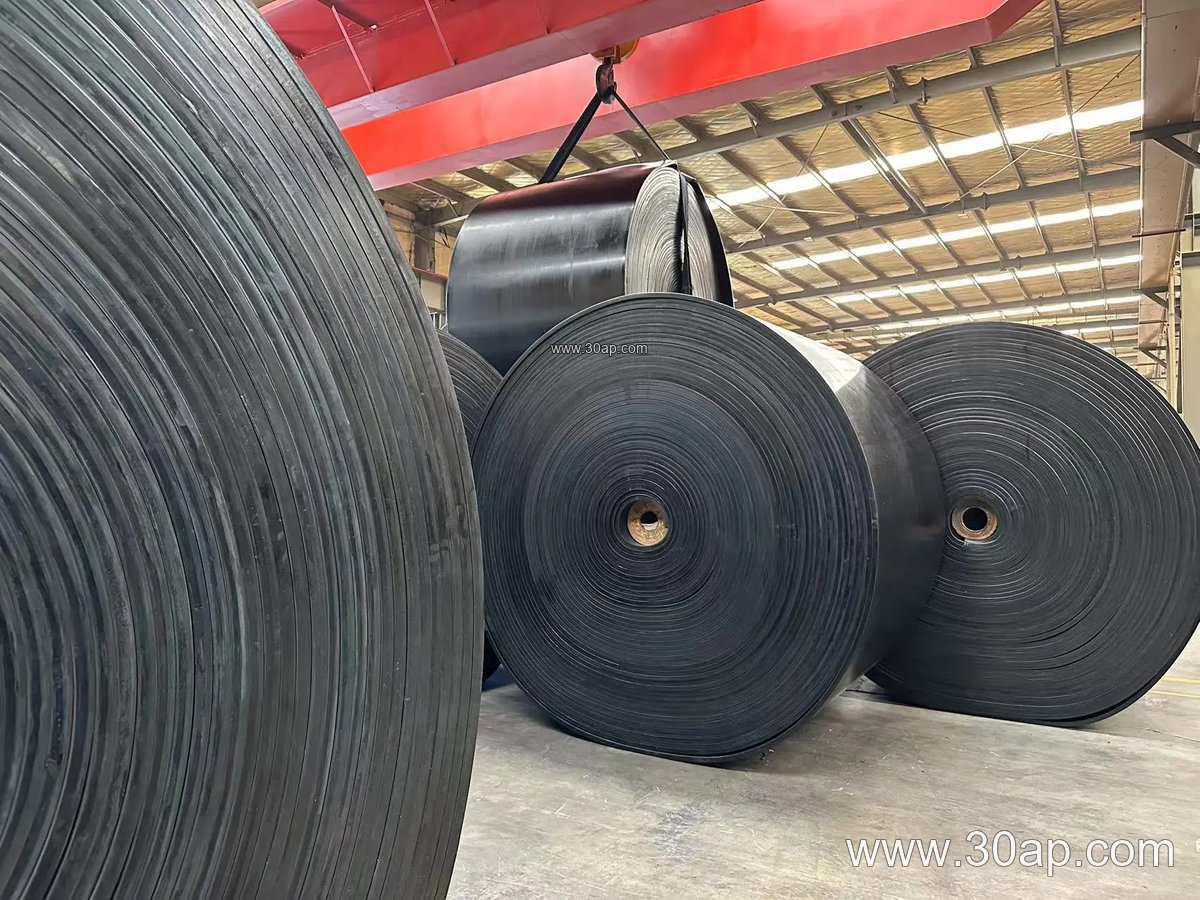
Underground mining conveyor belt systems appear in coal mines, metal mines such as iron ore and copper ore operations, and in tunnel excavation where muck must be removed continuously. The same belt technology supports quarry conveyor belt lines, aggregate conveyor belt circuits, and crusher conveyor belt feeds above ground. In cement plants, power plants, and steel plants, similar belts handle limestone, clinker, and coke. Port and ship loading terminals use wide belts for bulk material transfer.
Special duties call for specific covers: heat resistant conveyor belt for clinker or sinter, oil resistant conveyor belt near machinery, cold resistant conveyor belt in cold climates, and acid resistant or chemical resistant conveyor belt in processing areas. A chevron conveyor belt or corrugated sidewall conveyor belt handles steep inclines, and a pipe conveyor belt encloses the load to reduce spillage and dust.
Buyer Checklist
- Confirm the material, lump size, moisture, and temperature before choosing covers.
- Check flame retardant and anti-static requirements for coal and gassy tunnels.
- Match belt width to the pulley face and troughing idlers; do not assume one width fits one pulley diameter.
- Ask for the carcass grade, ply count, and cover thickness in writing.
- Review splice type, since an endless conveyor belt joint affects tension and service life.
- Plan spare idler rollers, pulley lagging, and conveyor brackets with the belt order.
For operators sourcing in bulk, a suitable underground mining conveyor belt specification might read EP1000, 1200 mm wide, 6+2 mm covers, flame retardant, with matched idler rollers and conveyor pulleys. Verifying the design data with the conveyor engineer remains the safest route, and a clear specification keeps the belt, idlers, and pulleys working as one system.